Last updated: 2026-08-01 by Ted Sellers, Owner
A commercial roof coating in Minnesota can either buy you 5–15 more years — or cost you twice. The difference isn’t the product. It’s the condition of the roof underneath. If the existing system is dry, structurally sound, and nearing the end of its service life (but not failing), a coating can seal small defects, slow UV breakdown, and extend lifespan without full tear-off disruption.
If insulation is wet, membranes are unstable, or leaks are widespread, a coating becomes camouflage. Minnesota’s freeze-thaw cycles will expose the mistake quickly. Here’s how to tell which side of that line your building falls on.
When Commercial Roof Coatings Make Sense in Minnesota
Coatings work best when the roof is still fundamentally healthy. Think of it as reinforcement — not reconstruction. They’re most successful on low-slope commercial systems common across Minneapolis, St. Paul, and greater Minnesota, including:
-
TPO roofing
-
EPDM membranes
-
Modified bitumen
-
Metal roofing systems
A coating is typically worth it when:
-
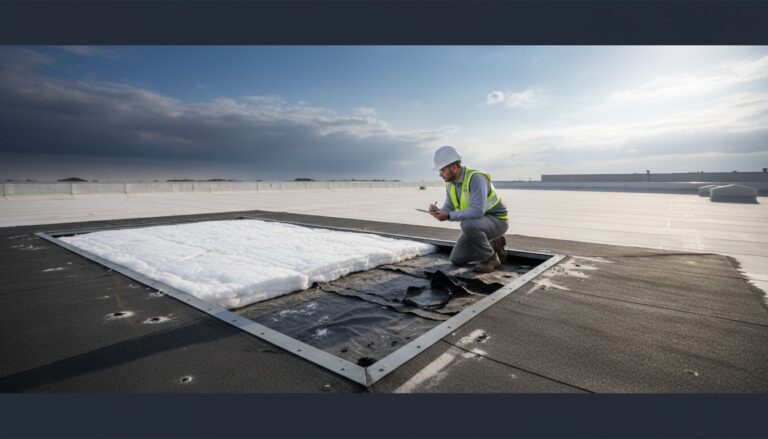
Insulation is dry (confirmed by infrared scan or core samples)
-
The membrane is fully adhered and stable
-
Seams show minor wear, not separation
-
Ponding water is minimal and drains within 24–48 hours
-
Fasteners, curbs, and edge metal are intact or repairable
Many Minnesota property owners choose reflective silicone or acrylic roof coatings to delay replacement while aligning with capital planning, tenant scheduling, or seasonal constraints. But the roof must qualify first.
When Roof Coatings Are a Waste of Money
The most expensive mistake in commercial roofing isn’t replacing too early. It’s coating over hidden failure.
Coatings usually fail prematurely when:
-
Moisture testing reveals saturated insulation
-
Membranes are shrinking or pulling away at parapets
-
Recurring leaks exist in multiple zones
-
Flashings have failed around rooftop units
-
Deck corrosion, rot, or deflection is present
In Minnesota’s climate, trapped moisture expands during freeze-thaw cycles. That movement breaks adhesion from below. Blisters form and seams separate. Leaks travel laterally under the coating. Then you pay for tear-off — plus disposal of the failed coating layer. That’s a double invoice no owner wants.
Minnesota-Specific Risk Factors That Change the Equation
Commercial roof coatings behave differently here than in southern climates.
Snow Load & Ice Backup
Heavy snow hides weaknesses. Ice dams at drains and scuppers force water into vulnerable seams. Drainage correction should happen before any coating is priced.
Hail Damage
Hail can bruise insulation beneath intact membranes. A coating may hide impact damage instead of correcting it. Post-hail moisture scans are critical.
Chronic Ponding
Some silicone products tolerate standing water better than acrylics. But “tolerate” doesn’t mean “designed for.” If water stands for days, slope correction or tapered insulation may be necessary.
Step-by-Step: How to Evaluate a Coating Project Properly
1. Confirm the Roof Is a Legitimate Candidate
Minimum requirements before budgeting:
-
Infrared moisture detection (not just visual inspection)
-
Written repair list separated from coating scope
-
Chemistry compatibility confirmation (TPO, EPDM, metal, mod-bit)
-
Warranty clarity from both contractor and manufacturer
Work with a contractor who installs both coatings and full replacements. That reduces bias toward one solution.
2. Define Surface Preparation in Writing
Surface prep determines success more than the coating brand.
Proper scope should include:
-
Seam and penetration reinforcement
-
Cleaning method per manufacturer spec
-
Adhesion testing
-
Drainage correction where needed
-
Fastener tightening or replacement
A coating that doesn’t bond properly is simply expensive paint.
3. Document Thickness and Conditions
Under-application is one of the most common failure causes.
Protect yourself with:
-
Wet mil thickness checks during install
-
Verified dry film thickness measurements
-
Weather condition documentation (temperature, dew point, cure window)
-
Photo logs and repair records
Then establish a preventative maintenance plan. Inspections twice per year dramatically increase coating lifespan.
Commercial Roof Coatings vs Replacement: How to Compare
Don’t guess. Request both proposals.
Ask for:
Coating proposal
-
Required repairs
-
System thickness
-
Expected service life
-
Warranty length
Replacement proposal
-
System type
-
Tear-off scope
-
Insulation upgrades
-
Warranty term
-
Code compliance upgrades
When repairs start exceeding 25–30% of roof area, replacement often becomes the stronger long-term investment.
FAQ: Commercial Roof Coatings Minnesota
Will a roof coating stop leaks immediately?
It can stop minor leaks after repairs and cure time. It will not reliably fix active, widespread leaks without proper substrate repair first.
What happens if insulation is wet and I coat anyway?
Short-term improvement, then blistering and peeling as moisture expands during freeze-thaw cycles. Energy efficiency drops. Heating costs rise.
Can I coat a roof with ponding water?
Possibly, depending on duration and product type. Chronic ponding usually requires drainage correction before coating.
How long do commercial roof coatings last in Minnesota?
When properly installed over a dry, stable system, 5–15 years is realistic depending on thickness, product type, and maintenance.
If repairs are needed first, is coating off the table?
Not necessarily. Many successful projects include targeted repairs before coating. The key question: can the system be made dry and structurally sound?
Bottom Line for Minnesota Building Owners
Commercial roof coatings in Minnesota are a strategic extension tool — not a rescue plan. They work when the roof is dry, stable, and nearing end-of-life but not failing. They waste money when they hide saturated insulation, unstable membranes, or widespread leakage. If you’re unsure, treat the decision as buying time intentionally — not buying hope.
Need a roof inspection in Saint Paul or the Twin Cities? Call Sellers Roofing Company at +1-651-703-2336 or schedule a free estimate. We are a black-owned, NMSDC-certified MBE roofing contractor with 9+ years experience.