Last updated: 2026-05-26 by Ted Sellers, Owner
Discover Affordable Professional Roof Inspection and Maintenance Plans for Every Budget
Neglecting roof inspections can lead to costly repairs and premature replacements that exceed thousands of dollars annually.
In this guide, you’ll learn how affordable professional roof inspection and maintenance plans for every budget protect your home or business from hidden damage and extend roof lifespan. We’ll examine what makes an inspection professional and vital, compare inspection technologies, break down pricing factors, outline essential maintenance services, distinguish residential versus commercial plans, determine repair versus replacement timing, and guide you in choosing a qualified roofing contractor.
What Is a Professional Roof Inspection and Why Is It Important?
A professional roof inspection is a systematic evaluation of your roofing system conducted by certified inspectors who identify damage, deterioration, and safety hazards before they escalate. By detecting cracked flashing, compromised shingles, or hidden leaks early, inspections support structural integrity and prevent expensive emergency repairs. Recognizing these vulnerabilities lays the groundwork for choosing the right inspection type and maintenance plan that aligns with your budget.
How Does a Professional Roof Inspection Work?
A professional roof inspection combines visual assessment, moisture detection, and structural review to provide a comprehensive condition report.
- Inspectors examine roofing materials, flashing, vents, and gutters for signs of wear or damage.
- Moisture meters or infrared tools detect hidden leaks beneath the surface.
- Photographic documentation and detailed reporting outline required repairs and preventive measures.
This process ensures transparency, creates a baseline for warranty compliance, and sets clear maintenance priorities for long-term protection.
What Are the Key Benefits of Regular Roof Inspections?
Regular roof inspections deliver three primary advantages:
- Early Damage Detection prevents minor issues from evolving into major leaks that compromise insulation and interior finishes.
- Warranty Preservation ensures that documented inspections satisfy manufacturer requirements, keeping warranties valid.
- Extended Roof Lifespan results from timely maintenance steps that reinforce roofing materials and delay full replacement.
Benefits of Professional Roof Inspections
Regular roof inspections help detect damage early, which prevents minor issues from escalating into major problems. They also help in preserving warranties and extending the roof’s lifespan.
This supports the article’s emphasis on the importance of regular roof inspections for early damage detection and warranty preservation.
These benefits work together to reduce overall repair costs and safeguard the value of your property.
How Do Professional Inspections Protect Your Roof Warranty?
Professional inspections provide documented evidence that you followed manufacturer guidelines and industry best practices to maintain your roof. This proof is often required to keep warranties in force and to validate claims in case of material defects or weather damage. By scheduling inspections annually or after major storms, you establish a maintenance record that supports warranty compliance and maximizes future coverage.
What Are the Different Types of Roof Inspections Available?
Roof inspections vary by method, technology, and purpose, offering tailored solutions for different budgets and requirements. Understanding these options helps you balance cost with accuracy and safety, ensuring you choose the most effective inspection type for your property’s needs.
How Do Visual, Drone, and Infrared Roof Inspections Compare?
Below is a comparison of common inspection methods based on cost, accuracy, and accessibility.
Types of Roof Inspections
Roof inspections vary in method, including visual, drone, and infrared inspections. Each method offers different insights and is suited for different needs and budgets. Visual inspections are often the most affordable, while infrared inspections can detect hidden issues.
This supports the article’s comparison of different inspection methods based on cost and accuracy.
Each method provides unique insights: visual inspections fit tight budgets, drones enhance safety on complex roofs, and infrared excels at uncovering concealed leaks, guiding the selection of the right approach for your budget.
When Is a Hail Damage Roof Inspection Necessary?
After hail storms, professional hail damage inspections are crucial to identify impact bruises and microfractures that compromise shingles and underlayment. These inspections typically occur within days of severe weather to meet insurance claim deadlines and to schedule timely repairs that prevent secondary water damage. Prompt assessment maximizes claim approval and reduces long-term restoration costs.
Which Roof Inspection Type Is Most Affordable and Effective?
Visual inspections generally offer the most affordable option at under $300 while effectively identifying visible defects on accessible roofs. However, combining a visual survey with periodic drone flyovers delivers a balance of cost-efficiency and comprehensive coverage. This hybrid approach enhances accuracy without the higher base fee of full infrared scans, ensuring critical issues are detected early.
How Much Does a Roof Inspection Cost and What Affects Pricing?
A professional roof inspection typically costs between $100 and $600 depending on inspection type, property size, and regional labor rates. Understanding the cost components ensures you receive transparent estimates and can compare offers effectively.
What Factors Influence Roof Inspection Pricing?
The following table outlines primary factors that shape pricing for roof inspections.
Factors Influencing Roof Inspection Costs
The cost of a roof inspection is influenced by factors such as roof size, complexity, materials, accessibility, and geographic location. Larger and more complex roofs typically require more time and effort, increasing the cost.
This aligns with the article’s discussion of the factors that affect roof inspection pricing.
These elements combine to form the final inspection quote, guiding budget planning and vendor comparisons with clear cost drivers.
Are Free Roof Inspections Available and When?
Some providers offer free roof inspections when tied to replacement or repair services, enabling homeowners to obtain condition reports at no initial cost. These complimentary assessments typically lead to service agreements for necessary maintenance or repairs. Evaluating free inspection offers requires checking for sales commitments versus standalone diagnostic benefits.
How Can You Get Accurate Roof Inspection Estimates?
To secure precise quotes, provide inspectors with:
- Exact square footage measurements or architectural drawings.
- Roof photographs highlighting pitch angles and access points.
- History of prior repairs and known problem areas.
Request itemized estimates that break down labor, equipment, and diagnostic tools to compare like-for-like proposals and choose the most cost-effective professional service.
What Do Affordable Roof Maintenance Plans Include and Why Are They Essential?

Affordable roof maintenance plans bundle inspections, minor repairs, and cleaning services into predictable packages that protect roofing investments across different budget levels. These plans are essential for preventing moisture penetration, preserving warranties, and maximizing long-term value.
What Services Are Typically Included in Roof Maintenance Plans?
Maintenance plans often encompass the following core services:
- Inspect roof surfaces for signs of wear and damaged materials.
- Clean gutters and downspouts to ensure unobstructed water flow.
- Remove debris that can trap moisture and accelerate deterioration.
- Seal flashing and replace loose shingles to prevent leaks.
- Check ventilation and penetrations for integrity and safety.
Bundled services improve cost predictability and support proactive roof care, reducing the likelihood of emergency repairs.
How Do Preventative Maintenance Plans Save Money Long-Term?
Preventative maintenance plans enhance roof performance by addressing emerging issues before they become emergencies. Regular debris removal and minor repairs reduce the risk of water infiltration, saving an average of 14 cents per square foot annually compared to reactive maintenance. Over a roof’s life cycle, this proactive care can extend service life from 13 to 21 years, delivering substantial return on investment.
Benefits of Preventative Roof Maintenance
Preventative maintenance programs extend the life of a roof and lower the life cycle cost. Routine maintenance includes inspections, cleaning, and minor repairs, which can prevent costly repairs and replacements.
This supports the article’s discussion of the importance of affordable roof maintenance plans.
How Are Maintenance Plans Customized for Different Budgets?
Maintenance plans can be scaled into tiered packages that align services with spending capacity.
Tiered plans allow homeowners and property managers to select the right level of service, ensuring essential care at lower costs or comprehensive coverage for critical properties.
How Do Residential and Commercial Roof Maintenance Plans Differ?
Residential and commercial roofs have distinct design features, traffic demands, and maintenance requirements. Tailoring plans to each sector ensures effective protection and budget alignment.
What Are the Features of Residential Roof Maintenance Plans?
Residential maintenance plans typically include annual or biannual inspections, homeowner-friendly service windows, and guidance on DIY upkeep between professional visits. These plans focus on preserving curb appeal, preventing interior water damage, and maintaining manufacturer warranties on asphalt shingles or tile systems.
What Tailored Solutions Are Offered in Commercial Roof Maintenance Programs?
Commercial roof programs emphasize preventative measures that reduce downtime and protect business operations. Features include heat-welded membrane inspections, energy efficiency assessments, emergency response protocols, and detailed compliance reporting. These services support flat or low-slope roofing systems found on warehouses, office buildings, and retail centers.
How Do Maintenance Plans Address Regional and Climate-Specific Challenges?
Maintenance programs account for local weather patterns and environmental stressors. In hail-prone regions, plans incorporate post-storm impact assessments. Snowbelt properties receive ice dam inspections and roof load evaluations. Sun-exposed areas benefit from UV-resistant coatings and regular sealant replacement. This climate-focused approach ensures that each maintenance plan delivers optimal protection for regional risks.
When Should You Repair or Replace Your Roof?
Deciding between repair and replacement hinges on the extent of damage, roof age, and financial considerations. Timely decisions prevent minor defects from triggering full replacements prematurely.
What Are Common Roof Problems That Require Repair?
Frequent issues that signal repair needs include:
- Active leaks around roof penetrations such as vents, chimneys, and skylights.
- Torn, curled, or missing shingles caused by wind or aging.
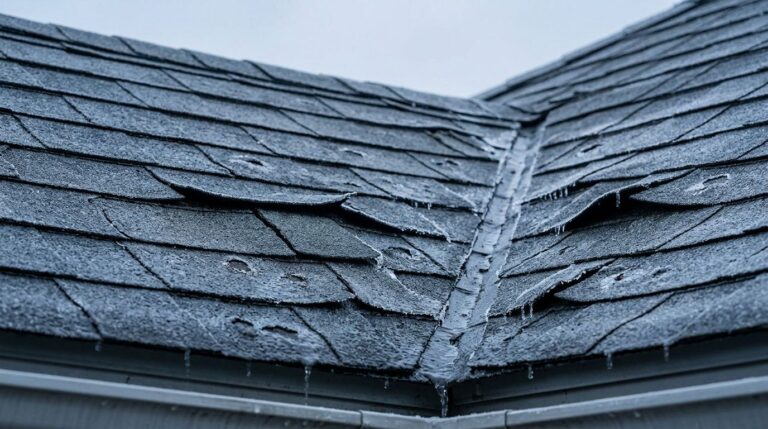
- Rusted or damaged flashing that allows water intrusion.
- Clogged gutters leading to water backup and fascia damage.
Addressing these repairs promptly prevents structural decay and mold growth beneath roofing materials.
How to Decide Between Roof Repair and Replacement?
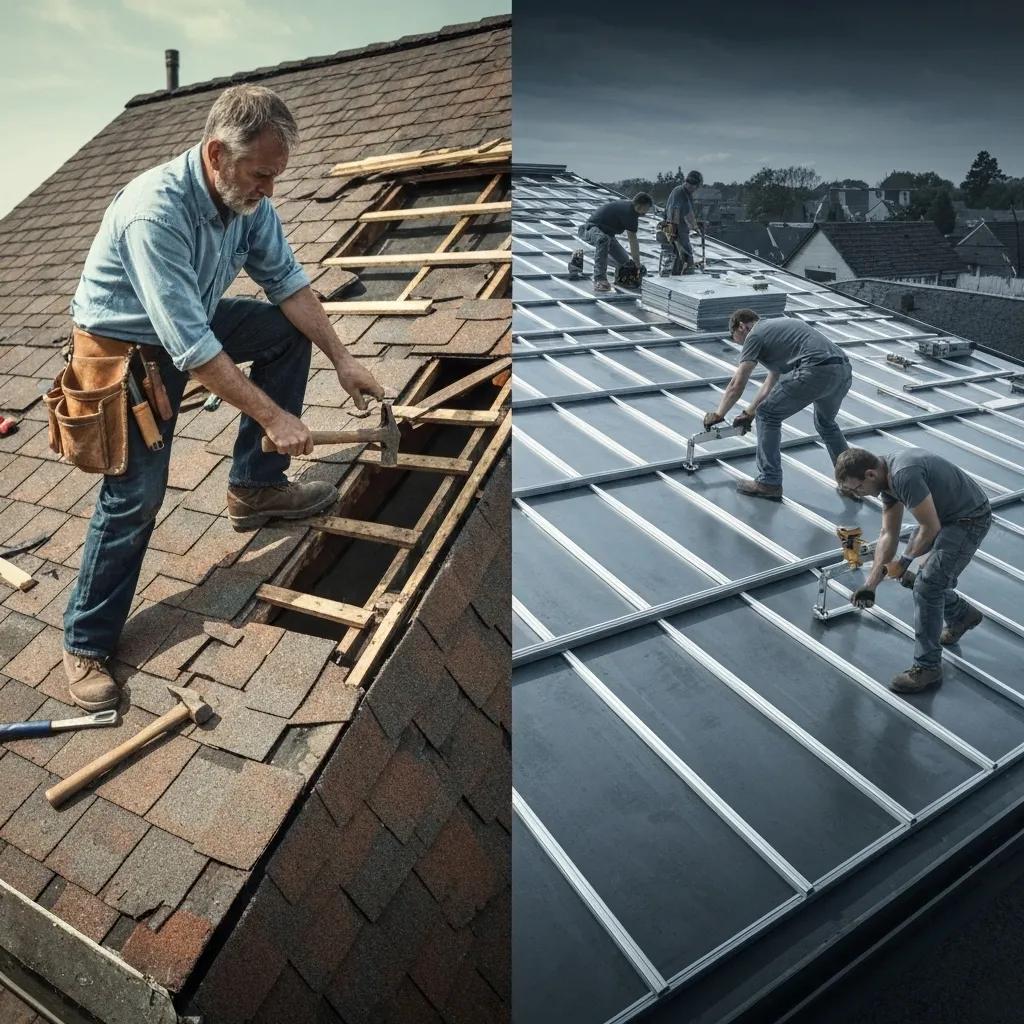
Assess repair versus replacement based on:
- Roof Age – Systems older than 20 years often warrant replacement due to material wear.
- Extent of Damage – Localized issues suit repairs, whereas widespread leaks or sagging indicate replacement.
- Cost Analysis – Compare cumulative repair costs against replacement estimates to identify the most economical path.
Roof Repair vs. Replacement
Deciding between roof repair and replacement depends on the extent of the damage, the roof’s age, and cost considerations. Repair is suitable for minor, localized damage, while replacement is often better for older roofs or widespread issues.
This evaluation ensures you allocate resources strategically and maximize roof longevity.
What Emergency Roof Repair Services Are Available?
Emergency repair services respond to storm damage, fallen debris, or sudden leaks with rapid tarping, temporary patching, and safety stabilization. These services include 24/7 hotline access, on-site assessments within hours, and expedited scheduling to protect interiors from water damage until permanent repairs are scheduled.
How to Choose a Professional Roofing Contractor for Inspections and Maintenance?
Selecting a qualified contractor ensures high-quality inspections, maintenance compliance with industry standards, and reliable follow-through on repairs. The right professional partner enhances trust, safety, and roof performance.
What Credentials and Experience Should You Look For in a Roofing Contractor?
Seek contractors who hold:
- State or local roofing licenses that validate legal compliance.
- Manufacturer certifications for specific roofing materials ensuring proper installation.
- Insurance coverage, including worker’s compensation and liability protection.
Reviewing portfolio projects and client testimonials confirms real-world expertise and service quality.
What Questions Should You Ask Your Roof Inspector?
Before contracting services, inquire about:
- The scope of inspection and included diagnostic tools.
- The format and detail level of the inspection report.
- Warranty and guarantee terms for both inspection and maintenance work.
These questions clarify service expectations and establish accountability from the outset.
How Do Roofing Warranties Relate to Maintenance Requirements?
Most roofing warranties require documented maintenance visits at specified intervals to remain valid. By following manufacturer-recommended inspection schedules and maintenance procedures, you preserve warranty coverage for material defects. This relationship underscores the importance of selecting a contractor who provides clear maintenance documentation.
Roof protection starts with expert inspection and continues through tailored maintenance plans for every budget—arming you with the knowledge to preserve your investment and avoid costly surprises.
Need a roof inspection in Saint Paul or the Twin Cities? Call Sellers Roofing Company at +1-651-703-2336 or schedule a free estimate. We are a black-owned, NMSDC-certified MBE roofing contractor with 9+ years experience.