Last updated: 2026-05-26 by Ted Sellers, Owner
Roof damage can cost homeowners thousands if left unchecked, yet deciding whether to embrace DIY roof care or enlist professional services introduces a complex balance of cost, safety, and long-term roof health.
This guide empowers homeowners with actionable insights on DIY roof care advantages, the value of licensed contractors, direct cost–safety–quality comparisons, a decision-making framework, contractor selection tips, maintenance scheduling, and answers to the most pressing homeowner questions. You’ll learn how to optimize your time and budget, protect warranties, and extend roof lifespan through informed choices.
What Are the Advantages and Disadvantages of DIY Roof Care?
DIY roof care refers to maintenance and repair tasks performed by homeowners without professional assistance to save on labor costs, gain flexibility, and build hands-on skills.
While performing simple tasks yourself can reduce expenses and fit your schedule, it also carries risks like improper workmanship and potential warranty voiding.
In the following sections, we’ll explore cost-saving benefits, safety and quality concerns, and which tasks are appropriate for self-service before comparing these factors with professional roofing.
What Are the Cost Savings and Flexibility Benefits of DIY Roof Maintenance?
DIY roof maintenance improves budget control by eliminating labor fees, promoting material selection freedom, and allowing scheduling on your own terms.
- Lower Upfront Material Costs – Buying shingles or sealants retail typically costs 20–30% less than bundled contractor packages.
- Flexible Timing – Homeowners can clean gutters or replace single shingles at convenient times, avoiding contractor availability constraints.
- Learning Experience – Hands-on repairs build skills that support future upkeep, reducing dependence on external services.
These cost and scheduling advantages can improve cash flow for minor tasks, but they also introduce safety hazards that demand careful attention.
What Safety Risks and Quality Concerns Are Associated with DIY Roof Repairs?
DIY roof repairs carry inherent safety hazards and workmanship challenges that can undermine both crew wellbeing and roof integrity.
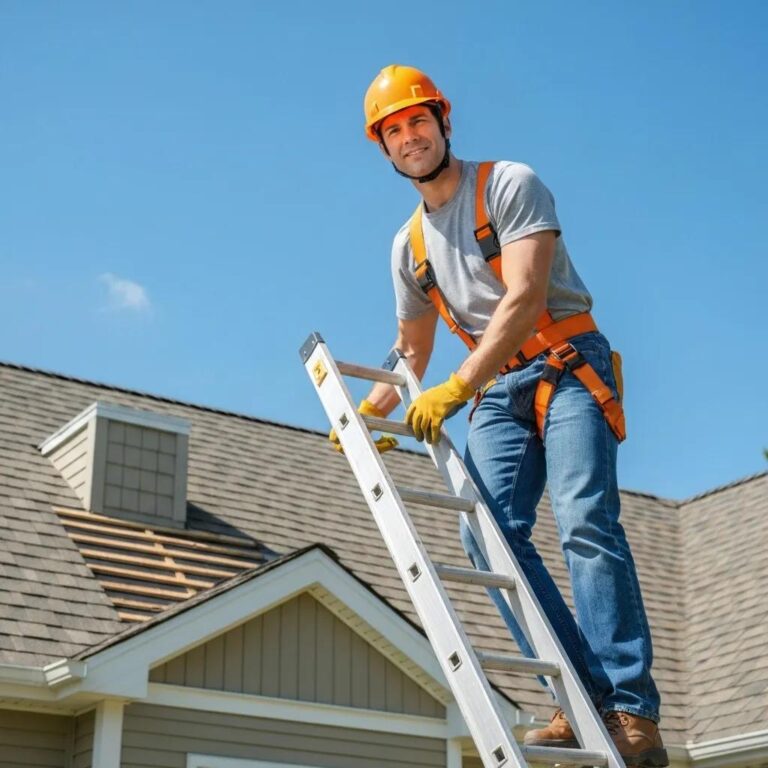
- Fall Hazards – Lack of fall-arrest systems increases risk of injuries; rooftop edges and steep pitches demand proper harnesses.
OSHA Requirements for Rooftop Work
OSHA mandates fall protection for workers on roofs six feet or more above a lower level, emphasizing the use of guardrails, safety nets, or personal fall arrest systems to prevent accidents.
- Improper Installation – Misaligned shingles, inadequate flashing, and incorrect sealant application can lead to leaks and structural damage.
- Warranty Voiding – Many manufacturer warranties require professional installation; unlicensed work may void coverage.
These risks highlight why some tasks exceed DIY competence and require professional expertise to ensure durable, code-compliant results.
Which Roof Care Tasks Are Suitable for DIY and When Is It Safe to DIY?
Homeowners can safely undertake lower-risk, routine maintenance activities when equipped with basic tools and following safety guidelines. The table below outlines common DIY tasks, their complexity, and required precautions.
By focusing on these manageable tasks and adhering to safety protocols, homeowners can maintain roof health without unnecessary risk, while reserving complex repairs for trained professionals.
Why Should Homeowners Consider Professional Roofing Services?
Professional roofing services encompass licensed, insured contractors who deliver comprehensive inspections, repairs, and replacements. With specialized training, proper equipment, and warranty backing, these experts promote safety, compliance, and long-term roof performance. In the next sections, we’ll examine the principal benefits, potential drawbacks, and scenarios where professional involvement is essential.
What Are the Key Benefits of Hiring a Professional Roofing Contractor?
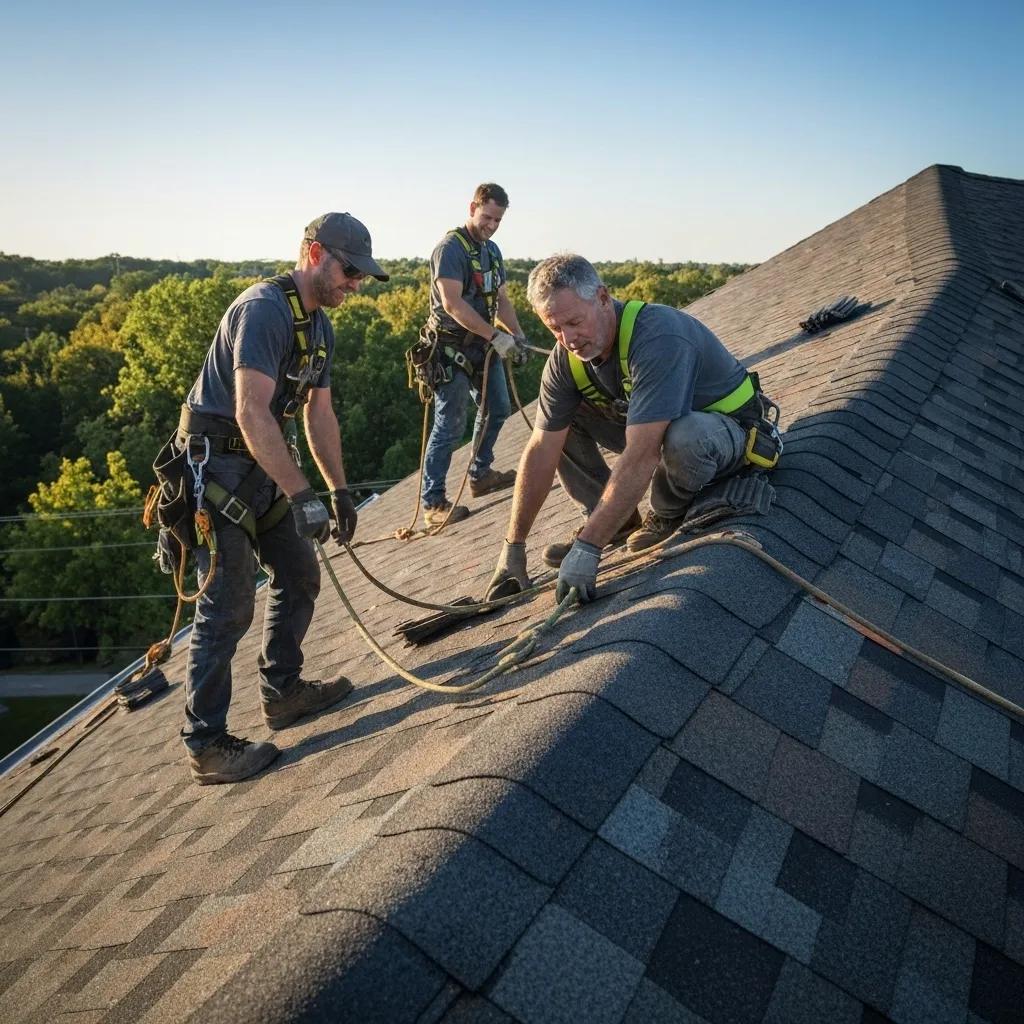
Engaging a professional roofing contractor improves job quality and reduces homeowner liability through:
- Expertise and Certification – Trained roofers follow manufacturer guidelines to enhance shingle adhesion and flashing integrity.
- Enhanced Safety – Contractors deploy fall-protection gear and scaffold systems, minimizing accident rates.
- Warranty Protection – Professional installation preserves material and workmanship warranties, supporting future claims.
- Time Efficiency – Dedicated crews complete projects faster, reducing exposure to weather conditions.
- Insurance Assistance – Licensed roofers provide documentation to streamline insurance claim approvals for storm damage.
These advantages support long-term roof durability and minimize unexpected repair costs.
What Are the Potential Drawbacks of Professional Roof Care?
While professional services elevate quality and safety, homeowners may encounter:
- Higher Upfront Cost – Labor rates and contractor overhead add 30–50% to material expenses.
- Scheduling Delays – Peak season demand can lead to multi-week wait times for inspections and repairs.
- Limited Control – Contractors specify materials and methods, reducing DIY customization.
Awareness of these trade-offs helps in budgeting and setting realistic timelines for roof projects.
When Is It Essential to Hire a Professional Roofer?
Complex roof conditions and critical damage scenarios require licensed professionals:
- Structural Damage – Sagging deck, compromised rafters, or water-logged decking demand expert assessment.
- Active Leaks – Persistent water intrusion can lead to mold growth and interior damage, necessitating prompt professional repair.
- Steep or Multi-Level Roofs – Pitches above 6/12 create fall hazards that exceed homeowner safety measures.
- Warranty Requirements – Manufacturer or insurance policies often mandate professional work for valid coverage.
Identifying these conditions ensures safe, compliant repairs that protect your home’s value.
How Do DIY and Professional Roof Care Compare on Cost, Safety, and Quality?
To choose the ideal approach, homeowners must weigh initial savings, risk exposure, and the long-term value proposition. This section provides a direct comparison across key metrics.
What Are the Short-Term and Long-Term Cost Implications of DIY vs. Professional Repairs?
Comparing immediate expenses with downstream benefits reveals the true financial impact of each method.
How Do Safety Risks Differ Between DIY and Professional Roof Work?
Safety risk assessment hinges on training, equipment, and liability coverage.
- DIY crews often lack harnesses, scaffolding, and fall arrest systems, elevating injury potential.
- Professional teams follow OSHA guidelines, carry liability insurance, and use specialized tools to minimize accidents.
Implementing appropriate safety measures correlates directly to reduced injury rates and project interruptions.
How Do Quality, Durability, and Warranty Coverage Compare?
Quality outcomes influence roof performance, while durability and warranty protection safeguard long-term investment.
- DIY Work can result in uneven shingle placement, improper sealing, and accelerated wear, shortening roof life.
- Professional Services ensure consistent installation, high-grade materials, and valid manufacturer warranties that cover defects and premature deterioration.
Roofing Warranties Explained
Roofing warranties typically cover material defects and workmanship, with manufacturer warranties covering materials and contractor warranties covering installation. Regular maintenance is often required to keep the warranty valid.
Prioritizing quality reduces the likelihood of leaks and structural issues, promoting sustained roof health.
How Can Homeowners Decide Between DIY and Professional Roof Care?
Selecting the right approach demands systematic evaluation of personal capabilities and roof characteristics. The following criteria guide your choice.
What Factors Should Influence Your Choice: Skill, Time, Budget, and Roof Condition?
Homeowners should consider:
- Skill Level – Comfort with heights, tool proficiency, and roofing knowledge.
- Available Time – Weekends versus multi-day project windows and weather windows.
- Budget Constraints – Immediate savings versus potential hidden costs of errors.
- Roof Condition – Age, pitch, material type, and extent of damage.
Balancing these factors leads to a tailored maintenance or repair plan that aligns with your priorities.
How Does Roof Type and Damage Severity Affect the Decision?
Different roofing materials and damage levels shift the DIY vs. professional threshold.
Matching repair complexity with professional skill ensures the longevity and performance of your specific roof system.
What Does a DIY or Professional Roof Care Decision Flowchart Look Like?
A clear step-by-step checklist guides homeowners through decision points:
- Assess Damage – Identify leaks or missing shingles.
- Evaluate Safety – Determine pitch steepness and access hazards.
- Estimate Skills – Compare required tools and techniques with personal experience.
- Check Warranty – Review maintenance conditions in warranty documentation.
- Decide and Plan – Opt for DIY for simple, safe tasks; hire professionals for high-risk or warranty-critical work.
Following this flow promotes objective decision-making and reduces costly missteps.
How Do You Choose a Reliable Professional Roofing Contractor?
Selecting a qualified roofer enhances quality and protects your interests. The process involves diligent research and scrutiny of credentials.
What Are the Essential Steps to Find and Hire a Qualified Roofer?
Homeowners should:
- Verify Licensing and Insurance – Confirm active contractor license and liability insurance.
Roofing License Requirements by State
Many states require roofing contractors to be licensed, with specific requirements including experience, examinations, and insurance. For example, California requires a C-39 Roofing Contractor license, demonstrating the need for qualified professionals.
This highlights the importance of hiring licensed professionals, as discussed in the article, to ensure compliance with state regulations.
- Check References and Reviews – Request past client contacts and consult reputable review platforms.
- Obtain Written Estimates – Compare detailed proposals that separate labor, materials, and timelines.
- Review Warranties – Ensure coverage for both workmanship and materials.
Completing these steps builds confidence in your contractor’s reliability and professionalism.
What Red Flags Should Homeowners Watch for When Hiring a Contractor?
Be wary of:
- Large Upfront Deposits – Reputable roofers split payments by project milestones.
- Unverified Insurance Claims – Always request proof of coverage directly from the insurer.
- Vague Contracts – Contracts lacking clear scope, timelines, or warranty details signal risk.
- Poor Communication – Delayed responses or evasive answers can indicate future project delays.
Identifying these warning signs protects against substandard workmanship and financial losses.
How Should You Understand and Compare Roofing Quotes and Contracts?
Analyzing proposals requires focusing on:
- Line-Item Pricing – Separate material costs, labor hours, and permit fees for clear comparison.
- Warranty Terms – Duration and conditions for workmanship and material guarantees.
- Payment Schedule – Milestone-based payments tied to project progress.
A systematic comparison promotes transparency and helps you select the best value provider.
How Can Regular Maintenance and Inspections Extend Roof Lifespan?
Proactive upkeep prevents small issues from escalating, supporting peak roof performance and warranty compliance. Regular attention saves substantial repair costs over time.
What Does a Balanced Roof Maintenance Schedule Look Like for Homeowners?

A structured schedule includes:
- Biannual Inspections – Spring and fall checks to detect early wear.
- Quarterly Debris Removal – Clearing leaves, moss, and branches to prevent water pooling.
- Annual Gutter Cleaning – Ensuring unobstructed drainage and preventing soffit damage.
Roof Maintenance Schedule
A balanced roof maintenance schedule includes biannual inspections (spring and fall), quarterly debris removal, and annual gutter cleaning to extend roof lifespan and prevent costly repairs.
Adopting this rhythm strengthens your roof’s resilience against weather extremes and aging.
What Are the Benefits of Professional Roof Inspections?
Professional inspections offer:
- Early Damage Detection – Infrared scans and moisture meters reveal hidden leaks.
- Detailed Condition Reports – Photographic documentation supports insurance claims.
- Compliance Verification – Inspections confirm adherence to local building codes and warranty requirements.
Incorporating expert assessments enhances roof health and streamlines claim processes after storms.
How Can Proper Maintenance Protect Your Roof Warranty?
Manufacturers often require documented upkeep and licensed repairs to honor warranties. Key actions include:
- Scheduling professional inspections at least once every two years.
- Keeping maintenance logs with dates, tasks performed, and photographic evidence.
- Avoiding unauthorized alterations or unlicensed repairs that can void coverage.
Meeting these conditions preserves warranty validity and safeguards your investment.
What Are the Most Common Questions Homeowners Ask About DIY vs. Professional Roof Care?
Homeowners frequently seek clear comparisons of cost, risk, and warranty implications to inform their decisions. Below are concise answers to these top questions.
Is DIY Roof Repair Cheaper Than Hiring a Professional?
DIY roof repair typically costs $100–$300 for materials only, compared with $300–$1,000 for a professional patch job. While DIY saves labor fees, mistakes may lead to repeated repairs and higher long-term expenses.
What Are the Main Risks of DIY Roof Repair?
The principal risks include fall injuries due to lack of proper safety equipment, improper shingle installation causing leaks, and voided manufacturer warranties that require licensed installation for valid coverage.
When Should You Always Hire a Professional Roofer?
Always engage a professional for steep-pitch or multi-level roofs, structural deck repairs, active water infiltration, and projects tied to warranty compliance to avoid safety hazards and preserve coverage.
How Do You Know If Your Roof Warranty Is Still Valid?
Review your warranty documentation for conditions requiring licensed installation and regular inspections. Check maintenance logs for proof of care, and consult the manufacturer or contractor if any repair work history is unclear.
Roof upkeep demands a strategic approach balancing cost, safety, and quality. By evaluating your skill set, time availability, and roof condition, you can choose between DIY roof care and professional services to optimize both short-term savings and long-term performance.
Need a roof inspection in Saint Paul or the Twin Cities? Call Sellers Roofing Company at +1-651-703-2336 or schedule a free estimate. We are a black-owned, NMSDC-certified MBE roofing contractor with 9+ years experience.