Last updated: 2026-05-26 by Ted Sellers, Owner
Essential Tools for Effective Roof Maintenance: Complete Guide for Safety, Inspection, Repair, and Cleaning Regular roof maintenance relies on the right set of essential tools to ensure safety, detect damage, execute repairs, and maintain cleanliness effectively. Neglecting proper equipment can lead to dangerous falls, undetected leaks, and costly structural damage.
This guide delivers actionable insights on four core themes—safety gear, inspection instruments, repair tools, and cleaning systems—while also covering specialized flat‐roof equipment, DIY versus professional decisions, and emerging technologies. By mastering these tools for effective roof maintenance, homeowners and contractors can safeguard their investment and extend roof lifespan.
What Are the Essential Safety Gear and Equipment for Roof Maintenance?
Essential safety gear refers to personal protective equipment and fall protection systems required to minimize injury risk when working at heights. Without reliable harnesses, non-slip footwear, and helmet protection, falls become the leading cause of severe roof work accidents. For instance, a correctly anchored safety harness can arrest a fall within inches, preventing serious injury on steep slopes.
Essential Safety Gear for Roof Maintenance
This source emphasizes the importance of safety gear for roofers, which directly supports the article’s focus on safety equipment.
Why Is Safety Gear Crucial for Roof Maintenance?
Safety gear prevents falls, reduces injury severity, and ensures compliance with industry standards. A safety harness prevents a worker from striking the ground after a slip, while non-slip boots maintain traction on wet or inclined surfaces. Consistent use of helmets and gloves protects against falling debris and sharp edges, reinforcing a proactive safety-first approach that underpins all subsequent maintenance tasks.
What Are the Key Roof Safety Tools Every Homeowner and Contractor Needs?
The following list outlines essential personal protective equipment required before accessing a roof:
- Safety harness with shock-absorbing lanyard to arrest falls effectively.
- Non-slip roofing boots designed for traction on sloped and wet surfaces.
- Hard hat with chin strap to protect against overhead impacts.
- Work gloves with reinforced palms for secure grip and cut resistance.
- Roof brackets and toe boards for creating stable platforms on steep pitches.
How Do You Properly Use Safety Harnesses, Non-Slip Boots, and Hard Hats?
Using a safety harness correctly requires anchoring to a secure roof anchor point above the user. Always adjust the harness straps to fit snugly around shoulders and hips before connecting the lanyard to the anchor.
Non-slip boots should be laced fully and inspected for worn treads prior to climbing.
Hard hats must sit level on the head, with the chin strap fastened to prevent dislodging during movement.
Proper use of these items transforms risky roof access into a controlled environment for maintenance operations.
What Ladder Safety Equipment and Roof Brackets Ensure Secure Access?
Positioning an extension ladder on firm, level ground and using ladder stabilizers enhances side-to-side stability. Roof brackets—metal supports that hook onto rafter tails—create a temporary work platform with a toe board to prevent slipping. Pairing stabilizing feet and ladder-leveling jacks secures the ascent, enabling a safe transition onto the roof surface and reducing fall hazards while inspecting or repairing shingles.
Which Tools Are Best for Thorough Roof Inspection and Damage Detection?
Thorough roof inspection tools include equipment that reveals visible and hidden defects, ensuring comprehensive condition assessment. By combining simple devices with advanced imaging technologies, property owners can detect issues before they escalate into leaks or structural failures.
Roof Inspection Tools and Techniques
This source provides a list of essential tools for roof inspections, which aligns with the article’s discussion of inspection instruments.
What Are the Must-Have Roof Inspection Tools for Homeowners?

A safe roof evaluation starts with an extension ladder tall enough to reach eaves comfortably. A high-lumen flashlight illuminates dark valleys and soffits, while binoculars allow external inspection from the ground. A sturdy tape measure helps quantify damage areas and spacing, and a smartphone or digital camera documents cracked shingles and flashing gaps for accurate follow-up reporting.
How Do Moisture Meters and Thermal Imaging Cameras Detect Hidden Roof Problems?
The table below compares moisture meters and thermal imaging cameras used to identify concealed roof issues:
Moisture meters detect elevated water content within roof materials, while thermal cameras reveal heat loss patterns that often signal water intrusion or insulation gaps. Each instrument deepens the inspection process by uncovering defects invisible to the naked eye.
When and How Should Drones Be Used for Roof Inspections?
Drones equipped with high-resolution cameras and GPS flight paths provide a safe, efficient method for capturing aerial roof imagery. Before deployment, ensure local regulations permit drone operation and confirm clear weather conditions. Autonomous hover capabilities let operators focus on scanning gutters, valleys, and protrusions without risking ladder climbs. Drone inspections complement ground-based assessments by delivering comprehensive photo logs and thermal overlays for remote analysis.
What Documentation Tools Help Record Roof Condition Accurately?
Accurate documentation requires a combination of digital camera for high-quality images, a notepad for written observations, and a tape measure to record precise dimensions of damaged areas. Using time-stamped photos and organized notes creates a reliable maintenance log that supports repair planning and warranty claims, enabling stakeholders to track condition changes over time.
What Are the Most Effective Tools for DIY Roof Repair and Maintenance?
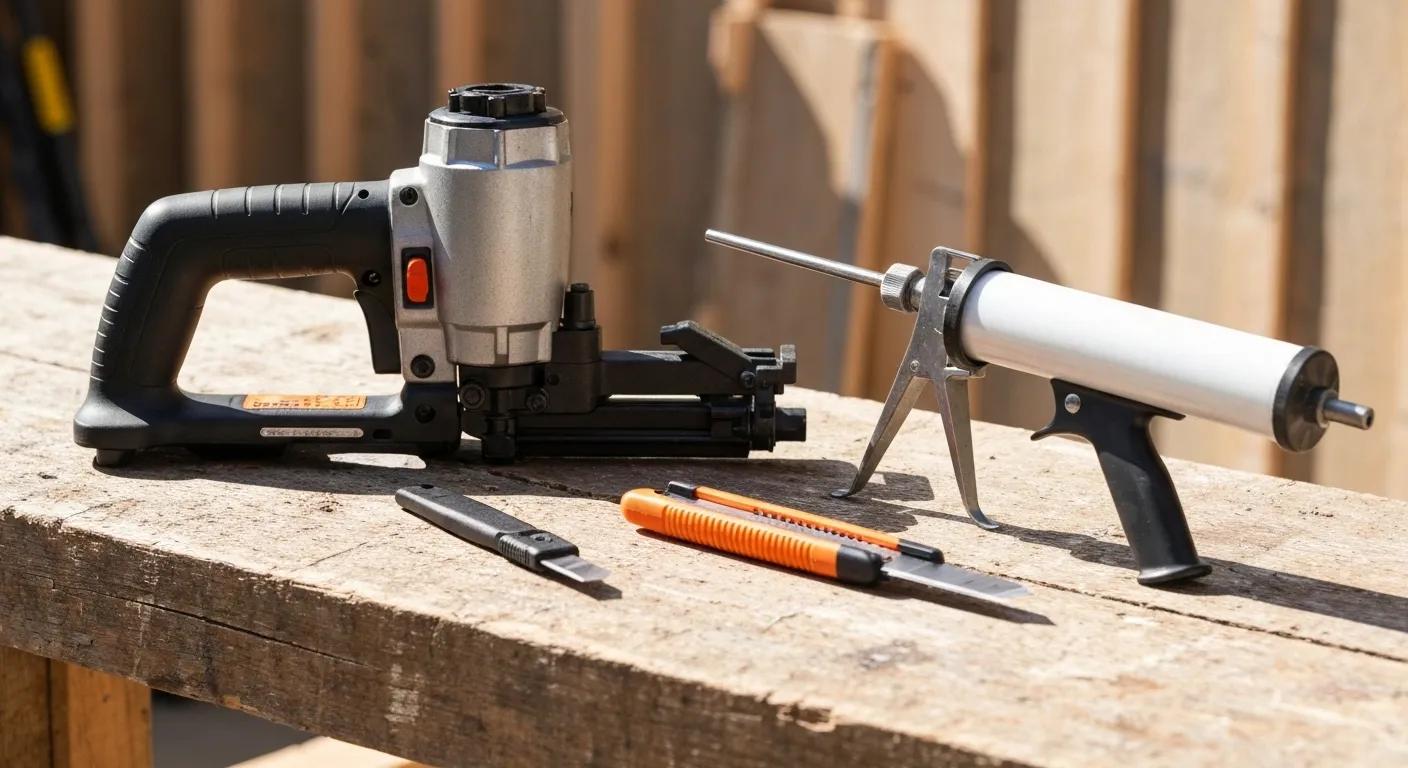
DIY roof repair tools empower homeowners to address common issues promptly and cost-effectively. With the right combination of cutting, fastening, and sealing instruments, minor damage can be resolved before escalating into major leaks.
DIY Roof Repair Safety and Best Practices
DIY roof repairs can be safe if correct guidelines are followed, but it’s essential to prioritize personal safety. The article highlights the importance of using secure ladders, stable footwear, and fall protection when needed.
This source supports the article’s discussion of DIY roof repair by emphasizing safety measures and equipment.
How Does a Roofing Hammer and Roofing Nailer Facilitate Shingle Repair?
A roofing hammer integrates a rounded hatchet head for driving nails and a claw for prying up damaged shingles. It repairs individual shingles by setting nails beneath overlapping tabs without tearing the underlayment. A roofing nailer—pneumatic or cordless—drives consistent nails at the correct angle and depth, speeding up replacement of multiple shingles while preserving roof integrity.
What Are the Uses of Utility Knives, Caulking Guns, and Pry Bars in Roof Repair?
Utility knives cut old flashing and asphalt shingles with precision, enabling clean edge trimming around vents and chimneys. Caulking guns dispense sealant into joints and seams to block water infiltration under shingles and around roof penetrations. Pry bars gently lift adjacent shingles for safe removal of damaged sections, preventing collateral tearing and preserving the surrounding roofing system.
When Should Tin Snips and Roofing Cement Be Used for Flashing and Leak Repairs?
Tin snips are essential for cutting sheet metal flashing to size around vents, valleys, and edge drip components. After custom-fitting metal pieces, apply roofing cement beneath flashing overlaps to create a watertight barrier. Roofing cement fills nail holes, cracks, and seam gaps where water tends to penetrate, ensuring durable leak repair for both low-slope and pitched roofs.
How to Choose Between Pneumatic and Cordless Nailers for Roof Repairs?
Comparing pneumatic and cordless nailers helps determine the best option for a given project:
Pneumatic nailers offer faster cycle rates ideal for large-scale projects when an air compressor is available. Cordless models grant complete freedom of movement and simplify setup, making them well-suited for smaller repairs or roofs with complex access constraints.
Which Tools Are Essential for Effective Roof Cleaning and Gutter Maintenance?
Roof cleaning and gutter maintenance tools safeguard water flow and prevent debris-related damage. Proper equipment ensures safe removal of organic buildup, preserving shingle integrity and structural health.
Gutter Maintenance and Roof Protection
This source supports the article’s discussion of gutter maintenance by highlighting its importance in protecting the roof.
What Are the Best Tools for Removing Debris from Roofs and Gutters?
A roof rake with an extendable handle removes loose leaves and pine needles without climbing onto the roof deck. A leaf blower clears lightweight debris from valleys and gutters efficiently. For stubborn clogs, a gutter cleaning kit featuring scoops, hook-adapters, and telescoping poles prevents obstruction and water backup.
How Do Soft Wash Systems and Low-Pressure Washers Protect Roof Surfaces?
Soft wash systems use specialized nozzles and diluted cleaning solutions to dissolve algae, moss, and stains without excessive force. Low-pressure washers maintain a gentle water stream that avoids granular loss on asphalt shingles. Together, these methods remove biological contaminants safely while preserving shingle granules and surface coatings.
When Should Telescopic Brushes and Biodegradable Cleaners Be Used?
Telescopic brushes equipped with non-abrasive bristles enable targeted scrubbing of streaked areas from the ground or ladder without damaging shingles. Biodegradable cleaners break down organic growth with eco-friendly formulas that rinse harmlessly into landscaping. Use these tools when roof discoloration affects curb appeal or contributes to material deterioration.
What Are the Components of a Complete Gutter Cleaning Kit for Roof Maintenance?
A comprehensive gutter cleaning kit includes a sturdy scoop for dislodging compacted debris, a gutter screen removal tool to lift protective guards, an extendable pole for reaching high eaves, and a brush attachment for final rinsing. This set of instruments streamlines debris clearance, preventing water overflow and foundation damage while minimizing ladder repositioning.
A well-equipped gutter cleaning kit reduces clog-related stress on roof drainage systems and primes the structure for subsequent washing or inspection tasks.
How Do Specialized Tools Support Flat Roof and Advanced Roof Maintenance?
Flat roofs and specialty materials require niche instruments for membrane repairs and precision measurements. Advanced tools enhance accuracy, speed, and longevity when standard methods fall short.
Flat Roof Maintenance and Inspection
Flat roofs require regular maintenance to prevent leaks and damage. Regular inspections, debris removal, and proper drainage are key to extending the service life of flat roofs.
This source provides information on flat roof maintenance, which aligns with the article’s section on specialized tools for flat roofs.
What Are the Key Tools for Flat Roof Maintenance and Membrane Repair?
Flat roof repairs often use seam rollers to press patches firmly against existing membrane substrates. Specialized seam tools weld modified bitumen layers at joints using heat or adhesive. A notched squeegee spreads sealant evenly across field patches, ensuring uniform adhesion and watertight seals that withstand ponding water.
How Do Magnetic Pickup Tools and Laser Measuring Devices Improve Roof Work?
Magnetic pickup tools retrieve dropped nails and metal fragments from shingle surfaces, preventing punctures and debris buildup. Laser measuring devices deliver exact length, width, and slope measurements within seconds, replacing manual tape methods and reducing human error. Both instruments streamline cleanup and layout planning, boosting overall project efficiency.
What Role Do Moisture Meters and Thermal Cameras Play in Advanced Roof Inspections?
Advanced moisture meters and thermal cameras continue to anchor flat roof condition assessments by identifying localized wet spots and insulation failures before they manifest as leaks. These technologies integrate seamlessly with drone surveys and manual inspections, forming a layered diagnostic approach that preserves flat roof integrity.
When Should You Use DIY Roof Repair Tools Versus Hiring a Professional Contractor?
Deciding between DIY and professional intervention depends on safety complexity, required expertise, and potential risks. Proper choice prevents misapplication, further damage, and hidden liability concerns.
What Roof Maintenance Tasks Are Safe and Effective for DIY Enthusiasts?
Homeowners can safely handle tasks such as clearing debris, inspecting for cracked shingles, replacing a handful of damaged shingles, sealing minor flashing gaps, and cleaning gutters. These activities require basic tools like rakes, utility knives, caulking guns, and simple harness setups that minimize overhead risk.
Which Roof Repairs Require Professional Tools and Expertise?
Complex roof projects—such as full re-roof installations, structural decking replacement, intricate flashing around chimneys and skylights, and extensive membrane restorations—demand specialized equipment, certified fall‐protection systems, and contractor-level skill sets. Professionals bring hydraulic lifts, commercial-grade automatic nailers, and OSHA‐compliant harness systems, ensuring safety and code compliance.
How Does Proper Tool Use Prevent Costly Roof Repairs and Extend Roof Lifespan?
Using the right tool for each maintenance task reduces collateral damage and addresses problems at their source. For example, a precision moisture meter detects leaks before wood rot develops, and a correctly applied sealant prevents water ingress at seams. Quality tools ensure that minor issues do not escalate into major structural failures, directly supporting roof longevity and lowering long-term repair expenses.
What Are the Latest Trends and Technologies in Roof Maintenance Tools?
Roof maintenance tools continue to evolve with smart systems, eco-friendly innovations, and data-driven insights that streamline inspections and repairs for the modern professional and DIYer alike.
How Are Drones and Smart Sensors Revolutionizing Roof Inspections?
Drones equipped with LiDAR, multispectral sensors, and autonomous flight planning deliver detailed 3D roof maps and thermal profiles within minutes. Smart rooftop sensors monitor moisture, temperature, and structural movement in real time, alerting stakeholders to developing issues long before conventional inspections detect visible signs.
What Eco-Friendly Tools and Materials Are Emerging for Sustainable Roof Maintenance?
Green innovations include biodegradable cleaning agents, solar-powered pressure washers, recycled plastic roof rakes, and algae-resistant coatings formulated with eco-friendly additives. These tools and materials reduce environmental impact while maintaining performance, supporting sustainable building practices.
How Does Investing in Quality Tools Improve Safety and Long-Term Savings?
High-grade tools incorporate advanced safety features, ergonomic designs, and durable materials that enhance user protection and productivity. Investing in professional-level equipment yields fewer replacement costs, lower accident rates, and faster project completion—delivering significant savings and value over the roof’s service life.
Equipping a roof maintenance kit with quality tools enables proactive care, prevents emergencies, and fosters confidence in every inspection and repair task, ultimately preserving roof integrity and sheltering building occupants for years to come.
Need a roof inspection in Saint Paul or the Twin Cities? Call Sellers Roofing Company at +1-651-703-2336 or schedule a free estimate. We are a black-owned, NMSDC-certified MBE roofing contractor with 9+ years experience.