Last updated: 2026-08-01 by Ted Sellers, Owner
Yes. Summer heat can dry and stiffen asphalt shingles in Minnesota, making older shingles more likely to crack, curl, or lose granules. Heat usually is not the only cause. Age, poor attic ventilation, hail impacts, winter freeze-thaw movement, and past installation issues often weaken the roof first. A hot July day then exposes the problem.
Minnesota roofs take a hard swing between winter cold and summer sun. That repeated expansion and contraction can turn a small weak spot into an open crack.
Key Takeaways
What property owners should remember
- Heat can make aging asphalt shingles brittle, but sudden cracks often have more than one cause.
- Poor attic ventilation raises shingle temperatures and can shorten roof life.
- Hail, wind, and ice damage can look similar to heat wear, so the roof needs a close inspection.
- A storm-created crack may support a roof insurance claim. Ordinary aging usually does not.
- Flat commercial systems react to heat differently than shingle roofs and need system-specific evaluation.
When This Applies
Heat-related shingle damage is most likely on older roofs
This applies to Minnesota homes with asphalt shingles that are near the end of their expected service life, have dark roof colors, limited attic airflow, or repeated repair history. It also applies after a hot stretch followed by a cool night or heavy rain.
Shingles expand under direct sun. They contract as temperatures fall. New shingles can flex through that movement. Older shingles lose oils and flexibility over time. Their asphalt layer becomes dry, and the surface can split around nail holes, tabs, valleys, pipe boots, and flashing.
A south-facing slope often shows damage first. It gets the longest daily sun exposure. A roof over a poorly vented attic can run hotter than a similar roof with balanced intake and exhaust ventilation.
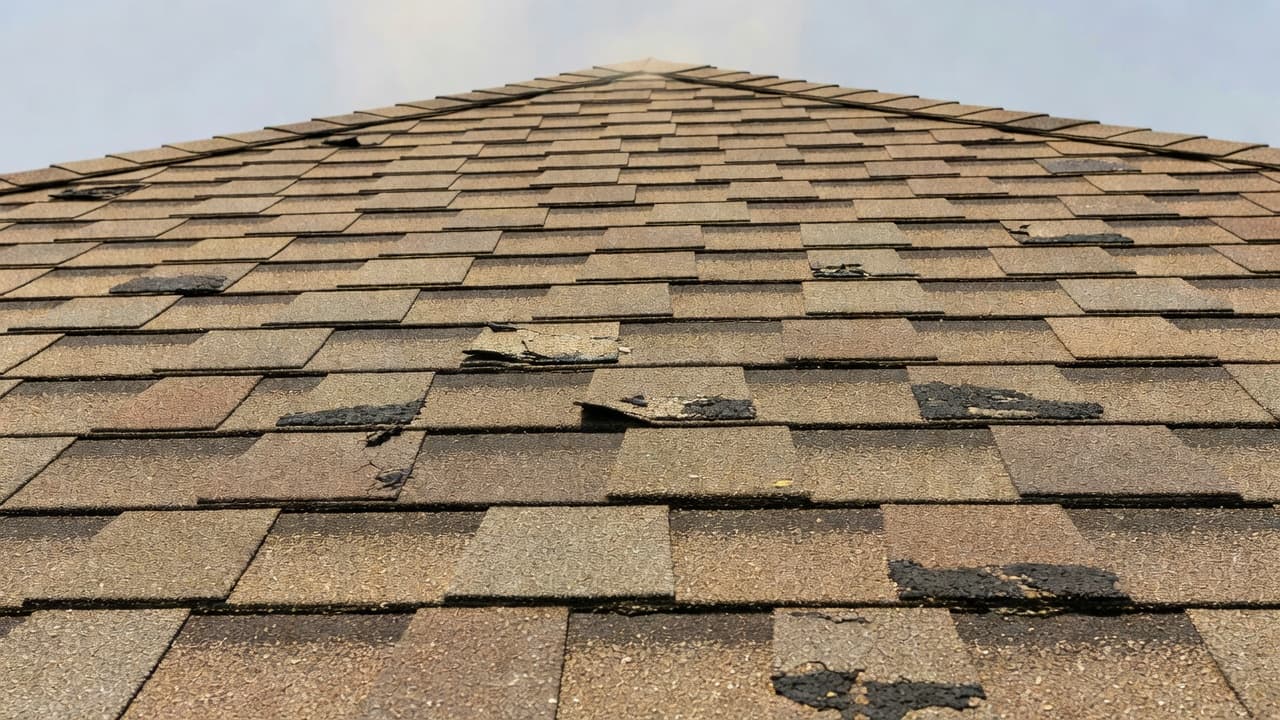
Heat does not explain every cracked shingle. Fresh fractures after a hailstorm, lifted tabs after high wind, impact marks, and damaged soft metals point toward a storm damage roof. A roof with widespread granule loss and curled edges may simply be worn out.
A cracked shingle is a symptom. The inspection has to identify why it cracked before anyone decides between repair, replacement, or an insurance claim.
Minnesota’s summer sun also affects low-slope properties. Still, TPO roofing, EPDM, modified bitumen, and BUR do not crack like asphalt shingles. A commercial flat roof may show open seams, split flashing, blisters, punctures, or heat-stressed transitions at drains and parapet walls.
Why Minnesota Heat Stresses Asphalt Shingles
UV exposure, attic heat, and seasonal movement work together
Asphalt shingles are built for sun exposure, but UV radiation slowly breaks down the asphalt binder. Granules shield that layer. Once granules wash away, the shingle dries faster and becomes less flexible.
High attic heat adds pressure from below. If soffit intake vents are blocked by insulation, or ridge vents are missing, hot air stays trapped beneath the roof deck. That does not always create a visible crack overnight. It speeds up the aging process that makes cracking more likely.
A Minnesota summer roof damage overview also identifies UV exposure and poor ventilation as common factors in dried, brittle shingles. Heat is often the final push, not the entire story.
Minnesota makes that cycle rougher than many climates. A roof can deal with snow load, ice dams, spring rain, hail, intense summer sun, and another freeze before the year ends. Ice dam removal can prevent immediate water backup, but it does not correct attic air leaks or ventilation problems that contribute to future roof stress.
Installation details can make heat damage worse
Nails driven too high, too deep, or through the shingle mat create weak points. Shingles installed without proper alignment can bind as the roof expands. Inadequate flashing at walls, chimneys, and skylights can also direct water beneath a heat-weakened shingle edge.
Poor workmanship does not become storm damage because July was hot. A good inspection separates defective installation, ordinary aging, and a covered event. That distinction matters before approving residential roof repair or filing paperwork with the insurer.
For roofs with long-term sun exposure, the common summer roofing problems in Minnesota include cracked, curled, and missing shingles. The practical concern is water entry, not the cosmetic appearance alone.
What Heat Damage Looks Like on a Shingle Roof
Check for brittle surfaces, broken tabs, and exposed asphalt
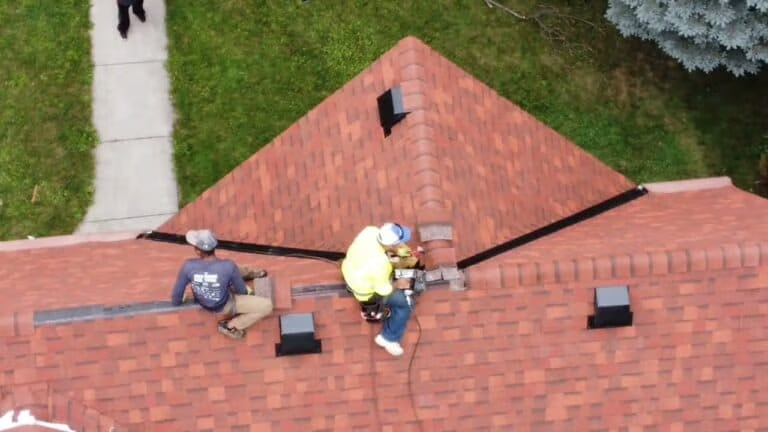
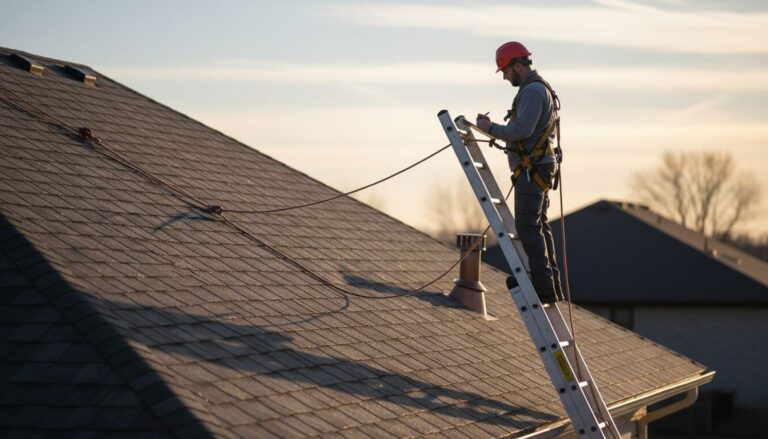
Start from the ground. Look for uneven roof lines, curled shingle corners, dark bare patches, and loose granules at downspout exits. Do not climb onto a hot roof. Asphalt shingles soften in heat, and foot traffic can scuff granules or break already brittle tabs.
A qualified commercial roof inspection or residential inspection can identify the details that matter:
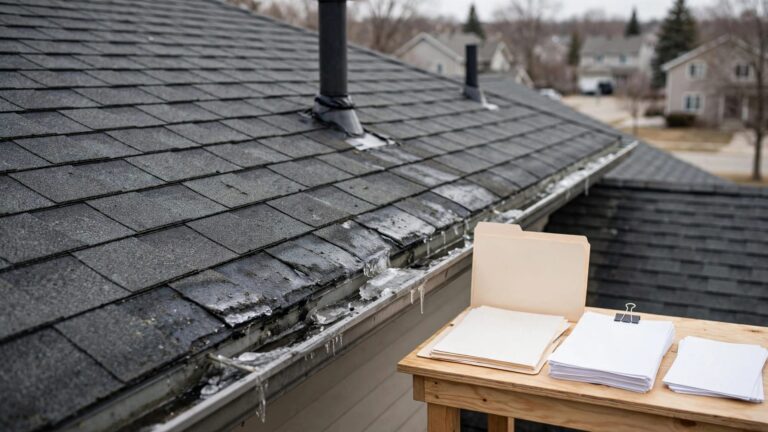
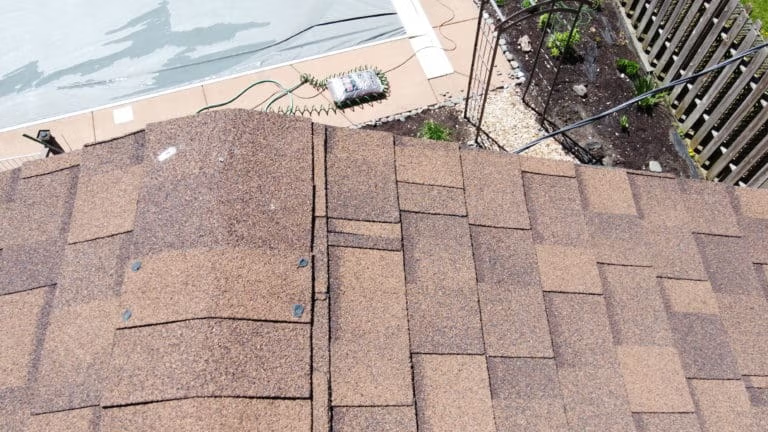
- Cracks that run across a shingle tab or begin at a nail line
- Curling edges that leave the lower shingle course exposed
- Granule loss that reveals dark asphalt underneath
- Blisters, splits, or deteriorated sealant around penetrations
- Attic staining, damp insulation, or daylight at roof penetrations
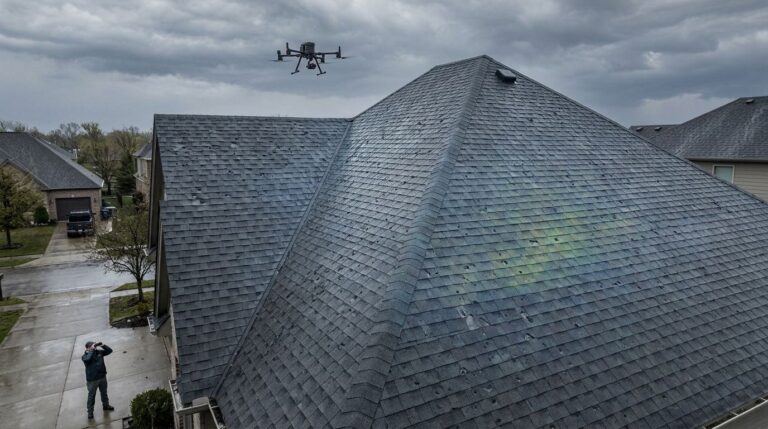
A crack with fresh exposed asphalt can be recent. That still does not prove heat caused it. Hail damage roof inspections look for impact marks, bruised shingle matting, damaged vents, and dents in soft metals. Wind damage usually leaves lifted, creased, or missing shingles.
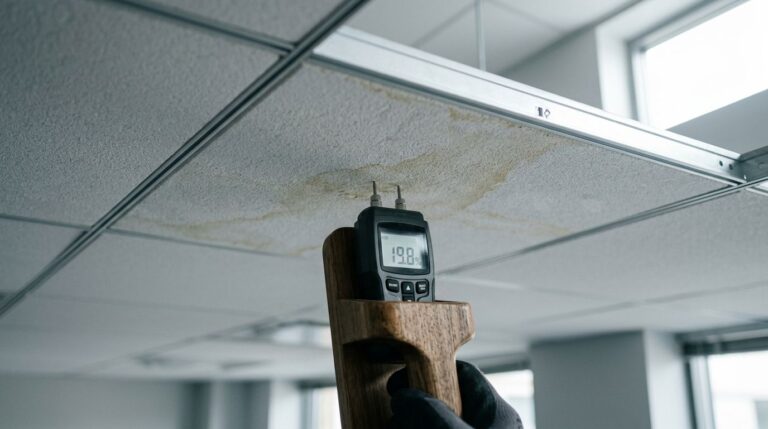
A ceiling stain does not identify the roof opening
Water can enter at one damaged shingle and appear inside several feet away. It can follow roof decking, framing, insulation, or a plumbing vent before it reaches drywall.
That same rule applies on commercial buildings. A leak under TPO roofing, EPDM, modified bitumen, or BUR can travel under the membrane and insulation before it appears at a ceiling tile. Owners should use leak tracing rather than patching directly above the stain.
For warehouse, retail, and multifamily properties, Get a Free Commercial Roof Inspection when heat, ponding water, or repeated leaks raise questions about the full roof system.
Step-by-Step: What to Do After You Find Cracked Shingles
Confirm the condition before authorizing major work
- Photograph the roof and interior signs. Take wide photos of each slope, close photos of cracks, gutter granules, flashing, and interior staining. Include the date and recent weather events in your notes.
- Check the attic on a dry day. Look for damp sheathing, rusted nail tips, mold-like staining, crushed insulation at soffits, and disconnected bath vents. Do not mistake attic condensation for an exterior roof leak.
- Protect active leaks with temporary measures. Move contents, cover equipment, and collect water indoors. A small temporary dry-in can limit loss. Avoid broad permanent repairs before the damage is documented.
- Schedule a roof-system inspection. A roofer should assess shingle condition, ventilation, flashing, roof age, storm history, and whether targeted commercial roof repair or residential roof repair is realistic.
- Match the fix to the findings. Isolated cracked shingles may need repair. Broad brittleness, heavy granule loss, and repeated leaks may make residential roof replacement the more responsible choice.
Keep commercial roofs on a separate decision path
A commercial roof replacement decision should not be based on surface temperature alone. Moisture readings, test cuts, seam condition, drainage, insulation saturation, and deck condition determine the real scope.
Commercial roof restoration and commercial roof coatings can extend a sound low-slope roof’s life. They do not fix wet insulation, failed attachment, open seams, or structural deck damage. Those conditions may require repair or replacement instead.
Heat Wear, Hail Damage, and Roof Insurance Claims
Insurance depends on the cause, not the season
A roof insurance claim for ordinary heat aging is usually difficult. Policies commonly exclude wear, deterioration, poor maintenance, and defective installation. A carrier may deny a claim if cracked shingles were already brittle before the reported storm.
Coverage may be available when wind or hail created the opening. Documentation matters. Keep storm dates, photos, contractor findings, repair records, and the adjuster’s written scope. A GAF discussion of heat-related shingle wear reinforces the basic issue: heat can reduce flexibility, which leaves shingles more vulnerable to later damage.
Do not call every crack hail damage. A clean file separates old wear from fresh storm impact. If water is entering near electrical equipment or a roof is unsafe to access, Call 651-703-2336 for 24/7 Emergency Roofing.
Minnesota Roofing Work Should Fit the Roof, Not the Sales Pitch
Credentials matter when diagnosis drives the budget
Saint Paul roofing, Minneapolis roofing, and Twin Cities roofing projects need contractors who understand regional weather, attic ventilation, ice dams, and storm documentation. The right diagnosis can prevent a small repair from becoming an unnecessary full replacement.
Sellers Roofing Company has completed residential and commercial work since 2017. Its crews include union-built roofing professionals connected to IUPAT Local 96, Carpenters Local 322, and Laborers Local 563. The company holds MN License 803862 and works with GAF certified, CertainTeed SELECT, Owens Corning, Malarkey, TAMKO, Atlas, and other manufacturer systems.
A roof does not need replacement because it is hot. It needs the repair scope that its condition supports.
Final Thoughts
Summer heat can crack asphalt shingles in Minnesota, especially when shingles are old, dry, poorly ventilated, or previously damaged. The crack may be visible, but the cause is often layered.
A careful inspection separates normal aging from storm-related damage and identifies whether a repair can hold. That is how owners avoid paying twice for a roof problem that was never properly diagnosed.
Frequently Asked Questions
Can new asphalt shingles crack during a Minnesota heat wave?
New shingles should flex through normal summer heat. Cracks on a new roof can point to installation defects, manufacturing concerns, improper storage, roof deck movement, or storm impact. Document the condition and contact the installer promptly.
Does attic ventilation stop shingles from cracking?
Ventilation helps control attic heat and moisture. It cannot restore old brittle shingles or fix hail damage. It can reduce unnecessary heat stress and protect the roof deck, insulation, and shingle life.
Can heat cause shingles to curl without causing leaks?
Yes. Curling may appear before water enters the building. Once edges lift, wind-driven rain can reach the underlayment and nails. Early repair is cheaper than waiting for interior staining.
Should I replace a few cracked shingles or the whole roof?
Replace individual shingles when damage is isolated and surrounding shingles remain flexible. Consider full replacement when cracking, granule loss, curling, and repairs appear across multiple slopes.
Can a commercial roof have the same heat problem as shingles?
No. A commercial flat roof reacts differently. TPO roofing, EPDM, modified bitumen, and BUR need checks for seam separation, flashing splits, membrane shrinkage, ponding water, and wet insulation.
Need a roof inspection in Saint Paul or the Twin Cities? Call Sellers Roofing Company at +1-651-703-2336 or schedule a free estimate. We are a black-owned, NMSDC-certified MBE roofing contractor with 9+ years experience.