Last updated: 2026-05-26 by Ted Sellers, Owner
Regular Roof Maintenance vs. Major Repairs: Cost, Benefits, and Long-Term Value Explained
Regular roof maintenance and major repairs represent two distinct approaches to preserving a home’s most vital protective layer. By understanding the difference between routine upkeep—such as inspections, cleaning, and minor fixes—and emergency interventions for leaks or structural failures, homeowners can optimize costs, enhance durability, and maximize long-term value. This article examines what constitutes preventative roof care, when significant repairs become necessary, how each option impacts expenses, and why proactive maintenance ultimately delivers the greatest return on investment. Together, these insights will empower you to safeguard your roof’s performance, control costs, and protect your property value over decades.
We will explore:
- What tasks fall under regular roof maintenance, how often to perform them, and early warning signs
- Causes and types of major roof repairs, risks of delay, and damage assessment techniques
- A side-by-side cost analysis comparing annual maintenance programs against typical repair expenses, including hidden financial burdens
- Key homeowner benefits driven by routine care—water-damage prevention, energy savings, aesthetic appeal, and warranty compliance
- The long-term value framework encompassing lifespan extension, ROI calculations, resale impact, and insurance considerations
- A decision-making guide for choosing maintenance versus repair, based on roof age, damage severity, and budget
- Best practices for selecting a qualified roofing contractor, from certifications to safety and quality standards
What Is Regular Roof Maintenance and Why Is It Important?
Regular roof maintenance is the systematic execution of inspections, cleaning, and minor fixes that collectively extend the service life of a roofing system while preventing costly failures. By identifying early wear and implementing small-scale corrections, homeowners curb moisture intrusion, avoid accelerated shingle deterioration, and preserve structural integrity.
Routine care offers three critical advantages: it alerts you to potential leaks before they worsen; it maintains optimal energy efficiency by ensuring insulation isn’t compromised; and it upholds the roof’s appearance and warranty standing. Establishing a predictable maintenance schedule translates into measurable savings and enhanced peace of mind over the roof’s expected lifespan.
Benefits of Regular Roof Maintenance for Commercial Spaces
Regular roof maintenance extends the lifespan of a roof, helps identify weak points, provides regular clean-ups, and ensures safety. It also offers long-term cost savings and prevents emergency repairs that can disrupt business operations.
What Tasks Are Included in Regular Roof Maintenance?
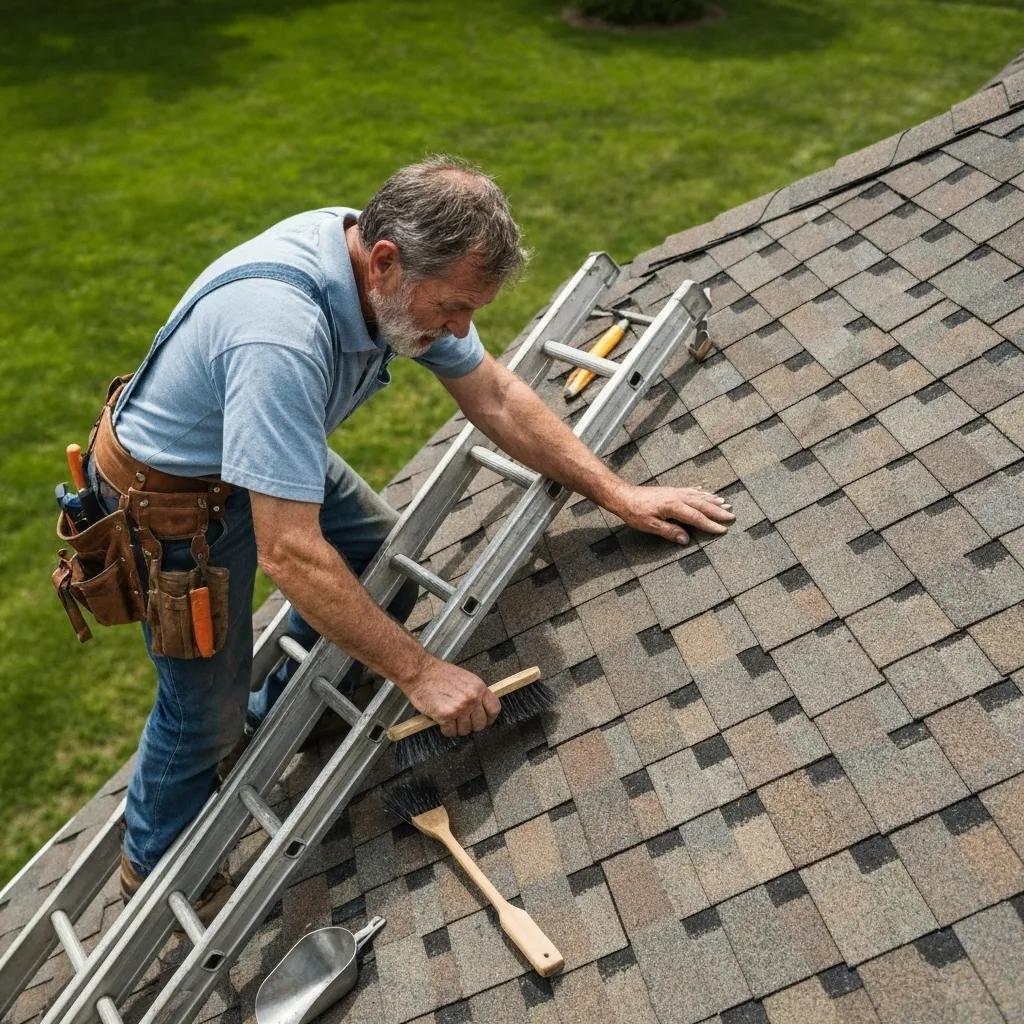
A comprehensive roof care program encompasses several coordinated actions to preserve functionality and appearance:
- Roof Inspection and Assessment
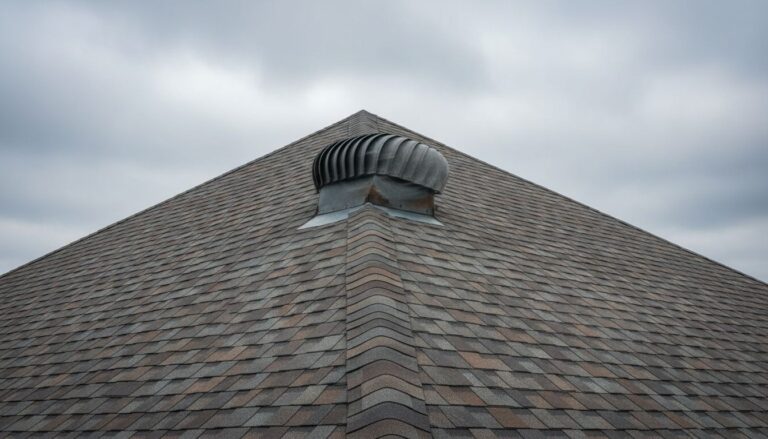
Visually examine shingles, flashings, and vents for cracks, lifts, or missing pieces. - Gutter Cleaning and Debris Removal
Clear leaves and sediment to prevent water backup and water-staining on fascia. - Minor Repairs and Sealant Touch-Ups
Refasten loose shingles, replace damaged underlayment, and reseal roof-to-wall joints. - Moss, Algae, and Mold Treatment
Apply eco-friendly biocides to eliminate organic growth that traps moisture. - Downspout and Flashing Inspection
Verify that water diverters and metal flashings remain corrosion-free and watertight.
Completing these tasks twice annually ensures that small issues are corrected long before they become structural problems requiring expensive intervention.
How Does Preventative Roof Care Extend Roof Lifespan?
Preventative roof care reduces the mechanical and environmental stresses that accelerate material fatigue. Cleaning debris clears moisture reservoirs that erode shingles, while inspections catch sealant failures and roof-penetration leaks. Consistent upkeep slows thermal expansion damage, mitigates algae-driven deterioration, and preserves the roofing assembly’s engineered resistance to wind and rain. Over time, these measures can add five to ten years to an asphalt shingle roof’s effective life, thereby delaying full replacement and improving asset management.
6 Ways to Extend Your Roof’s Lifespan
Regular roof inspections, cleaning, and prompt repairs are essential for extending a roof’s lifespan. Inspections should be done at least twice a year, and more frequently after severe weather events.
How Often Should Roof Maintenance Be Performed?
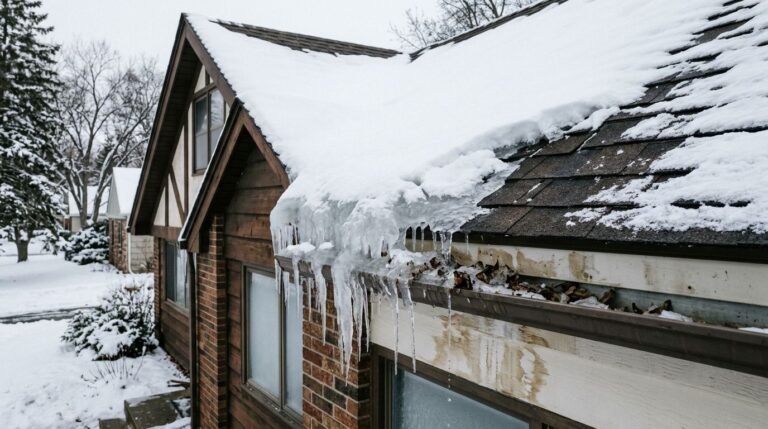
Executing maintenance at least twice per year—ideally in spring and fall—aligns with seasonal weather patterns. Spring upkeep addresses winter ice dam residue and freeze-thaw wear, while fall service removes summer’s pollen and readies the roof for hail or snow. High-wind or hurricane-prone regions may require quarterly checks after storm seasons. Adhering to these intervals ensures early detection of deterioration and consistent protective performance.
What Are the Common Signs That Maintenance Is Needed?
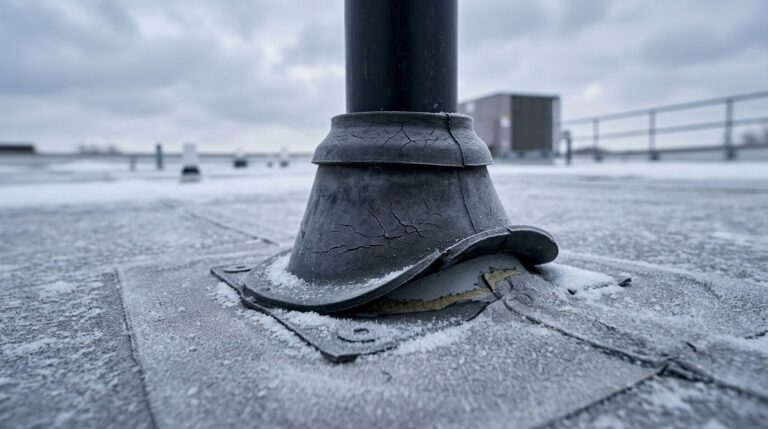
Early indicators of required upkeep include curling or cupped shingles, granule loss revealing black felt backing, rusted flashing seams, and minor drip stains along attic rafters. Mold streaks or moss patches signal trapped moisture, while sagging decks beneath water loads suggest underlying structural concerns. Addressing these signs promptly keeps small issues from cascading into water damage or interior finish failures.
What Are Major Roof Repairs and When Are They Necessary?
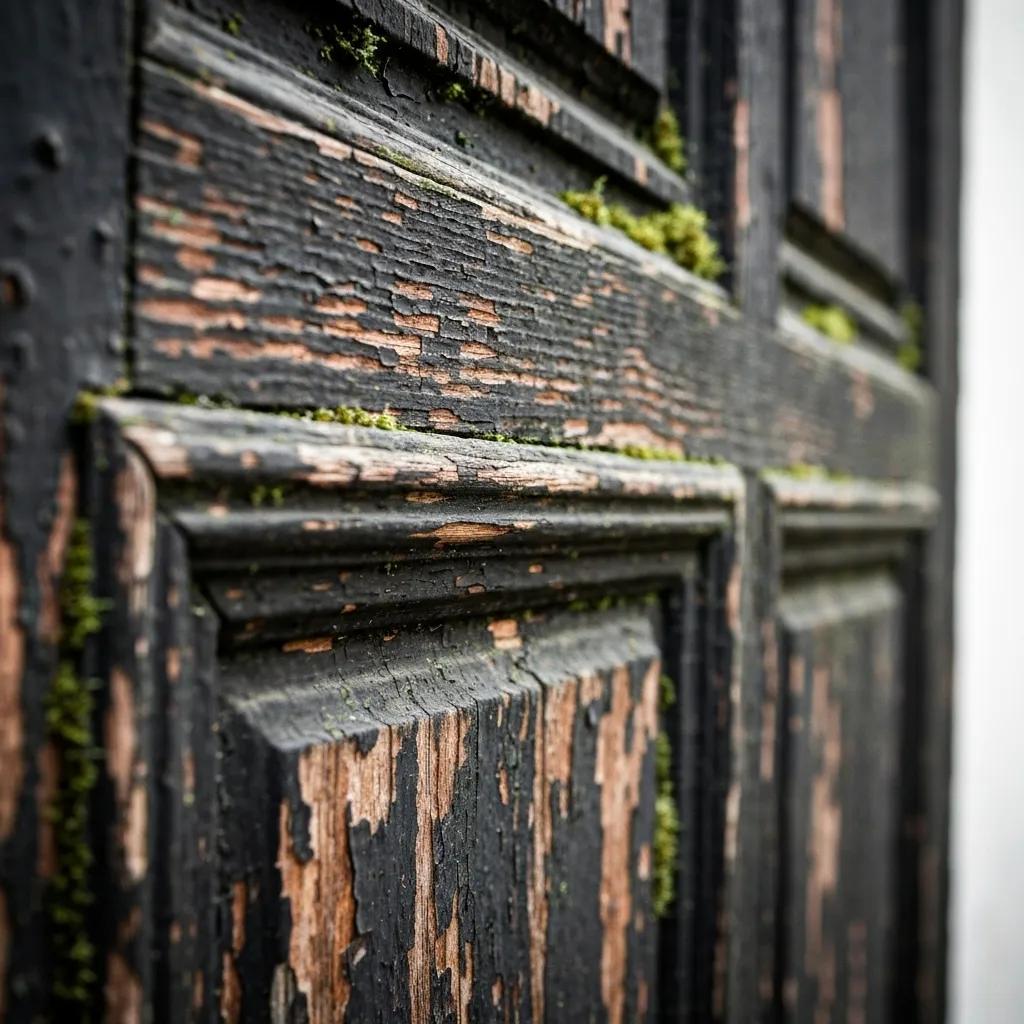
Major roof repairs involve professional interventions that restore structural soundness after significant damage or long-term neglect. These services address issues like active leaks, compromised decking, or widespread membrane failure. When water infiltration breaches the underlayment or when storms rip off large sections of shingles, timely major repairs become essential to avert interior damage and prevent safety hazards.
Major repairs are crucial once minor maintenance can no longer forestall ongoing deterioration. Ignoring extensive shingle splitting, large gutters filled with debris, or warped fascia invites rot, mold spread, and even collapse under heavy precipitation. Recognizing the threshold between routine care and structural repair safeguards both the home and your investment.
What Causes Major Roof Repairs?
Major damages typically originate from:
- Severe Weather Events: High winds, hailstorms, and heavy snow can dislodge shingles, crack tiles, and warp metal components.
- Prolonged Neglect: Abandoned maintenance leads to water infiltration that rots sheathing and degrades fasteners.
- Structural Settling: Foundation shifts and attic ventilation failures warp roof geometry, causing gaps at seams.
- Poor Installation or Material Failure: Substandard flashing, underlayment, or fastener use accelerates leak pathways.
What Types of Repairs Are Considered Major?
Major repair categories include:
- Comprehensive Leak Repair: Removal of damaged shingles, replacement of rotten decking, and full re-installation of protective layers.
- Structural Deck Restoration: Reinforcing or replacing weakened sheathing boards to restore load-bearing capacity.
- Emergency Tarp and Weatherproofing: Temporary covers applied immediately after storm damage to prevent interior flooding.
- Complete Flashing Replacement: Installing new metal or high-performance rubber flashings around chimneys, valleys, and vents.
Each service requires certified roofing professionals and specialized equipment to comply with building codes.
What Are the Risks of Delaying Major Roof Repairs?
Postponing necessary repairs compounds moisture intrusion, allowing mold and rot to undermine joists, rafters, and insulation. Interior ceilings may collapse under persistent leaks, triggering mold remediation, drywall replacement, and electrical rewiring. Structural decay can translate into safety and liability concerns, dramatically increasing repair scope and costs. Early intervention on moderate damage averts those cascading failures.
How to Identify Signs of Roof Damage Requiring Repair?
A thorough damage assessment involves both exterior and attic inspections. Externally, look for missing shingles, cracked tiles, and exposed underlayment. Observe water stains or light penetration inside an unlit attic, indicating active leaks. Use moisture meters to detect elevated humidity in insulation and check for rot in roof decking. Documenting damage extent guides contractors in providing accurate estimates and prevents surprises during repair.
How Do Roof Maintenance and Major Repairs Compare in Cost?
Comparing the expenses of scheduled maintenance versus urgent repairs highlights the economic advantage of proactive care. Routine maintenance typically involves predictable annual fees, whereas major repairs can range widely based on damage severity and regional labor rates.
What Is the Average Cost of Regular Roof Maintenance?
Homeowners investing in professional maintenance programs often pay:
These maintenance packages average $400 to $1,000 per year, depending on roof size and complexity, but cap out predictable costs.
How Much Do Major Roof Repairs Typically Cost?
How Much Does Roof Repair Cost? [2025 Data]
The average cost of roof repair in the U.S. is $1,147, with a typical range between $392 and $1,913. Factors such as the age of the roof, weather conditions, and labor costs influence the final price.
Depending on local labor rates and roofing material, a single major repair can match three to eight years of routine maintenance fees.
What Are the Hidden Costs of Neglecting Roof Maintenance?
Ignoring preventative care triggers cascading financial impacts beyond repair invoices:
- Interior Restoration Expenses – Ceiling drywall replacement, repainting, mold remediation.
- HVAC and Insulation Damage – Wet insulation loses R-value; mold can impair ductwork.
- Increased Utility Bills – Air leaks and moisture intrusion reduce thermal performance.
- Insurance Premium Increases or Claim Denials – Lack of maintenance documentation can void coverage.
Over a decade, these indirect costs often exceed the savings from skipping maintenance.
How Can Preventative Maintenance Save Money Over Time?
Preventative maintenance delivers a clear ROI by distributing modest annual expenditures that preempt exponentially larger repair bills. By extending roof lifespan by five to ten years and reducing emergency calls by up to 70%, homeowners recover maintenance investments through deferred replacement costs, lower utility bills, and preserved property value.
Regional Location Variations
Cost comparisons must factor in geographic labor and material differentials. Coastal and metropolitan areas often see 20–30% higher hourly rates, while rural markets may charge 10–20% less. Climate-driven weathering patterns also influence maintenance frequency and repair incidence.
What Are the Key Benefits of Regular Roof Maintenance for Homeowners?
Routine upkeep offers multiple tangible benefits that cumulatively strengthen a home’s structural and financial standing.
The Benefits of Scheduling Roof Maintenance for Your Commercial Property
Investing in roof maintenance offers benefits such as extending the lifespan of the roof, preventing major repairs, avoiding water damage, improving energy efficiency, and maintaining a safe environment.
How Does Maintenance Prevent Water Damage and Leaks?
Regular clearing of debris and resealing of penetration points removes moisture traps and reinforces waterproof barriers. Timely shingle replacement and flashing repairs stop micro-leaks from evolving into interior flooding, thereby safeguarding structural elements, insulation, and interior finishes against rot and mold.
How Does Roof Maintenance Improve Energy Efficiency?
A well-maintained roof minimizes air infiltration and preserves insulation integrity, reducing thermal bridging. Removing algae and moss ensures reflective coatings function optimally, and sealing gaps around vents and chimneys prevents conditioned air loss. Homeowners often see a 5–15% drop in heating and cooling costs following consistent roof care.
How Does Maintenance Enhance Curb Appeal and Property Value?
A clean, uniform roof surface boosts visual appeal, signaling diligent upkeep to prospective buyers. Real-estate studies show homes with documented maintenance histories sell 2–5% above comparable listings. Well-upheld roofing assemblies complement landscaping and architectural features, contributing to stronger first impressions and faster sales.
How Does Regular Maintenance Ensure Warranty Compliance?
Many manufacturer warranties require proof of scheduled inspections and minor repairs. Maintaining service logs and invoices keeps warranties valid for extended coverage periods, protecting against material defects or workmanship failures. Failure to document routine care often voids warranty protections, shifting replacement costs back to homeowners.
What Is the Long-Term Value of Choosing Maintenance Over Major Repairs?
Proactive roof care builds a durable investment, translating maintenance dollars into extended service life, enhanced resale value, and reduced insurance risk.
How Does Maintenance Extend the Overall Roof Lifespan?
Regular shingle realignment, debris removal, and sealant renewal slow mechanical weathering, UV photodegradation, and water saturation. An asphalt shingle roof that receives biannual maintenance can last up to 30 years, whereas neglected roofs commonly fail in 15–20 years. The lifespan extension directly defers replacement expenditures and capitalizes on material quality.
What Is the Return on Investment (ROI) for Preventative Roof Care?
Calculating ROI involves comparing cumulative maintenance costs against avoided repair and replacement fees. For example, investing $1,000 annually over ten years equates to $10,000 spent. If that care delays a $12,000 replacement by eight years—and reduces emergency repairs by $8,000—the net benefit exceeds $10,000, yielding an ROI above 100%.
Roof ROI Calculator
A typical roof replacement offers 3-8% annual returns depending on material choice and local factors. Benefits include home value increase, energy savings, insurance discounts, and avoided replacement costs.
How Does Roof Condition Impact Home Resale and Property Value?
A roof in excellent condition is a visible quality indicator, translating to stronger appraisal values and shorter market times. Buyers discount homes with uncertain roofing health by 5–10% of replacement cost. Consistent maintenance records effectively neutralize that discount, preserving sale price.
How Does Maintenance Affect Insurance Claims and Coverage?
Insurers evaluate roof condition at policy renewal. Documented maintenance demonstrates risk mitigation, often resulting in premium discounts or broader coverage scope. Conversely, neglected roofs may trigger coverage exclusions for water-damage claims, shifting the full financial burden onto the homeowner.
How Does Proactive Roof Care Provide Peace of Mind?
Knowing that a roof has undergone systematic inspections, cleaning, and minor fixes reduces anxiety over sudden leaks or storm damage. This psychological benefit—rooted in documented service processes and warranty compliance—offers lasting homeowner confidence without needing to react to emergencies.
When Should Homeowners Choose Maintenance vs. Major Repairs?
A structured decision framework clarifies whether ongoing care suffices or whether significant repairs or replacement become more cost-effective.
What Factors Determine the Need for Repair or Replacement?
Key indicators include:
- Roof Age: Shingles over 20 years old often lack full resilience and warrant closer scrutiny.
- Damage Extent: Scattered cracked shingles call for repair, whereas pervasive membrane failure suggests replacement.
- Budget Constraints: Deferred major repairs may become unavoidable if successive maintenance cannot arrest deterioration.
- Warranty Status: Warrantied roofs demand maintenance to maintain coverage; out-of-warranty systems may push toward replacement.
These factors collectively guide timing decisions.
How to Assess Whether Repair or Replacement Is More Cost-Effective?
Conduct a cost-benefit calculation by comparing estimated repair costs plus remaining expected lifespan against replacement expenses and new warranty terms. If repair costs exceed 50% of replacement price for a roof over two-thirds through its service life, full replacement often yields better long-term value.
What Are the Signs That Maintenance Is No Longer Sufficient?
When recurring leaks occur despite repeated repairs; when extensive sheathing rot is identified; or when shingle granule loss exposes felt backing extensively, routine care ceases to be a practical defense. At that threshold, major restoration or replacement becomes the only viable solution.
How to Choose a Professional Roofing Contractor for Maintenance and Repairs?
Partnering with a qualified roofing contractor ensures that both maintenance programs and major repairs deliver safe, durable results aligned with building codes and manufacturer specifications.
What Qualifications and Certifications Should Contractors Have?
Select contractors carrying:
- Manufacturer Certifications (e.g., GAF Master Elite, Owens Corning Preferred Contractor)
- Industry Association Memberships (e.g., NRCA, local roofing councils)
- Proper Licensing and Insurance (liability and worker’s compensation)
- Bonding and Warranties on labor and materials
These credentials affirm expertise, accountability, and access to quality materials.
PROCertification – National Roofing Contractors Association
The NRCA ProCertification program is the roofing industry’s official badge of excellence for roof system installers, demonstrating the skills and experience required to deliver quality installations.
What Should Homeowners Look for in Maintenance Programs?
A robust maintenance program should include:
- Detailed Written Scope – Clearly itemized tasks and frequency
- Performance Guarantees – Commitments on response times and workmanship warranties
- Transparent Pricing – Fixed annual or per-service fees without hidden surcharges
- Digital Reporting – Photos, inspection logs, and service history for warranty compliance
These features deliver clarity, consistency, and documented proof of care.
How to Ensure Safety and Quality in Roofing Services?
Verify that work crews use proper fall-protection equipment, OSHA-compliant ladders and scaffolding, and approved sealants and flashings. Request on-site safety plans and confirm post-service cleanup to prevent debris hazards. A reputable contractor will share these protocols proactively, demonstrating commitment to safe, high-quality service.
Proactive roof maintenance outperforms reactive repairs in cost control, lifespan extension, and overall value preservation. By combining regular inspections, gutter cleaning, and minor fixes with a clear decision framework for major interventions, homeowners enjoy superior asset protection, energy savings, and peace of mind. Consider scheduling your next comprehensive inspection today to begin reaping these long-term benefits.
Need a roof inspection in Saint Paul or the Twin Cities? Call Sellers Roofing Company at +1-651-703-2336 or schedule a free estimate. We are a black-owned, NMSDC-certified MBE roofing contractor with 9+ years experience.