Last updated: 2026-08-04 by Ted Sellers, Owner
Yes. A roof inspection St. Paul buyers schedule before closing can uncover active leaks, storm damage, failed flashing, ventilation problems, and aging shingles that a walk-through misses. Put it inside your inspection contingency, get a written scope, and use the result to negotiate, withdraw, or proceed with clear eyes.
The roof is the home’s raincoat, but its weak points often sit beneath flashing, sealant, and attic insulation. Minnesota’s hail, wind, snow load, and freeze-thaw cycles expose those weak points fast.
Start before the contingency deadline removes your leverage.
When This Applies
When a roof inspection St. Paul buyers order is essential
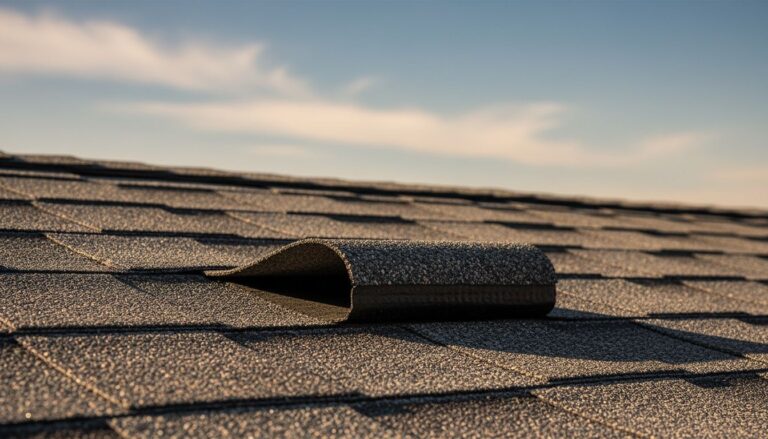
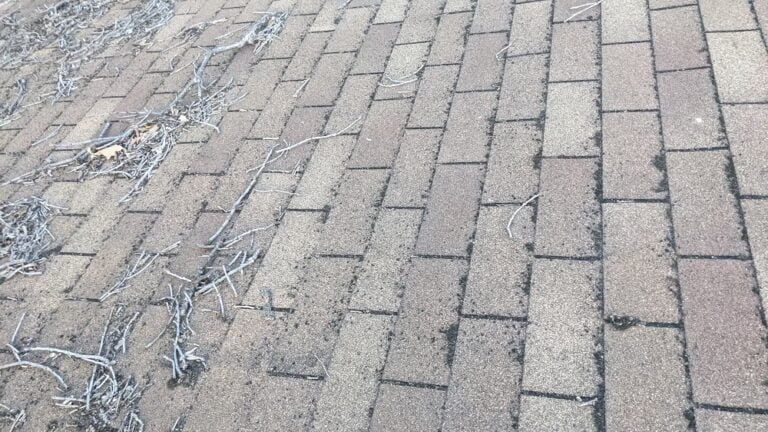
Get a dedicated roofing review if the home is older, the roof’s age is unclear, or the seller cannot produce installation records. It also makes sense after a recent hailstorm, when you see ceiling stains, or when asphalt shingles look curled, brittle, or thin at the edges.
Saint Paul roofing, Minneapolis roofing, and broader Twin Cities roofing work face the same weather pattern. One hard winter can turn a minor ventilation flaw into attic frost, ice dams, and water damage.
A roof that appears sound from the driveway can still have loose step flashing, damaged pipe boots, exposed fasteners, or soft decking. Those are repair decisions, not cosmetic details.
TISH and a general inspection are not the final word
St. Paul’s Truth-in-Sale of Housing report can surface visible property issues. It does not replace a buyer’s inspection contingency or a system-specific roof review.
A general inspector may flag a concern without determining the remaining service life or repair scope. Use the findings as a starting point. The homebuyer roof checklist from Guild Mortgage is a useful reference for shingles, flashing, gutters, and visible roof defects.
When a lighter review may be enough
A recently installed roof with a transferable warranty, clear permits, and no visible concerns may only need confirmation during the general inspection. Even then, verify the installer, material type, age, and warranty transfer rules.
Condo buyers should review the association’s reserve study, recent roof work, and insurance history. You may not own the roof directly, but a failing shared roof can still lead to assessments.
Step-by-Step
1. Protect the inspection contingency before scheduling work
Write the inspection contingency into the purchase agreement. Have your agent or real estate attorney confirm the deadline, notice requirements, and available remedies.
Minnesota inspection periods often move quickly, and calendar days can include weekends. Do not wait for a visible leak before calling a roofer. By then, the seller may have less ability to solve the problem before closing.
2. Order a full roof and attic evaluation
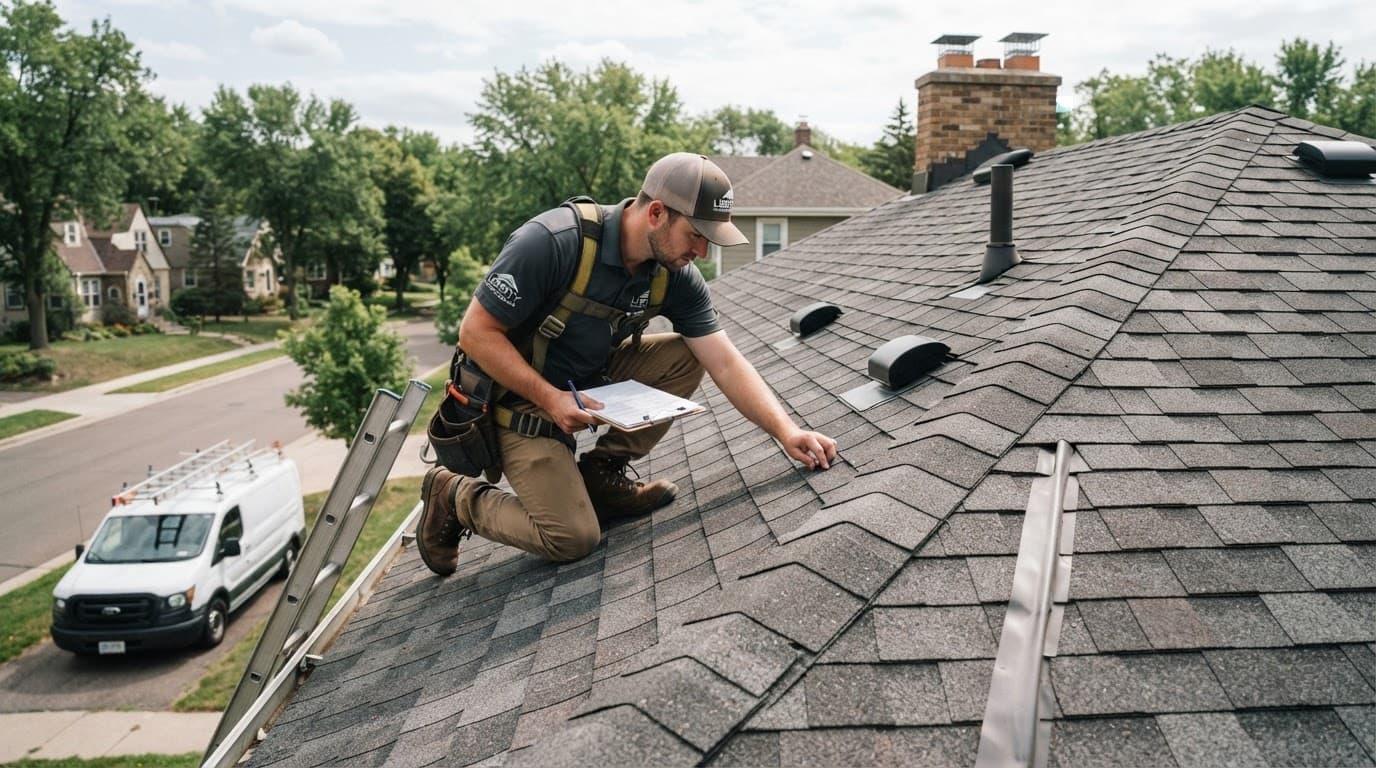
Hire a qualified home inspector, then bring in a roofing contractor when the roof is aging, damaged, or hard to evaluate. A proper review checks the roof surface, flashing, valleys, penetrations, chimneys, gutters, ventilation, attic framing, insulation, and signs of interior moisture.
The Minnesota roof inspection checklist also highlights the value of checking attic conditions and drainage, not only shingles.
3. Trace water to its real entry point
A ceiling stain marks where water exited, not always where it entered. Water can travel along rafters, under underlayment, or beside masonry before it reaches a ceiling.
This matters near chimneys. A damaged chimney cricket, open counterflashing, cracked mortar, or failing chimney crown may feed moisture into the same area. Snowmelt can sit uphill of the chimney and force water through small openings.
Never approve a repair based only on the interior stain. The roof opening may be several feet uphill from the drip.
4. Separate a repair issue from a replacement issue
A few damaged shingles or one failed pipe boot may call for residential roof repair. Broad granule loss, brittle shingles, repeated leaks, or soft deck areas may support residential roof replacement instead.
Document a storm-damaged roof with wide and close photos before permanent work begins. A roof with hail damage may have fractured shingles, bent flashing, or bruised materials even without a current leak. That record matters if you later need a roof insurance claim.
If water is actively entering the home, use temporary protection and Call 651-703-2336 for 24/7 Emergency Roofing. Stop added damage, but avoid broad permanent repairs before the cause and extent are documented.
5. Use a different standard for flat or mixed-use properties
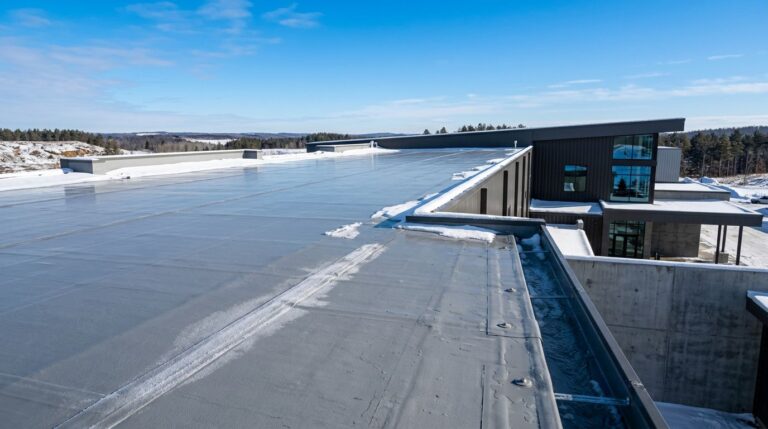
Most single-family homes have asphalt shingles or metal roofing. A mixed-use building, converted warehouse, or small commercial property may have a commercial flat roof instead.
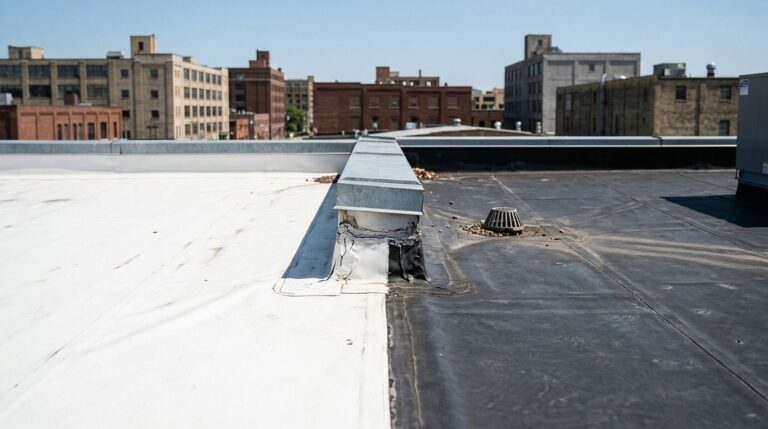
TPO roofing, EPDM, modified bitumen, and BUR fail differently than shingles. Inspect seams, drains, parapet walls, penetrations, edge metal, and hidden moisture. Depending on the findings, the owner may need commercial roof repair, commercial roof restoration, commercial roof coatings, or commercial roof replacement.
For low-slope buildings, Get a Free Commercial Roof Inspection. When the leak path is unclear, commercial roof leak detection services can help locate moisture that traveled beneath the membrane.
Red Flags That Should Change Your Offer
The attic can expose roof problems first
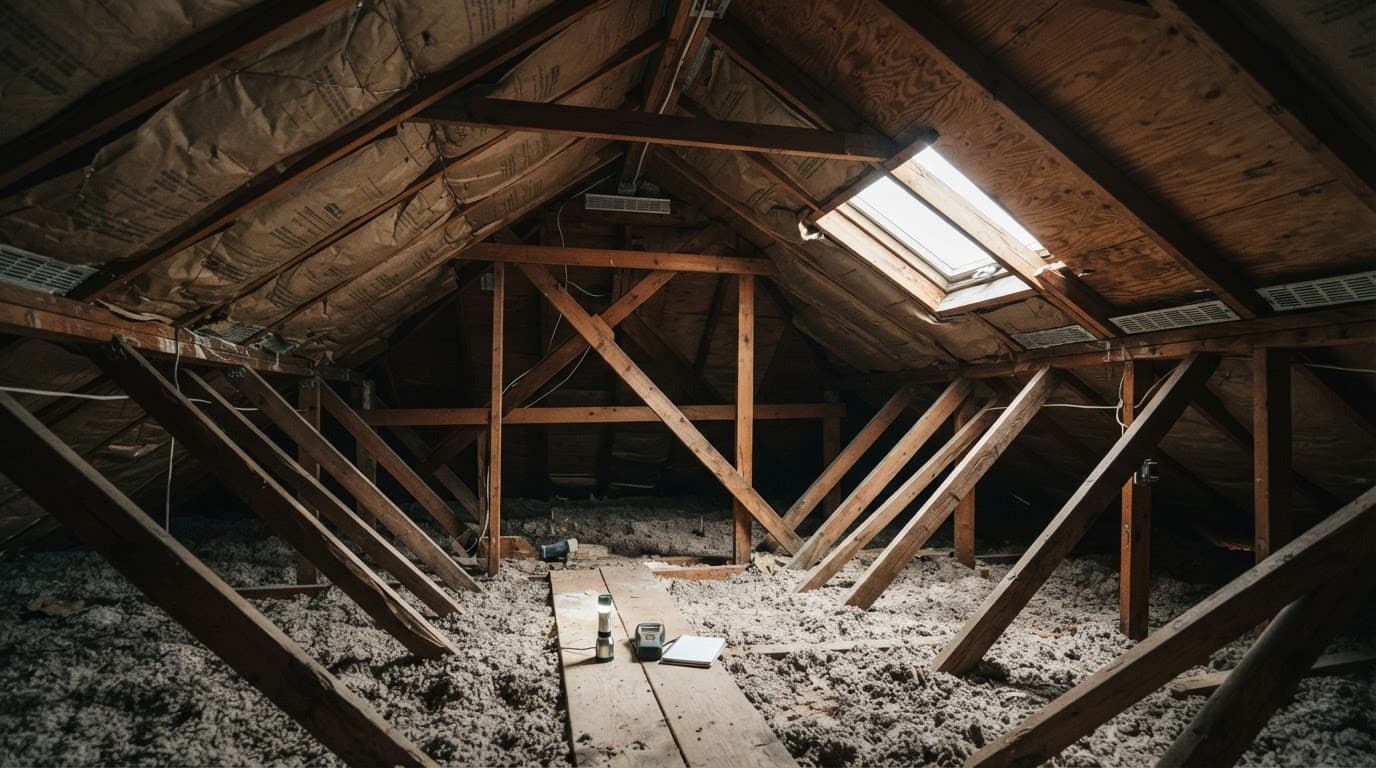
Look for dark sheathing, damp insulation, rusty nail tips, mold-like staining, frost, sagging rafters, or daylight around penetrations. Poor ventilation and air leaks can create attic frost during cold weather, then cause water problems during a thaw.
Ice dam removal may stop immediate backup at the eaves, but it does not fix poor insulation, ventilation, or a roof leak. Treat ice dams as a reason to inspect the full assembly.
Old stains still need an explanation
A dry ceiling stain may be from a repaired issue. It may also show a leak that only appears during wind-driven rain or snowmelt. Ask for the cause, repair date, photos, and invoice. “It has not leaked lately” is not a repair record.
Exterior details deserve close attention
Check valleys, chimney flashing, skylights, plumbing vents, roof-to-wall transitions, and gutters. Missing granules, creased shingles, lifted edges, or loose flashing can point to a storm damage roof.
Metal roofing needs a different review. Dents may be cosmetic, but disturbed seams, damaged coating, loose clips, or altered drainage can affect performance. A roof inspection should distinguish appearance from functional damage.
Turn the Report Into a Clear Decision
Ask for a written scope, not a verbal estimate
The report should identify the material, damaged locations, likely cause, photos, recommended work, and whether the roof is repairable. It should separate old wear from fresh storm damage.
Use that scope to request a seller repair, closing credit, price reduction, or cancellation under the contingency. A credit may work for a limited repair. It is less useful when the roof needs immediate replacement and the true cost is uncertain.
Set a repair threshold before negotiating
Decide what you will accept before the seller responds. A new roof installed over wet decking, poor ventilation, or bad flashing is not a clean solution. The work must address the full failure.
Vet the contractor who gives the second opinion
Ask for license information, insurance, manufacturer credentials, and a written scope. Sellers Roofing Company is GAF certified and lists union-built roofing crews tied to IUPAT Local 96. Its Minnesota contractor credential is MN License 803862.
For an independent repair or replacement scope before closing, Get a Free Residential Roof Estimate. A clear inspection can keep a small defect from becoming your first major expense after moving day.
Conclusion
A roof inspection before buying gives you facts while you still have options. It can reveal a manageable repair, a larger replacement need, or a storm issue that deserves more documentation.
The best time to find a roof problem is before the keys change hands. A roof inspection St. Paul buyers complete during due diligence makes that possible.
Frequently Asked Questions
Is a St. Paul TISH report enough for a home buyer?
No. TISH can identify visible concerns, but it is not a substitute for your own inspection contingency and roof evaluation.
Can I buy a home with a 20-year-old roof?
Yes, if the price, roof condition, remaining life, and expected repair cost all make sense. Get a written opinion before accepting that risk.
What if the seller refuses roof repairs?
You can request a credit, negotiate a lower price, or cancel if your signed contingency gives you that right. Review the contract deadline first.
Should I file an insurance claim before closing?
Usually, the current owner should handle a claim for damage that occurred during their ownership. Get legal and insurance guidance before assigning responsibility.
Does a new roof remove the need for inspection?
No. Verify installation quality, flashing, ventilation, warranty terms, and permit history. New materials cannot correct poor workmanship by themselves.
Need a roof inspection in Saint Paul or the Twin Cities? Call Sellers Roofing Company at +1-651-703-2336 or schedule a free estimate. We are a black-owned, NMSDC-certified MBE roofing contractor with 9+ years experience.