Last updated: 2026-08-06 by Ted Sellers, Owner
Yes. Can snow block a bathroom fan roof vent? It can, especially after wind-packed snow or a thaw that refreezes at the cap. A snow blocked roof vent traps bathroom moisture in the duct instead of releasing it outdoors. Clear the obstruction without climbing onto an icy roof, then check the cap, damper, duct insulation, and nearby flashing.
Your first clue is usually indoors: fog that stays after a shower, frost at the grille, a damp ceiling, or water at the fan housing. In Saint Paul, Minneapolis, and across the Twin Cities, drifting snow can hide a frozen damper as easily as it covers the cap. The repair depends on whether snow is the cause or whether snow exposed a duct or flashing fault.
When This Applies
When Snow Can Block a Bathroom Fan Roof Vent
A roof cap can be blocked when a wind-packed drift reaches the hood, snow blows under its opening, or meltwater freezes the backdraft damper shut. Low caps, roof valleys, and roof sections beside taller walls collect snow first. Homes that exhaust through a sidewall need a different check, although those terminations can also block.
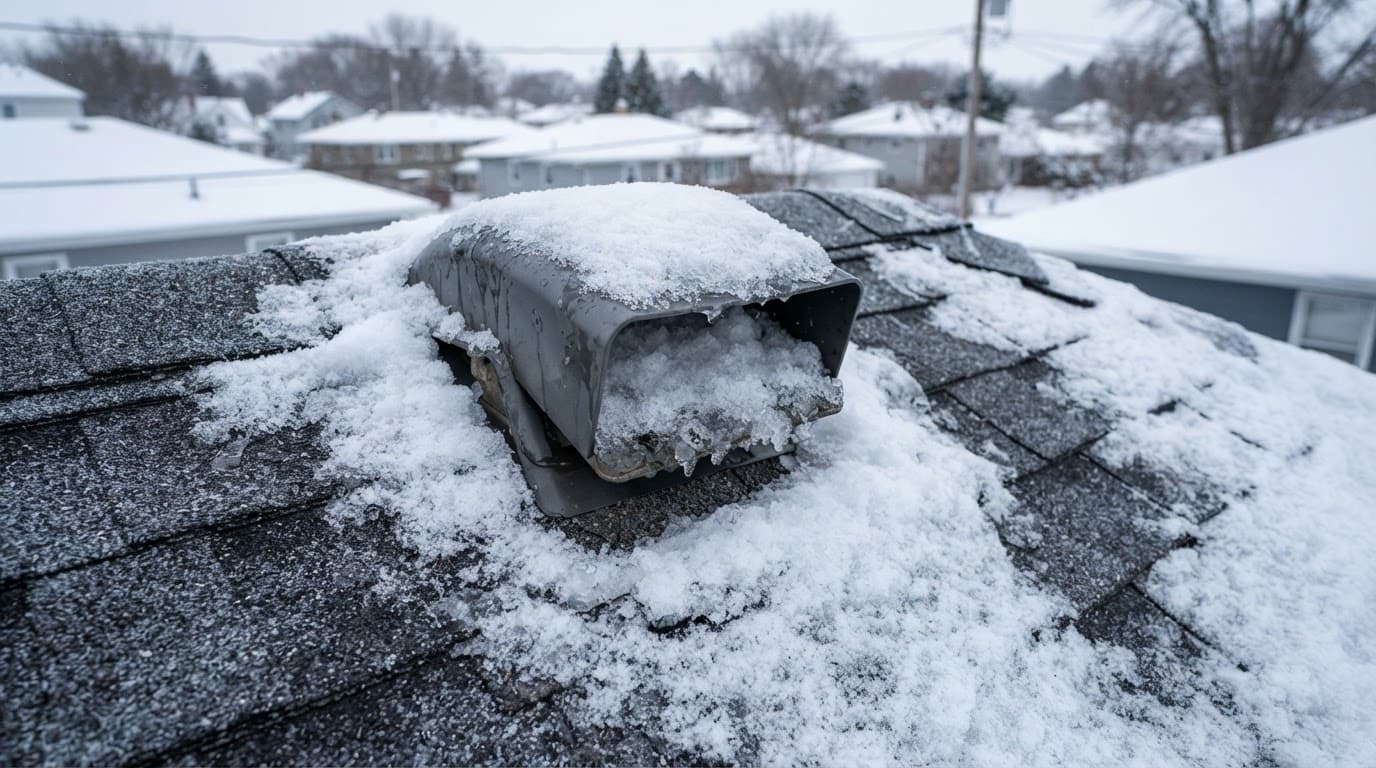
Light snow across the shingles does not prove the outlet is blocked. A fan that has pulled poorly for months may have a sagging flex duct, a disconnected joint, a crushed section, or an undersized fan. Those defects can create the same indoor moisture symptoms.
Signs of a Snow Blocked Roof Vent
Watch for bathroom fog that remains long after a shower, frost on the grille, water dripping from the fan housing, and a fan that sounds loaded but moves little air. A snow blocked roof vent needs attention before condensation builds inside the duct.
A plumbing vent is a different problem
The nearby plumbing stack is not the same as a bathroom exhaust terminal. A snow-clogged plumbing vent can affect drainage and gas venting, while a bathroom fan vent handles humid air. The roof openings may look similar from the ground, but they need different repairs.
Step-by-Step
1. Check indoor evidence before touching the roof
- Run the fan for five minutes after a shower. Note lingering fog, unusual noise, moisture at the grille, and the date of the snowfall.
- Check the attic only if access is dry and well-lit. Look for a loose duct, wet insulation, frost, or a duct joint that has separated.
2. Inspect the exterior cap safely
- From ground level, use binoculars or a phone camera with zoom. Photograph the cap, surrounding snow depth, and any ice under the hood.
- Do not climb onto an icy roof or push a rake or pole into the cap. A bent hood, cracked flashing, or torn shingles creates a second problem.
3. Clear snow only when access is safe
- Remove loose snow only if the cap is reachable from the ground without a ladder, pole, or roof rake. Do not pull on the hood or damper.
- If the cap is on the roof, have a qualified roofer clear packed snow, free the damper, and check the flashing, fasteners, and cap condition.
4. Control moisture until the exhaust path is open
- Take shorter showers, wipe down wet surfaces, and use a portable dehumidifier while the outlet is blocked. Do not leave the fan running for hours against a sealed cap.
- If water is entering the ceiling or fan housing, protect the area below and Call 651-703-2336 for 24/7 Emergency Roofing.
5. Test the system after the cap is clear
- Run the fan again and confirm that air exits outdoors from a safe viewing location. Bathroom humidity should drop after normal use.
- If frost, dripping, or weak airflow continues, the problem is likely inside the duct run or at the roof penetration.
Why Minnesota Snow Turns Into a Hard Vent Blockage
Snow is not the only obstruction
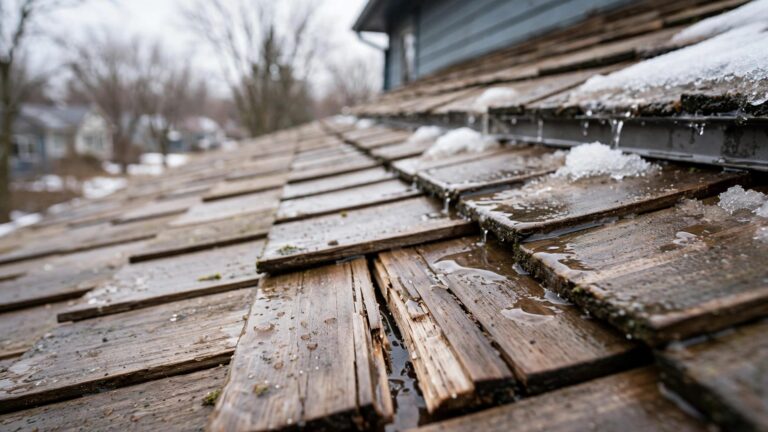
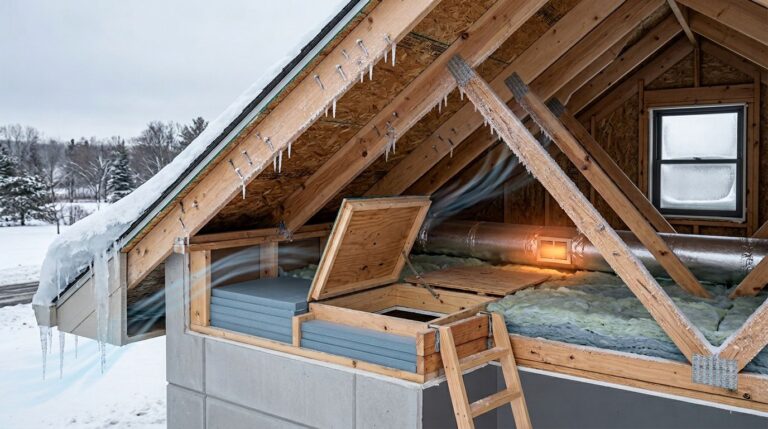
A bathroom fan sends warm, damp air into a colder duct. If snow covers the cap or the damper freezes, that air cools fast and condenses inside the run. Repeated freeze-thaw cycles can build ice at the hood, which is why a snow blocked roof vent may look clear after the top layer melts.
The terminal itself matters. A bathroom fan needs a proper exterior hood and damper, not a plumbing stack cap. This roof exhaust fixture discussion shows why roof exhaust parts are not interchangeable.
Duct configuration affects condensation
Insulated, sealed ductwork with a short, supported route is less likely to collect condensation. Long flex duct runs and low spots hold water, then freeze. The exterior cap may be clear while ice remains inside the duct.
Low-slope roofs collect deeper drifts
On a commercial flat roof, bathroom exhaust may exit through a gooseneck near a parapet where drifting snow is deeper. TPO roofing and EPDM need different foot-traffic controls than modified bitumen or BUR. Snow work around a penetration must protect the membrane, base flashing, and welded seams.
Commercial roof restoration and commercial roof coatings cannot correct a crushed exhaust outlet or wet insulation. The right scope may be targeted commercial roof repair. If moisture has spread beyond the penetration, a commercial roof inspection may show that commercial roof replacement is the sounder option.
When a Bathroom Vent Problem Becomes Roofing Repair
Inspect the cap and the roof detail
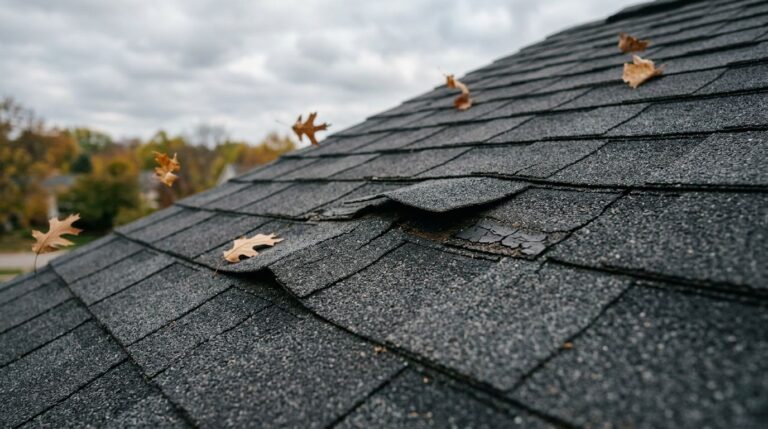
Snow is maintenance. A damaged cap or failed flashing is repair work. Look for a hood pulled loose by a branch, split sealant, lifted tabs, bent metal, or ice backed up against the flashing.
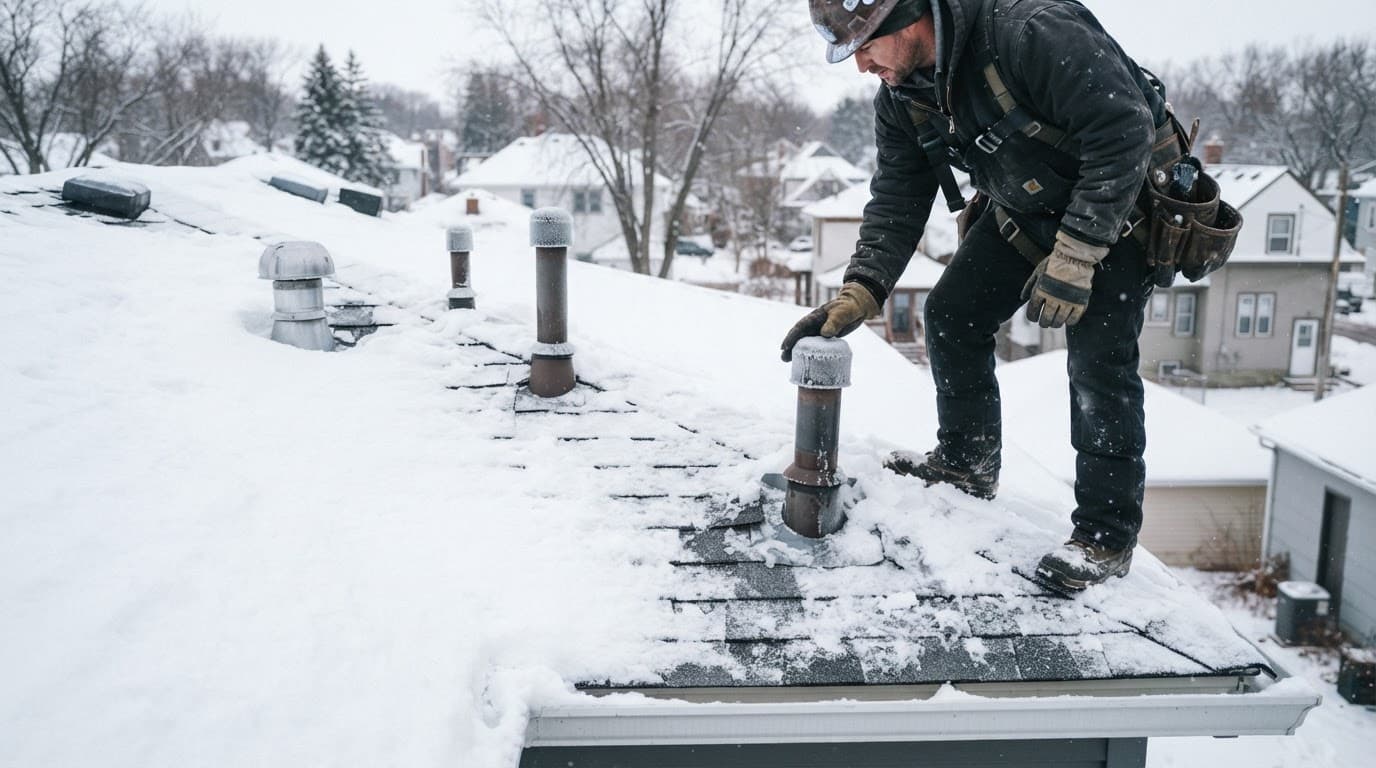
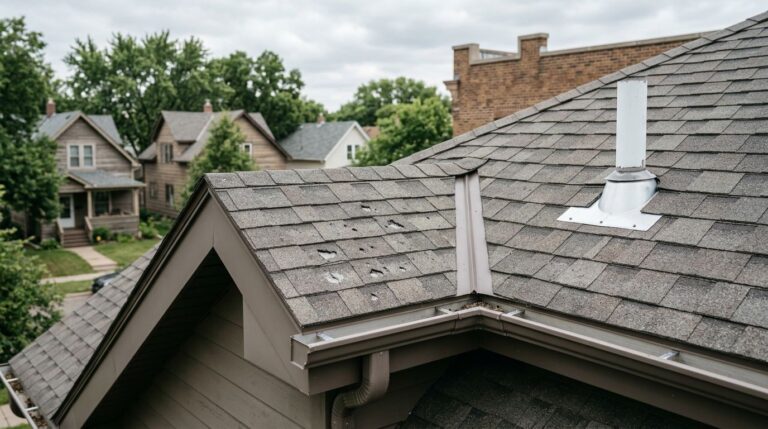
Ice dam removal can stop added water entry, but it does not repair a split boot or compromised vent flange. On asphalt shingles, the shingles around the flange may need replacement. Metal roofing needs compatible flashing and properly sealed fasteners.
Keep storm evidence separate from snow maintenance
A hail damage roof or storm damage roof can include broken caps, torn flashing, and interior water damage. Photograph conditions before permanent repairs, save loose pieces, and record dates. A roof insurance claim depends on the cause and policy language.
A snow drift alone is usually maintenance. A storm-broken vent, hail-damaged flashing, or wind-torn roof cap may be part of a covered loss. Documenting the condition early keeps a small repair from turning into an argument about cause.
Use system-specific help
Across Minnesota roofing projects, a small exhaust issue can be the visible symptom of a larger roof detail failure. For a home, Get a Free Residential Roof Estimate when the cap, shingles, or flashing needs residential roof repair rather than residential roof replacement.
Sellers Roofing Company’s Twin Cities roofing team is GAF certified, carries MN License 803862, and uses union-built roofing crews that include IUPAT Local 96. On a low-slope building, commercial roof leak detection can trace moisture that appears far from the exhaust outlet. Property owners can also Get a Free Commercial Roof Inspection before a vent detail becomes a larger membrane problem.
Final Takeaway
Keep the exhaust path open
Yes, snow can block a bathroom fan roof vent in Minnesota. The safe sequence is to identify indoor symptoms, inspect the cap from the ground, avoid icy roof access, and correct the obstruction without damaging the roof detail.
A snow blocked roof vent is often a manageable winter issue. Persistent moisture after clearing points to a frozen damper, poor duct routing, failed insulation, or damaged flashing.
Frequently Asked Questions
Can I clear a bathroom fan vent with a roof rake?
No. A roof rake can bend the hood, break the damper, or pull up shingles around the flashing. Clear only loose snow you can reach safely from the ground. Leave roof-level caps to a roofer.
Why is water dripping from my bathroom fan in winter?
Warm bathroom air can condense inside a cold duct and drain back toward the fan housing. A blocked cap can cause it, but so can uninsulated ductwork, a duct low spot, or a loose connection in the attic.
Can a blocked bathroom vent cause mold?
It can raise indoor humidity and wet nearby materials. Mold needs time and moisture, so resolve repeated fogging, attic frost, or ceiling dampness before it affects insulation, drywall, or framing.
Does homeowners insurance cover a snow-blocked vent?
Usually not when snow buildup is routine maintenance. Coverage may apply if a covered wind, hail, or falling-object event damaged the vent cap, flashing, or roof and allowed water inside.
What should a commercial owner do if an exhaust vent is blocked?
Keep staff off a snow-covered roof, document the cap and interior symptoms, and arrange a system-specific inspection. Exhaust penetrations on membrane roofs can hide wet insulation and flashing damage beyond the visible snow.
Need a roof inspection in Saint Paul or the Twin Cities? Call Sellers Roofing Company at +1-651-703-2336 or schedule a free estimate. We are a black-owned, NMSDC-certified MBE roofing contractor with 9+ years experience.