Last updated: 2026-05-26 by Ted Sellers, Owner
Top Signs Your Roof Requires Immediate Repair: How to Identify Warning Indicators and Protect Your Home
A deteriorating roof threatens your home’s safety and energy efficiency from the moment warning signs appear. Identifying visible damage, interior leaks, and structural issues early can prevent costly repairs and extend your roof’s lifespan. This guide covers:
- Exterior warning indicators that reveal surface deterioration
- Interior and indirect clues pointing to hidden leaks
- A step-by-step roof inspection checklist for DIY assessments
- Criteria to decide between repair and full replacement
- Proven maintenance routines to avoid premature wear
- How climate patterns influence roof damage and repair timing
- Expert triggers for calling a professional roofing contractor
Whether your roof requires a minor fix or an urgent overhaul, recognizing these signs empowers you to protect your home and improve long-term performance.
What Are the Most Common Exterior Signs of Roof Damage?
Exterior signs of roof damage provide immediate evidence of surface degradation and water intrusion risk. Recognizing these indicators early helps you schedule timely roof repair services and protect structural integrity.
Early identification of exterior damage sets the stage for inspecting hidden or interior warning signs.
How Do Cracked, Curling, or Missing Shingles Indicate Roof Deterioration?
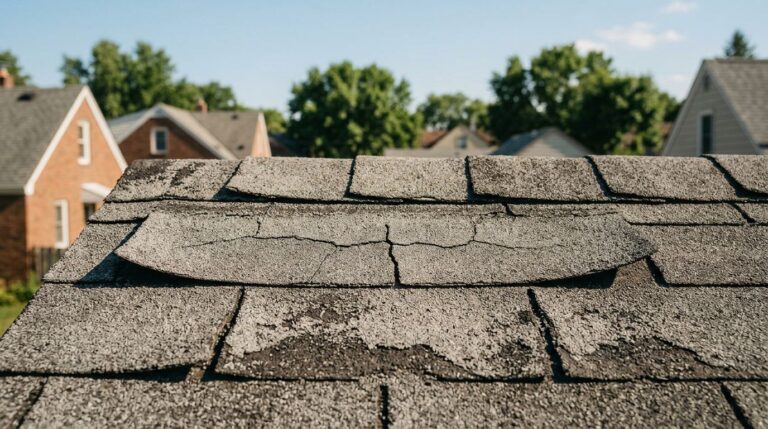
Cracked or curling shingles occur when shingles lose flexibility from prolonged sun exposure and thermal cycling. This deformation exposes the underlayment membrane and roof deck to rain, promoting wood rot and mold growth. Repairing or replacing affected shingles preserves the waterproof barrier and enhances roof resilience against leaks and energy loss.
Over time, these defects compound moisture infiltration, which leads us to examine granule loss as an accelerated sign of aging.
What Does Granule Loss on Shingles Mean for Roof Lifespan?
Granule loss happens when protective mineral coatings erode, revealing the shingle’s asphalt core. These granules shield shingles from ultraviolet rays and hail impact. When granules wash into gutters, shingles rapidly harden, crack, and fail. Addressing granule loss through targeted repairs restores UV defense and extends service life by years.
As granule erosion signals deeper wear, biological growths further weaken roof surfaces.
How Can Moss, Algae, and Fungi Growth Signal Roof Problems?
Moss, algae, and fungi thrive in moist, shaded areas where water lingers on shingles. Their hyphae penetrate granule layers, trapping moisture against the roof deck. Continuous dampness leads to structural decay and justifies preventive measures. Removing growth and treating surfaces with algae-resistant coatings enhances drainage and supports long-term roof health.
Why Is Damaged Flashing Around Chimneys and Vents a Serious Warning?
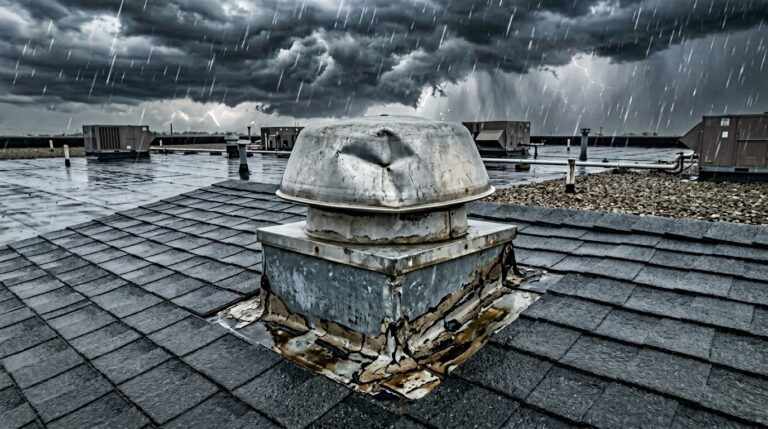
Flashing serves as a metal seal between roofing materials and penetrations. When flashing rusts, cracks, or separates, water bypasses shingles directly into attic spaces. Immediate flashing repair restores a watertight seal at vulnerable transitions and prevents interior water damage and energy inefficiencies.
What Does a Sagging Roof Section Reveal About Structural Integrity?
A sagging roof deck indicates that support rafters or sheathing have weakened from prolonged moisture infiltration or excessive load stress. This condition undermines the entire roofing system, requiring prompt structural reinforcement or roof replacement. Addressing sagging sections prevents further collapse and ensures your home’s safety.
Inspecting interior and indirect warning signs confirms whether surface issues have progressed.
What Interior and Indirect Signs Suggest Your Roof Needs Repair?
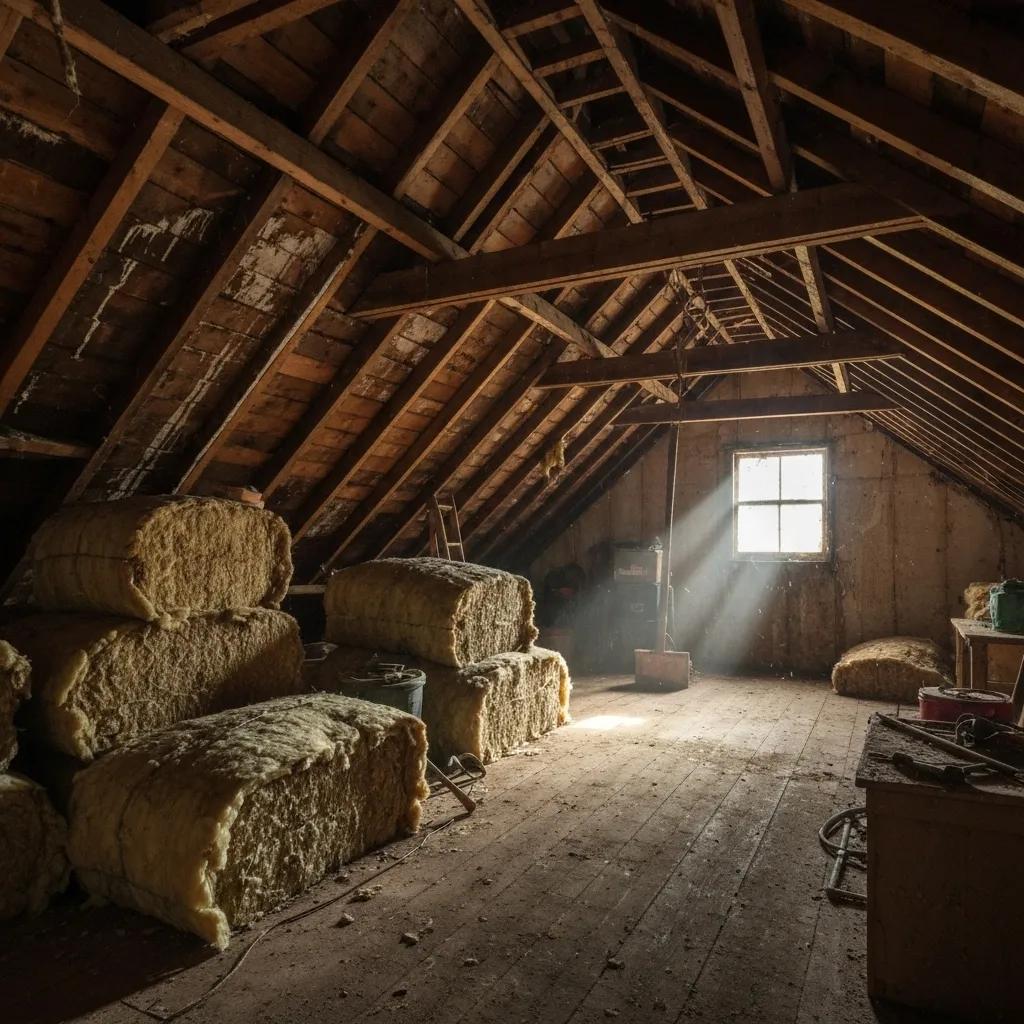
Interior clues and indirect indicators often reveal concealed damage before it becomes visible outdoors. Monitoring these signs enhances early detection and supports informed repair decisions.
Common Signs of Roof Damage & Interior Issues from Hail
Interior damage indicators include water stains on ceilings and walls, mold or mildew growth in the attic, and unexplained drafts or high energy bills, all of which suggest potential roof leaks and related problems.
This source provides additional information on interior signs of roof damage, which is relevant to the article’s discussion of identifying warning indicators.
Recognizing these interior signs ensures you don’t overlook hidden damage that calls for immediate intervention.
How Do Water Stains and Leaks in Attics and Ceilings Indicate Roof Damage?
Water stains appear when roof leaks penetrate the underlayment and drip onto ceiling drywall or attic framing. These stains are defined by circular discoloration and musty odors. Promptly locating and patching leak sources prevents mold growth, preserves insulation efficacy, and improves indoor air quality.
6 Signs of Interior Roof Damage
Water stains on ceilings and walls are a clear indication of water infiltration from the roof, signaling a potential leak. Mold and mildew growth, often accompanied by musty odors, also point to hidden roof damage and moisture issues.
This source highlights the interior signs of roof damage, which is relevant to the article’s discussion of identifying warning indicators.
Leaks that undermine insulation lead directly to higher energy consumption.
Can Increased Energy Bills Be a Symptom of Roof Deterioration?
When roofing layers lose integrity, attic insulation and ventilation suffer, allowing heat transfer that forces HVAC systems to work harder. Tracking fortnightly energy bills that consistently rise despite normal usage indicates compromised attic conditions. Repairing leaks and resealing gaps supports thermal efficiency and reduces utility expenses.
6 Common Interior Signs of Roof Damage to Look Out For
Increased energy bills can be a symptom of roof deterioration, as a damaged roof reduces a home’s ability to stay warm in the winter and cool in the summer, leading to higher energy bills.
This source provides additional information on interior signs of roof damage, which is relevant to the article’s discussion of identifying warning indicators.
Visible daylight penetrating the attic signals structural openings that require sealing.
What Does Daylight Visible in the Attic Mean for Roof Condition?
Spotting daylight through attic roof boards or around ceiling fixtures confirms missing shingles, cracked decking, or failed underlayment. These openings permit weather and pests to enter, jeopardizing indoor comfort and structural elements. Sealing daylight gaps with proper repair materials restores continuous protection and energy performance.
Debris-filled gutters provide a final indirect byte of evidence for exterior wear.
How Do Gutter Issues Like Granule Accumulation Reflect Roof Problems?
When asphalt granules from shingle erosion collect in gutter channels, they clog drainage and expose roofing to ponding water. This symptom signals that shingles have lost their protective granule layer. Clearing granules and repairing eroded shingles prevents water backup, fascia rot, and foundation issues.
A systematic inspection lets you catch all these signs proactively.
How Can You Perform a Roof Inspection Checklist to Detect Warning Signs Early?
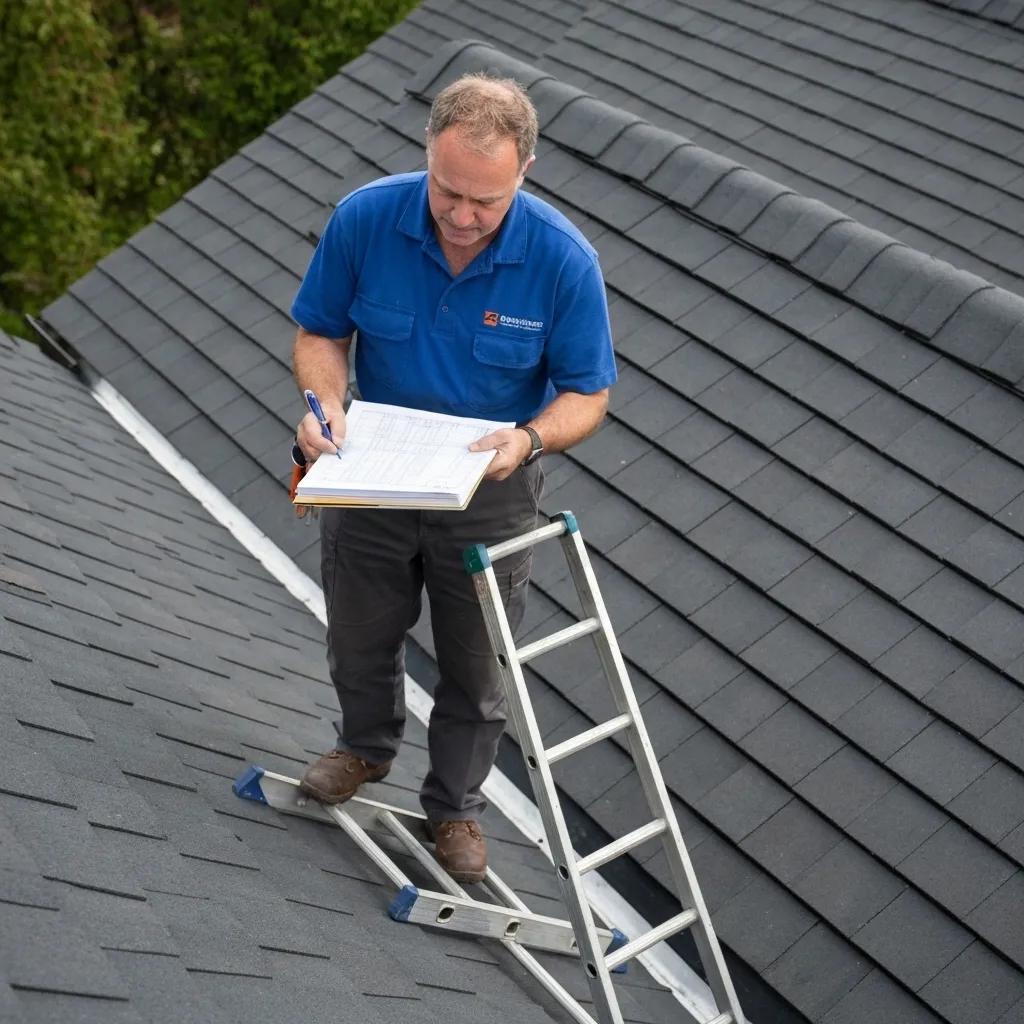
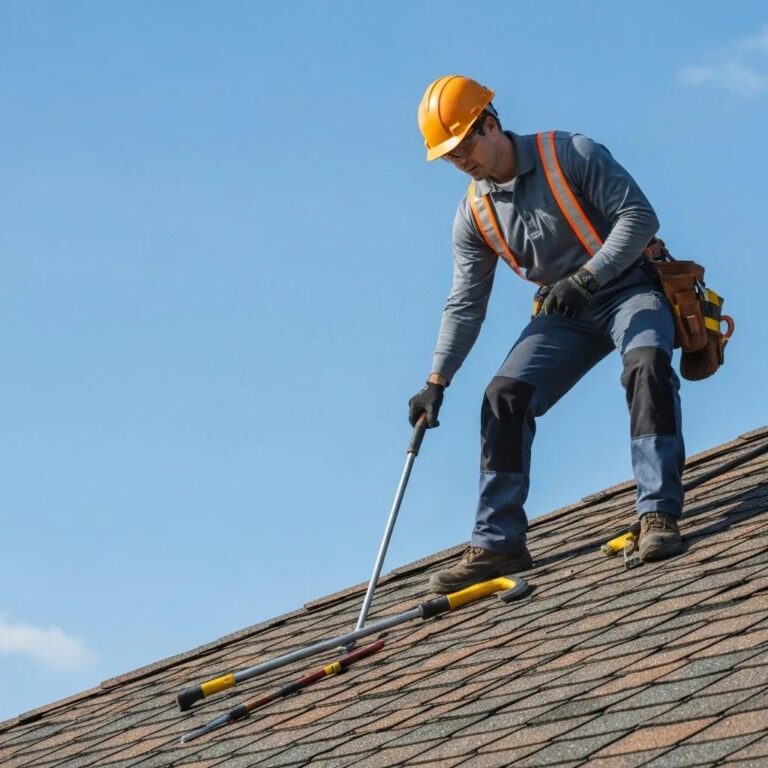
A structured roof inspection empowers homeowners to spot issues before they escalate. Following safe, methodical steps improves accuracy and enhances safety.
- Ensure Safe Access – Place ladders on stable ground and use fall-protection gear.
- Ground-Level Survey – Scan the roof from a distance to spot missing shingles, dark streaks, or sagging.
- Roof-Surface Examination – Shingle by shingle, look for cracks, curl, or granule loss and inspect flashing seams.
- Attic Inspection – In a well-lit attic, examine roof deck and rafters for moisture stains, mold, and daylight gaps.
- Gutter Check – Clear debris to reveal granule buildup and evaluate downspout flow.
- Document Findings – Photograph damage locations and note date, extent, and severity.
This checklist lays the groundwork for deeper damage assessment and repair planning.
What Are the Key Steps for a Safe and Effective Roof Inspection?
A safe inspection requires proper equipment, fall-protection harnesses, and stable ladder placement. Wearing non-slip footwear and gloves improves grip and prevents injuries. Maintaining three-point contact on ladders enhances safety before you ascend onto the roof surface.
How to Identify Visible Damage from Ground Level and Roof Surface?
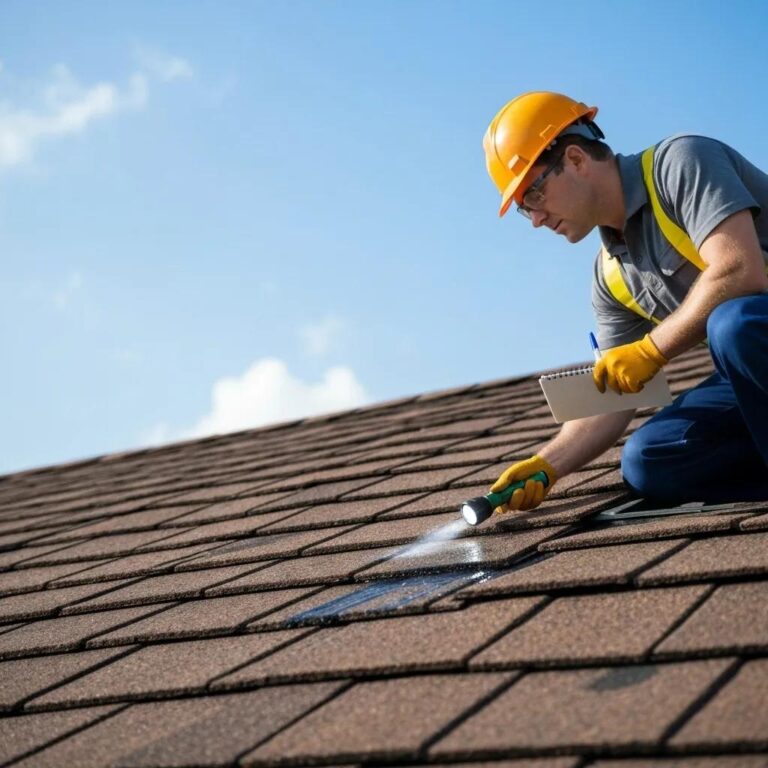
From the ground, use binoculars to scan for uneven shingles, debris buildup, and discoloration. On the roof, move methodically along ridges, valleys, and edges, inspecting each shingle for splitting, cupping, or missing pieces. Pay special attention to flashing around vents and chimneys where leaks often begin.
What Should You Look for Inside the Attic During an Inspection?
In the attic, use a bright flashlight to detect water stains, mold presence, and sagging roof boards. Look for insulation that has become wet or compressed. Verify that roof vents remain clear to promote airflow. Tracing stain trails on rafters pinpoints leak origins for targeted repairs.
When Is It Time to Use Professional Tools or Hire an Expert for Inspection?
If damage spans large roof areas, structural sagging exists, or you detect significant water infiltration, enlist a licensed roofing contractor equipped with infrared scanners and moisture meters. Professional assessments guarantee precise diagnostics and safe handling of complex repairs.
Deciding between repair and replacement requires weighing these inspection results against your roof’s age and damage severity.
When Should You Repair Your Roof vs. Replace It?
Choosing repair or replacement depends on symptom severity, roof age, and cost-benefit considerations. Clear criteria help you make informed decisions.
Roof Replacement vs. Roof Repair: Which Is Right for Your Home?
If your roof is showing signs of aging and/or has suffered storm damage, leaks, or other problems, it may be a good idea to consider replacing it. Replacing an older, damaged or failing roof, rather than repeatedly paying for roof repairs, can be worth the investment.
This source supports the article’s discussion of when to repair or replace a roof.
What Roof Deterioration Symptoms Indicate Immediate Repair Is Needed?
Immediate repair is required when you see cracked or missing shingles, damaged flashing around chimneys and vents, granule buildup in gutters, or small leaks manifesting as attic water stains. Addressing these symptoms halts further moisture intrusion and preserves insulation performance.
How Does Roof Age Affect the Decision to Repair or Replace?
Asphalt shingle roofs typically last 20–25 years. If your roof is under 15 years old, repairs often restore functionality and extend service life. For roofs approaching or exceeding their expected lifespan, replacement ensures comprehensive protection and may improve energy efficiency with newer materials.
Balancing repair costs against a long-term replacement budget clarifies your optimal strategy.
What Are the Cost Implications of Repairing vs. Replacing Your Roof?
Average roof repairs range from $400 to $2,000 depending on damage scope, while replacement costs start around $5,700 and can exceed $12,500. Repairing localized issues can yield an 80–90% return on investment by averting premature replacement. When repair expenses approach half the replacement cost, full reroofing becomes more economical.
How Do Severe Damage Types Like Sagging or Extensive Leaks Influence Replacement?
Sagging roof sections and persistent leaks indicate underlying deck and structural rot, which compromise load-bearing capacity. Repairing structural elements and decking may cost as much as a full replacement. Opting for replacement ensures a uniform, code-compliant roofing system that enhances safety and prevents hidden defects from resurfacing.
What Preventative Maintenance Can Extend Your Roof’s Lifespan and Avoid Repairs?
Routine care preserves roofing components, mitigates wear, and promotes optimal performance over decades.
Preventive Roof Maintenance Programs: Avoid Roofing Repairs
A preventive maintenance program can reduce the likelihood of expensive structural damage caused by cracks, water pools, or loose flashing, and can also reduce the likelihood of mold growth.
This source supports the article’s emphasis on preventative maintenance to extend roof lifespan and avoid costly repairs.
Before each maintenance checklist, remember that consistent attention prevents minor issues from escalating into major leaks.
- Clean Gutters and Downspouts Quarterly – Remove debris to maintain proper drainage and prevent water backflow under shingles.
- Trim Overhanging Branches – Keep tree limbs away from the roof to avoid damage from falling debris and reduce moss growth.
- Inspect and Reseal Flashing Annually – Check chimney and vent flashing for gaps or rust and apply waterproof sealant as needed.
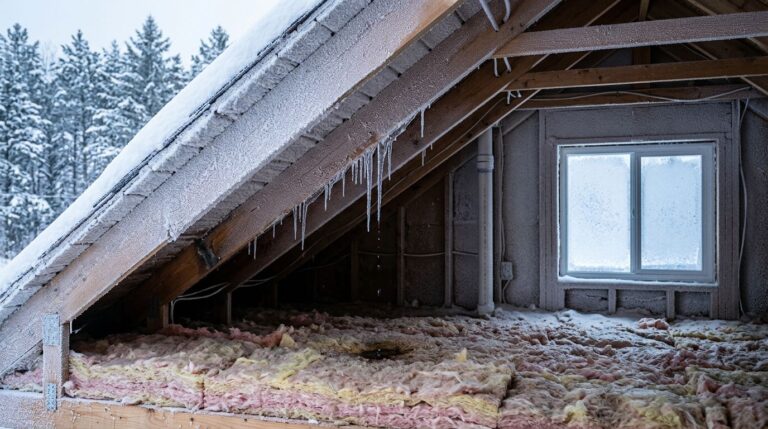
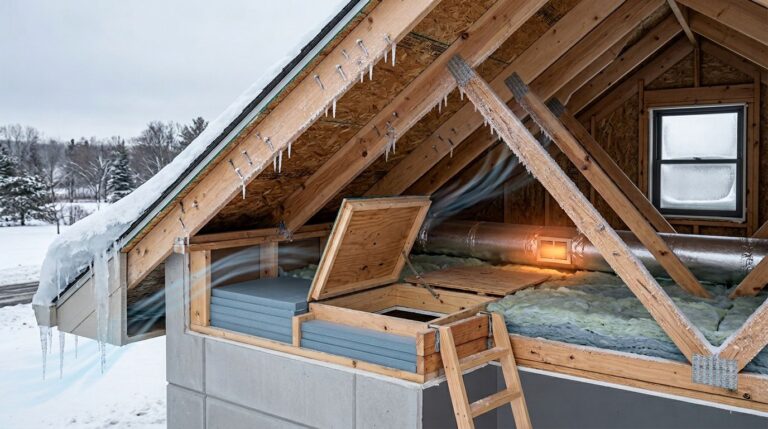
- Monitor Attic Ventilation – Ensure vents remain unobstructed to regulate temperature and moisture, reducing ice dams in winter.
- Schedule Professional Inspections Every 3–5 Years – Certified roofing contractors detect subtle wear patterns and perform proactive repairs.
Preventive Roof Maintenance Tips
Regular preventive maintenance can extend the lifespan of your roof and prevent costly repairs, ensuring the long-term safety of your home. Essential roof maintenance tasks include cleaning gutters and downspouts, inspecting and repairing flashing, and removing debris to avoid damage to the roof and underlying structures.
This source supports the article’s emphasis on preventative maintenance to extend roof lifespan and avoid costly repairs.
A disciplined maintenance regime improves roof resilience and lowers long-term ownership costs.
Which Routine Maintenance Tasks Help Prevent Common Roof Problems?
Consistent debris removal from gutters and roofs prevents ponding water. Resealing exposed nail heads and caulking around roof penetrations preserves watertight integrity. Conducting annual surface inspections catches granule loss early, supporting timely shingle replacement.
How Can Proper Gutter Cleaning and Flashing Care Protect Your Roof?
Clear gutters prevent water from pooling on shingles and behind fascia boards, which causes rot and leaks. Inspecting flashing for cracks or separation ensures water is directed away from critical joints. These tasks enhance overall drainage performance and extend shingle lifespan by reducing freeze-thaw damage.
When Should You Schedule Professional Roof Inspections and Repairs?
Engage a licensed roofing contractor for comprehensive inspections every three to five years, or immediately after severe weather events. Professionals use infrared imaging and moisture meters to locate hidden leaks. Timely expert evaluations maintain warranty compliance and reinforce your roof’s protective function.
What Are the Benefits of Early Detection and Timely Roof Repair?
Catching roof damage in its infancy prevents water infiltration that erodes attic insulation, framing, and interior finishes. Early repairs often cost a fraction of replacement expenses and maintain energy efficiency by preserving thermal barriers. Proactive care also upholds property value and ensures peace of mind.
How Do Climate and Environmental Factors Affect Roof Damage and Repair Needs?
Climate extremes and local conditions accelerate different wear mechanisms on roofing materials. Understanding these influences helps you tailor repair timing and material choices.
- Hail-Prone Regions experience impact dents and granule dislodgement that expose asphalt to UV damage.
- High-Wind Zones see lifted or torn shingles from gusts, leading to underlayment tears.
- Snow & Ice Areas develop ice dams that force water under shingles, causing interior leaks.
- Humid & Rainy Climates promote moss and algae growth, which trap moisture against roofing layers.
The Impact of Climate on Roof Wear and Tear
Prolonged exposure to intense sunlight and higher temperatures can degrade roofing materials faster, and heavy rain can cause significant damage to roofs if they aren’t well-maintained or made from appropriate materials.
This source supports the article’s discussion of how climate and environmental factors affect roof damage and repair needs.
Adapting inspection frequency and repair methods to local weather patterns ensures sustained roof performance.
What Roof Damage Signs Are Common in Hail, Wind, and Snow-Prone Areas?
In hail regions, look for bruised or pitted shingle surfaces and displaced granules. Wind-torn areas reveal lifted tabs and exposed nail heads. In snowy climates, inspect attic eaves for ice dam formation and check for water stains on interior walls. Promptly repairing these signs restores waterproofing and structural security.
How Do Moss and Algae Growth Vary by Regional Moisture Levels?
Regions with high humidity and limited sunlight encourage persistent moss mats and black algae streaks on shingles. These organisms retain moisture against roofing layers, accelerating decay and promoting wood rot. Applying algae-resistant coatings and trimming overhanging foliage reduces damp conditions and extends shingle integrity.
What Building Codes or Material Recommendations Apply to Different Climates?
Cold climates often require ice-and-water shield membranes in critical eave and valley zones. High-wind areas mandate specific shingle fastening patterns and wind-resistant ratings. Hail-prone regions benefit from impact-resistant shingle classes. Consulting local code requirements and choosing rated materials ensures compliance and enhances repair durability.
When and Why Should You Call a Professional Roofing Contractor for Repairs?
When and Why Should You Call a Professional Roofing Contractor for Repairs?
Expert roofers provide precise diagnostics, safe repairs, and warranty-backed solutions when damage goes beyond basic fixes. Signs include large water-stained areas in the attic, pronounced decking sag, severe shingle granule loss, and corroded flashing.
This source supports the article’s discussion of when to call a professional roofing contractor.
Enlist a professional if you encounter any of these triggers:
- Extensive Leak Patterns – Multiple attic stains or recurring water spots
- Structural Sagging – Visible dips in the deck that compromise safety
- Complex Flashing Failures – Rusted or warped flashing around chimneys, vents, and skylights
- Widespread Shingle Failure – Over 30% area showing cracking, curling, or granule loss
- Insurance Claim Situations – Storm or hail damage that qualifies for policy coverage
What Are the Signs That Require Expert Roof Assessment and Repair?
Signs include large water-stained areas in the attic, pronounced decking sag, severe shingle granule loss, and corroded flashing. These complex issues often need advanced tools like moisture meters, infrared cameras, and structural supports to repair effectively and safely.
How Do Roofing Contractors Diagnose and Fix Complex Roof Problems?
Roofing experts begin with detailed visual inspections and attic assessments, then employ infrared imaging to detect moisture behind surfaces. They replace damaged decking and rafters, install high-performance underlayments, secure new flashing, and apply code-approved shingles. This comprehensive approach grants durability and preserves manufacturer warranties.
What Questions Should Homeowners Ask Before Hiring a Roofing Contractor?
Ask about licensing and insurance coverage, manufacturer training certifications, warranty terms, and previous customer references. Inquire about the inspection process, projected timelines, and detailed cost breakdowns. These questions ensure transparency and align repair outcomes with your expectations.
How Does Professional Repair Improve Roof Safety and Longevity?
Certified roofers use tested materials and industry-accepted practices that meet building codes and manufacturer standards. Expert installation prevents shortcuts that lead to premature failures, and warranty protections cover future defects. This professional care enhances structural integrity, energy efficiency, and peace of mind for years to come.
By observing these warning indicators and taking prompt action, you safeguard your home and maximize your roof’s service life.
Improving roof longevity demands both vigilance and timely intervention. Recognizing early exterior and interior signs, performing systematic inspections, and balancing repair versus replacement decisions empower you to maintain a safe, efficient home. When damage exceeds basic fixes, engaging experienced roofing professionals ensures durable solutions and sustained peace of mind. Keep your roof resilient by combining regular maintenance, climate-appropriate materials, and expert assistance to protect your investment for years ahead.
Need a roof inspection in Saint Paul or the Twin Cities? Call Sellers Roofing Company at +1-651-703-2336 or schedule a free estimate. We are a black-owned, NMSDC-certified MBE roofing contractor with 9+ years experience.