Last updated: 2026-05-26 by Ted Sellers, Owner
Understanding the Average Costs of Routine Roof Maintenance Services for Homeowners
Unexpected repair bills often stem from overlooked upkeep, but routine roof maintenance services provide homeowners with predictable costs, extended roof lifespan, and peace of mind. In this guide, you will learn what routine roof maintenance includes, average annual costs, key cost drivers, detailed service breakdowns, return on investment, DIY versus professional considerations, and emerging trends. By understanding these core themes—scope of services, price ranges, influencing factors, and future innovations—you can budget effectively and protect one of your home’s most critical assets.
What Is Routine Roof Maintenance and What Does It Include?
Routine roof maintenance consists of scheduled inspections, debris removal, cleaning, and minor repairs designed to preserve roofing integrity and prevent water intrusion for long-term performance.
Which Services Are Covered in Routine Roof Maintenance?
Routine roof maintenance services for homeowners typically include the following tasks:
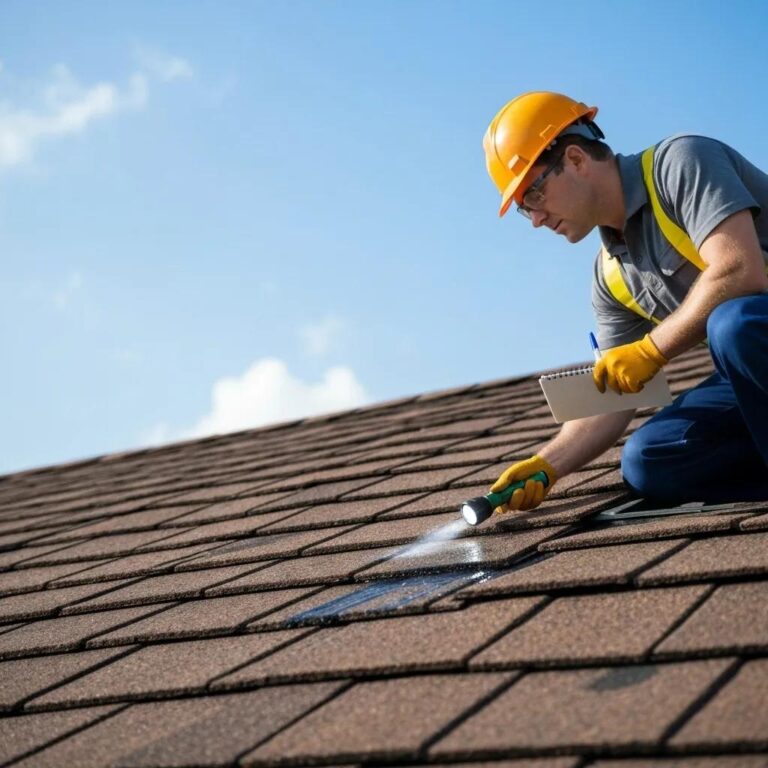
- A thorough visual inspection to identify damaged or missing shingles and flashing issues.
- Manual or pressure cleaning of moss, algae, and debris from the roof surface.
- Flush clearing of gutters, downspouts, and roof valleys to ensure proper water flow.
- Resealing of minor cracks around vents, chimneys, and roof penetrations.
- Replacement of a small number of loose or broken shingles during the same visit.
- Verification of attic ventilation and moisture levels to prevent hidden damage.
These tasks work together to safeguard roof performance and prepare homeowners to schedule timely follow-up maintenance.
How Often Should Homeowners Schedule Roof Maintenance?
Homeowners should schedule roof maintenance at least once a year, ideally during spring and fall, to catch seasonal damage early. Best-practice timing includes:
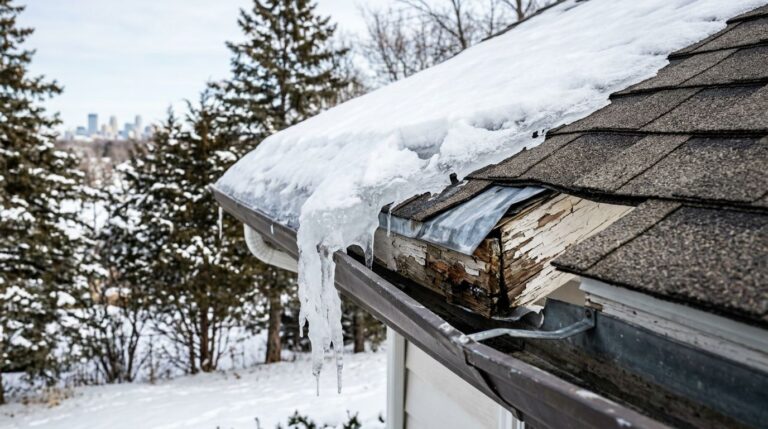
- Spring inspections to remove winter debris and ice-damage residue.
- Fall tune-ups to clear leaves and prepare for winter weather.
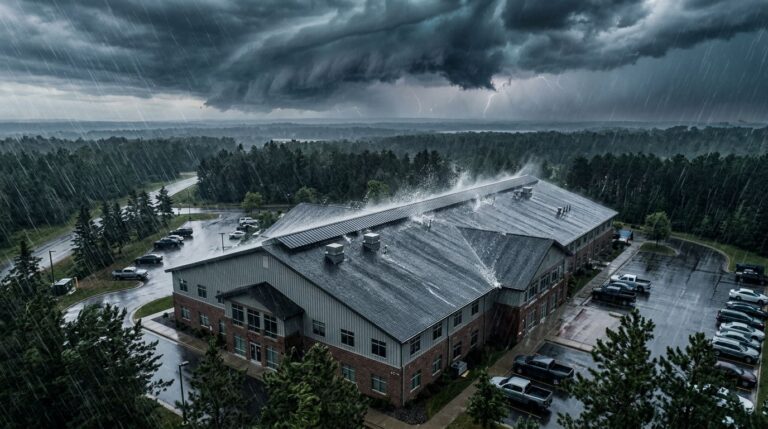
- Immediate follow-up after severe storms to check for wind-driven damage.
Consistent biannual scheduling ensures early detection of issues and reduces the likelihood of emergency repairs.
Why Is Routine Roof Maintenance Important for Homeowners?
Regular roof upkeep delivers three primary benefits for homeowners:
- Lifespan Extension – Preventative cleaning and sealing can add 10–15 years to a roof’s service life.
- Cost Savings – Addressing minor issues early prevents expensive structural repairs, ceiling damage, and mold remediation.
- Warranty Compliance – Many manufacturer warranties require annual inspections and documented maintenance to remain valid.
Maintaining these practices reduces total cost of ownership and secures warranty protections.
Benefits of Regular Roof Maintenance
Regular roof maintenance extends a roof’s lifespan, prevents costly repairs, improves energy efficiency, and enhances curb appeal. It also protects against weather damage, prevents mold and mildew growth, and ensures warranty compliance [1, 2, 3, 4, 5].
What Are the Average Annual Costs of Roof Maintenance for Homeowners?
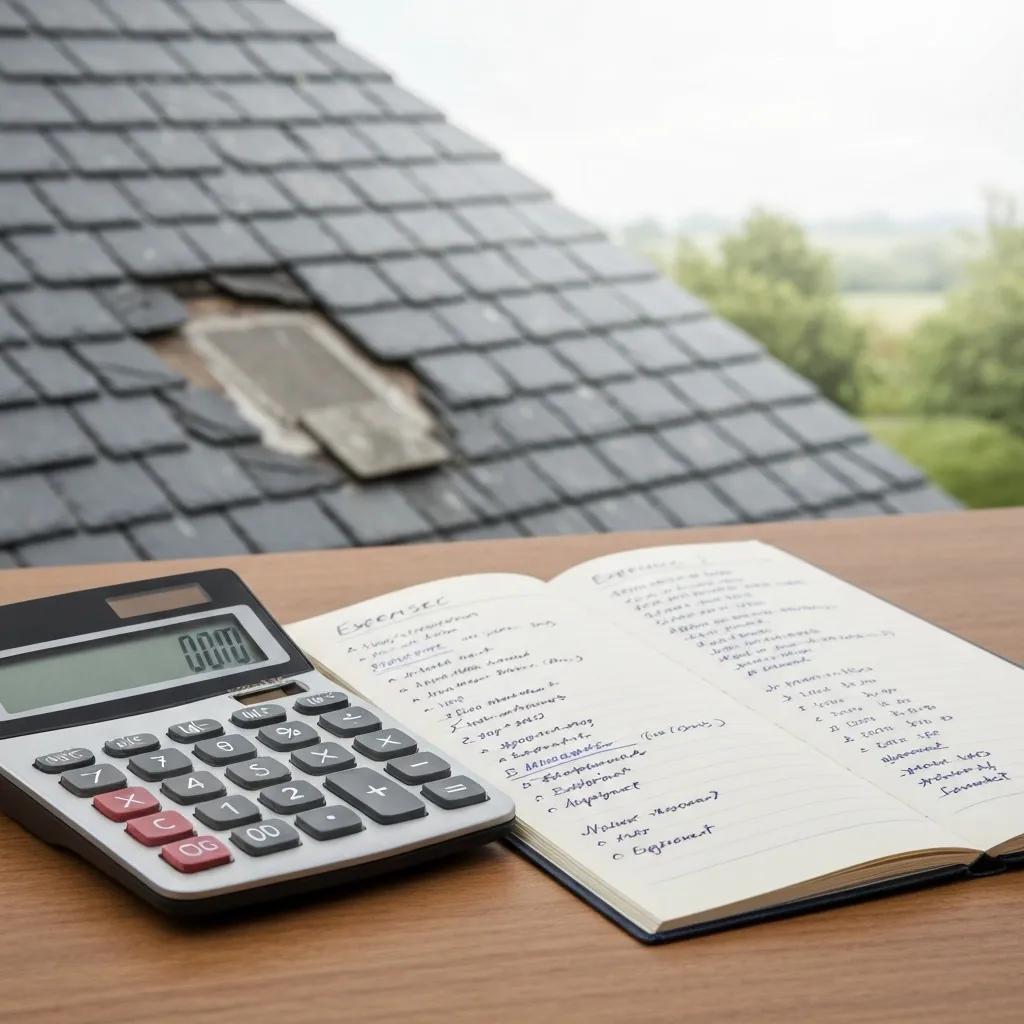
Homeowners typically invest $120 to $400 per year on basic routine roof maintenance services to maintain protective barriers and prevent water damage, translating into measurable savings by avoiding major repairs.
Cost of Roof Maintenance
Roof maintenance costs typically range from $120 to $400 annually, depending on the roofing company and the services included. These costs can vary based on the roof’s size, accessibility, and complexity [7].
This source provides information on the typical costs associated with roof maintenance.
Below is a comparison of common maintenance plan tiers:
Basic plans cover essential upkeep while comprehensive programs deliver full-service preventive care and rapid response options.
What Is the Typical Price Range for Basic Roof Maintenance Services?
Basic roof maintenance services generally cost between $120 and $400 annually, covering one inspection, surface cleaning, debris removal, and minor caulking to maintain water-tight seals.
These entry-level packages protect against immediate threats and set the foundation for long-term care.
How Do Comprehensive Roof Maintenance Plans Affect Pricing?
Comprehensive plans offering quarterly or biannual visits, advanced moss treatments, gutter flushing, and priority scheduling range from $400 to $1,000 per year. The added labor, specialized chemicals, and vendor responsiveness contribute to higher fees.
Opting for a full-service program maximizes preventive benefits and budget predictability.
How Does Roof Size and Pitch Influence Maintenance Costs?
Roof size and slope directly affect labor time and safety requirements, with larger surface areas and steeper pitches increasing service complexity. The following factors drive cost adjustments:
- Each additional 1,000 sq ft typically adds $50–$100 to the annual fee.
- Roof pitches above a 6/12 slope may incur a 15–30% safety surcharge.
- Multi-level or complex rooflines require extra inspection time and specialized fall protection.
Accounting for area and steepness ensures accurate cost estimates.
Factors Influencing Roof Repair Costs
The cost of roof repairs is influenced by several factors, including the size and pitch of the roof, the type of roofing material, the extent of the damage, labor costs, and the geographic location [6, 9, 10, 11].
This source provides a comprehensive overview of the elements that affect roof repair expenses.
Which Factors Influence the Cost of Routine Roof Maintenance?
Roof maintenance pricing depends on roofing material, age and condition, geographic location, and labor rates because each factor alters required resources and yields cost variations from property to property.
How Do Different Roofing Materials Affect Maintenance Pricing?
Maintenance costs vary by material due to access difficulty, longevity, and required treatments.
Tile and slate require specialized handlers and careful reset work, leading to higher per-task fees.
What Role Does Roof Age and Condition Play in Cost Variations?
Older roofs with worn underlayment demand more intensive inspections and repair time, pushing maintenance costs up by 20–50% compared with newer installations. Compromised decking or rot necessitates extended labor and replacement materials.
Anticipating condition-based surcharges helps homeowners budget for escalating upkeep.
How Does Geographic Location Affect Roof Maintenance Costs?
Regional climate, local labor rates, and building codes combine to set price ranges, so coastal or urban markets often see fees 10–30% higher than rural inland areas. Humid zones with moss growth and freezing climates with ice dam risks also add specialized service requirements.
Understanding local cost drivers provides accurate budgeting benchmarks.
How Do Labor Costs Impact Overall Roof Maintenance Pricing?
Labor accounts for up to 60% of total maintenance fees, with skilled roofers charging $40–$100 per hour based on certification and region. Complex access logistics and required safety equipment further influence the final invoice.
Clear labor breakdowns enable homeowners to compare service quotes effectively.
What Are the Cost Breakdowns for Specific Roof Maintenance Services?
Breaking down individual service costs helps homeowners understand where their budget goes and how each task contributes to overall roof performance.
How Much Does a Professional Roof Inspection Cost and What’s Included?
A professional roof inspection ranges from $100 to $300, depending on roof complexity, and includes:
- Visual assessment of shingles, flashing, and penetrations.
- Moisture detection with infrared or moisture meters.
- Attic cavity evaluation for leaks and insulation issues.
- Written report detailing findings and repair recommendations.
Inspection services form the cornerstone of preventative maintenance and guide follow-up actions.
What Are the Typical Costs for Roof Cleaning and Debris Removal?
Roof cleaning and debris removal methods vary in price due to technique and safety requirements. Services typically cost $150–$400 per session and include:
- Soft-wash treatments to remove moss and algae without damaging shingles.
- Pressure washing for heavy dirt and organic buildup.
- Manual raking or blower clearing of leaves and small branches.
Regular cleaning prevents moisture retention and material degradation.
How Much Does Gutter Cleaning Cost as Part of Roof Maintenance?
Integrated gutter cleaning as part of a maintenance package usually adds $75 to $150 annually, reflecting labor time for clearing downspouts, debris removal, and water-flow testing.
This service protects fascia boards and foundation by channeling water away efficiently.
What Are the Average Costs for Minor Roof Repairs?
Addressing these minor repairs early prevents water intrusion and larger structural damage.
Is Routine Roof Maintenance a Worthwhile Investment for Homeowners?
Routine roof maintenance delivers a strong return on investment by extending roof lifespan 10–15 years and preventing costly structural damage, making scheduled upkeep a strategic financial decision.
How Does Regular Maintenance Extend Roof Lifespan and Prevent Major Repairs?
Regular maintenance addresses common failure points:
- Catching loose or broken shingles before water penetrates.
- Refreshing sealant to maintain watertight roof penetrations.
- Clearing debris that traps moisture against roofing materials.
These practices collectively forestall large-scale repairs and premature replacement.
What Are the Long-Term Savings from Preventative Roof Care?
Preventative care can save homeowners up to $1,500 in deferred major repairs by addressing small issues early, avoiding structural rot, ceiling leaks, and mold remediation costs that would otherwise escalate rapidly.
Budgeting for maintenance reduces total lifetime expenditure on roofing.
How Can Homeowners Budget Effectively for Annual Roof Upkeep?
Homeowners can plan maintenance expenses by following these guidelines:
- Allocate approximately 1% of home value annually for roof care.
- Schedule services in off-peak seasons when contractors offer discounts.
- Obtain multiple quotes to compare service inclusions and labor rates.
Proactive budgeting ensures continuous protection without financial surprises.
Should Homeowners Choose DIY or Professional Roof Maintenance?

DIY roof maintenance saves on labor costs but carries safety risks and limited coverage, whereas professional services ensure comprehensive inspections, warranty compliance, and expert repairs for reliable, long-term results.
What Are the Pros and Cons of DIY Roof Maintenance?
DIY roof upkeep offers certain advantages and drawbacks:
- Pros: Lower upfront cost, full schedule flexibility, immediate action.
- Cons: Heightened fall and injury risk, potential to miss hidden damage, possible voiding of roof warranty.
Understanding these trade-offs helps homeowners decide when to handle tasks independently.
When Is It Necessary to Hire a Professional Roofing Contractor?
A professional contractor should be engaged for steep roofs, extensive damage, code-required repairs, or when certifications and liability coverage are needed. Certified roofers bring specialized tools, fall protection, and warranty services for confident, safe results.
Complex work and structural evaluations demand expert involvement.
Importance of Professional Roof Maintenance
Engaging a professional roofing contractor for regular maintenance is crucial to identify and address minor issues early, preventing them from escalating into major, costly problems [8, 13, 14].
This source emphasizes the significance of hiring professionals for roof maintenance to ensure the longevity and health of a roof.
How Do Professional Services Affect Overall Maintenance Costs?
Professional roof maintenance adds premium labor and expertise but often bundles inspection, cleaning, and minor repairs into a single annual fee. This approach delivers predictable budgeting and comprehensive care that ultimately reduces the risk of costly emergency fixes.
Quality service contracts balance cost and coverage effectively.
What Are the Emerging Trends and Future Costs in Roof Maintenance?
Advancements in smart roofing sensors, sustainable materials, and climate-adaptive coatings are reshaping maintenance practices and pushing future service costs higher but delivering greater durability.
How Is Smart Roofing Technology Changing Maintenance Practices and Costs?
Smart roofing solutions integrate:
- Sensor networks for real-time moisture detection.
- Drone-based aerial inspections for rapid condition assessments.
- Automated alerts to schedule targeted maintenance.
While initial sensor installation may add $200–$500, data-driven upkeep optimizes labor and prevents unexpected failures.
What Sustainable and Green Roof Maintenance Options Are Available?
Green roof systems, living vegetative covers, and biodegradable cleaning solutions cost 10–20% more upfront but yield environmental benefits such as stormwater management and thermal insulation, aligning maintenance with sustainability goals.
Eco-friendly practices reduce environmental impact and enhance building performance.
How Are Climate-Adaptive Roofing Solutions Influencing Maintenance Expenses?
Reflective coatings and polymer sealants engineered for extreme weather add $200–$500 to maintenance budgets but significantly improve resistance to UV degradation, freeze-thaw cycles, and thermal expansion, lowering long-term repair frequency.
Climate-adaptive materials extend service intervals and enhance roof resilience.
Routine roof maintenance empowers homeowners to manage long-term costs, safeguard property value, and extend roof performance. By understanding service scopes, price ranges, and evolving technologies, you can plan strategic upkeep and connect with a qualified roofing specialist to obtain a personalized estimate that keeps your home protected year after year.
Need a roof inspection in Saint Paul or the Twin Cities? Call Sellers Roofing Company at +1-651-703-2336 or schedule a free estimate. We are a black-owned, NMSDC-certified MBE roofing contractor with 9+ years experience.