Last updated: 2026-08-29 by Ted Sellers, Owner
Vacant home roof damage can be covered by Minnesota insurance if a covered event, such as hail, wind, fire, or falling debris, caused the damage and the policy remained valid. Coverage often narrows after 30 or 60 days of vacancy. Water damage, vandalism, theft, and freeze-related losses are common problem areas.
A vacant property has no one watching for a lifted shingle, an open seam, or water dripping into an attic. One missed storm can turn a manageable repair into damaged insulation, ceilings, framing, and personal property.
The policy language, the home’s vacancy status, and the cause of loss decide the claim.
When This Applies to Vacant Home Roof Damage
A vacant home is not always an unoccupied home
Insurance carriers often treat “vacant” and “unoccupied” differently. An unoccupied home may still have furniture, utilities, and regular visits. A vacant home is usually empty, without normal belongings or daily use.
Many homeowner policies contain a vacancy clause after 30 or 60 consecutive days. The Insurance Information Institute’s vacancy insurance guidance explains that standard coverage can become limited once that period passes.
This applies to inherited homes, homes listed for sale, properties under renovation, seasonal residences, and homes left empty after a move. It also applies to landlords between tenants, although rental property policies may use different terms.
Weather damage may still be covered
A sudden storm damage roof loss can still qualify. Wind can remove asphalt shingles, hail can fracture shingles, and a fallen branch can puncture metal roofing. A covered event must be the actual cause.
A carrier may deny payment if the roof failed because of old leaks, neglected maintenance, rotted decking, or long-term ice buildup. The issue isn’t whether water entered. The issue is why it entered.
A vacancy clause can affect more than theft and vandalism. Some policies also restrict water-related losses after a property has been vacant too long.
Minnesota’s standard fire-policy language uses a 60-day vacancy or unoccupancy benchmark, but your own policy can contain stricter conditions. Read the declarations page, endorsements, exclusions, and vacancy wording before assuming coverage applies.
What a Vacancy Clause Can Exclude
The most common coverage limits
After the vacancy period begins, insurance may reduce or exclude payment for vandalism, malicious mischief, theft, broken glass, sprinkler leakage, and water damage. A roof opening caused by wind may be covered, while water damage that worsened for weeks without discovery may become disputed.
A vacant home insurance overview from Foremost notes that vacant-property coverage is built for risks that standard owner-occupied policies may not handle well.
Freeze losses deserve special attention in Minnesota. A vacant home with a failed furnace can develop frozen pipes, attic condensation, and ice dams. An insurer may ask whether heat was maintained, utilities remained active, and the home was checked regularly.
Exceptions that can change the answer
A policy can remain in force but still have narrower protection. Some carriers require written notice before a home becomes vacant. Others require a vacant-home endorsement, a dwelling policy, weekly inspections, locked access points, or proof that heat stayed on.
A mortgage does not guarantee full coverage either. The lender may force-place insurance to protect its financial interest. That coverage can be expensive and may not protect your personal property or liability.
If a carrier cancels or non-renews a policy due to vacancy, Minnesota homeowners may have other options, including the Minnesota FAIR Plan. Do not let a lapse develop while a home is for sale or under renovation.
Step-by-Step: What to Do After Roof Damage
Stop added damage and preserve proof
- Move furniture, electronics, and stored belongings away from active leaks. Shut off power to affected areas if water is near fixtures or wiring.
- Take dated photos of the roof from the ground, interior stains, wet insulation, damaged ceilings, broken shingles, and any fallen debris. Record the storm date and the first time you noticed water.
- Use temporary dry-in work only. A tarp, temporary seam seal, or emergency protection can limit further loss, but broad permanent repairs may erase evidence.
- If water is entering now, Call 651-703-2336 for 24/7 Emergency Roofing after lightning, high winds, and unsafe conditions have passed.
Open the claim with clear facts
- Report the loss promptly and describe what you know without guessing. “Wind lifted shingles and rain entered the attic” is stronger than claiming a full replacement before an inspection.
- Save tarp invoices, receipts, contractor notes, inspection reports, and removed materials. Those records support a roof insurance claim and show that you acted to limit further damage.
- Ask the adjuster for the written reason if coverage is limited or denied. If the carrier calls the loss wear and tear, compare that conclusion against storm dates, photos, maintenance records, and roof findings.
Match the Inspection to the Roof System
Steep-slope residential roofs need cause-based findings
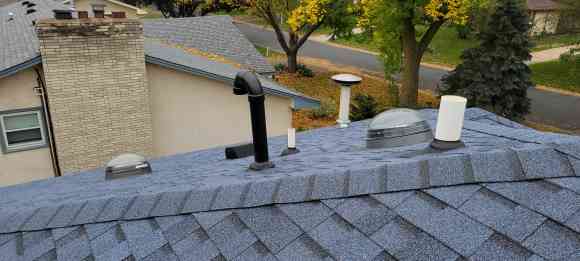
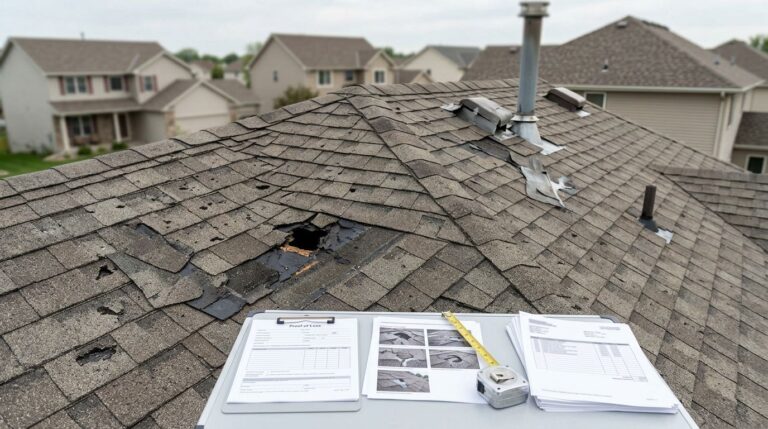
A hail damage roof may show fractured shingle mats, exposed asphalt, fresh impact marks, displaced shingles, or damaged flashing. Wind damage may appear as lifted tabs, creased asphalt shingles, missing pieces, or bent ridge vents.
A proper inspection separates old deterioration from fresh storm damage. That difference can decide whether the project is a limited residential roof repair or a broader residential roof replacement.
For a vacant Saint Paul or Minneapolis home, inspect attic insulation and decking as well. Water can enter at one location and appear elsewhere. An interior stain is not proof that the roof opening sits directly above it.
Flat and low-slope roofs require different testing
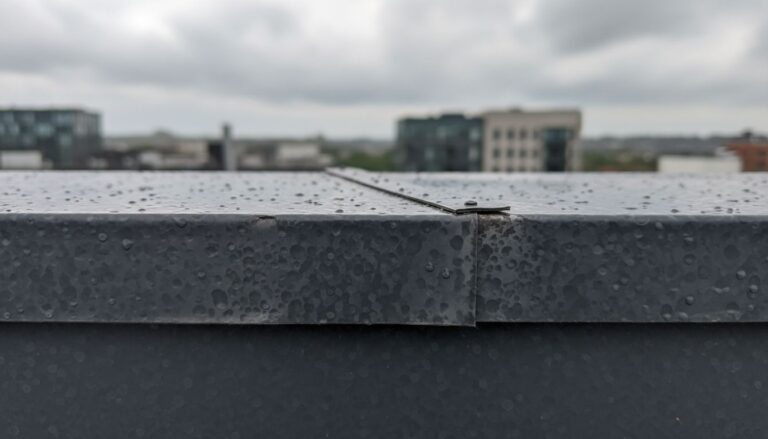
A commercial flat roof does not fail like shingles. TPO roofing and EPDM can develop open seams, lifted perimeter edges, punctures, or split flashings. Modified bitumen and BUR systems can have torn plies, failed laps, blisters, and hidden wet insulation.
A commercial roof inspection should identify the membrane type, the opening, and the spread of moisture. Water can travel beneath membrane laps, insulation boards, and metal deck flutes before reaching a ceiling tile.
When the source is unclear, commercial roof leak detection can document the water path with moisture readings, testing, and targeted test cuts.
Repair, Restoration, or Full Replacement?
A small opening does not always mean a new roof
Commercial roof repair may be the right scope when damage is isolated, surrounding materials are dry, and the membrane remains sound. The same logic applies to a few wind-damaged shingles on a residence.
Commercial roof restoration and commercial roof coatings can extend the service life of a dry, aging roof. They are not a fix for saturated insulation, failed attachment, active seams, or damaged decking. A coating installed over trapped moisture only hides the problem.
Widespread moisture can change the claim scope
Commercial roof replacement may be justified when moisture mapping shows widespread wet insulation, repeated seam failure, or damaged roof sections that cannot be restored reliably. Insurers often start with a limited patch scope because it is visible and measurable.
A contractor’s report can show why the first scope is too small. Photos, measurements, moisture maps, test cuts, damaged flashing, and code-required components can support a supplement. A supplement corrects missing covered work. It does not turn old maintenance into storm damage.
Property managers can Get a Free Commercial Roof Inspection before authorizing permanent work.
Minnesota Winter Adds Extra Risk to Empty Homes
Ice dams can create a separate claim issue
Ice dam removal can stop active water entry, but it does not automatically make the underlying damage covered. Insurers may look at attic ventilation, insulation, heat loss, roof condition, and whether the home was properly maintained.
A fresh ice-related opening may be treated differently from a recurring problem that developed over several winters. Photograph ice buildup, ceiling stains, wet insulation, and the roof edge before removal if conditions allow.
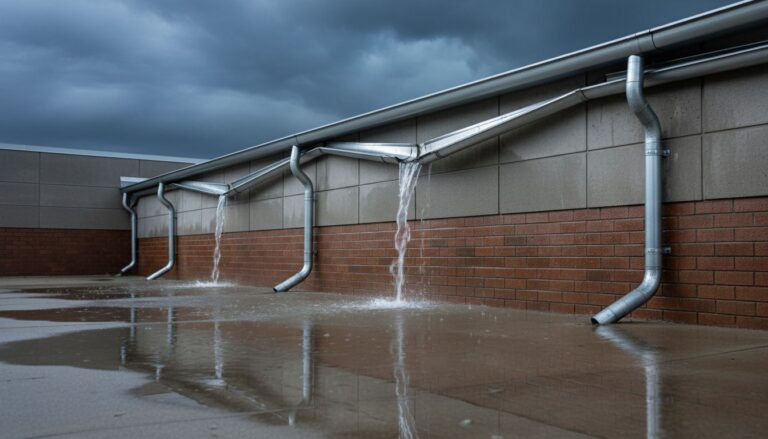
Snow load also matters on older garages, porches, flat roofs, and vacant commercial buildings. Keep drains clear, monitor sagging ceilings, and do not send untrained people onto icy roofs.
Regular checks protect the building and the claim
A vacant home should have a documented check schedule. Visit after hail, high winds, major snow events, and deep freezes. Verify heat, utilities, visible roof condition, attic moisture, and security.
For Twin Cities roofing properties, this routine is practical risk control. It also creates a record that the owner did not abandon the building after a loss.
Choose Documentation Over Assumptions
The contractor report should answer direct questions
Ask for a written report that identifies the roof material, storm date, likely cause, damaged components, moisture extent, emergency work, and recommended permanent scope. It should state what is old wear and what appears fresh.
That matters for Saint Paul roofing, Minneapolis roofing, and broader Minnesota roofing claims. A vague estimate gives the insurer little to review. A cause-based report gives both sides something concrete to compare.
Sellers Roofing Company has completed more than 1,100 residential and commercial roofs since 2017. Its crews include IUPAT Local 96 roofers, and the company holds MN License 803862. For owners who need a documented steep-slope scope, Get a Free Residential Roof Estimate.
Credentials do not replace evidence
GAF certified installation, union-built roofing, and a written workmanship scope matter when selecting a contractor. They do not decide insurance coverage. The policy and the evidence decide that.
Still, the right inspection can prevent a temporary patch from becoming a permanent mistake. A roof isn’t repaired by guessing where water came from.
Final Takeaway
Minnesota insurance can cover vacant home roof damage, but vacancy status can sharply reduce protection after 30 or 60 days. A covered storm event, timely notice, temporary mitigation, and strong documentation give the claim its best factual foundation.
Keep the property checked, protect it from added damage, and avoid permanent repairs until the cause and scope are clear.
Frequently Asked Questions
Can insurance deny a roof claim because nobody lived in the home?
Yes. A vacancy clause may limit payment after the stated number of vacant days. The denial should identify the policy language and the reason the clause applies. A storm claim may still be covered if the loss occurred before the vacancy restriction took effect.
What if the vacant home still had furniture inside?
Furniture can support an argument that the home was unoccupied rather than vacant, but definitions vary by policy. Utilities, regular visits, personal property, and intended use may all matter.
Will insurance pay for a tarp on a vacant house?
Reasonable temporary protection is often reimbursable under the main property claim when it prevents added damage. Photograph the roof first when safe, keep receipts, and avoid broad permanent patching before inspection.
Can a prior roof repair block a new claim?
No. A previous repair does not erase coverage for a new hail strike, wind tear, or branch impact. The insurer may separate old defects from new damage, so the inspection needs to identify each condition clearly.
Does a commercial building face the same vacancy rules?
Commercial policies can also contain vacancy conditions, though the wording may differ from a homeowners policy. Owners of warehouses, offices, retail sites, and mixed-use properties should review property, business-income, rental-value, and vacancy provisions together.
Need a roof inspection in Saint Paul or the Twin Cities? Call Sellers Roofing Company at +1-651-703-2336 or schedule a free estimate. We are a black-owned, NMSDC-certified MBE roofing contractor with 9+ years experience.