Last updated: 2026-05-26 by Ted Sellers, Owner
When Should You Call a Professional for Roof Repairs? Key Signs of Roof Damage to Observe
A single dripping ceiling stain can signal a hidden roof leak that compromises structural integrity and accelerates mold growth. Recognizing early indicators helps protect your home, prevent costly replacements, and ensure safety. In this guide, you’ll learn when to enlist a professional for roof repairs by examining signs of water intrusion, shingle deterioration, structural anomalies, flashing failures, drainage breakdowns, age-related wear, indirect warning signals, post-storm assessments, and urgent red flags. By the end, you’ll know exactly when to call a professional roofer for a thorough inspection and lasting solution.
What Are the Most Common Signs of Water Damage on Your Roof?
Water damage on a roof occurs when moisture breaches underlayment and decking, causing wood rot, compromised insulation, and mold growth that threaten home safety. Early detection of water intrusion is essential to prevent structural decay and indoor air quality issues.
How to Identify Ceiling Water Stains and Interior Leaks
Ceiling water stains appear as irregular brown or yellow patches on drywall or plaster, often accompanied by peeling paint and bubbling. These telltale marks form when roof leaks allow water to settle against the ceiling surface, weakening fibers and causing discoloration.
- Look for rounded or ring-like stains on flat ceilings.
- Inspect skylight surrounds and chimney junctions for damp spots.
- Note any drip patterns or moisture trails on attic floors.
Ceiling water stains indicate that moisture has already bypassed external roofing layers, making a professional for roof repairs essential to stop ongoing damage.
What Causes Water Stains on Ceilings?
Water stains on ceilings are often caused by roof leaks, plumbing issues, or condensation. Roof leaks can result from damaged shingles, flashing problems, or other roof damage. Plumbing leaks and condensation from poor ventilation can also lead to water stains.
This source supports the article’s discussion of ceiling water stains as a sign of roof damage and the need for professional inspection.
What Are the Warning Signs of Attic Moisture and Mold Growth?
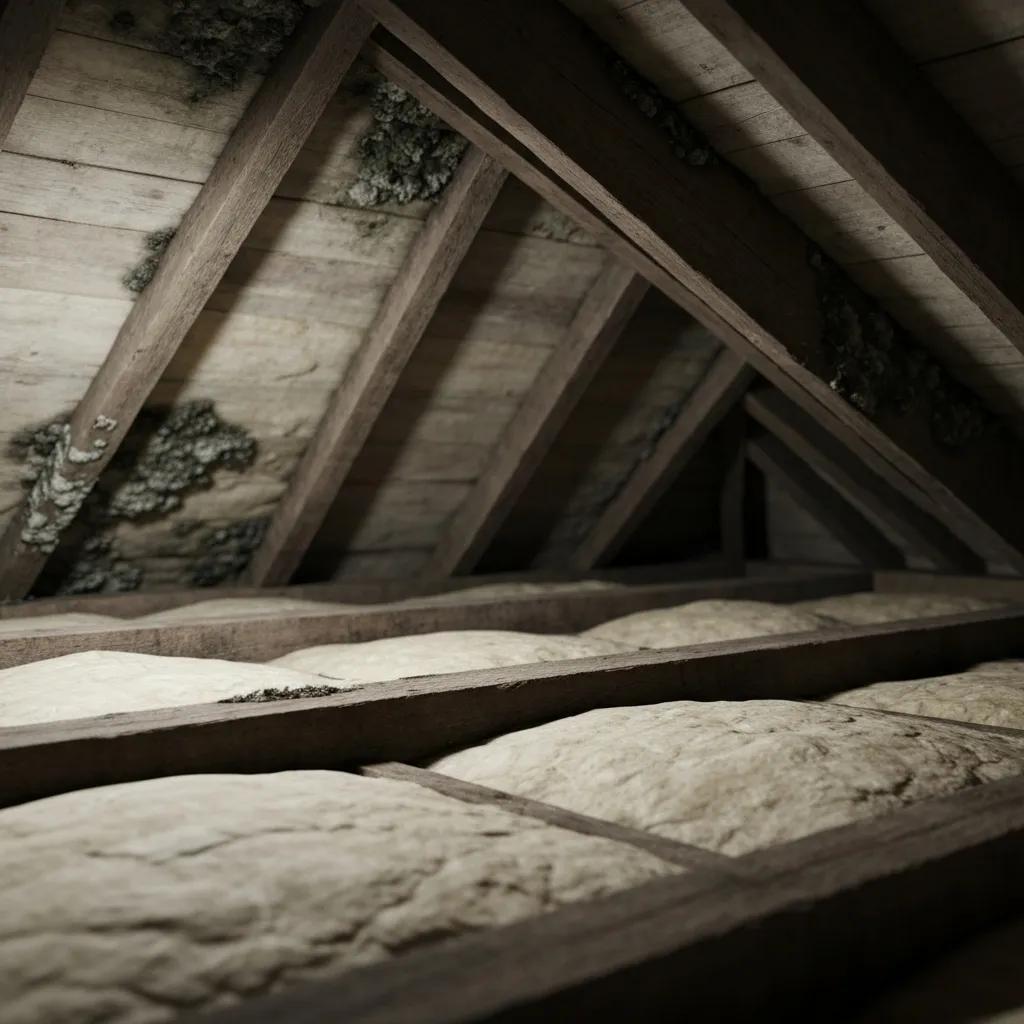
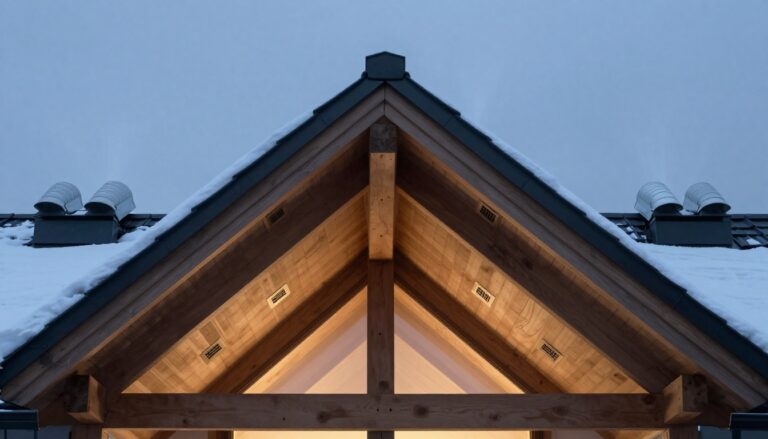
Attic moisture emerges as damp insulation, mold patches on rafters, and musty odors permeating living spaces. When humidity accumulates in an unventilated attic, mold spores thrive and compromise both structural timbers and indoor air quality.
- Search for dark, fuzzy mold colonies along roof sheathing.
- Feel insulation batts for dampness or compression.
- Smell persistent mildew odors near vents and eaves.
Unchecked attic moisture not only deteriorates decking and rafters but also spreads mold into living areas, underscoring the need to hire a professional for roof repairs promptly.
Why Is Bubbling or Blistering on the Roof Surface a Serious Concern?
Bubbling and blistering appear as raised, soft patches on shingles or membrane surfaces when trapped moisture beneath the protective layer expands under heat. This weakens weatherproofing, leading to accelerated shingle granule loss and eventual leaks.
- Bulges often form along valleys where water pools.
- Blisters may break open, revealing underlayment.
- Softer spots underfoot indicate delamination.
Surface blisters signal that roof materials have lost adhesion and require professional inspection and repair before widespread deterioration sets in.
How Can Shingle Problems Indicate the Need for Professional Roof Repair?
What Does Missing, Cracked, or Curled Shingles Mean for Your Roof’s Health?
Missing shingles leave voids in the weather barrier, while cracks and curling indicate material fatigue from UV exposure and freeze-thaw cycles. These defects create direct pathways for water and debris.
- Missing shingles reveal underlayment directly to the elements.
- Cracked shingles split along granule surfaces.
- Curled edges lift under wind pressure.
Any compromised shingle segment necessitates a professional for roof repairs to replace damaged areas and reseal the roof envelope.
Why Is Granule Loss in Gutters a Critical Sign of Shingle Deterioration?
Granule loss appears as sandy deposits in gutters and at downspouts, revealing that UV-protective coatings have worn away. Without granules, shingles lose fire resistance and become brittle, shortening service life.
- Granules accumulate as coarse sand in gutter troughs.
- Bare spots on shingle tops reveal dark asphalt.
- Accelerated granule shedding during storms indicates severe wear.
Excessive granule loss demands professional roof repair services to prevent rapid deterioration and maintain UV defense.
What is Granular Loss on a Roof?
Granular loss on asphalt shingles is the shedding of the protective granules that cover the shingle surface. This can be caused by weathering, UV exposure, hail, or other physical damage. Excessive granule loss can lead to reduced shingle lifespan and increased vulnerability to water damage.
This citation supports the article’s discussion of shingle granule loss as a sign of shingle deterioration and the need for professional roof repair.
How Do Exposed Nail Heads Affect Roof Integrity and Leak Risk?
Exposed nail heads occur when fastening points lift due to shingle shrinkage or improper installation. These puncture sites allow water to enter nail shafts, causing leaks that spread into decking and attic spaces.
- Look for rust stains around punctures.
- Press gently; loose nails yield movement.
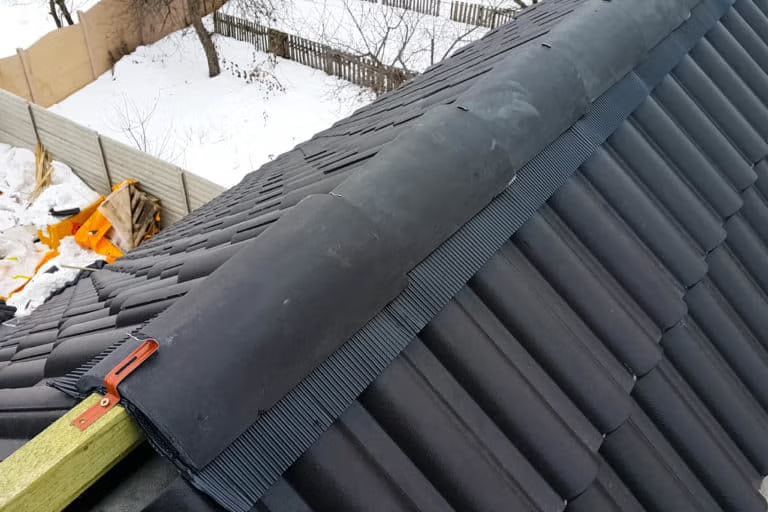
- Inspect nail lines near ridge caps and hip end shingles.
Professional roof repair ensures proper refastening, sealant application, and replacement of underlayment around vulnerable penetration points.
What Structural Issues Signal It’s Time to Call a Professional Roofer?
How to Recognize a Sagging Roofline or Deck and Its Dangers
A sagging roofline appears as dips or waves along eaves and ridges when rafters or decking weaken under moisture or excessive loads. This deformation undermines water runoff and can precipitate sudden collapse under snow or debris weight.
- Observe the roof silhouette from a distance for uneven curves.
- Press on decking from the attic to feel soft spots.
- Monitor interior ceilings for corresponding dips.
Sagging signals that roof framing has lost strength, requiring professional structural repair to reestablish proper load distribution.
Why Is Visible Daylight in the Attic a Sign of Roof Damage?
Photographic light leaks through roof sheathing or ridge vents indicate gaps in decking or failed underlayment seals. These openings admit rain, pests, and drafts, accelerating moisture problems and energy loss.
- Scan attic interior walls and ceiling planes at sunrise.
- Look for pinpoint beams through shingle nails or cracks.
- Feel air drafts when wind blows outside.
Visible daylight confirms that roof layers are breached, making a professional for roof repairs essential to reseal and waterproof the structure.
How Do Flashing and Roof Penetration Problems Indicate Urgent Repairs?
What Are the Signs of Damaged or Corroded Chimney Flashing?
Chimney flashing surrounds the base of a chimney to divert water away. Corrosion, rust, or sealant cracks create leak paths where water can seep into roofing felt and attic.
- Inspect metal flashing for rust spots or pitting.
- Feel for gaps between flashing and chimney masonry.
- Look for cracked or missing roof sealant at flashing edges.
Damaged chimney flashing demands professional roof repair to remove corroded sections, install new flashing, and apply high-performance sealant.
Signs of Damaged Roof Flashing
Damaged roof flashing can lead to water intrusion and leaks. Signs of damage include rust, corrosion, cracks, and missing pieces. Water stains on ceilings or walls can also indicate a problem with the flashing.
This source supports the article’s discussion of flashing failures and the need for professional roof repair.
How to Detect Skylight and Vent Seal Issues That Cause Leaks
Seals around skylights and roof vents degrade under UV exposure and thermal cycling, leading to cracked gaskets and separation from the roof deck. Water pools and enters through these often-overlooked penetrations.
- Check for water stains directly beneath skylight frames.
- Observe curled or brittle rubber seal around vents.
- Spray water tests reveal active leak points.
Professional inspection and resealing ensure resilient, watertight flashing that preserves roof integrity.
When Do Drainage System Issues Require Professional Roof Inspection?
How Do Clogged Gutters Lead to Water Overflow and Roof Damage?
Clogged gutters block downspouts, forcing water to overflow under shingles and behind fascia, leading to wood rot, soffit decay, and undermined underlayment.
- Identify overflowing water during rain events.
- Inspect gutters for leaf, seed, and debris buildup.
- Examine fascia boards for water stains or rot.
Clearing and repairing gutter systems by a professional roofer restores proper drainage and protects roof edges.
Why Is Pooling Water on Flat Roofs a Warning Sign?
Flat roofs rely on precise slope and drain placement; any water pooling increases membrane stress, causes soft spots, and leads to leaks. Adhesive seams weaken under standing water, exacerbating failures.
Persistent ponding indicates that structural adjustments or new drainage installations are necessary to maintain roof health.
How Does Roof Age and Wear Influence the Need for Professional Repairs?
When Is Your Roof’s Lifespan Nearing Replacement?
Most asphalt shingle roofs last between 15 and 30 years depending on installation quality and maintenance. As age-related wear sets in, common failure points multiply.
- Check manufacturer’s warranty for design lifespan.
- Compare neighbor roof ages in similar climate zones.
- Note accelerated issues like multiple leaks or widespread blistering.
If your roof nears its designed lifespan and shows multiple signs of distress, hiring a professional roofer ensures proper diagnosis and replacement planning.
What Are the Signs of General Wear and Tear on Your Roof?
General wear emerges as faded granule color, stiff shingle edges, and slight warping in valleys. Although minor at first, these signs accumulate into major vulnerabilities over time.
- Faded surfaces lose reflective qualities.
- Shingle edges become brittle and break under pressure.
- Valleys show early signs of cracking or splitting.
Gradual wear underscores the value of professional maintenance and timely repairs to avoid sudden failures.
What Indirect Signs Suggest You Should Call a Professional Roofer?
How Can Increased Energy Bills Signal Roof Insulation or Ventilation Problems?
When roof insulation becomes damp or vent channels clog, heat transfer increases, forcing HVAC systems to work harder. Spiking energy costs often coincide with hidden roof ventilation issues.
- Compare energy bills month-to-month for abnormal surges.
- Inspect attic vents for blocked airflow.
- Feel attic insulation for moisture accumulation.
Professional roof inspections identify leaks and ventilation failures to restore thermal efficiency and reduce energy expenses.
Why Do Pest Infestations in the Attic Point to Roof Damage?
Rodents and insects enter through gaps in roofing, vents, or decayed sheathing. Their presence often reveals unsealed penetration points that also allow moisture in.
- Listen for scratching sounds in attic joists.
- Look for droppings near roof penetration points.
- Track mud tunnels on wood surfaces by insects.
Repairing entry points and replacing compromised decking requires professional expertise to secure the building envelope against pests and moisture.
When Should You Schedule a Professional Roof Inspection After a Storm?
What Are the Hidden Signs of Hail Damage on Your Roof?
Hail stones create impact bruises on shingle granules, exposing underlying asphalt and weakening granule bond. Repeated hail strikes can fracture fiberglass mats inside shingles.
- Check for dark circular spots where granules are missing.
- Inspect gutter for granular residue from hail impacts.
- Tap suspect areas; a dull thud indicates internal mat damage.
Professional hail damage assessment documents impact sites and determines whether repair or replacement is needed for warranty and insurance purposes.
How to Identify Wind Damage and Its Impact on Roof Integrity
High winds lift shingle edges, crack sealant strips, and can tear off entire shingles or ridge caps, exposing underlayment to weathering and leaks.
- Observe lifted or missing shingles along windward edges.
- Look for granule rub-off near wind damage zones.
- Inspect flashing for loosened or bent metal.
A professional roof contractor evaluates wind-induced stress points and secures loose components to restore full protection.
Why Are Heavy Snow and Ice Dams Dangerous for Your Roof?
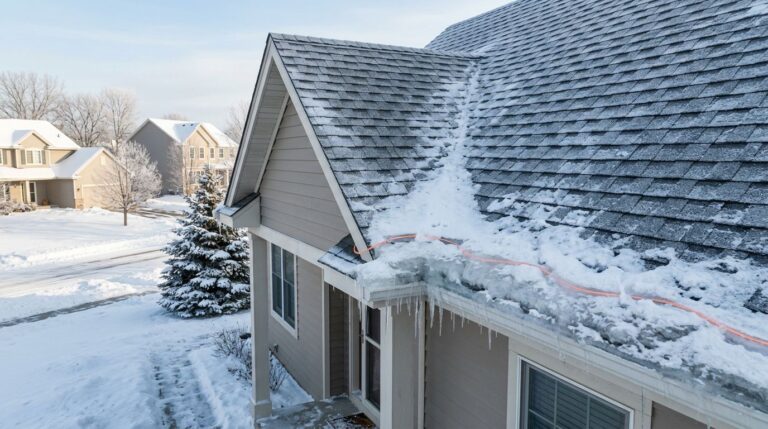
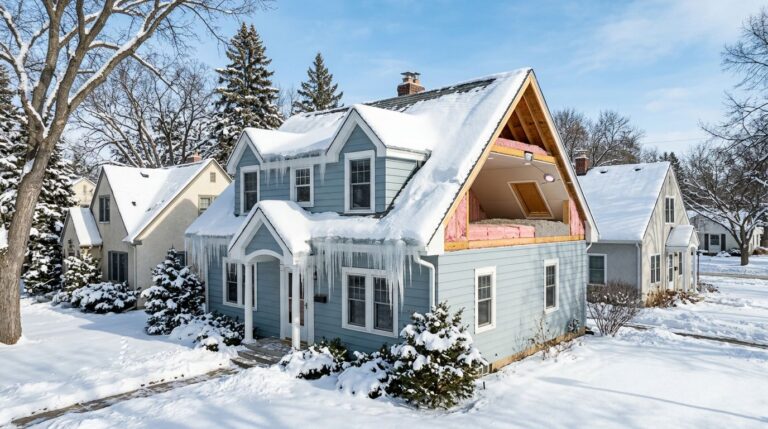
Ice dams form when heat loss melts snow near the ridge and refreezes at eaves, trapping meltwater that seeps under shingles and into interior cavities.
What Causes Ice Dams?
Ice dams form when heat escapes from a house through the attic, melting snow on the roof. The meltwater then refreezes at the eaves, creating a dam that can lead to water leaks and damage. Proper insulation and ventilation can help prevent ice dams.
This source supports the article’s discussion of ice dams and their potential for causing roof damage.
How Do You Know When to Call a Professional Roofer for Urgent Repairs?
What Are the Top Urgent Roof Repair Signs Every Homeowner Should Watch For?
- Active Leaks – Water dripping into living spaces indicates advanced membrane failure.
- Sagging Sections – Visible deck deformation poses collapse risk under load.
- Large Missing Shingle Areas – Entire zones without shingles expose wide areas to water.
- Cracked Flashing – Major penetration leaks form around chimneys and vents.
- Extensive Granule Loss – Bare asphalt surfaces accelerate degradation and fire risk.
Why Is Professional Expertise Essential for Safe and Long-Lasting Roof Repairs?
Professional roof repair services combine industry-grade materials, certified techniques, and safety protocols that DIY efforts cannot match. Technicians assess hidden damage, secure work areas, and apply warranty-backed solutions.
- Trained crews use fall-protection systems and scaffoldings.
- Quality materials preserve warranty coverage.
- Comprehensive inspections reveal concealed issues.
Investing in professional expertise ensures reliable, durable repairs that protect your home’s value and your family’s well-being.
Timely recognition of roof damage signs—from water intrusion to storm impacts—saves homeowners significant repair costs and preserves structural integrity. When you observe stains, sagging, missing shingles, or flashing failures, calling a professional roofer offers safety, precise diagnostics, and durable solutions. Scheduling regular inspections after storms or when energy bills spike prevents minor issues from becoming major failures. Don’t wait for leaks to worsen: enlist expert roof repair services now to secure your home against the next weather event.
Need a roof inspection in Saint Paul or the Twin Cities? Call Sellers Roofing Company at +1-651-703-2336 or schedule a free estimate. We are a black-owned, NMSDC-certified MBE roofing contractor with 9+ years experience.