Last updated: 2026-05-26 by Ted Sellers, Owner
5 Essential Steps to Effectively Compare Roofing Quotes From Contractors in Blaine
When you’re ready to invest in a new roof or a major repair, comparing multiple contractor estimates ensures you get the best value, quality, and peace of mind. In this guide, we’ll walk you through five essential steps—understanding quote components, verifying credentials, comparing warranties, assessing project scope and timeline, and reviewing contract clauses—plus how Blaine’s climate and insurance process influence your decision. You’ll learn how to decode line-by-line pricing, avoid hidden fees, vet Minnesota license and insurance requirements, evaluate manufacturer versus workmanship guarantees, and navigate permits. Along the way, discover why local expertise matters and when to call in professional advice. For trusted Blaine roofing services that align with these criteria, explore our trusted Blaine roofing services, where transparency meets experience.
What Should a Detailed Roofing Quote Include?
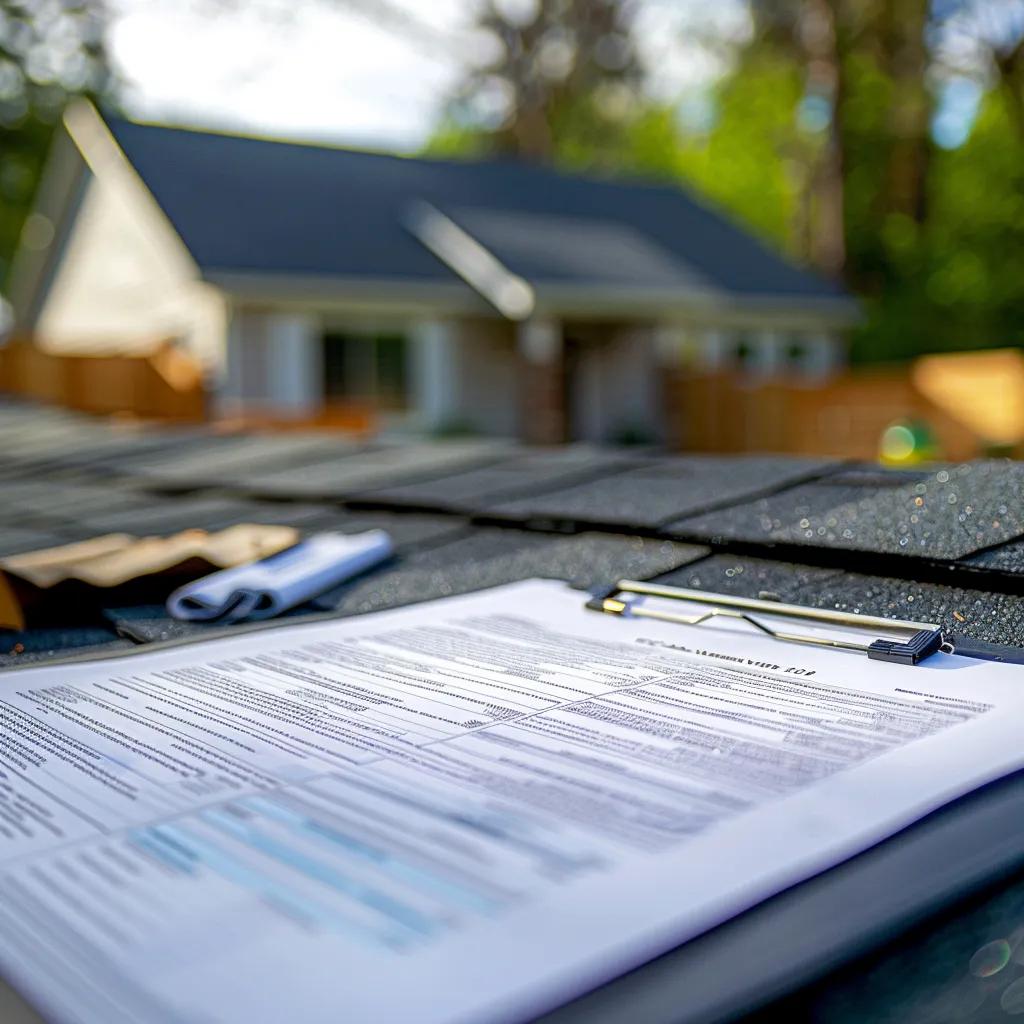
A detailed roofing quote is an itemized estimate that breaks down material costs, labor charges, permit fees, and cleanup services, giving you clarity on total investment and supplier quality. By specifying shingle brands, underlayment type, and anticipated labor hours, it prevents surprises and empowers you to compare apples to apples. For example, a quote listing “Owens Corning Duration Shingles – 30 squares” plus “Ice-and-Water Shield along eaves” lets you gauge material quality before signing.
How Are Roofing Quote Line Items Broken Down?
Before reviewing multiple quotes, recognize that each estimate typically splits into three core line items:
- Materials: Lists roofing products (shingles, underlayment, flashing) by brand, style, color, and quantity.
- Labor: Details crew size, installation hours, removal of old roofing, and safety equipment.
- Permits & Fees: Includes city permit costs, inspection fees, and debris-hauling expenses.
Each component drives overall cost. Understanding material grades and labor-hour assumptions positions you to spot under- or over-estimations before moving on to credential verification.
What Hidden Costs Should You Watch for in Roofing Quotes?
Even a detailed quote can conceal fees that inflate your final bill:
- Roof Deck Repair: Additional plywood or sheathing replacements not included in base estimate.
- Waste Disposal: Extra charges for oversized dumpsters or extended rental periods.
- Slope Premiums: Steep-roof surcharges if pitch exceeds 6:12.
- Weather Delays: Day-rate standby fees for crew idle time during unplanned weather holds.
Knowing these common exclusions prevents sticker shock and informs your comparison of true net costs.
How Do You Read and Understand a Roofing Contract?
A roofing contract formalizes the quote and sets legal expectations. Key sections to review include:
- Scope of Work: Exact tasks, materials, and cleanup standards.
- Payment Schedule: Deposit amount, milestone payments, and final settlement terms.
- Change Order Process: How unforeseen issues are documented and priced.
- Warranty Details: Coverage scope, term length, and required homeowner maintenance.
Thoroughly reading each clause ensures enforceable guarantees and clear financial commitments before any work begins.
How Can You Verify Roofing Contractor Credentials in Blaine?
Verifying credentials is crucial to ensure safety, compliance, and workmanship quality. A legitimate Blaine roofer holds a Minnesota roofing license, carries adequate insurance, and demonstrates a track record of successful projects under local climatic conditions. Checking credentials early prevents disputes and project delays.
How Do You Check Licensing and Insurance for Minnesota Roofers?
Minnesota requires roofing contractors to register with the Department of Labor and Industry. Verify:
- License Status: Search the state registry by name or license number.
- Liability & Workers’ Comp Insurance: Request certificates with current effective dates and coverage limits.
Confirming these credentials minimizes liability for injuries or property damage during your project and signals professional accountability.
What Questions Should You Ask Roofing Contractors Before Hiring?
When interviewing contractors, ask:
- “Can you provide your Department of Labor and Industry license number?”
- “What brands and grades of shingles do you recommend for Blaine’s weather?”
- “Can I see examples of completed projects and homeowner references?”
- “How do you handle unexpected repairs or change orders?”
- “What is your clean-up and debris removal process?”
These targeted questions reveal expertise, responsiveness, and transparency—key indicators of a reliable partner.
How Important Are References and Reviews When Choosing a Roofer?
References and online reviews offer firsthand insights into a contractor’s work ethic, punctuality, and quality. Look for:
- Recent Project Photos: Visual proof of craftsmanship.
- Homeowner Testimonials: Comments on communication, cleanup, and warranty follow-through.
- Third-Party Reviews: Ratings on platforms like Google or the BBB.
Positive social proof correlates with lower risk and smoother project execution.
How Do You Compare Roofing Warranties and Guarantees?
Warranties protect your investment against defects and poor installation. Comparing manufacturer and workmanship warranties across quotes ensures long-term value and peace of mind, especially in Blaine’s extreme weather cycles.
What Is the Difference Between Manufacturer and Workmanship Warranties?
Manufacturer warranties cover product defects in shingles, underlayment, and accessories for a specified term—often 25 to 50 years. Workmanship warranties, provided by the contractor, guarantee proper installation and sealing, typically lasting 1 to 10 years. Understanding both types clarifies who is responsible if issues arise.
Roofing Warranties and Material Selection
Roofing warranties are essential for protecting investments against defects and poor installation. Manufacturer warranties cover product defects, while workmanship warranties, provided by the contractor, guarantee proper installation. Understanding both types clarifies responsibilities if issues arise, especially in areas with extreme weather conditions.
This research supports the article’s discussion on the importance of understanding the difference between manufacturer and workmanship warranties.
What Voids a Roofing Warranty and How to Avoid It?
Common warranty voiders include:
- Improper Ventilation: Failing to install ridge or soffit vents per manufacturer guidelines.
- Non-approved Components: Substituting underlayment or flashing without manufacturer approval.
- Lack of Maintenance: Ignoring regular gutter cleaning or neglecting moss removal.
- Unauthorized Repairs: Hiring unlicensed technicians for patch fixes.
Adhering to installation protocols and scheduling annual inspections preserves warranty validity.
Which Roofing Materials Offer the Best Warranty Options in Blaine?

In Blaine’s freeze-thaw environment, these materials deliver robust coverage:
Selecting materials with longer guarantees reduces long-term risk and maintenance costs.
How Should You Assess Project Scope and Timeline in Roofing Quotes?
Accurate project scoping and realistic scheduling align expectations and streamline communication. A clear timeline prevents extended weather delays, while defined site-protection standards safeguard your property.
What Is a Typical Project Schedule for Roofing in Blaine?
A standard residential roof replacement in Blaine follows:
- Day 1: Mobilization, old roof removal, deck inspection.
- Day 2: Underlayment installation, drip edge placement, starter course.
- Day 3: Shingle installation, flashing set-up, ridge cap placement.
- Day 4: Final inspections, cleanup, and homeowner walkthrough.
This four-day timeline can extend if deck repairs or permit approvals are required.
How Is Communication Managed During a Roofing Project?
Effective communication uses:
- Daily Progress Reports: Short updates via text or email with photos.
- Point-of-Contact: Dedicated project manager coordinates questions and change orders.
- Weather Alerts: Advance notices for anticipated delays.
Consistent updates keep you informed and reduce surprises.
What Are the Standards for Debris Removal and Property Protection?
Protective measures include:
- Tarping & Drop Cloths: Shield landscaping, siding, and driveways.
- Magnetic Sweepers: Collect stray nails and metal fragments.
- Designated Dumpsters: Confine debris for easy removal.
Maintaining a clean worksite minimizes risk and restores your yard immediately after completion.
What Are the Key Clauses to Review Before Finalizing a Roofing Contract?
Reviewing contract clauses ensures legal and financial safeguards before work commences. Understanding payment terms, change-order processes, and dispute resolution protects you from misunderstandings.
Which Payment Terms and Change Orders Should You Expect?
A fair roofing contract outlines:
- Deposit Limit: Typically 10–20% of total cost due at signing.
- Milestone Payments: Scheduled payments upon material delivery and mid-project.
- Final Payment: Due after inspection and cleanup.
- Change-Order Process: Written estimates and sign-off required for additional work.
These controls prevent overpayment and undocumented scope creep.
How Do You Finalize and Sign a Roofing Agreement?
Finalizing your contract involves:
- Document Review: Ensure scope, timeline, warranties, and payment schedules match the accepted quote.
- Signatures: Both homeowner and contractor sign and date all pages.
- Record Copies: Keep a scanned copy for future reference and permit submittal.
Completing these steps creates a binding agreement you can enforce if issues arise.
When Should You Seek Professional Advice on Roofing Contracts?
Consult an attorney or construction advisor if:
- Complex Change Orders: Significant scope additions or structural modifications.
- Large Projects: Commercial roofs or multi-home developments.
- Ambiguous Terms: Vague clauses around liability, indemnification, or arbitration.
Professional review provides additional legal assurance before committing to major expenditures.
How Does Local Blaine Weather and Regulations Affect Roofing Quotes?
Blaine’s cold winters, frequent hail events, and specific building codes influence material selection, labor requirements, and permit costs. Factoring these local considerations ensures accurate quotes and compliant installations.
What Roofing Materials Are Best Suited for Blaine’s Climate?
Materials designed for freeze-thaw cycles include:
Blaine’s Climate and Roofing Materials
The choice of roofing materials should consider the local climate. Materials designed for freeze-thaw cycles, such as impact-resistant shingles and metal roofing, offer better performance and longevity in Blaine’s environment. These choices reduce weather-related repair frequency and extend roof life.
This citation supports the article’s recommendations for selecting roofing materials suitable for Blaine’s climate.
How Do Blaine Building Codes and Permits Impact Roofing Projects?
City of Blaine requires:
- Permit Application: Submission of detailed scope, contractor license, and site plans.
- Inspections: Rough inspection after underlayment and final inspection upon completion.
- Setback & Weatherproofing Standards: Compliance with local wind-uplift and ice dam prevention guidelines.
Permit fees and inspection timelines should be included in quotes to avoid hidden delays.
What Are Common Storm Damage Types in Blaine and Their Repair Costs?
Frequent events and typical repair scopes:
- Hail Damage: Shingle replacement, flashing checks — $2,000–$6,000.
- Wind Damage: Ridge cap and leak repairs — $1,500–$4,000.
- Ice Dams: Underlayment replacement and heat cable installation — $1,200–$3,500.
Including these risk-based contingencies provides a more accurate budget framework.
How Can You Navigate Insurance Claims for Storm Damage Roof Repairs in Blaine?
Filing an insurance claim correctly ensures maximum coverage and timely repairs. Contractors experienced with adjusters can document damage and negotiate fair settlements on your behalf.
What Is the Step-by-Step Process for Filing a Roof Insurance Claim?
To secure storm damage funding:
- Document Damage: Take date-stamped photos of hail dents, missing shingles, and leaks.
- Contact Insurer: Report the event and request claim forms.
- Schedule Inspection: Coordinate your contractor and adjuster site visit.
- Review Estimate: Compare adjuster’s report with contractor’s quote.
- Approve Repairs: Sign the insurance estimate and contractor agreement.
Following this sequence reduces processing delays and out-of-pocket costs.
How Do Roofing Contractors Assist With Insurance Adjusters?
Experienced contractors:
- Provide Xactimate Estimates: Industry-standard software reports that align with adjuster’s formats.
- Attend Adjuster Meetings: Advocate for full scope documentation and correct pricing.
- Submit Supplementals: File additional damage claims if hidden issues emerge.
Their advocacy streamlines approvals and ensures repairs match insurer allowances.
What Should You Know About Insurance Coverage Limits and Exclusions?
Policy nuances affecting your claim:
- Depreciation vs. Replacement Cost: Understand if your policy reimburses actual cash value or full replacement.
- Deductible Structure: Confirm per-event or annual aggregate deductibles.
- Exclusions: Some policies omit wear-and-tear or certain underlayment products.
Reviewing your coverage early avoids denied claim surprises and aligns expectations on your share of costs.
Investing time to dissect each component of a roofing estimate, verify contractor credentials, compare warranty terms, assess project logistics, and finalize contract clauses positions you for a successful roof installation in Blaine. By accounting for local weather demands and mastering the insurance claims process, you’ll secure dependable roofing solutions with transparent pricing and lasting protection. Partnering with reputable local professionals ensures your home remains safe, efficient, and well-maintained for decades.
Need a roof inspection in Saint Paul or the Twin Cities? Call Sellers Roofing Company at +1-651-703-2336 or schedule a free estimate. We are a black-owned, NMSDC-certified MBE roofing contractor with 9+ years experience.