Last updated: 2026-09-19 by Ted Sellers, Owner
Short answer: Yes. An attic air sealing ice dams plan can stop heat leaks that melt roof snow, then refreeze it at cold eaves. It won’t solve every ice dam. Deep snow, weak insulation, blocked ventilation, roof defects, and poor drainage can still cause ice buildup and water entry.
When Attic Air Sealing Ice Dams Are a Real Risk
Heat leakage is the first condition to test
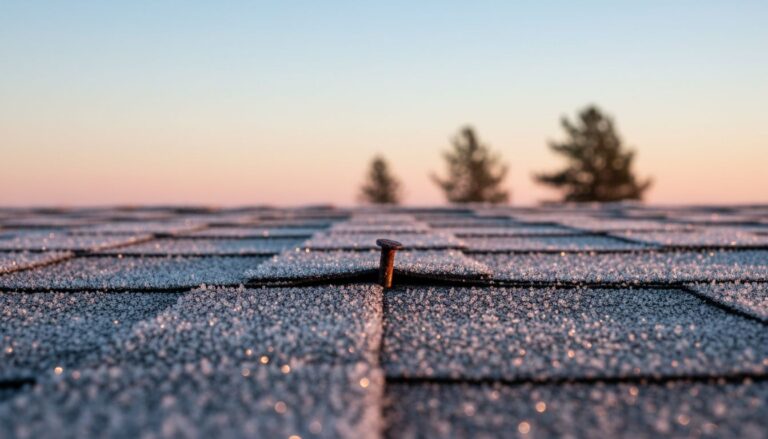
Attic air sealing applies when ice dams return in the same places each winter, especially above warm rooms. Look for frosty nails, damp attic sheathing, cold drafts near ceiling fixtures, or snow melting faster over one section of the roof.
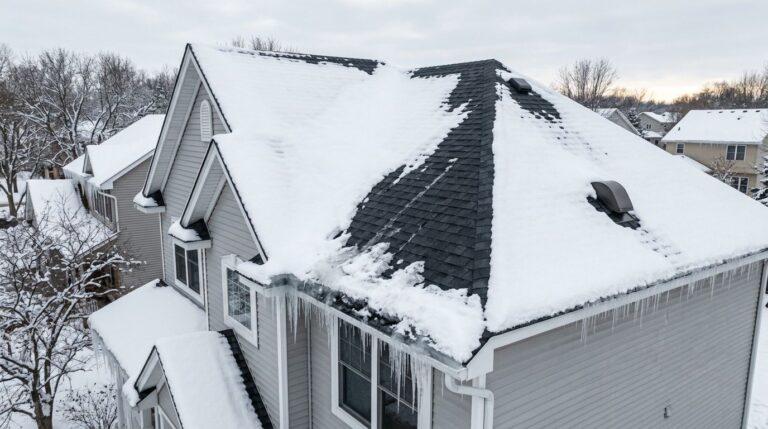
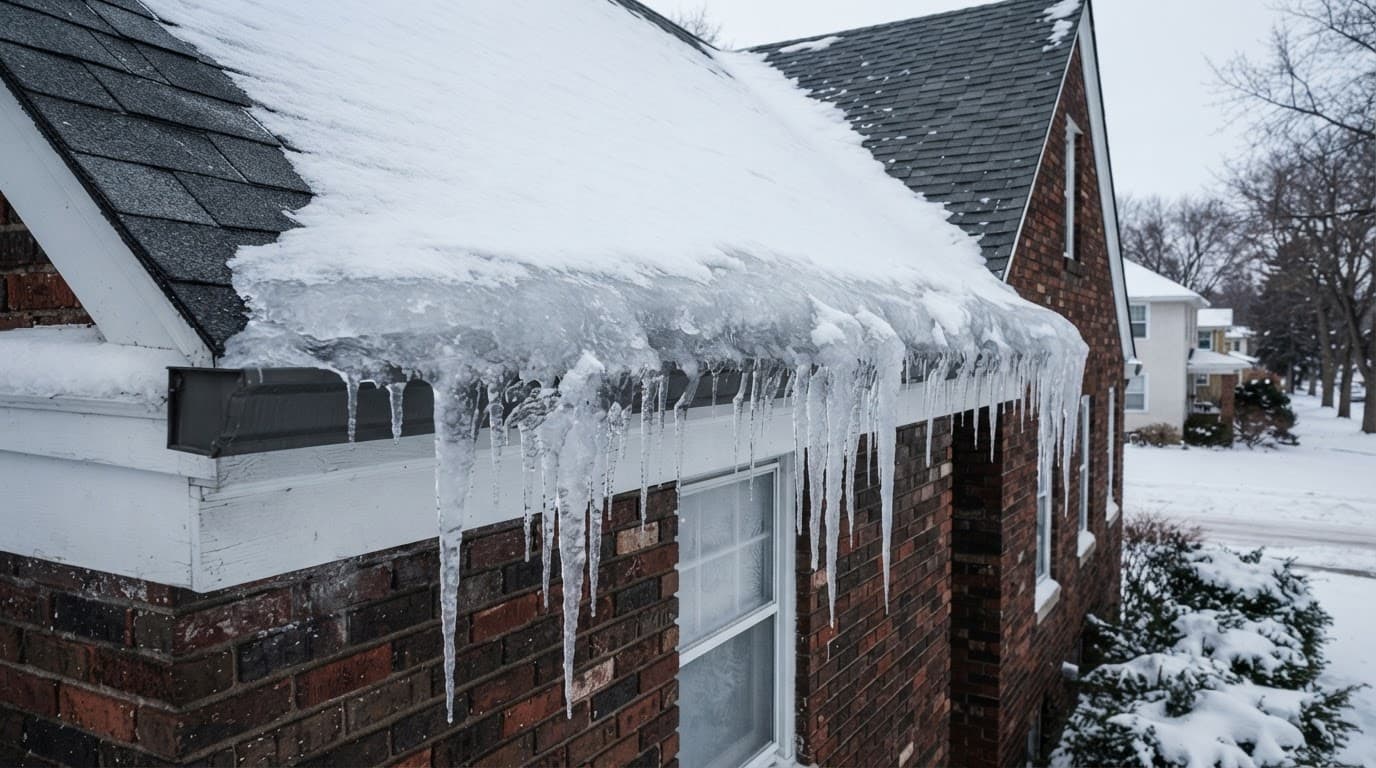
Warm household air rises through small openings. Plumbing stacks, recessed lights, attic hatches, open wall cavities, chimney chases, and wiring holes can all feed heat into the attic. The roof deck warms, snow melts, and meltwater runs downhill. At the overhang, it reaches colder roof material and freezes. That heat path reaches beyond heated rooms too, since ice dams can form over unheated garages when heat from the connected home reaches the roof deck through an attic, shared wall, or duct chase.
That frozen ridge blocks the next wave of meltwater. Water then works backward under shingles, flashing, and underlayment.
Ice at the gutter is a symptom. The heat path inside the attic often explains why the ice keeps returning.
Minnesota homes with complex rooflines are especially exposed. Valleys, dormers, skylights, cathedral ceilings, and north-facing eaves hold snow longer. Older Saint Paul, Minneapolis, Roseville, and Maplewood homes may also have attic bypasses hidden beneath old insulation.
Cases where air sealing alone is not enough
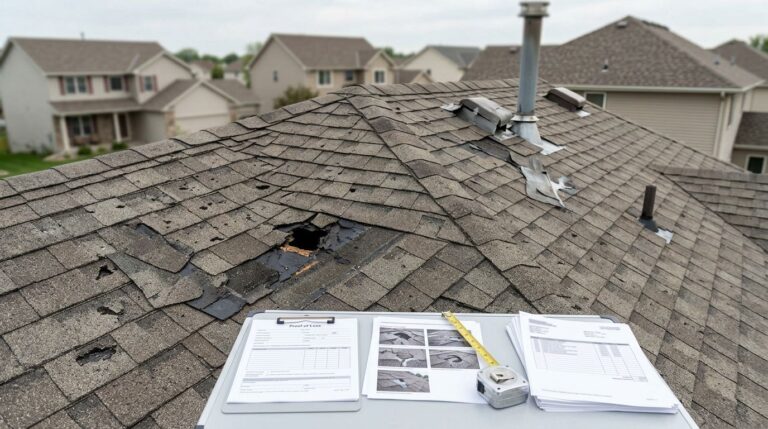
Air sealing won’t repair cracked shingles, detached flashing, a failed valley, or a storm-created roof opening. A hail-damage roof or storm-damaged roof needs an inspection before anyone blames the attic.
It also has limits on homes with low roof pitch, heavy snow loads, or poor drainage at eaves. Pacific Northwest National Laboratory’s ice dam prevention guidance makes the same point: air sealing, insulation, and ventilation work as one roof-temperature control system.
Step-by-Step: Stop Attic Heat Before It Reaches the Roof
Find and seal the major attic bypasses first
-
Start inside the home. Note where ceiling stains, cold rooms, frost, or repeated ice dams appear. Check upper-floor bathrooms, kitchen ceilings, recessed lighting, attic access panels, and rooms below roof valleys. A pattern helps locate the heat source before insulation hides it.
-
Inspect the attic safely. Enter only with stable footing, proper lighting, and dry conditions. Don’t walk between ceiling joists. Look for darkened insulation, frost on framing, gaps around pipes, and bare drywall at top plates. Photograph conditions before moving insulation.
-
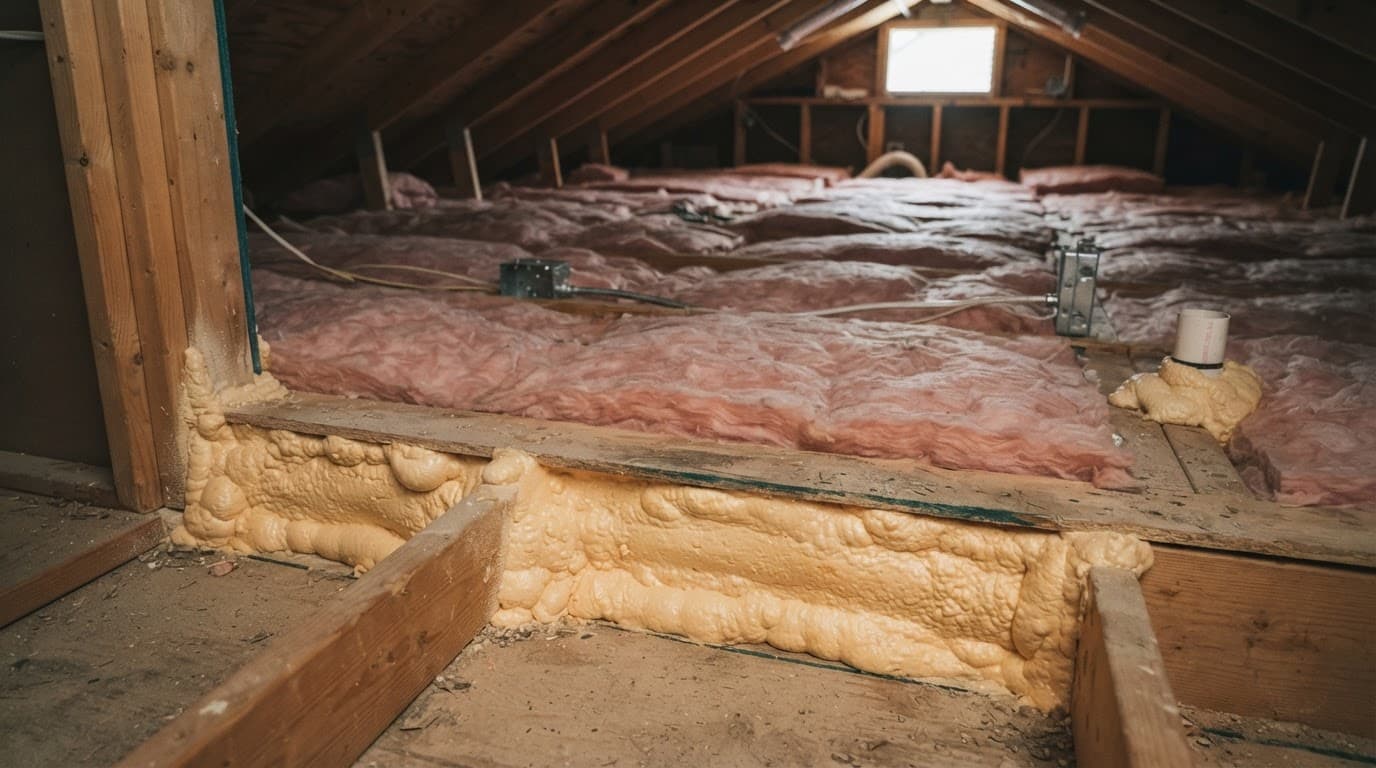
Seal the largest openings before adding insulation. Use appropriate caulk, rigid blocking, spray foam, or fire-rated materials based on the opening. Chimney and flue clearances need noncombustible materials and required spacing. Never foam directly against a hot vent or chimney.

-
Fix the attic hatch and smaller penetrations. Weatherstrip the hatch, add rigid insulation to its top, and seal gaps around electrical boxes, plumbing vents, bath fan housings, and duct chases. A loose hatch can act like an open window into the attic.
-
Add or correct insulation after sealing. Insulation slows heat flow, but it cannot stop warm air moving through open gaps. Minnesota attic upgrades often target R-49 to R-60, depending on the assembly and local requirements. This Minnesota ice dam insulation overview explains why insulation depth alone won’t solve a leaky attic. Keep soffit baffles clear so insulation does not block intake ventilation.
-
Confirm intake and exhaust ventilation. Soffit vents bring cold air in, while ridge or roof vents release it. Ventilation cools the roof deck after air leaks are controlled. Don’t add vents blindly. A roof with inadequate intake, disconnected bath fans, or blocked baffles needs a balanced correction, not random holes in the roof.
What Air Sealing Cannot Fix on Its Own
Roof damage and snow load need a separate decision
A roof rake can reduce snow depth near eaves. Professional ice dam removal can also stop water from backing under roofing during an active event. Neither service corrects heat loss through the attic.
Avoid chopping ice with an axe, hammer, or metal shovel. That can crack asphalt shingles, bend gutters, puncture membrane, and damage flashing. Low-pressure steam removal is safer for a roof that already has heavy ice buildup.
If water is entering, protect the interior first. Move contents, place containers below drips, and photograph wet ceilings or insulation. If conditions are urgent, Call 651-703-2336 for 24/7 Emergency Roofing.
Document cause before filing a claim
A roof insurance claim depends on cause. Insurance may treat water from a sudden wind opening differently than water tied to long-term heat loss, deferred maintenance, or worn materials.
Keep the record factual. Photograph ice, the roof edge, interior staining, damaged insulation, and any visible flashing failure. Temporary mitigation is sensible. Broad permanent work before documentation can erase evidence of whether the problem was an ice dam, an old leak, or fresh storm damage.
A Commercial Flat Roof Has Different Failure Points
Membrane roofs require system-specific inspection
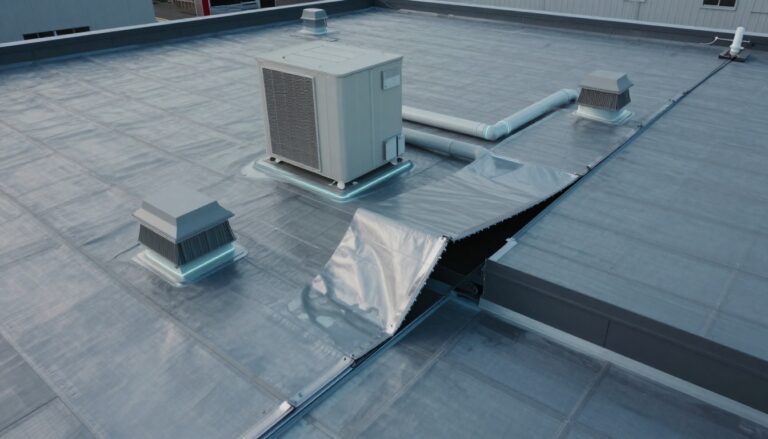
An attic may exist below a sloped roof section on a commercial building, but a commercial flat roof usually has a different moisture path. TPO roofing, EPDM, modified bitumen, and BUR can leak at seams, drains, edge metal, penetrations, and parapet flashing.
A ceiling stain does not always sit below the opening. Water can travel under membrane laps, insulation boards, and metal deck flutes before it appears inside. That is why commercial roof leak detection services matter when the source isn’t obvious.
A commercial roof inspection should identify the roof system, moisture spread, drainage condition, and insulation saturation. Localized damage may allow commercial roof repair. Wet insulation, widespread seam failures, or failed attachment can move the project toward commercial roof replacement.
Commercial roof restoration and commercial roof coatings can extend the service life of a dry, sound membrane. They do not fix wet insulation, loose perimeter metal, active leaks, or a damaged deck. Property managers can Get a Free Commercial Roof Inspection before choosing repair, restoration, or replacement.
Use the right scope for steep-slope homes
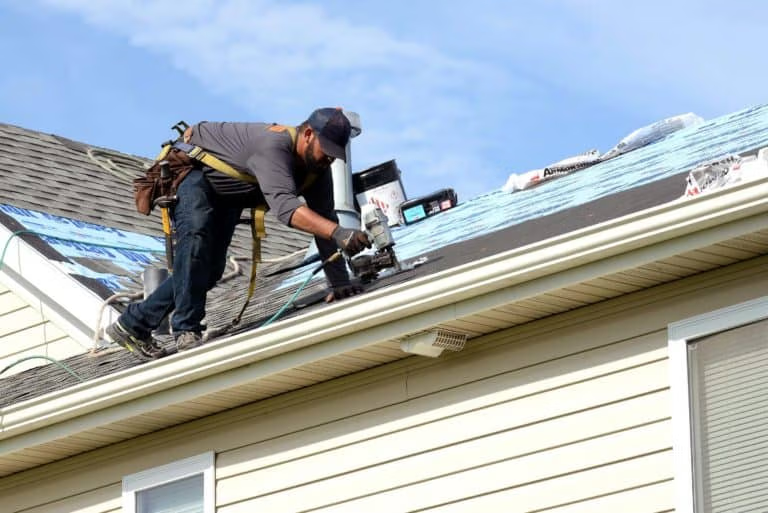
Residential roof repair is appropriate for isolated flashing damage, a few broken shingles, or a small leak with dry decking. Residential roof replacement becomes more reasonable when shingles are brittle, damage is widespread, or repairs have become repetitive.
The same care applies to metal roofing. Ice can form at eaves and valleys, but loose fasteners, damaged panel seams, and failed closures need roof work, not more attic insulation.
For Saint Paul roofing, Minneapolis roofing, and Twin Cities roofing projects, look for clear documentation and roof-system experience. Sellers Roofing Company has completed more than 1,100 roofs since 2017, with union-built roofing crews connected to IUPAT Local 96, Carpenters Local 322, and Laborers Local 563. A GAF certified contractor with MN License 803862 can document the condition before major work begins. Homeowners can also Get a Free Residential Roof Estimate when the repair path is unclear.
The Practical Answer for Minnesota Homes
Attic air sealing can prevent many ice dams because it keeps indoor heat from reaching the roof deck. Pair it with adequate insulation and balanced ventilation for the strongest result.
Minnesota roofing problems often involve more than one cause. Seal the attic bypasses, manage snow safely, and inspect the roof when water, damaged flashing, or repeated leaks point to a separate failure.
Frequently Asked Questions
Do I need to remove old insulation before air sealing?
Not always. Crews can often pull insulation back from bypasses, seal the openings, then redistribute or add insulation. Removal may be needed if insulation is wet, moldy, badly compacted, or contaminated.
Can adding roof vents stop an ice dam?
Sometimes, but vents alone rarely solve it. Extra ventilation cannot overcome major air leaks from the home below. Seal bypasses first, then verify that soffit intake and ridge or roof exhaust are balanced.
Will ice dam removal stop interior leaks immediately?
It can reduce further backup at the eaves, but water already under shingles or inside insulation may continue to show up indoors. Check the attic and ceiling areas after removal, then schedule repair if materials remain wet.
Should I file an insurance claim for ice dam damage?
Report the loss promptly if water entered and caused damage. Coverage depends on policy language and the documented cause. Keep photos, receipts, and written findings that separate a sudden roof opening from ordinary wear or heat-loss conditions.
What if my building has both attic frost and a roof leak?
Treat them as separate conditions until inspection proves they share a cause. Frost may come from indoor humidity and air leakage, while a leak may involve flashing, seams, or storm damage. A clean inspection scope prevents the wrong repair.
Need a roof inspection in Saint Paul or the Twin Cities? Call Sellers Roofing Company at +1-651-703-2336 or schedule a free estimate. We are a black-owned, NMSDC-certified MBE roofing contractor with 9+ years experience.