Last updated: 2026-10-01 by Ted Sellers, Owner
Yes. Ice dams over unheated garages can still form in Minnesota. A heated garage isn’t required because the roof deck, not garage air, controls melting snow. Heat from the connected home can warm part of the roof deck through an attic, shared wall, duct chase, or ceiling gaps. Runoff then reaches the cold eave and refreezes beneath the roofing.
A wet garage ceiling after a thaw often reflects uneven roof-deck temperatures, not a garage heater problem.
When Ice Dams Apply to Unheated Garages
Attached garages are the common problem
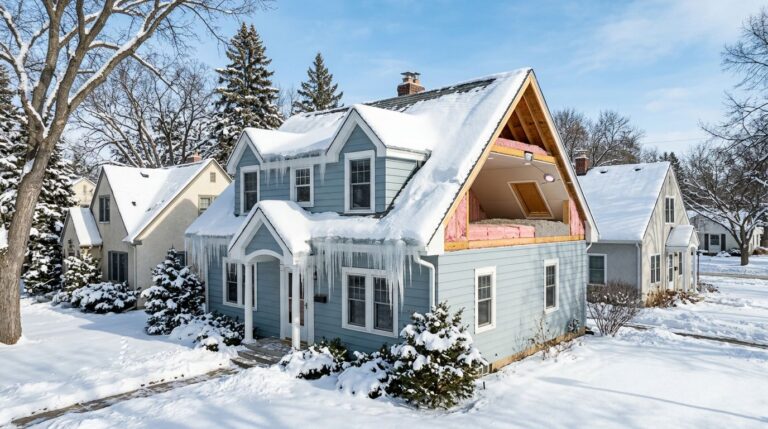
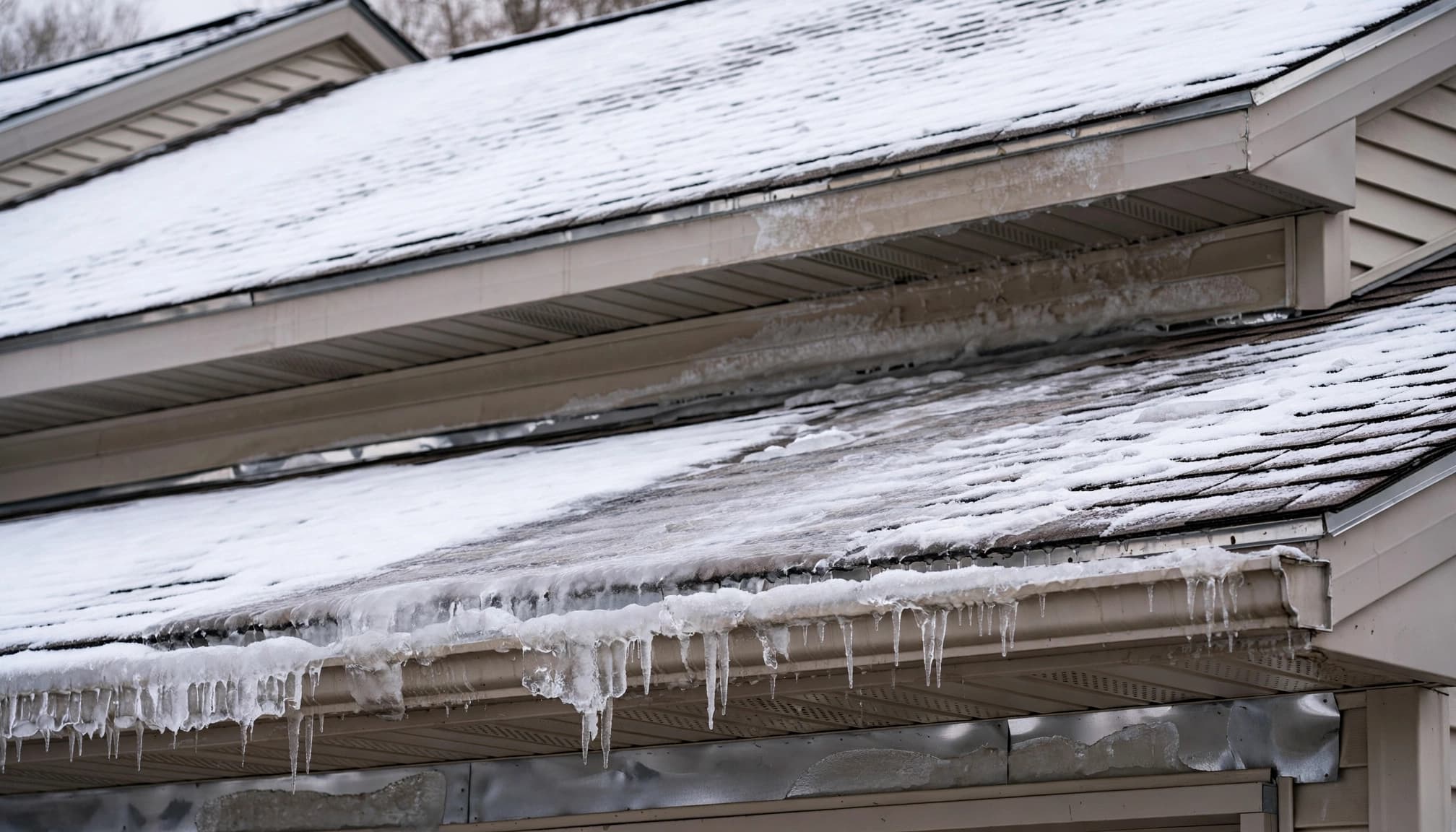
Ice dams over unheated garages are most common where a lower garage roof meets a taller heated section of the house. Warm air from the living space can escape into the attic above the garage or warm the shared roof transition.
The snow melts higher on the slope, then reaches the unheated overhang. That roof edge stays below freezing, so water turns to ice and blocks later runoff. Check eaves, valleys, and vulnerable roof-to-wall transitions for ice and water shield coverage. Water can then move under asphalt shingles, flashing, or siding.
Detached garages and commercial roofs need a different diagnosis
A detached garage with no heat source is less likely to form an ice dam from indoor heat loss. Solar exposure, heavy snow, a south-facing slope, blocked gutters, and temperature fluctuations between daytime warming and overnight freezing can still create ice at the eaves.
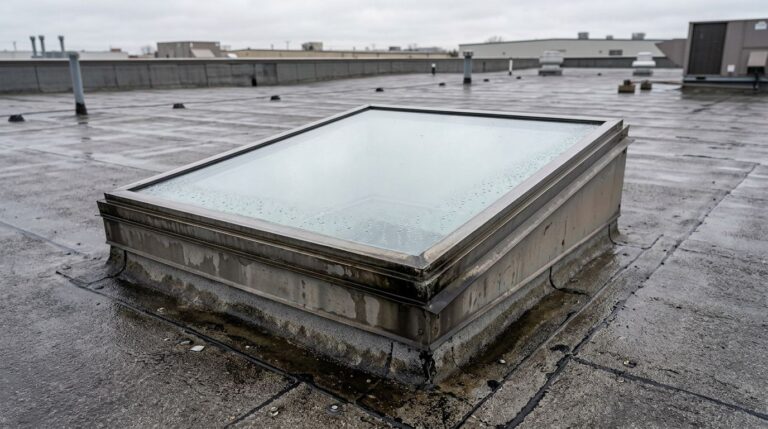
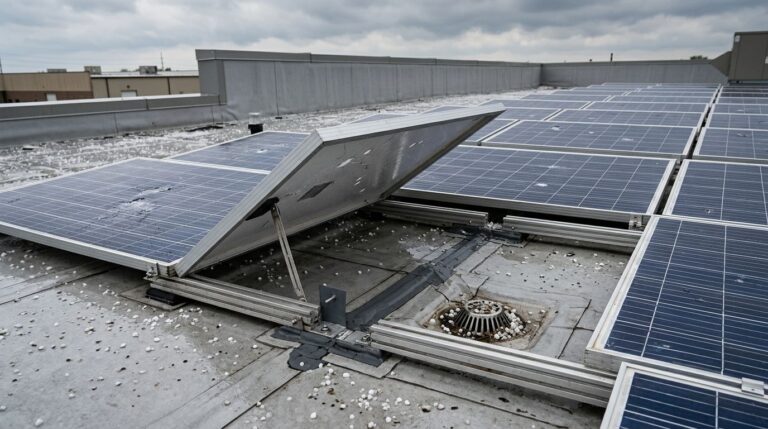
On a commercial flat roof, TPO roofing, EPDM, modified bitumen, and BUR need a different inspection. Ice around drains, scuppers, and parapet edges is often a drainage issue, not a classic shingle ice dam. Property managers should Get a Free Commercial Roof Inspection before moisture spreads into insulation.
Why Ice Dams Form on Unheated Garages
The garage can be cold while the roof deck is warm
A cold garage doesn’t prove the roof is cold. Warm air leaks around plumbing stacks, wiring holes, attic hatches, recessed lights, bath-fan housings, and open wall cavities can move household heat into the attic.
The upper roof deck warms first. Meltwater runs downhill to the eave, where the roof extends beyond the heated building wall. That temperature split creates the ice ridge and explains why controlling the heat path is the primary ice dam prevention strategy.
Ventilation supports the fix, but doesn’t replace air sealing
Soffit vents, rafter baffles, and a ridge vent help keep the roof assembly colder after air sealing controls household heat loss. Together, ventilation and insulation support a properly sealed roof system, but they can’t compensate for major heat loss through an open ceiling plane.
UMN Extension’s ice dam guidance advises against mechanical attic ventilation for this problem. A powered roof fan can create other air-pressure issues without stopping the heat path.
Step-by-Step: Find and Reduce the Heat Path
Inspect the evidence before changing the roof
- Photograph the roof after fresh snow, then again after a sunny thaw. Bare strips above the garage or living space often identify heat loss.
- Check the garage ceiling and attic for damp attic insulation, frost, water stains, or dark wood near roof-to-wall transitions. Inspect the roof deck for dampness, frost, or wet sheathing. A cathedral ceiling may require a different inspection because access and ventilation channels can be limited.
- Inspect gutters, downspouts, valleys, and flashing from the ground. A clogged drainage path can worsen a small heat-loss problem.
Correct the attic assembly in the right order
- Complete air sealing at ceiling penetrations before adding insulation. Expanding spray foam may help at suitable gaps, but verify compatibility, moisture conditions, and fire-safety requirements. Confirm the required thermal barrier for the assembly.
- Evaluate insulation quantity, air leakage, moisture, and ventilation together instead of treating the R-value as a standalone number. Confirm the insulation level and roof assembly against current Minnesota code. Where cavity depth is limited, rigid foam insulation may be part of a designed roof or ceiling assembly, not a universal DIY fix. Keep rafter baffles clear so insulation does not block intake airflow.
- Confirm that rafter baffles provide a continuous ventilation path from the soffits. Check that bath fans discharge outdoors and that intake and exhaust ventilation have an open path. PNNL’s attic guidance treats air sealing, insulation, and ventilation as one cold-climate system.
What to Do During an Active Garage Roof Leak
Protect the interior and remove loose snow safely
Move vehicles, tools, and stored contents away from drips. Place containers below active leaks, photograph wet ceilings and affected contents, and document any water damage. Avoid touching electrical fixtures near water.
For roof snow removal, use a roof rake from the ground only when conditions are safe. Pull loose snow from the lower roof edge and leave a thin layer behind rather than scraping roofing materials.
Don’t chop bonded ice off the roof
Axes, hammers, metal shovels, salt, and pressure washers can tear shingles, bend flashing, puncture membranes, and damage gutters. Thick ice, steep slopes, and active leaks require professional ice dam removal by trained crews using an appropriate method.
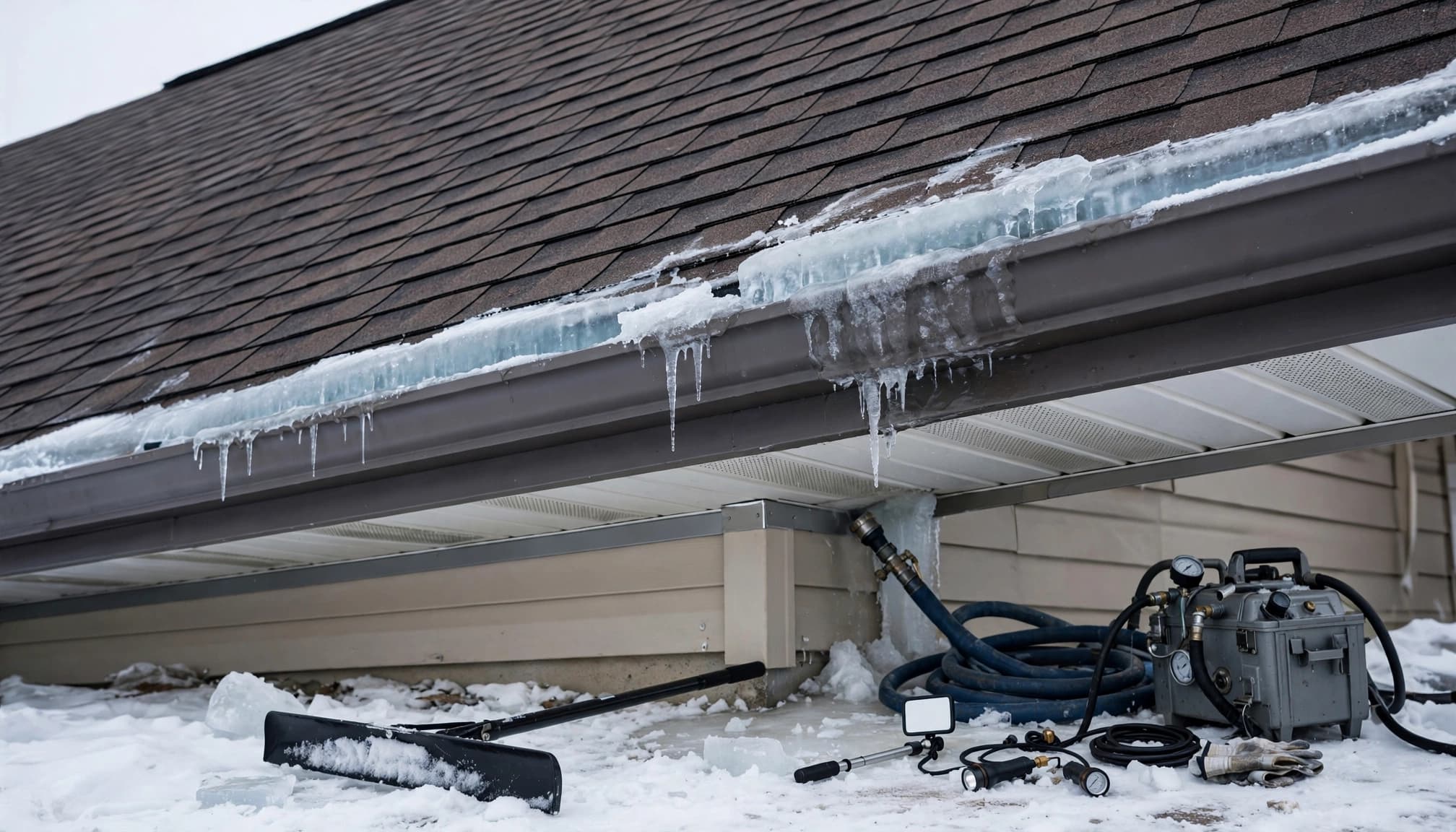
For water entering the building, Call 651-703-2336 for 24/7 Emergency Roofing. St. Paul ice dam removal can address bonded ice without prying against the roof surface.
Key Takeaways for Minnesota Property Owners
Fix the heat path, not only the ice
Adding heat to a heated garage or warming an unheated garage can increase the roof-temperature difference. Heating cables may create a temporary drainage channel, but they don’t correct heat loss, attic bypasses, poor insulation, or blocked ventilation.
Inspect the roof after the thaw
A recurring dam in one spot can mean a local flashing, insulation, or ventilation defect. Widespread wet decking, brittle shingles, or repeated leaks may require residential roof repair or a larger replacement decision. Use rigid foam insulation only when a designed assembly calls for it, not as a substitute for air sealing or correct ventilation.
Frequently Asked Questions
Should I install heating cables on a garage roof?
Heating cables may create a temporary drainage path in limited situations. They shouldn’t be the first fix for recurring ice dams, and they don’t replace air sealing or insulation work.
How much does ice dam removal cost if attic insulation also needs work?
The total cost varies with ice buildup, roof access, leak damage, and needed repairs. Ask for a detailed assessment that separates removal, water damage repairs, air sealing, and attic insulation work.
Can rafter baffles and soffit vents stop ice dams?
They help preserve intake ventilation and reduce roof-deck warming. They won’t stop an ice dam if warm air is still leaking through the ceiling below.
Does insurance cover ice dam damage?
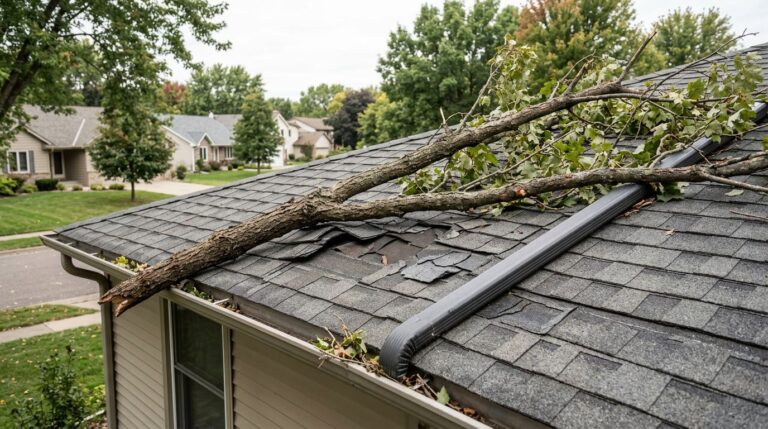
A roof insurance claim depends on the policy, cause of loss, and documented damage. Take dated photos of ice, interior staining, flashing, and any hail damage roof or storm damage roof conditions before permanent repairs begin.
How soon should professional ice dam removal happen after a leak?
Arrange it promptly when water is entering the interior or ice is bonded to the roof. Timing also depends on safe roof access and current weather conditions.
The Practical Answer
An unheated garage can still develop an ice dam because the roof may receive heat from the connected home or from uneven attic conditions. The lasting repair is a cold, dry roof assembly with sealed air leaks, correct insulation, clear ventilation, and working drainage.
For Saint Paul, Minneapolis, and the broader Twin Cities, Sellers Roofing Company provides documented winter roof evaluations with union-built roofing crews, GAF-certified installation experience, and MN Builder Contractor License 803862.
Need a roof inspection in Saint Paul or the Twin Cities? Call Sellers Roofing Company at +1-651-703-2336 or schedule a free estimate. We are a black-owned, NMSDC-certified MBE roofing contractor with 9+ years experience.