Last updated: 2026-08-01 by Ted Sellers, Owner
Benefits of Preventive Roof Care for Your Business: How Proactive Maintenance Saves Costs and Extends Roof Lifespan
Preventive roof care can reduce long-term repair expenses by up to 70 % while adding years to your commercial roof’s service life. In this guide, I explain how proactive maintenance cuts costs, extends roof longevity, improves energy efficiency, ensures business continuity and safety, preserves property value, and meets compliance standards. We’ll explore key benefits, outline how a maintenance program works, quantify savings, cover continuity and safety impacts, explain compliance and warranty considerations, help you choose the right contractor, discuss inspection frequency, and recommend the tools and resources you need for success.
What Are the Key Benefits of Preventive Roof Care for Commercial Buildings?
Preventive roof care is a proactive maintenance service that inspects and addresses minor roofing issues before they grow into costly problems. By catching small defects early, we protect your structure, save money, and extend roof lifespan—setting the stage for energy savings and uninterrupted operations.
Preventive Maintenance Benefits
Preventive maintenance can extend the lifespan of a commercial roof and reduce the need for costly repairs [1, 2, 3, 11, 13]. Regular inspections and timely interventions help maintain the roof’s structural integrity and functionality, prolonging its service life [11].
This source supports the claim that preventive maintenance extends the lifespan of a commercial roof.
How Does Preventive Maintenance Reduce Long-Term Repair Costs?
Preventive maintenance lowers long-term repair costs by identifying and fixing minor leaks, loose flashings, and sealant cracks before they require extensive repairs.
- Early flashing repairs stop water intrusion that leads to rot and structural damage.
- Minor membrane patching prevents small holes from expanding into replacement-level breaches.
- Scheduled cleaning of drains avoids ponding that can warp roof decking.
Routine minor fixes like these can prevent a single repair bill from escalating into thousands of dollars in emergency work, and they directly connect to extended roof performance.
In What Ways Does Preventive Roof Care Extend Commercial Roof Lifespan?
Regular inspections and timely repairs preserve the integrity of roofing materials and protect against weathering, UV damage, and thermal cycling.
Maintaining critical components delays material fatigue and builds a timeline for when major replacement becomes necessary, effectively prolonging roof life by 30–50 %.
How Does Regular Roof Care Improve Energy Efficiency for Businesses?
Maintaining a clean, intact roof surface and unobstructed drainage helps reflective coatings perform at peak levels, reducing heat gain in summer and heat loss in winter.
- A well-maintained membrane reflects up to 85 % of solar radiation.
- Clear drains prevent water pooling that degrades insulation performance.
- Healthy insulation and flashing seals stop HVAC overwork.
These factors reduce energy bills by stabilizing indoor temperatures and lowering heating and cooling loads.
Why Is Preventive Roof Care Essential for Business Continuity and Safety?
A well-maintained roof prevents leaks and damage that can force production shutdowns, disrupt operations, or create slip and electrical hazards.
- Leak prevention avoids water-related downtime and inventory loss.
- Clear drainage eliminates standing water that creates fall risks.
- Intact roofing systems protect electrical infrastructure from moisture damage.
Keeping your roof in top condition safeguards employees, inventory, and productivity.
How Does Preventive Maintenance Preserve Property Value and Aesthetics?
A damage-free, clean roof maintains curb appeal and supports higher resale or lease valuations.
- Uniform roof appearance enhances professional image.
- Prevented staining and moss growth avoid structural discoloration.
- Up-to-date maintenance records reassure buyers and insurers.
This continuous upkeep protects your building’s market value and visual appeal.
How Does a Commercial Roof Maintenance Program Work?
A commercial roof maintenance program is a structured service plan that combines routine inspections, cleaning, minor repairs, and detailed reporting to keep your roof performing optimally and compliant with warranty requirements.
What Is Included in a Comprehensive Roof Inspection Process?
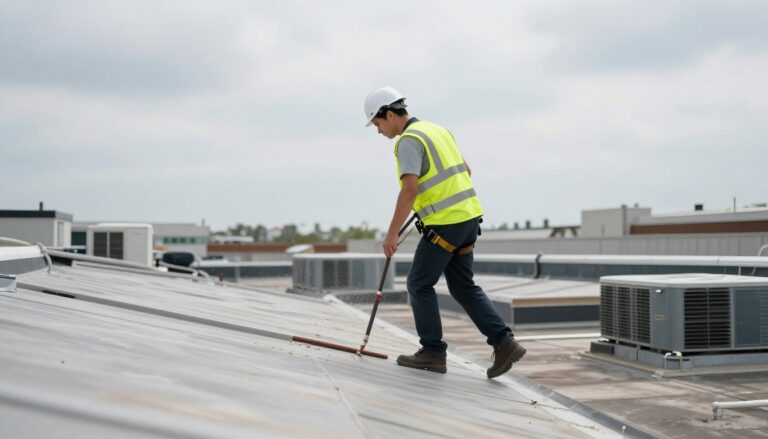
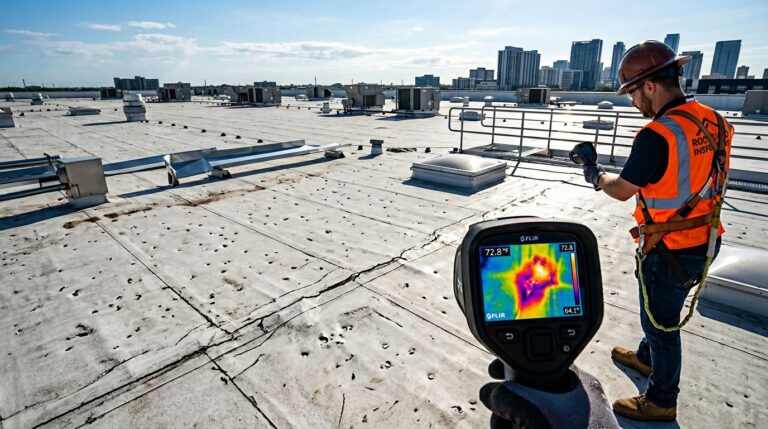
A thorough inspection covers membranes, flashings, drains, penetrations, and equipment curbs to spot potential issues before they worsen.
- Verify membrane integrity and seam adhesion.
- Check flashing and sealants for cracks or gaps.
- Inspect drains and scuppers for blockages.
- Examine rooftop equipment supports for corrosion.
These steps produce a clear record of roof condition and immediate repair needs.
Which Proactive Maintenance Tasks Are Common in Preventive Programs?
Preventive programs include debris removal, gutter and drain cleaning, sealant reapplication, and flashing checks to prevent minor issues from escalating.
- Remove leaves, dirt, and debris that cause ponding.
- Clean and clear drains for proper runoff.
- Re-seal seams and flashing per manufacturer guidelines.
- Tighten or replace loose fasteners and metal flashings.
These tasks maintain system integrity and support an extended maintenance schedule.
How Are Inspection Reports and Documentation Managed?
After each visit, we compile digital inspection reports with annotated photos, repair recommendations, and time stamps, accessible via a secure client portal.
- Photo-tagged findings for clear issue identification.
- Priority rankings for immediate and future repairs.
- PDF and online access to reports 24/7.
This transparent documentation supports warranty compliance and informed decision-making.
How Much Can Businesses Save with Preventive Roof Care?
Preventive care typically costs $0.10–$0.30 per square foot annually versus emergency repairs at $1.00–$1.50 per square foot, saving 70–90 % over time.
Cost Savings with Preventive Care
Preventive care typically costs less than emergency repairs, potentially saving businesses a significant amount over time [1, 2, 3, 12]. Scheduled maintenance on commercial roofing is one-third the cost of emergency repairs [1, 2].
This source supports the claim that preventive care typically costs less than emergency repairs.
What Are the Typical Cost Differences Between Scheduled Maintenance and Emergency Repairs?
Investing in routine care yields substantial savings and stabilizes budget planning.
How Does Preventive Maintenance Help Lower Energy Bills?
Maintained reflective coatings and proper insulation seals reduce HVAC runtime by up to 15 %.
- Intact reflective surface minimizes solar heat absorption.
- Sealed flashings stop air leaks around edges.
- Clean drains preserve insulation R-value by preventing moisture.
These efficiencies compound into meaningful utility savings.
How Does Regular Maintenance Protect Roof Warranty Validity?
Most warranties require biannual inspections and documented maintenance to remain valid.
- Missing scheduled checks can void membrane and coating guarantees.
- Proper records demonstrate compliance to manufacturers.
- Adhering to service intervals secures future repair coverage.
Routine maintenance safeguards your warranty investment.
How Does Preventive Roof Care Ensure Business Continuity and Workplace Safety?
Preventive care stops small roof issues from causing major operational disruptions or creating hazards for staff and property.
How Does Roof Maintenance Prevent Downtime from Leaks and Damage?
Regular inspections catch and repair leaks before they drench workspaces, preventing temporary closures and lost revenue.
- Patch minor membrane tears to avoid interior water damage.
- Replace failing flashing to stop water entry around rooftop units.
- Maintain drains to prevent ponding that leads to structural leaks.
These measures keep workflows uninterrupted.
What Safety Hazards Can Be Mitigated Through Regular Roof Care?
Routine care reduces slip hazards from ponded water, mold growth on ceilings, and electrical shorts from moisture intrusion.
- Clearing drains prevents standing water and fall risks.
- Repairing leaks stops ceiling mold that can affect air quality.
- Ensuring dry roof lines avoids water contact with wiring.
Maintaining a dry, stable roof promotes a safer workplace.
How Does Preventive Maintenance Protect Valuable Business Assets?
A leak-free roof preserves inventory, machinery, data centers, and documents from costly water damage.
- Dry storage areas prevent product spoilage and corrosion.
- Protected workstations avoid equipment downtime.
- Secure data rooms maintain operation and compliance.
This proactive protection reduces asset replacement and restoration costs.
What Role Does Compliance and Warranty Play in Preventive Roof Care?
Compliance with building codes and warranty terms ensures your roof remains legally approved and covered against defects.
What Are Common Warranty Requirements for Commercial Roofs?
How Does Preventive Maintenance Help Meet Building Code Compliance?
Local codes often mandate annual load inspections, clear drainage, and safe rooftop access systems.
- Inspect load-bearing conditions per code.
- Maintain clear scuppers and gutters.
- Ensure fall protection anchors are functional.
This compliance avoids fines and supports safe operations.
How Can Preventive Care Support Insurance Claims and Risk Management?
A documented maintenance history strengthens insurance claims by proving care diligence and risk mitigation.
- Photographic proof of roof condition at claim time.
- Time-stamped service logs validate preventive steps.
- Reduced premium opportunities for lower risk profiles.
These records boost insurer confidence and lower coverage costs.
How Can Businesses Choose the Right Roofing Contractor for Preventive Care?
Selecting a contractor requires evaluating expertise, certifications, local presence, and proven results.
Why Choose Roofing Experts St. Paul for Commercial Roof Maintenance?
We bring over 20 years of commercial roofing experience, NRCA certifications, and deep local knowledge of St. Paul weather challenges. Explore our Wayzata location for tailored preventive care: Wayzata Commercial Roof Maintenance Benefits.
- NRCA-certified professionals trained in all major membrane systems.
- Local service teams ready for rapid response after storms.
- Proven track record of cost savings and extended roof life.
Our expertise and community commitment ensure your roof remains a reliable asset.
What Certifications and Industry Standards Should Contractors Meet?
Look for NRCA membership, OSHA safety training, and manufacturer certifications for TPO, EPDM, metal, and coating systems.
- NRCA Accredited Installer credentials.
- OSHA 10/30 safety training completion.
- Manufacturer-authorized applicator for major membrane brands.
These credentials confirm technical proficiency and strict safety practices.
How Do Local Case Studies Demonstrate Cost Savings and Lifespan Extension?
Real St. Paul projects show 40 % reduction in repair expenses and 25 % longer service life following our preventive plans.
- Warehouse roof avoided $15 000 in emergency repairs.
- Retail center coating lasted two years beyond original expectancy.
- Office building energy bills dropped 12 % after membrane maintenance.
These examples prove the tangible ROI of a proactive maintenance strategy.
How Often Should Commercial Roofs Be Inspected and Maintained?
Industry guidelines recommend at least two inspections per year—typically spring and fall—and after major weather events to optimize performance and detect damage early.
Inspection Frequency
Industry guidelines recommend at least two inspections per year, typically in spring and fall, and after major weather events [2, 4, 7, 10]. Regular roof inspections are an important part of maintaining your roof’s health and longevity [4].
This source supports the claim that industry guidelines recommend at least two inspections per year.
What Are Industry Recommendations for Inspection Frequency?
- Conduct comprehensive inspections each spring and fall.
- Schedule minor checkups quarterly for high-traffic roofs.
- Increase visits to semiannual for older systems.
This cadence balances cost with preventive coverage.
When Should Inspections Occur After Weather Events?
Inspections should occur within 48 hours after hail, heavy rain, windstorms, or significant temperature swings.
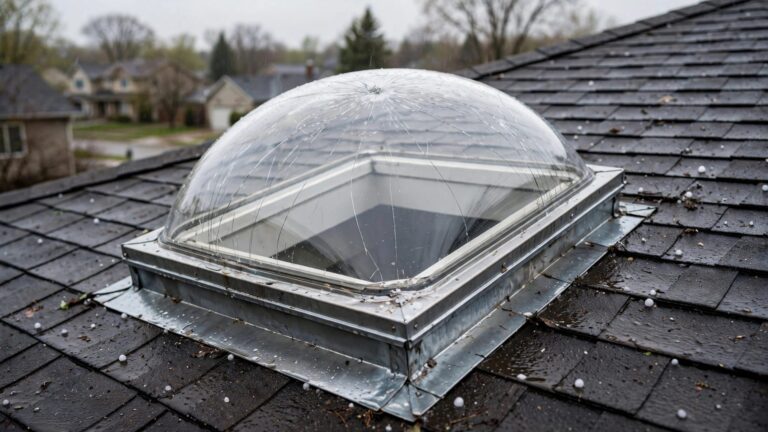
- Hail can puncture membranes.
- Heavy rain reveals flashing leaks.
- Windstorms loosen fasteners and bend metal components.
Rapid checks ensure early damage detection and timely repairs.
How Does Regular Scheduling Maximize Roof Performance?
Consistent maintenance prevents backlog of issues, extends material life, and reduces the stress of urgent repairs.
- Planned tasks avoid peak-season service delays.
- Year-end budgeting for maintenance smooths cash flow.
- Routine schedules build trust between owner and contractor.
This disciplined approach keeps roofs performing reliably.
What Tools and Resources Support Effective Preventive Roof Care?
Property managers benefit from checklists, visual aids, and authoritative endorsements to guide maintenance decisions.
How Can a Commercial Roof Maintenance Checklist Help Property Managers?
A well-structured checklist ensures every critical component is reviewed, documented, and addressed.
- Itemizes membrane, flashing, drain, and penetration checks.
- Guides crews through standard service steps.
- Serves as proof of work for stakeholders.
Using a checklist creates consistency and accountability.
What Visual Aids Explain Roof System Components and Vulnerabilities?
Infographics and diagrams show membrane layers, flashing details, and drainage pathways to clarify weak points and preventive tasks.
- Cross-section diagram of roof assembly.
- Flowchart of water runoff paths.
- Highlighted zones for ponding and UV exposure.
These visuals improve understanding and support targeted maintenance.
How Do Expert Endorsements and Industry Statistics Build Trust?
Citing NRCA guidelines and recent roofing market data demonstrates our alignment with best practices and market trends.
- NRCA recommends biannual inspections for most systems.
- Preventive care can increase service life by up to 100 %.
- Scheduled maintenance costs one-third of emergency repairs.
These facts reinforce the value of a proactive maintenance strategy.
I have demonstrated how preventive roof care reduces long-term costs, extends roof lifespan, improves energy efficiency, ensures continuity and safety, preserves property value, ensures compliance, and guides contractor selection. Investing in proactive maintenance secures your business operations and protects valuable assets. Reach out today to schedule your inspection and discover how our preventive programs can transform your roof’s performance.
Need a roof inspection in Saint Paul or the Twin Cities? Call Sellers Roofing Company at +1-651-703-2336 or schedule a free estimate. We are a black-owned, NMSDC-certified MBE roofing contractor with 9+ years experience.