Last updated: 2026-05-26 by Ted Sellers, Owner
Table Of Contents:
- How to Prepare an EPDM Roof for Overlay
- What Is an EPDM Roof Overlay and Why Prepare Your Roof?
- How Do You Inspect an EPDM Roof Before Overlay?
- What Are the Best Practices for Cleaning an EPDM Roof for Overlay?
- How Do You Repair EPDM Roof Damage Before Overlay?
- What Are the Steps to Apply the EPDM Roof Overlay After Preparation?
- How Much Does Preparing and Overlaying an EPDM Roof Cost?
- How Do You Choose the Right Contractor for EPDM Roof Overlay Preparation?
- What Are the Benefits of Properly Preparing an EPDM Roof for Overlay?
- Final Thoughts
- Frequently Asked Questions
How to Prepare an EPDM Roof for Overlay
EPDM roofing is a popular and cost-effective option for both residential and commercial structures, offering superior durability, flexibility, and weather resistance. Many homeowners and contractors often ask, can you put epdm over epdm, when considering repair options. However, before applying a new EPDM roof overlay, proper preparation of the existing roof system is critical. In this article, I will explain what an EPDM roof overlay is, why preparing your roof properly is essential, and provide step-by-step instructions on inspection, cleaning, repair, and overlay application.
This comprehensive guide is designed for homeowners and business owners in the Minneapolis-Saint Paul area who rely on high-quality roofing services including emergency repairs, storm damage restoration, and full roof replacements. By understanding the process, you can protect your investment, prolong your roof’s lifespan, and avoid common pitfalls during installation.
I will detail each phase, from establishing a firm base through careful cleaning measures, to addressing small tears or other damages. With scientific data, industry insights, and hands-on examples, you will learn how proper preparation can lead to cost savings and optimal roof performance and aesthetics.
When an EPDM roof overlay is applied correctly, you can enjoy increased waterproofing, enhanced energy efficiency, and a significantly extended roof life. Using proper preparation methods not only safeguards the new membrane from contaminants but also ensures adherence, durability, and uniform performance even under harsh weather conditions.
In the following sections, we will cover what EPDM roofing is and its benefits, how to inspect your roof for damage, best practices for cleaning, techniques to repair any issues, and finally, how to apply the new EPDM overlay. Each topic is broken down into detailed, actionable steps so that you can feel confident in managing or supervising your roofing project.
Transitioning from this introductory overview, the next sections will cover everything you need to know about preparing an EPDM roof for an overlay.
What Is an EPDM Roof Overlay and Why Prepare Your Roof?
An EPDM roof overlay is a process where a new EPDM membrane is installed on top of the existing roof system rather than undertaking a full roof replacement. This approach helps to reduce environmental waste and limits disruption.
EPDM stands for ethylene propylene diene monomer, a synthetic rubber renowned for its resistance to extreme weather, UV damage, and aging. Overlaying with EPDM offers a cost-effective way to restore a roof‘s functionality and appearance without the expense and time required for a complete tear-off.
What Is EPDM Roofing and Its Benefits?
EPDM roofing is a versatile, rubberized roofing material known for its superior durability, chemical resistance, and excellent performance in extreme climates. EPDM membranes can last up to 30 years with proper maintenance, making them very economical in the long term. They are particularly durable in cold climates due to their inherent flexibility, which prevents cracking.
EPDM also helps to reflect sunlight, reducing heat gain and improving energy efficiency in warmer months. Homeowners appreciate EPDM for its straightforward installation and low maintenance needs. Field studies in 2023 indicate that EPDM roofs maintain more than 85% of their initial waterproofing capacity even after 25 years. Additionally, EPDM’s ability to resist UV and ozone degradation means that fewer repairs are needed over time, although proper preparation is necessary to ensure that the overlay adheres correctly to the base structure.
Why Choose Overlay Instead of Full Roof Replacement?
Choosing an overlay instead of a full roof replacement can lead to significant cost savings and less disruption to your property. An overlay avoids the labor-intensive process of removing multiple roofing layers, reduces waste, and minimizes the potential for damage to the underlying structure. Studies have shown that overlay installations can reduce overall project costs by up to 40% compared to complete roof replacements.
Moreover, by preserving the original roof deck, overlays maintain the structural integrity already established, thus ensuring a consistent waterproofing effect. For many Minneapolis-Saint Paul homeowners, the decision to overlay is not solely an economic one—it also aligns with sustainable practices by reducing landfill waste and recycling existing materials.
How Does Proper Preparation Impact Overlay Success?
Proper roof preparation is the cornerstone of a successful EPDM overlay installation because it ensures that the new membrane adheres well to the existing substrate. Without proper cleaning, repair, and preparation, moisture, debris, and previous adhesive residues can interfere with bonding, leading to potential leaks and decreased product longevity.
Studies have indicated that roofs prepared with comprehensive cleaning and repair exhibit up to 30% less failure rate post-installation compared to those with minimal preparation. A well-prepared roof also facilitates an even spread of adhesives and primers, reducing the chance of wrinkles or disengagement of the new membrane. In short, meticulous preparation directly translates into superior waterproofing, durability, and overall performance of the EPDM overlay—attributes fundamental to long-term roof system integrity.
How Do You Inspect an EPDM Roof Before Overlay?
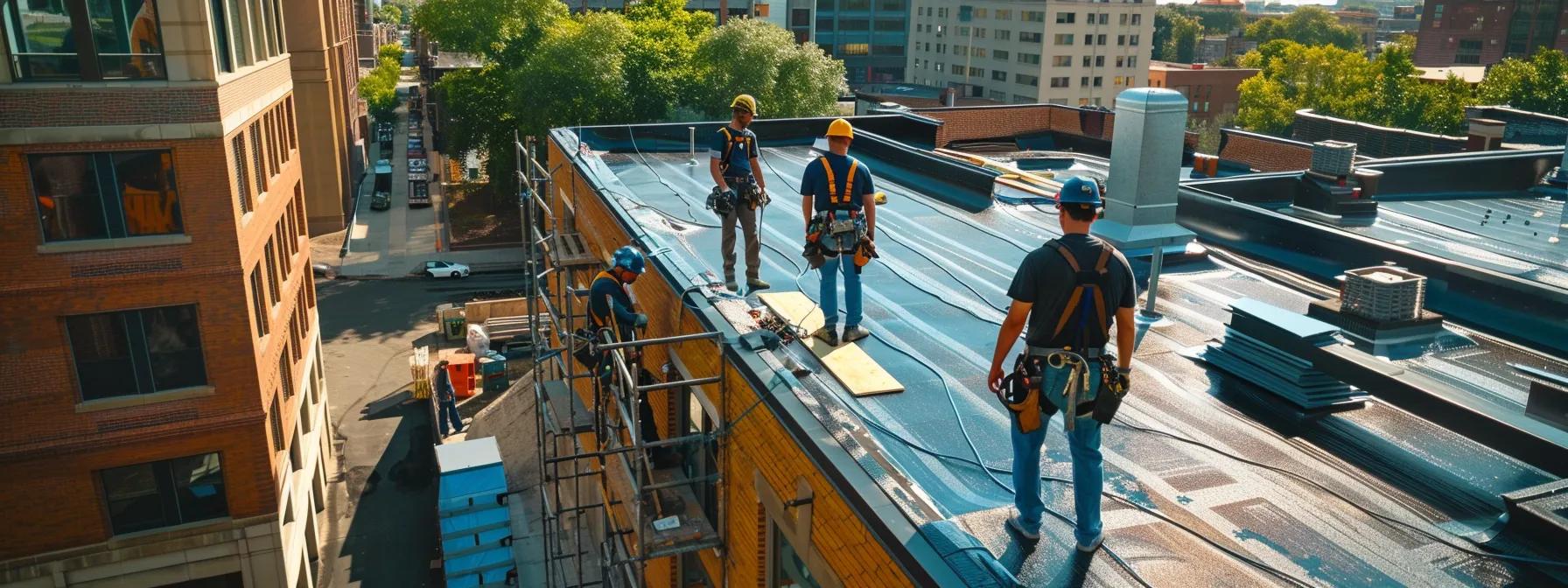
Before proceeding with an EPDM roof overlay, a thorough inspection is necessary to identify any physical damage and prepare the roof for the new layer. Inspection involves checking for signs of wear, such as cracks, tears, punctures, peeling, and areas with accumulated debris or oils that might affect the adhesive bonding process. Over time, even robust EPDM membranes can develop minor damages due to natural wear and environmental exposure. It is crucial to detect these issues early so that they can be remedied before overlaying to avoid trapping problems under the new membrane.
What Damage Should You Look for During Inspection?
The inspection should focus on identifying physical damages such as any visible cracks, punctures, or tears in the existing EPDM. These can be caused by severe weather events, accidental impacts, or prolonged UV exposure. Aside from these, look for any signs of blisters or bubbling, which might indicate moisture trapped within the layers. Additionally, areas where the adhesive has deteriorated or where there is evidence of water staining or leakage must be noted. In some cases, you might discover localized issues such as impacted debris that has weathered the EPDM surface unevenly, leading to partial delamination. Confirming these details requires a close visual assessment with proper lighting, and sometimes even using a moisture meter to determine the level of trapped humidity that can negatively impact the overlay adherence.
How to Identify Areas Needing Repair Before Overlay?
Identifying repair areas is pivotal to ensuring overlay success. During the inspection, pinpoint any tears or holes that may have formed, cracks along seams, and areas where the membrane may be lifting. It’s equally important to assess the condition of seals around penetrations such as vents, skylights, and chimneys; these are common areas for water ingress.
By marking these sections, you can develop a clear plan for repairs before implementing the overlay. Using a calibrated inspection checklist can help ensure all potential problem areas are covered. In my experience, addressing even minor imperfections beforehand can enhance the overall performance and longevity of the overlay significantly. Detailed photographic documentation of damaged areas also aids in planning the repair and verifying successful remediation.
When Is an EPDM Roof Not Suitable for Overlay?
There are situations where an EPDM roof is so severely compromised that overlaying may not be the best option. For instance, if the roof deck has sustained significant structural damage or if there is pervasive moisture infiltration causing widespread deterioration, a full roof replacement might be required. If previous repairs have been done with incompatible materials, or if multiple layers of repairs have led to an uneven substrate, these conditions could significantly undermine the overlay’s effectiveness.
Additionally, if heavy debris is embedded in the membrane and cannot be fully removed through standard cleaning processes, it suggests that the integrity of the roof has been too badly compromised. In cases where the roof’s slope has been distorted due to localized failures, overlay installation might lead to improper drainage and further water damage, necessitating a more comprehensive replacement.
What Are the Best Practices for Cleaning an EPDM Roof for Overlay?
Cleaning an EPDM roof is a critical step in preparing for an overlay. The primary goals of cleaning are to remove dirt, oils, and debris that may interfere with the adhesion of the new membrane. Over the years, weather and airborne particles accumulate on the roof surface, gradually compromising the bond between the old and new layers. Utilizing the proper cleaning techniques ensures the removal of any contaminants and creates a smooth, weatherproof surface for successful overlay application.
Which Cleaning Solutions Are Safe and Effective for EPDM?
When cleaning an EPDM roof, it is imperative to use cleaning solutions that are both effective and safe for rubberized surfaces. Professional roofing contractors recommend using mild detergent solutions that are non-abrasive and pH-neutral. Typically, a solution made of water mixed with a small amount of nonionic soap can effectively remove grime without damaging the EPDM.
Avoid harsh chemicals or acidic cleaners, as these can degrade the material and reduce its longevity. In some cases, specialized EPDM roof cleaners are available, formulated specifically to break down residues without leaving a chemical film. Always rinse thoroughly with water to remove any cleaning residues that might hinder adhesion later in the process.
What Tools Are Needed for Proper EPDM Roof Cleaning?
Effective roof cleaning requires the right set of tools to ensure that the surface is completely free of contaminants. Essential tools include a soft-bristle brush or broom for gentle sweeping of loose debris, a low-pressure washer for rinsing without damaging the EPDM, and microfiber cloths for spot cleaning of stubborn stains. In situations where grease or oil is present, a degreaser approved for use on EPDM membranes may be necessary.
For safety and efficiency, a ladder or scaffolding should be used to access all roof areas, especially in multi-story structures. In my years of roofing service, investing in quality tools ensures that cleaning is done uniformly, thus enhancing the effectiveness of the subsequent overlay application.
How to Perform a Step-by-Step Cleaning Process?
A structured and methodical cleaning process is vital for preparing an EPDM roof for overlay. Begin by first removing loose debris using a soft brush, ensuring that dirt and leaves are completely cleared from the surface as well as from all seams and joints. Follow with a gentle wash using a mild detergent solution applied with a low-pressure spray. Work systematically across the roof in sections to ensure consistency.
Pay particular attention to high-traffic areas or regions where previous repairs were made, as these can harbor additional contaminants. Rinse thoroughly, then inspect to confirm that no soap residue remains. Finally, allow the roof to dry completely—this can take several hours depending on weather conditions—before proceeding with any repair work or overlay application. This systematic process not only removes contaminants but helps to reveal any hidden defects or damages that might have been obscured by debris.
What Safety Precautions Should You Take During Cleaning?
Safety is paramount when performing cleaning activities on a roof. Ensure that you wear non-slip shoes, a safety harness, and protective gloves to minimize the risk of falls or injuries. Always work with a partner or have someone on standby for emergencies, particularly if using ladders or scaffolding. Avoid cleaning on windy or rainy days to reduce the risk of accidents and ensure the cleaning solution is not blown off or washed away prematurely.
Maintaining clear communication with any crew members and following OSHA guidelines or local safety standards will help to reduce hazards. Additionally, using the proper equipment such as a safety belt, secure ladder setup, and checking the weather forecast before starting can make the process safer and more efficient.
How Do You Repair EPDM Roof Damage Before Overlay?
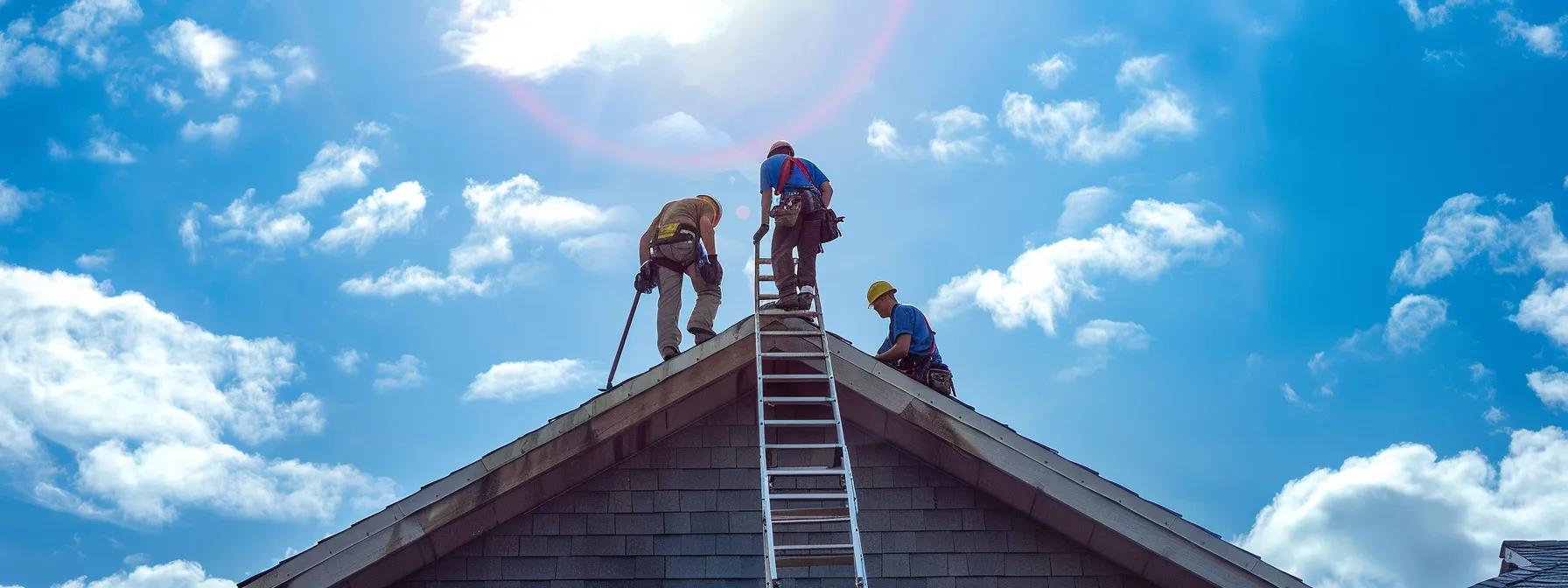
Repairing an EPDM roof before applying an overlay is essential to ensure the new membrane adheres properly and functions as intended. If left unaddressed, even minor damage can compromise the waterproofing and longevity of the overlay.
The repair process involves identifying tears, punctures, or other defects, and meticulously restoring the roof‘s integrity using materials specifically designed for EPDM repair. In many cases, the repair step can be the differentiator between a long-lasting roof system and one that suffers early failures.
What Materials Are Used for EPDM Roof Repairs?
The repair of EPDM roofs utilizes materials that are compatible with the existing EPDM membrane. Typically, specialized EPDM repair adhesives and patching kits are used to seal cracks, punctures, and tears. These materials include liquid EPDM, which is applied as a sealant and cures to form a flexible, waterproof membrane over the damaged area.
Reinforcing fabrics or mesh may also be used in conjunction with the adhesive for more severe damage. In many repair kits, a primer is included to prepare the surface for a strong bond between the repair material and the existing EPDM. It is crucial that all repair materials are rated for outdoor and UV exposure to ensure long-term performance.
How to Repair Common EPDM Roof Issues Like Tears and Punctures?
The process for repairing tears or punctures begins with cleaning the damaged area thoroughly to remove dirt, oils, and any degraded material around the flaw. Once the area is clean and dry, apply a primer designed for EPDM surfaces to ensure proper adhesion.
Using a high-quality EPDM repair adhesive, cover the damage liberally, and if necessary, apply a reinforcing patch over the adhesive. Smooth out the patch with a roller or a flat tool to eliminate air bubbles and ensure complete contact.
Allow the repair compound to cure as per the manufacturer’s instructions, typically for 24 hours, before subjecting the roof to any stress. In areas where multiple repairs are necessary, continually inspect and reapply repairs until the entire surface is uniformly secured, ensuring an even and adhesive base for the new overlay.
When Should You Consult a Professional for Repairs?
While minor repairs can often be handled by experienced DIY enthusiasts, there are circumstances where consulting a professional is recommended. If the damage is extensive, if there are structural issues with the roof deck, or if previous repair attempts have failed, a roofing specialist should be engaged. Professionals possess specialized tools and training to assess underlying issues that might not be apparent during a surface inspection.
Additionally, if the roof is located on a multi-story building or presents accessibility challenges, a professional crew can safely perform the repairs while minimizing safety risks. It is essential to consider professional evaluation if you are uncertain about the repair process or if extensive water damage and substrate deterioration are evident. Their expertise can prevent future complications and ensure that the overlay is applied to a sound, well-prepared roof structure.
What Are the Steps to Apply the EPDM Roof Overlay After Preparation?
Once the roof has been inspected, cleaned, and repaired, the next phase is overlay application, which involves several meticulous steps. A successful EPDM roof overlay is contingent on both proper surface preparation and following the correct application methods. The process typically starts with the application of a primer and adhesive, followed by laying out the new EPDM membrane and securing it to the roof. This ensures a seamless, waterproof barrier that protects the building from leaks and other weather-related damage.
How to Apply Primer and Adhesives Correctly?
The first step in overlay application is applying a primer to the entire roof surface. The primer cleans the surface further and provides a tacky base to which the adhesive can bond. It is crucial that the primer be spread evenly over the roof with a roller or brush, ensuring there are no missed spots. Once the primer has set according to the manufacturer’s recommended time, the next step involves applying a suitable adhesive evenly across the surface.
The adhesive must be compatible with both the old EPDM and the new membrane. Using a notched trowel can assist in achieving the right consistency and thickness. Working in small sections is advisable, as this ensures that the adhesive does not dry prematurely. The adhesive layer should be allowed a brief period to become tacky before laying down the new membrane.
What Is the Proper Method to Install the New EPDM Membrane?
The new EPDM membrane arrives in large rolls that must be carefully positioned to maximize coverage and minimize seams. Starting from one edge, unroll the membrane slowly while pressing it firmly into the adhesive.
Ensure that the membrane is laid flat without wrinkles or bubbles, as these imperfections can lead to water pooling and reduced waterproofing efficiency. Overlap the seams as per the manufacturer’s specifications, usually by a few inches, to create a continuous barrier. In critical areas, additional stress may be placed on seams, and thus, extra adhesive or patching may be necessary. It is essential to work methodically across the entire roof surface, ensuring that each segment is securely adhered before moving on to the next. If needed, use a roller over the membrane to help eliminate trapped air and secure the bond further.
How to Ensure Seam Integrity and Waterproofing?
Seam integrity is paramount in ensuring the new EPDM roof overlay provides complete protection against the elements. After the membrane is installed, inspect all seams and overlaps to confirm that the adhesive has properly bonded the layers together. In areas prone to stress, such as roof penetrations or high-traffic zones, double-check the adhesion with a seam roller. Using heat or specialized seam sealants may be necessary to reinforce weak areas.
Regular quality checks during installation help maintain consistency and pinpoint any potential issues that could later develop into leaks. Ensuring that seams are airtight is the difference between a successful overlay and a compromised roof system, as even a small breach can lead to catastrophic water damage over time.
What Are Common Mistakes to Avoid During Overlay Application?
Even experienced contractors can commit errors during an overlay installation, negatively impacting roof performance. One common mistake is applying too much or too little adhesive, either of which can compromise the bond. Rushing the process and not allowing sufficient curing time for primer or adhesive is another frequent error that can lead to imperfections in the overlay. Overlapping seams unevenly or failing to clean the adhesive thoroughly from excess material can create channels for water infiltration.
Additionally, using incorrect tools or applying heat unevenly can damage the EPDM membrane. It is critical to follow manufacturer guidelines precisely and to work methodically to avoid these mistakes. Awareness and careful adherence to each step will ensure a uniform and durable installation process.
How Much Does Preparing and Overlaying an EPDM Roof Cost?
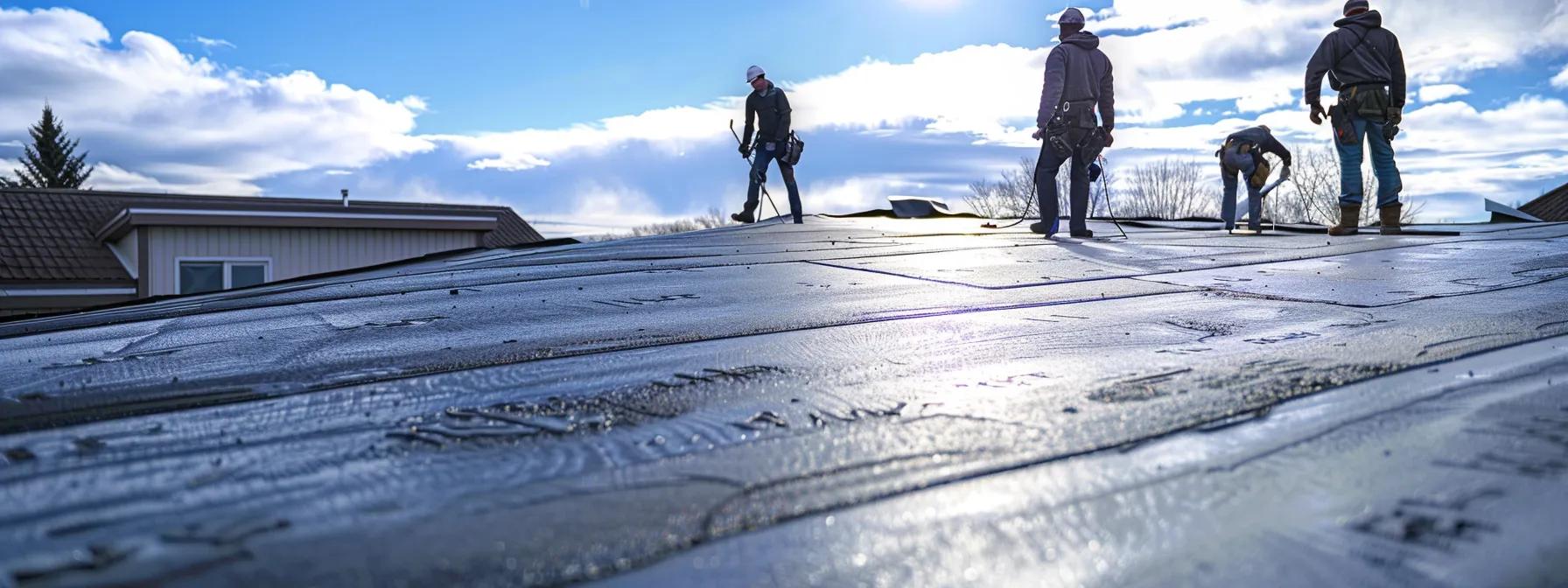
Understanding the cost of preparing and overlaying an EPDM roof is essential for budgeting and project planning. The cost is influenced by several factors, including the size and condition of the roof, the extent of repairs needed, labor expenses, and the quality of materials chosen. Although a complete roof replacement might seem like a more straightforward expense, an overlay offers significant savings and can be executed with less disruption.
What Factors Affect the Cost of EPDM Roof Overlay Preparation?
Cost factors contributing to the overall expense include the current state of the existing roof, the amount of cleaning and repair work required, and the type of adhesives and primers used. Roof pitch, accessibility, and existing damage can all drive labor costs higher. Material prices fluctuate based on market trends and the specific brands chosen.
In Minneapolis-Saint Paul, weather-related wear may increase the frequency of repairs, thus impacting the overall investment. Detailed estimates often require on-site inspections by professionals to provide an accurate breakdown of each work component. These assessments help file an accurate budget aligning with the roof’s specific needs.
How Does Overlay Cost Compare to Full Roof Replacement?
Overlay installations are typically less expensive than full roof replacements for several reasons. Overlaying avoids the labor-intensive process of dismantling the old roof, which not only saves time but also reduces material waste and environmental impact. Studies have shown that the cost of an overlay can be as much as 40% less than that of complete roof replacement, although this benefit can vary based on roof condition.
The reduced cost does not come at the expense of durability; a properly executed overlay continues to provide the same level of waterproofing and protection as an entirely new roof system. This cost-effective alternative is especially appealing to budget-conscious property owners who need to quickly restore roof performance without intensive downtime.
Are There Warranty or Guarantee Options Available?
Many professional roofing companies offer warranties on both the materials and the workmanship when preparing and overlaying EPDM roofs. These warranties can range in duration depending on the quality of the products used and the expertise of the contractor. While some warranties may cover only material defects, reputable contractors provide comprehensive guarantees that also include labor and performance factors. It is important to verify warranty details before proceeding and ask questions such as what specific issues are covered, what the claim process entails, and the duration of the warranty period. Investing in a contractor who stands behind their installation can provide peace of mind and ensure long-term protection for your roof system.
How Do You Choose the Right Contractor for EPDM Roof Overlay Preparation?
Choosing the right contractor is critical to ensuring a successful EPDM roof overlay. The right contractor not only brings technical expertise but also strong project management skills, ensuring that the entire process—from inspection to overlay application—is performed according to industry standards. A reliable contractor will be transparent about pricing, provide detailed project timelines, and guarantee their workmanship with strong warranty options. For homeowners and business owners in the Minneapolis-Saint Paul area, selecting a contractor with experience in handling local weather challenges and roofing codes is essential.
What Qualifications and Experience Should a Contractor Have?
A reputable contractor should have demonstrable experience with EPDM roofing, including prior overlay installations. Look for certifications from recognized roofing associations and evidence of in-depth training in EPDM systems. Positive testimonials and references, as well as a portfolio of completed projects, can provide further assurance of quality.
The contractor should also have a solid track record of safety compliance, quality control measures, and transparency in communication regarding costs and timelines. In my experience, verifying credentials and years of experience can translate into a smoother, more efficient project that reduces the risk of unexpected complications.
What Questions Should You Ask Before Hiring?
Before committing to a contractor, ask detailed questions about their process, materials, and scheduling. Inquire about the steps they take to prepare the roof, the types of adhesives and primers used, and how they handle repairs.
Ask for a detailed estimate that includes all costs and potential contingencies. It is equally important to question their approach to safety, especially when accessing multi-story buildings, and their plan for handling unexpected damages discovered during the project. Questions about warranty coverage and post-installation service are also critical to ensure you have long-term support. Clear, detailed responses from the contractor will help build your confidence in their ability to execute the project professionally.
How to Verify Warranty and Service Guarantees?
Verifying warranty and service guarantees involves asking for copies of the warranty agreements and discussing the conditions with the contractor. Ensure that the contract explicitly states the coverage period, what materials and labor are included, and the process for filing claims should issues occur. Contractors with reputable warranties often have insurances that back up their service guarantees, further protecting your investment.
Additionally, checking online reviews and requesting references from past clients can provide insights into the contractor’s commitment to honoring warranties and providing post-installation support. These steps are integral in making an informed decision and ensuring future peace of mind.
Where to Find Local EPDM Roofing Specialists?
Local roofing specialists can be found through a variety of sources, including referrals from trusted friends or family, online directories of licensed contractors, and industry organizations such as the National Roofing Contractors Association.
Local trade shows and home improvement expos are also excellent venues to meet and assess several roofing professionals in person. For those in the Minneapolis-Saint Paul area, local chamber of commerce listings and community bulletin boards can be valuable resources. Conducting thorough background checks and reading customer testimonials will help narrow down your options and select a contractor with a proven record of delivering quality EPDM roof overlay projects.
What Are the Benefits of Properly Preparing an EPDM Roof for Overlay?
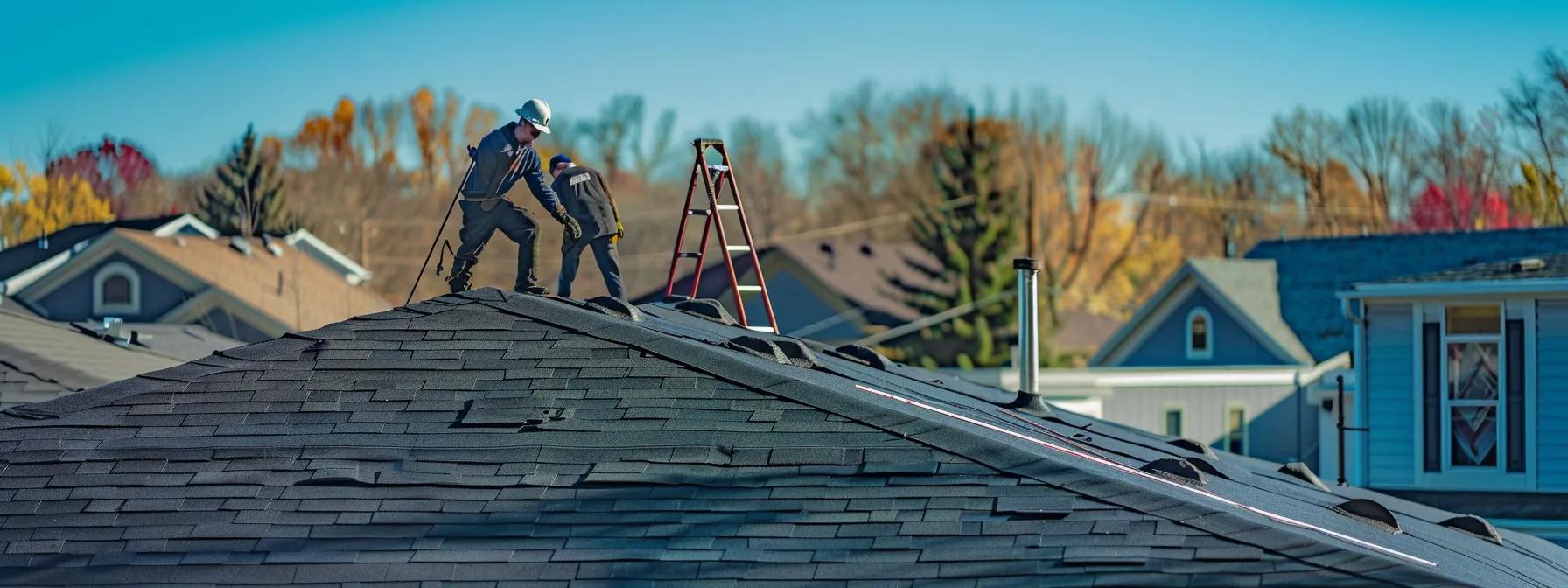
Properly preparing an EPDM roof for overlay offers substantial long-term benefits that include enhanced durability, cost efficiency, and improved overall roof performance. When the underlying surface is thoroughly inspected, cleaned, and repaired, the new EPDM membrane can fully bond with the substrate, leading to a more watertight, resilient roof system. In turn, this not only extends the lifespan of the roof but also reduces maintenance costs and minimizes unexpected repair expenses over time.
How Does Preparation Extend the Roof’s Lifespan?
A well-prepared EPDM roof creates a stable and smooth base for the new membrane, ensuring that the overlay functions as an integrated part of the roofing system rather than merely a superficial layer. This careful preparation helps to prevent moisture infiltration, which is a common cause of premature roofing failure.
Studies have demonstrated that properly prepared roofs can extend the functional lifespan by up to 50% compared to roofs that are not adequately prepped. By investing time and effort in cleaning, repairing, and priming the roof, you create an environment that minimizes the risk of bubble formation, seam separation, and other complications that lead to water damage and subsequent deterioration.
What Environmental and Cost Savings Result From Overlay?
Overlaying an existing roof instead of executing a complete roof replacement offers significant environmental benefits. It reduces waste sent to landfills and lessens the consumption of new materials, aligning with sustainable building practices.
Economically, a roof overlay is less labor-intensive, leading to lower overall costs, and typically results in fewer disposal fees and faster turnaround times. By opting for an overlay, property owners can enjoy the dual benefits of prolonged roof performance and significant reduction in project expenses, all while being environmentally responsible. The cost savings can sometimes reach as high as 40% compared to full replacements, making it a wise choice from both budgetary and ecological perspectives.
How Does Preparation Improve Roof Performance and Appearance?
Proper roof preparation enhances not only the structural integrity but also the aesthetic appeal of the roof. A clean, repaired, and well-primed surface allows the new EPDM membrane to bond evenly, resulting in a sleek, uniform appearance without unsightly seams or bubbles.
The improved adhesion directly translates into better waterproofing, ensuring that the roof can withstand heavy rains, high winds, and other severe weather conditions prevalent in the Minneapolis-Saint Paul area. Furthermore, a properly applied EPDM overlay can also boost energy efficiency by minimizing heat loss in winter and reducing heat gain in summer. Overall, it provides a more attractive and long-lasting finish that increases the property’s value and curb appeal.
Final Thoughts
In summary, properly preparing an EPDM roof for overlay is a multi-step process that significantly enhances both the functionality and longevity of your roof system. By conducting thorough inspections, implementing effective cleaning techniques, executing necessary repairs, and following precise overlay application methods, you ensure that the new EPDM membrane performs flawlessly.
The benefits extend beyond cost savings, offering improved waterproofing, energy efficiency, and a visually appealing finish that meets the demands of harsh weather conditions. Choosing the right contractor and verifying their credentials further reinforce the quality and trustworthiness of the work, setting the stage for a durable and reliable roof.
Frequently Asked Questions
Q: What is an EPDM roof overlay? A: An EPDM roof overlay is a process where a new EPDM membrane is applied directly over the existing roof system without a complete tear-off. This method is cost-effective and environmentally friendly as it preserves the underlying roof deck, reduces material waste, and minimizes installation time. When properly prepared, the overlay provides enhanced waterproofing and durability.
Q: How do I know if my EPDM roof is suitable for an overlay? A: To determine if your EPDM roof is suitable for an overlay, you should perform a thorough inspection for damages such as tears, punctures, and moisture problems. Key indicators include uneven areas, blisters, or extensive debris build-up. If significant structural issues or widespread moisture infiltration are present, a full roof replacement may be necessary. Professional assessments can provide additional guidance.
Q: What cleaning products are safe for EPDM roofs? A: Safe cleaning products for EPDM roofs include mild, pH-neutral detergent solutions and non-abrasive cleaning agents. It is important to avoid harsh chemicals and acidic cleaners that can damage the rubberized surface. Specialized EPDM roof cleaners are also available and are designed to remove contaminants effectively while preserving the membrane’s integrity. Always rinse thoroughly with water to eliminate any residue.
Q: How long does the overlay installation process typically take? A: The overlay installation process can vary in duration based on the complexity and size of the roof. Generally, the complete process—including inspection, cleaning, repairs, primer and adhesive application, and membrane installation—may take several days to a week. Factors such as weather conditions, accessibility, and the extent of necessary repairs can influence the timeline significantly.
Q: Is it better to repair or replace an EPDM roof? A: Deciding whether to repair or replace an EPDM roof depends largely on the extent of existing damage. If the damage is localized and the roof deck remains structurally sound, repairs followed by an overlay can extend the roof’s life at a lower cost than full replacement. However, if extensive damage, widespread moisture issues, or severe structural problems exist, a complete replacement might be the best option to ensure long-term performance and safety.
Q: Can I overlay EPDM over an existing EPDM roof? A: Yes, it is possible to overlay EPDM membrane over an existing EPDM roof provided the underlying membrane is in good condition and has been thoroughly cleaned and repaired. However, if the existing roof shows significant signs of wear or damage, it may be advisable to remove it before applying a new overlay to ensure optimal adhesion and performance.
Q: What warranty should I expect with an EPDM overlay installation? A: Warranties for EPDM overlay installations can vary by contractor and product quality. A reputable contractor should offer warranties that cover both materials and workmanship, typically ranging from 10 to 30 years. It is crucial to review the warranty details, including any conditions or limitations, to ensure that your investment is protected against future issues.
Need a roof inspection in Saint Paul or the Twin Cities? Call Sellers Roofing Company at +1-651-703-2336 or schedule a free estimate. We are a black-owned, NMSDC-certified MBE roofing contractor with 9+ years experience.