Last updated: 2026-09-19 by Ted Sellers, Owner
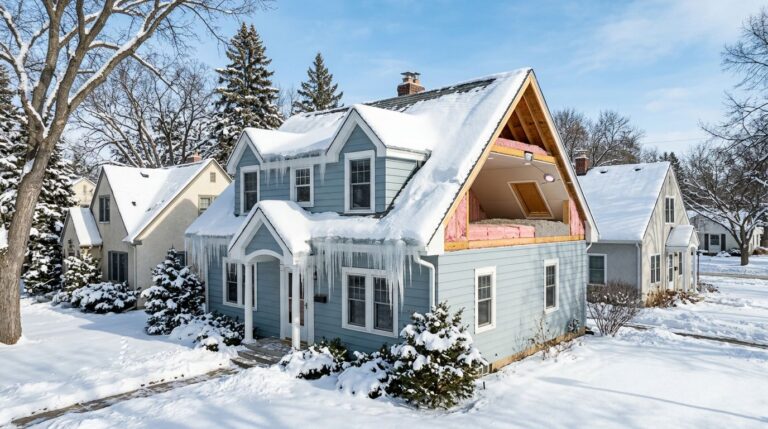
Yes, clogged gutters ice dams are a frequent concern for homeowners during harsh winters. While clogged gutters can exacerbate the issue by trapping meltwater at the eaves, they are not typically the original cause of the problem. Heat escaping from your living space into the attic warms the roof, which triggers the process by creating melting snow that flows toward the colder edges of the house. Once this water reaches the frozen eaves, it can refreeze into a solid ridge. If your drainage system is obstructed, that trapped meltwater has nowhere to go, which can lead to leaks behind the fascia or underneath your asphalt shingles.
Key Takeaways
The short version
- Clogged gutters trap meltwater at the roof edge, where the freezing Minnesota climate causes it to refreeze.
- Ice dams usually start with uneven roof temperatures rather than leaves alone.
- Frozen gutters, blocked downspouts, and packed debris significantly raise the chance of water backing up under your shingles.
- Professional steam ice removal is much safer for your property than chopping at the ice with axes or heavy metal tools.
- If you discover active roof leaks, prioritize temporary water protection, take thorough photos for documentation, and schedule a professional roof inspection.
When This Applies
Homes with snow-covered roof edges and blocked gutters
This applies to homes in Saint Paul, Minneapolis, Roseville, Maplewood, Shoreview, New Brighton, and other cold-weather areas where snow stays on the roof for weeks.
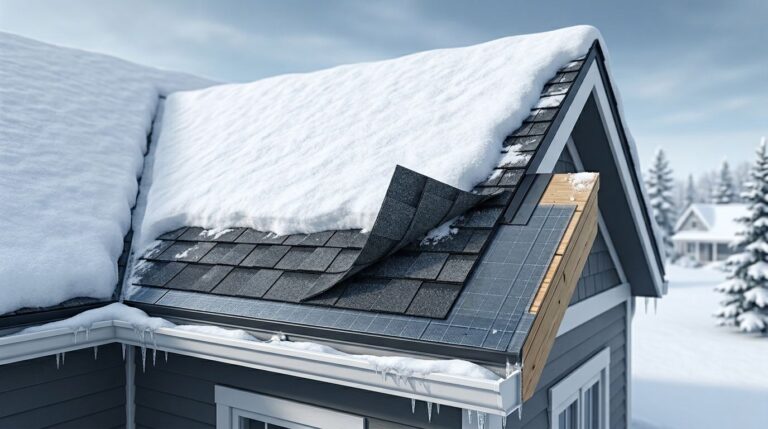
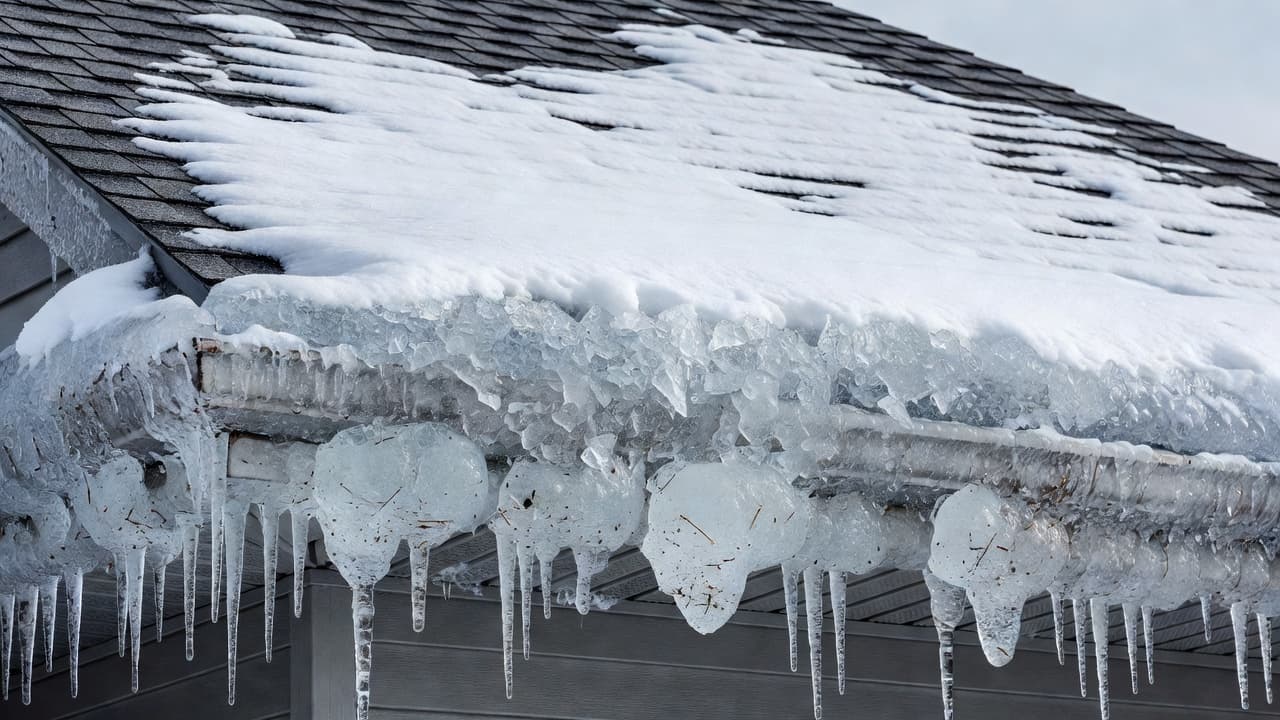
A typical sequence is simple. Heat from the home causes melting snow higher on the roof. Water runs to the colder roof edge. If you have clogged gutters full of leaves, roof grit, ice, or frozen downspouts, the water has nowhere to go. It pools, freezes, and builds outward.
The growing ridge traps later meltwater behind it. That water can move beneath asphalt shingles, wet roof decking, soak insulation, and stain ceilings. Even without visible overflowing, the constant freeze-thaw cycle allows water to collect along the eaves.
Guidance on gutter-related ice dam buildup correctly points out that blocked gutters hold water along the fascia line. That matters most during daytime melting snow and overnight refreeze cycles.
When gutters are not the main problem
A clean gutter does not stop every ice dam. Gutters are part of the drainage path, not the heat source.
If the roof temperature rises due to inadequate attic insulation, air leaks around light fixtures, or poor attic ventilation, snow will still melt. Excessive heat loss through the attic is the primary culprit, causing snow to liquefy and then freeze at the eaves even when gutters are clear.
Metal roofing sheds snow differently than other materials, but it can still form ice at gutters, valleys, and snow-retention hardware. A steep roof can face the same risk as a low-pitch roof edge.
Clean gutters reduce backup at the eaves. They do not fix heat loss through the attic.
Step-by-Step
1. Check the gutter and downspout before the next freeze
Look from the ground first. Watch for icicles concentrated at the roof edge, bowed gutters, frozen downspouts, or water spilling behind the gutter. Those signs often mean debris or ice has blocked the drainage route. Consistent gutter maintenance is essential to preventing these blockages. Additionally, using a roof rake to pull snow off the eaves before it melts can significantly reduce the weight and volume of ice buildup.
Do not climb onto an icy ladder or walk a snow-covered roof. Wet shingles, hidden ice, and frozen gutters create fall hazards fast.
If the gutter can be safely accessed in mild weather, remove leaves, seed pods, roofing granules, and loose debris. Clear the downspout outlet too, as a clean trough is useless if the downspouts end in a frozen plug. Even with gutter guards installed, you must perform regular gutter maintenance because these guards can keep out larger debris while allowing ice and fine roof grit to build up underneath.
2. Separate an ice dam leak from condensation
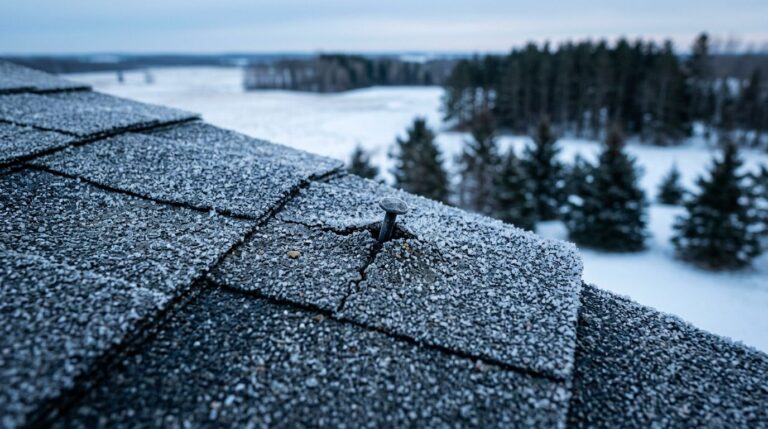
Water around a roof edge is not always indicative of roof leaks. Frost on attic nails, damp sheathing across wide areas, and moisture on the inside of windows may point to indoor humidity and ventilation problems.
An ice dam leak often appears after snow, a daytime thaw, or a hard freeze. The interior stain, which may indicate water damage, often sits several feet away from the actual entry point. Water can travel along framing, insulation, and the underside of roof decking before it drips into a room.
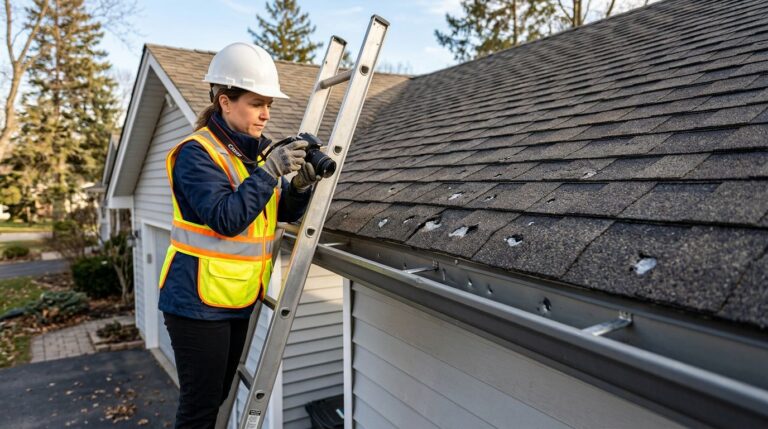
Take photos of the roof edge, gutters, ice buildup, ceiling stains, and damaged belongings. Note the date, weather, and time the leak appeared. That record matters if the event later becomes a roof insurance claim.
3. Stop active water without damaging the roof
Move furniture, cover belongings, and keep water away from electrical equipment. Place containers under drips. If ceiling drywall is bulging with trapped water, keep people clear of it and call a professional roofing contractor.
Avoid breaking ice with a hammer, shovel, axe, or pry bar. That can crack shingles, puncture membranes, bend gutters, and damage flashing. Using calcium chloride fabric tubes may open a small drainage channel, but they are not a complete repair plan. You should never use rock salt on roofing materials. If you opt for chemical intervention, ensure the calcium chloride is applied safely. For more persistent issues, professional steam ice removal melts channels through ice with low-pressure steam, which removes the blockage without beating up the roof surface. If water is entering after hours, Call 651-703-2336 for 24/7 Emergency Roofing.
4. Fix the conditions that keep creating dams
Start in the attic. Seal air leaks around plumbing stacks, wiring penetrations, recessed lights rated for contact with insulation, attic hatches, and chimney chases. These air leaks are often the primary driver of heat loss. Then, correct your attic insulation levels and attic ventilation based on the home design. Ensure your soffit vents are not blocked by insulation, as clear soffit vents are vital for maintaining the airflow needed to keep the roof deck cold.
The goal is a colder, more even roof surface. Snow should stay snow until it reaches the edge and melts through a clear gutter system.
A roof with brittle shingles, failed flashing, or repeated eave leaks may need more than attic work. Targeted residential roof repair can address isolated damage. Broad shingle failure, wet decking, or repeated winter leaks may point toward residential roof replacement.
Why Commercial Properties Need a Different Inspection
Flat roofs freeze water in different places
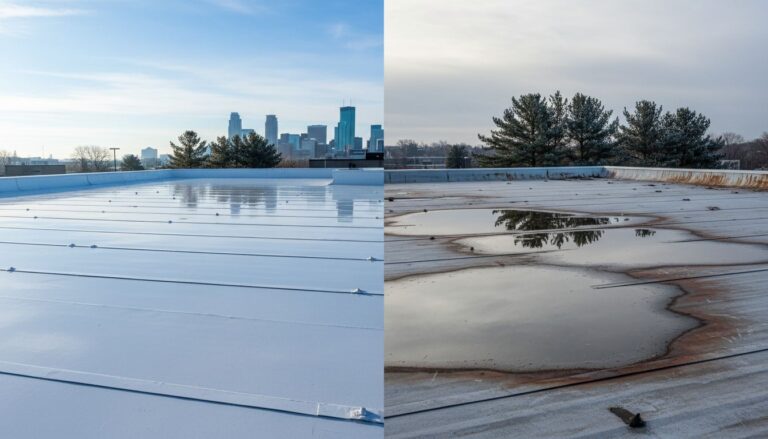
While clogged gutters are a primary cause of ice dams on residential homes, commercial buildings face distinct winter challenges. A commercial flat roof utilizes internal drains, scuppers, and tapered insulation rather than traditional residential gutters. When ice and debris obstruct these drainage points, they force water to sit against the roofing membrane, which often leads to significant water damage.
TPO roofing, EPDM, modified bitumen, and BUR systems do not fail in the same way as asphalt shingles. Instead, the primary concerns are open seams, split flashing, stressed edge details, and wet insulation hidden below the surface. In many cases, these vulnerabilities result in persistent roof leaks that are difficult to locate.
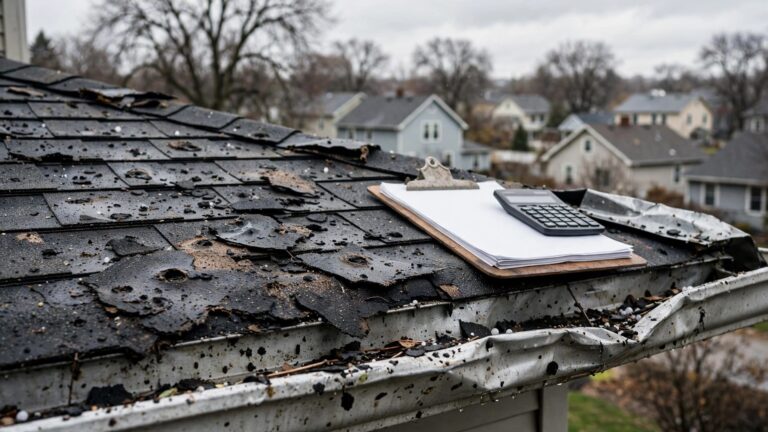
A hail damage roof or storm damage roof can further complicate these conditions. A fresh puncture or lifted seam may leak during a thaw, while ice blocks drainage in the same vicinity. Remember that a ceiling stain is merely the exit point of the moisture, not necessarily proof of where the water initially entered.
Find the water path before approving permanent work
A thorough commercial roof inspection performed by a professional roofing contractor should check all drains, scuppers, parapet walls, membrane seams, and penetrations. Simply applying a surface patch over the location of the drip often misses the actual opening located further uphill.
For large buildings, commercial roof leak detection can trace moisture beneath the system before the water damage spreads to the structural deck. A focused commercial roof repair may be sufficient when the insulation remains dry, but widespread saturation or recurring leaks often necessitate a commercial roof replacement.
While commercial roof restoration and roof coatings can extend the life of a sound system, they will not correct trapped water, rotten decking, or a drainage design that continues to hold meltwater.
Property managers dealing with winter drainage issues, active leaks, or damaged low-slope membranes can Get a Free Commercial Roof Inspection.
What to Document for Insurance and Repairs
Keep the cause and the damage separate
Insurance coverage depends on your specific policy and what caused the roof opening. A sudden storm created breach may be treated differently than a long term gutter problem, old flashing, poor ventilation, or skipped maintenance that leads to ice dams.
Take dated photos before temporary repairs. Save invoices for emergency dry in work, ice removal, moisture cleanup, and damaged materials. Keep a brief timeline that connects the storm, the ice buildup, the first drip, and the steps taken to limit additional water damage.
Do not authorize broad permanent repairs before the roof condition is documented, unless safety requires it. Removing wet shingles, insulation, or damaged flashing too early can erase evidence needed to establish the correct scope of the loss.
Sellers Roofing Company is a professional roofing contractor serving Saint Paul with MN License 803862. Its crews include union built roofing through IUPAT Local 96, and the company is GAF certified. For homeowners and building owners, that local experience matters when freeze thaw damage overlaps with wind, snow, and drainage failures. Learn more about Sellers Roofing Company.
Conclusion
Keep the eaves clear, but address the heat source
Clogged gutters can worsen ice dams by holding meltwater exactly where Minnesota temperatures cause it to refreeze. While keeping your eaves clear is a vital first step, effective ice dams prevention also requires a comprehensive approach that includes proper attic insulation and attic ventilation.
A roof edge that freezes every winter is a warning sign that your home requires attention. Address the immediate blockage in your drainage system, but be sure to trace any potential leaks and correct the underlying roof or attic conditions that are feeding the ice buildup.
Frequently Asked Questions
Can clogged gutters cause ice dams even if the attic is well insulated?
Yes. Even with high-quality attic insulation that prevents heat loss, clogged gutters can trap water that pools and creates ice dams. Good insulation is a critical first line of defense, but it cannot force water through debris or frozen downspouts when drainage is blocked.
Should I remove ice from gutters myself?
Only if it can be done safely from the ground or a stable access point during mild weather. Do not attempt to chip at ice while on a ladder or walk on a slippery, snow-covered roof. Professional steam ice removal is a much safer and more effective method for addressing heavy buildup.
Will gutter guards prevent ice dams?
Not necessarily. While gutter guards can reduce leaf and debris accumulation, they do not stop melting snow from reaching the roof edge and freezing. In some cases, ice can form beneath these guards, which makes the system even harder to clean once the cold sets in.
Can an ice dam damage the roof without causing an indoor leak?
Yes. Ice can bend gutters, loosen fascia, stress flashing, and force moisture beneath shingles before a ceiling stain ever appears. The absence of an active drip does not mean the roof edge is dry, as the water may simply refreeze as temperatures fluctuate.
Does homeowners insurance pay for ice dam damage?
Sometimes. Coverage often depends on your specific policy language and the underlying cause of the damage. When dealing with melting snow that may refreeze, it is important to document the initial damage, the severity of the weather event, and any emergency mitigation steps taken before starting permanent repairs.
Need a roof inspection in Saint Paul or the Twin Cities? Call Sellers Roofing Company at +1-651-703-2336 or schedule a free estimate. We are a black-owned, NMSDC-certified MBE roofing contractor with 9+ years experience.