Last updated: 2026-05-26 by Ted Sellers, Owner
Commercial Roof Maintenance Tips for Long-Lasting Protection: Expert Strategies to Extend Roof Lifespan
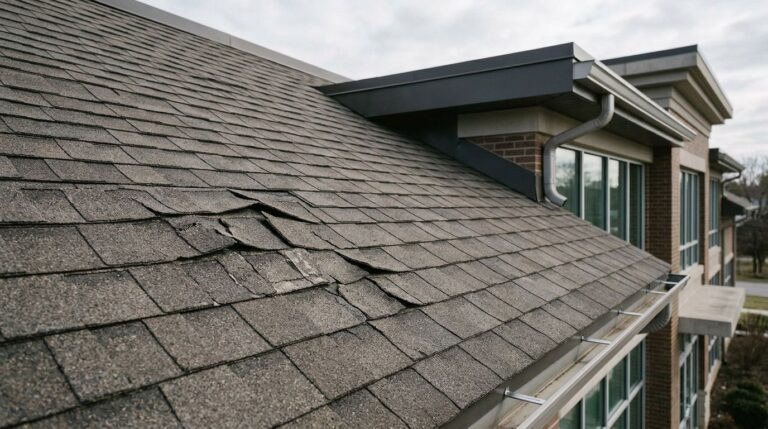
Commercial roof maintenance for St. Paul & Minneapolis buildings: A proactive plan of biannual inspections plus post-storm checks, drain/debris clearing, seam/flashings touch-ups, and prompt leak triage keeps the roof watertight, energy-efficient, and warranty-compliant. Facility teams should log dates, photos, and repairs, and coordinate with HVAC to reduce penetrations and vibration issues. If you notice ponding, clogged scuppers, soft spots, or interior stains, schedule an inspection within 48 hours to prevent interior damage and downtime.
Commercial roof maintenance tips for long-lasting protection help your building envelope stay watertight, energy-efficient, and structurally sound.
By combining preventive maintenance, regular inspections, and targeted repairs, property managers can extend service life, reduce emergency calls, and control lifecycle costs. In this guide, we explain why maintenance matters, how often to inspect, the highest-ROI prevention tasks, care by roof type, how to build a program, seasonal checklists, ROI considerations, and useful technologies (thermal scans, moisture mapping, smart sensors).
As roofing experts at Sellers Roofing Company, we draw on years of field work across St. Paul and Minneapolis and link to our commercial roof maintenance best practices to supplement these practical steps
Why Is Commercial Roof Maintenance Essential for Long-Term Protection?
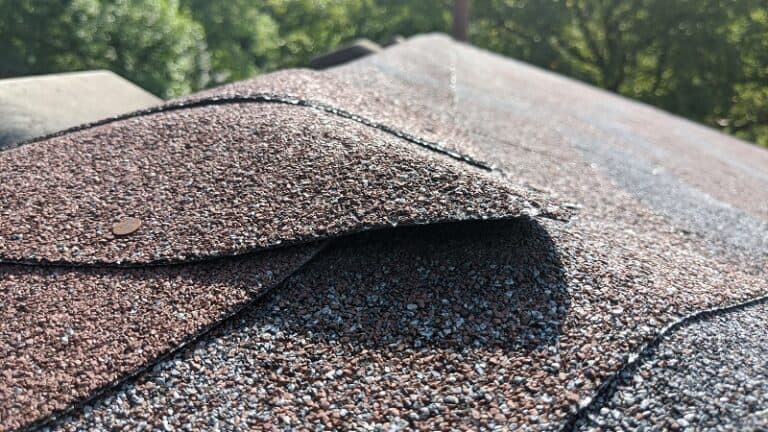
Commercial roof maintenance is a proactive service that identifies and resolves minor issues before they escalate into major failures, preserving asset value and occupant safety. Preventive maintenance prevents moisture infiltration, reduces load stresses, and upholds warranty compliance. For example, addressing small membrane cracks early stops water intrusion that could otherwise compromise insulation and structural decking.
Maintaining your roof enhances building performance while minimizing lifecycle costs and liability exposure. Understanding these benefits guides the development of an effective roof care strategy.
Benefits of Commercial Roof Maintenance
Regular commercial roof maintenance is essential for identifying and resolving minor issues before they escalate into major failures. This proactive approach helps preserve asset value and ensures occupant safety by preventing moisture infiltration and upholding warranty compliance. Addressing small problems early can prevent significant damage to insulation and structural components.
This citation supports the importance of proactive maintenance in preventing costly repairs and ensuring the longevity of commercial roofs, as highlighted in the article.
What Are the Key Benefits of Regular Commercial Roof Maintenance?
Identifying and tackling emerging issues early yields multiple advantages:
- Asset Protection – Prolongs roof integrity and prevents structural decay.
- Cost Savings – Lowers lifetime repair and replacement expenses.
- Warranty Compliance – Meets manufacturer maintenance requirements.
How Does Preventive Maintenance Reduce Repair Costs and Business Disruptions?
Preventive maintenance involves scheduled inspections, cleaning, and minor repairs to forestall major failures that can halt operations. By replacing worn sealant and clearing drains before storms, property managers avert emergency interventions that could cost 3–5× more than routine service. This approach safeguards continuity and protects revenue streams.
Early detection and correction keep small issues from cascading into business-critical emergencies.
Which Roles Are Responsible for Effective Roof Maintenance?
Understanding who is accountable ensures clarity and timely action:
How Often Should Commercial Roofs Be Inspected and Maintained?
Commercial roofs require a combination of routine and condition-triggered inspections to remain resilient against weather and wear. Inspections scheduled twice a year and after severe events let professionals identify deterioration before it undermines protection. For example, spring inspections clear winter debris, while fall checks prepare for heavy precipitation.
What Is the Recommended Inspection Frequency for Commercial Roofs?
Commercial roofs should be inspected:
- At least twice annually (spring and fall)
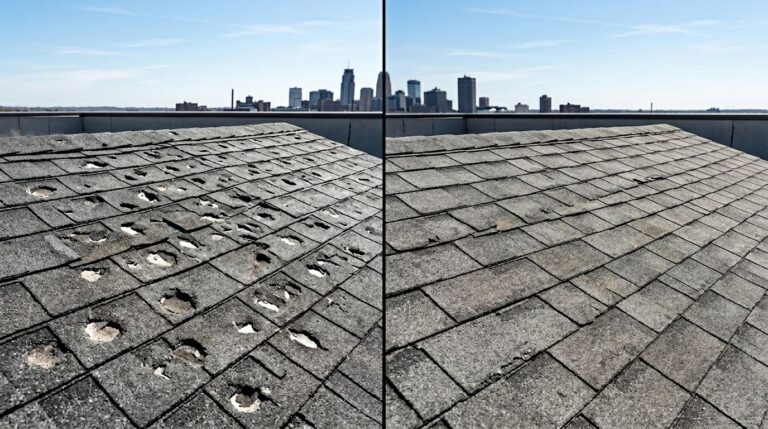
- Within 48 hours after high-wind or hail events
- Following prolonged freezing or heavy rain
Inspection Frequency for Commercial Roofs
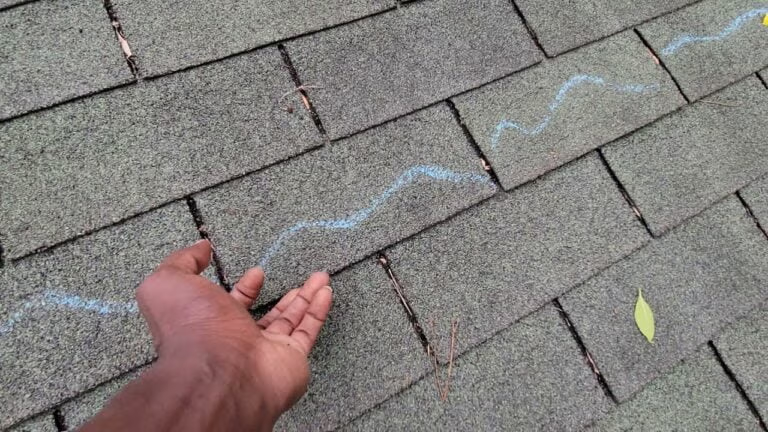
Commercial roofs should undergo inspections at least twice a year, typically in the spring and fall, to identify potential issues. Additionally, inspections are crucial after severe weather events, such as high winds or hail, and following prolonged freezing or heavy rain. This schedule helps in early detection and preserves warranty coverage.
This citation reinforces the recommended inspection frequency for commercial roofs, aligning with the article’s emphasis on regular maintenance and timely assessments.
What Are the Most Effective Roof Inspection Methods?
Combining visual, drone, and thermal imaging yields comprehensive diagnostics.
- Visual inspections identify surface damage and sealant failure.
- Drone surveys capture hard-to-reach areas safely and efficiently.
- Thermal imaging reveals hidden moisture and insulation voids.
How Do Professional Inspections Improve Roof Longevity?
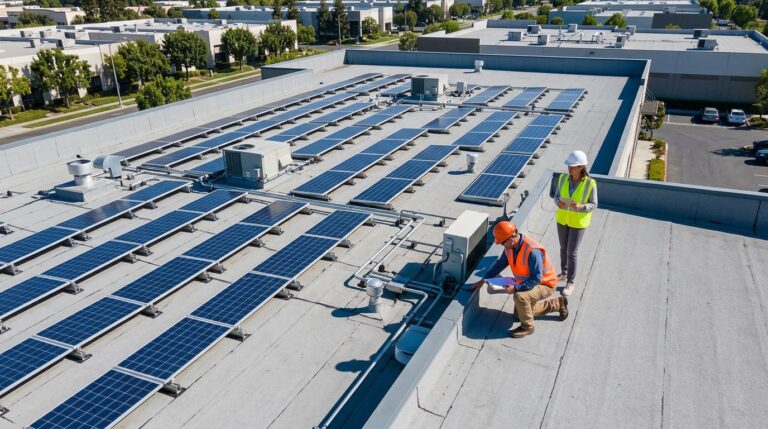
Professional inspections leverage specialized tools and expertise to document damage patterns and prioritize repairs. Detailed reports guide targeted interventions—such as membrane patching or flashing upgrades—that can extend roof life by 30 percent. Certified inspectors also validate compliance with industry standards and manufacturer requirements.
Timely, expert assessments deliver actionable insights that drive long-term roof health.
What Are the Top Commercial Roof Maintenance Tips to Prevent Damage?
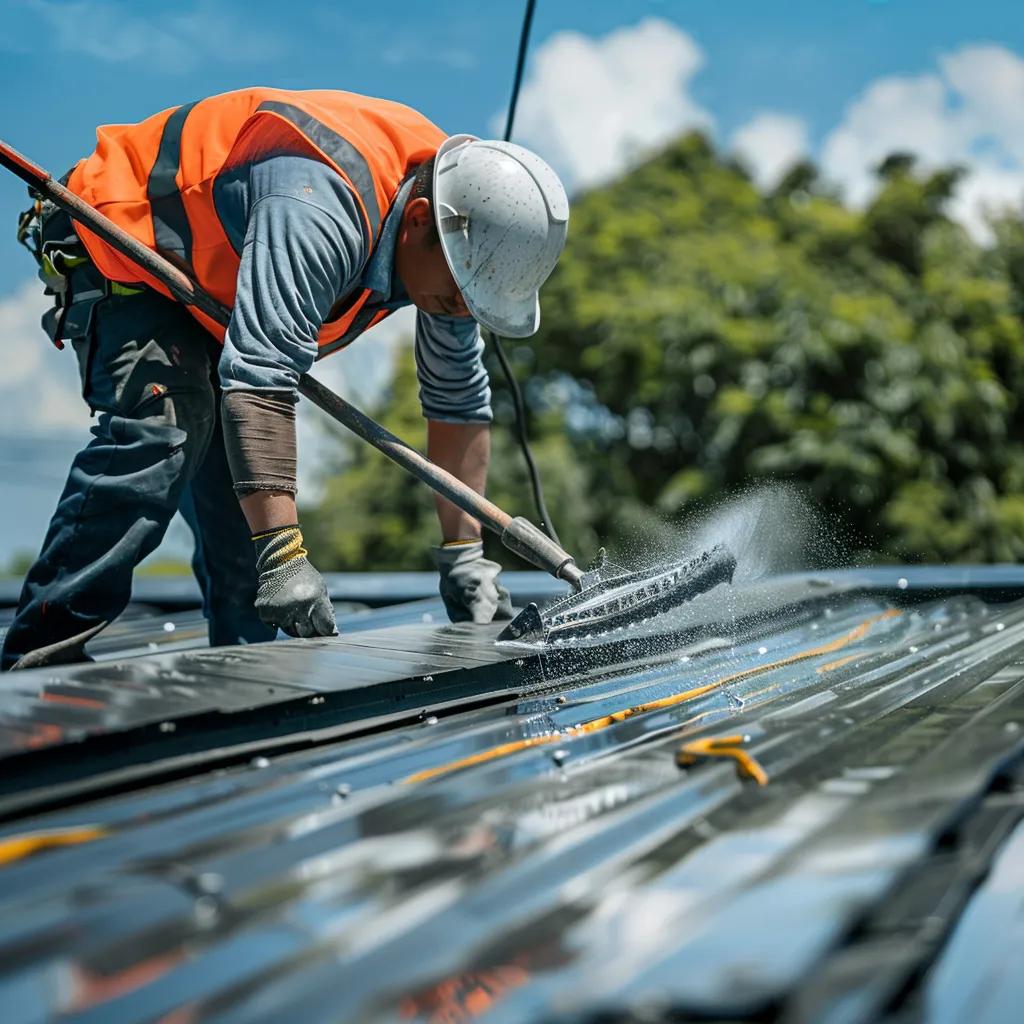
Commercial roof maintenance tips to prevent damage include six essential actions that form a robust defense against leaks, ponding, and membrane degradation:
- Debris removal and surface cleaning
- Drainage system upkeep and ponding prevention
- Flashing and sealant inspection around penetrations
- Prompt leak detection and professional repairs
- Protective membrane coatings and traffic reduction
- Rooftop HVAC unit maintenance
How Should Debris Removal and Cleaning Be Performed?
Regular debris removal prevents drain blockages and surface wear. Use brooms, leaf blowers, and gentle power-washing to clear loose materials; avoid harsh chemicals that degrade membranes. Performing this task quarterly stops accumulation that can puncture roofing layers.
Consistent cleaning preserves water flow paths and reduces stress on roofing components.
Why Is Drainage System Maintenance Critical for Flat and Commercial Roofs?
Effective drainage stops ponding water, which accelerates membrane deterioration and structural sagging. Inspect gutters, downspouts, and scuppers for clogs; confirm proper slope and secure fittings. Clearing these components twice a year prevents water pooling that leads to leaks.
Maintaining clear water channels protects membrane integrity and underlayment performance.
How Do Flashing and Sealant Inspections Protect Roof Integrity?
Flashing and sealants form the roof’s watertight barriers around vents, skylights, and HVAC curbs. Check for cracks, detachment, and shrinkage; reseal or replace compromised caulk and metal flashing. This preserves continuous protection at vulnerable intersections.
Securing these joints prevents water intrusion and damage to underlying structures.
When and How Should Roof Leaks Be Detected and Repaired Promptly?
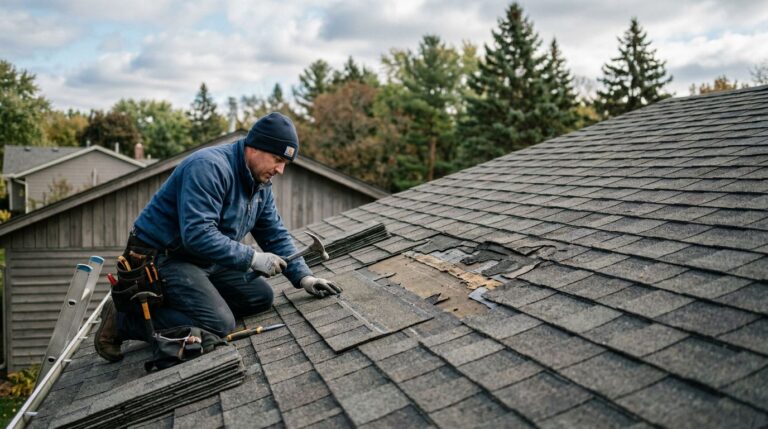
Leak detection combines visual checks for water stains and infrared imaging to pinpoint moisture. Once identified, patch or reflash the affected area using manufacturer-approved materials. Engaging professionals for complex leaks stops small breaches from escalating.
Swift, precise repairs maintain a dry interior and avoid collateral damage.
What Are the Best Practices for Protecting the Roof Membrane?
Applying protective coatings and walk pads shields membranes from UV degradation and mechanical wear. Limit foot traffic to designated pathways and use temporary walkway mats during service. These measures extend membrane flexibility and reduce puncture risk.
Protective layers preserve membrane integrity and support long-term performance.
How Does HVAC Unit Maintenance Impact Commercial Roof Health?
Rooftop HVAC systems impose point loads and can corrode roofing substrates. Inspect support curbs, check for condensate leaks, and reseal flashings around unit bases. Tighten mounting hardware to prevent vibration damage.
Coordinating HVAC service with roof maintenance prevents seal failures and structural stress.
How Do Maintenance Requirements Vary by Commercial Roof Type?
What Are the Specific Maintenance Tips for TPO Roofs?
TPO roofs benefit from regular cleaning, seam inspection, and weld integrity checks. Remove oil-based debris that can degrade the thermoplastic membrane; inspect heat-welded seams for splits and reseal as needed. This keeps seams watertight and prevents membrane tears.
Targeted TPO care maintains flexibility and seam strength.
How Should Flat Roofs Be Maintained to Prevent Ponding and Damage?
Flat roofs require consistent slope verification and drain clearance to avoid standing water. Confirm tapered insulation remains effective, repair low spots, and ensure scuppers are unobstructed. Proper slope and drainage stave off membrane overstress.
Correct water evacuation preserves underlayment and structural stability.
What Are the Best Practices for Metal Roof Maintenance?
Metal roofs need corrosion checks, fastener torque inspections, and sealant renewal at overlaps. Remove surface rust, apply compatible primer, and replace worn washers. Well-maintained coatings and fasteners prevent leaks and prolong panel life.
Protecting metal components averts corrosion and water infiltration.
How Do EPDM and Modified Bitumen Roofs Differ in Maintenance Needs?
EPDM membranes resist UV but can shrink and pull at flashings; monitor seam adhesive and re-caulk edges. Modified bitumen benefits from cap sheet inspection and granule checks; repair splits with torch-applied patches. Address each material’s failure modes to maintain continuity.
Material-specific care preserves membrane adhesion and weather resistance.
How Can Property Managers Develop a Proactive Commercial Roof Maintenance Program?
What Are the Components of a Comprehensive Maintenance Program?
A complete program includes:
- Scheduled inspections and cleaning intervals
- Preventive repairs for sealants and drains
- Detailed condition reports with photo documentation
- Budget forecasting and warranty tracking
- Emergency response protocols
How Do Customized Maintenance Plans Benefit Commercial Buildings?
Tailored plans match inspection frequency and service scope to roof age, material, and building use. Customized schedules optimize resources, prevent over-service, and deliver cost predictability. Property managers gain confidence in roof performance and lifecycle planning.
Personalized programs drive efficiency and asset preservation.
What Should Be Considered When Choosing a Commercial Roofing Contractor?
Select a contractor with:
- Proven commercial roofing experience and certifications
- Comprehensive insurance and safety programs
- Positive references and documented project history
- Transparent warranties and service agreements
What Are the Cost-Benefit Advantages of Proactive Commercial Roof Maintenance?
How Does Routine Maintenance Extend Roof Lifespan and Reduce Costs?
Routine care prevents small defects from growing, adding up to 50 percent more service life. Case studies show that buildings with scheduled maintenance spend 30 percent less on emergency repairs over 10 years, freeing capital for other priorities.
Consistent upkeep translates directly into lifecycle savings.
What Are the Financial Risks of Neglecting Roof Maintenance?
Ignoring maintenance leads to abrupt failures, emergency reroofs, and water damage claims. Unplanned replacements can exceed maintenance budgets by 200 percent and trigger business disruptions that erode revenue and tenant satisfaction.
Proactive strategies eliminate budget volatility and downtime risks.
How Do Energy-Efficient Roof Coatings Contribute to Cost Savings?
Reflective and insulating coatings reduce solar heat gain, lowering HVAC energy use by up to 20 percent. Many coatings qualify for utility rebates and tax incentives, further offsetting application costs and contributing to sustainability goals.
Energy-efficient coatings deliver dual benefits of cost reduction and environmental performance.
How Does Seasonal Maintenance Enhance Commercial Roof Durability?
What Are the Essential Spring and Fall Maintenance Tasks?
In spring, clear winter debris, inspect membrane for freeze cracks, and confirm drain function. In fall, check sealants for UV degradation, secure flashings, and remove foliage. These seasonal tasks ensure roof readiness for heavy rain and cold conditions.
How Should Roofs Be Prepared for Severe Weather Events?
Before storms, tighten loose components, reinforce flashing around penetrations, and verify emergency drainage. Post-event inspections identify wind-lift damage and water infiltration early, prompting swift repairs.
Storm readiness protects roof structure and building interiors.
What Seasonal Changes Affect Different Roof Materials?
Temperature swings cause expansion in metal panels and contraction in membranes, affecting sealant adhesion. UV intensity in summer degrades bitumen, while winter freeze-thaw stresses EPDM seams. Recognizing these patterns guides material-specific upkeep.
Adapting maintenance to climatic cycles preserves material resilience.
How Can Advanced Technologies Improve Commercial Roof Maintenance?
What Are the Benefits of Drone Inspections for Commercial Roofs?
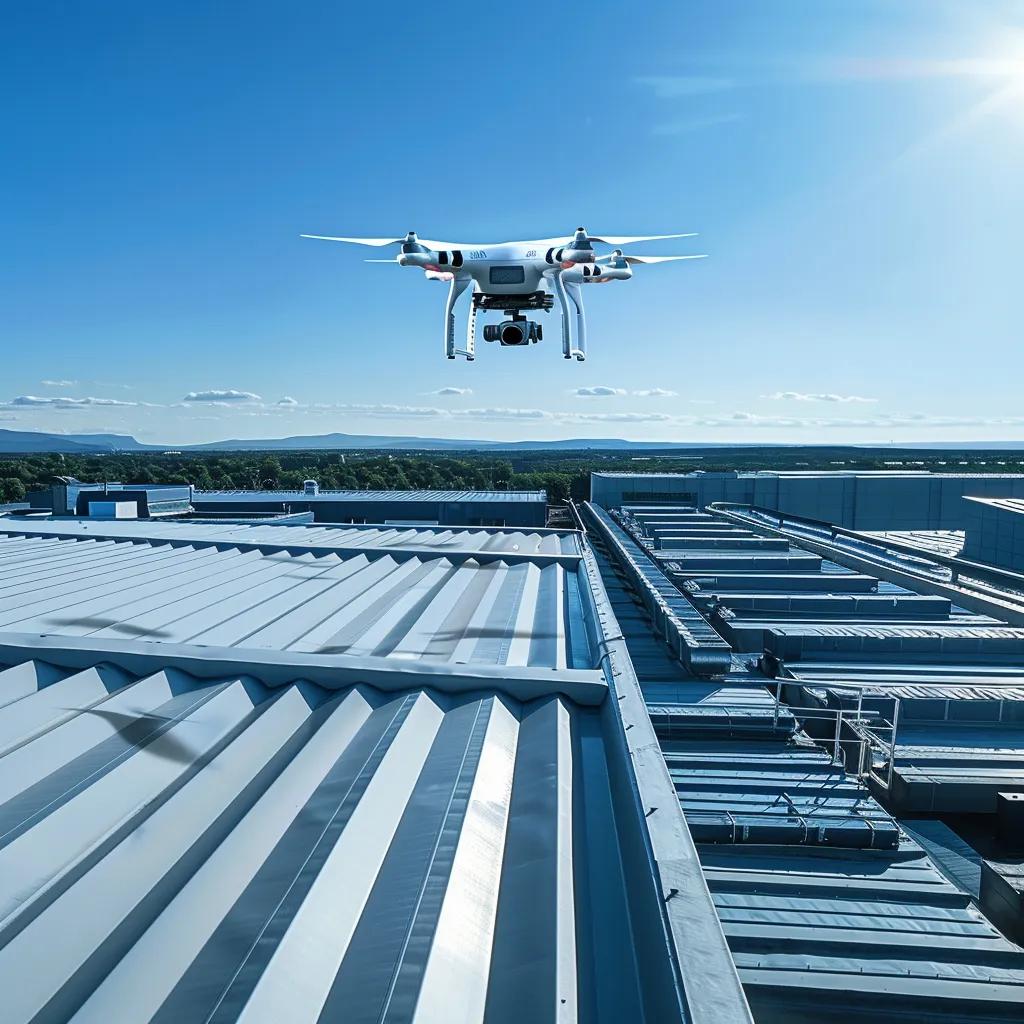
Drone inspections offer high-resolution imagery, rapid coverage, and reduced safety risks compared to manual roof access. They identify defects in minutes, enabling precise mapping of damage zones and cost-effective planning.
Drones streamline data collection and support informed maintenance strategies.
How Does Thermal Imaging Detect Hidden Roof Issues?
Thermal cameras reveal moisture accumulation, insulation voids, and heat leaks by mapping temperature variations. Early detection of subsurface moisture prevents mold growth and structural decay, guiding targeted repairs.
Thermal diagnostics expose concealed problems before they manifest as leaks.
What Emerging Technologies Are Shaping Roof Maintenance Practices?
AI-powered analytics predict failure patterns from historical data, while moisture sensors embedded in membranes provide real-time alerts. Robotics and automated cleaning systems promise hands-free maintenance for large installations.
Innovative tools are redefining proactive roof care for the next decade.
Regular, detailed maintenance based on material, season, and technology integration forms the roadmap to long-lasting commercial roof protection. Partnering with experienced roofing professionals ensures that every preventive measure—from debris removal to drone surveys—delivers maximum durability and cost savings.
Routine vigilance and strategic investment in advanced inspection methods keep roofs performing at peak efficiency, safeguarding buildings and occupants for years to come.
Need a roof inspection in Saint Paul or the Twin Cities? Call Sellers Roofing Company at +1-651-703-2336 or schedule a free estimate. We are a black-owned, NMSDC-certified MBE roofing contractor with 9+ years experience.