Last updated: 2026-08-01 by Ted Sellers, Owner
Commercial Roof Maintenance Tips for Longevity: Essential Strategies for Lasting Performance
Commercial roof maintenance represents the proactive series of actions that extend a roof’s functional life and prevent costly failures before they occur. By integrating routine inspections, timely repairs, and targeted material care, building owners protect structural integrity, optimize energy efficiency, and ensure warranty compliance. In this guide, we’ll cover why regular maintenance matters, how to inspect effectively, common roof issues and solutions, drainage system management, material-specific care, the role of coatings and restorations, repair vs. replacement decisions, ROI and energy gains, and when to call Roofing Experts St. Paul for professional support.
Why Is Regular Maintenance Crucial for Commercial Roof Longevity?
Regular maintenance keeps commercial roofs in peak condition by detecting damage early, reinforcing weak points, and preserving protective barriers. This systematic preservation process safeguards your investment, improves safety, and contributes directly to an extended service life.
What Are the Key Benefits of Commercial Roof Maintenance?
Commercial roof maintenance delivers three primary benefits:
- Lifespan Extension – Routine upkeep prevents small defects from turning into major failures, adding years to a roof’s usable life.
- Cost Savings – Early detection of leaks or membrane damage avoids expensive emergency repairs and premature replacement.
- Energy Efficiency – Cleaning reflective surfaces and sealing penetrations reduces heat gain, lowering HVAC loads and utility bills.
These advantages collectively preserve building value and minimize unplanned downtime, creating a strong foundation for facility management strategies.
Benefits of Commercial Roof Maintenance
Regular maintenance extends a roof’s lifespan by preventing small issues from becoming major problems, leading to significant cost savings by avoiding expensive repairs and premature replacements. Additionally, it improves energy efficiency by reducing heat gain, which lowers utility bills.
This source supports the article’s claims about the benefits of commercial roof maintenance.
How Does Maintenance Affect Commercial Roof Warranties?
Adhering to manufacturer-specified maintenance schedules meets warranty requirements and protects coverage. Documented inspections, cleaning logs, and repair records demonstrate compliance with conditions such as membrane integrity checks and pressure washing intervals. Without proof of care, warranty claims for material defects may be denied, shifting replacement costs directly to the property owner.
How Often Should Commercial Roofs Be Inspected?
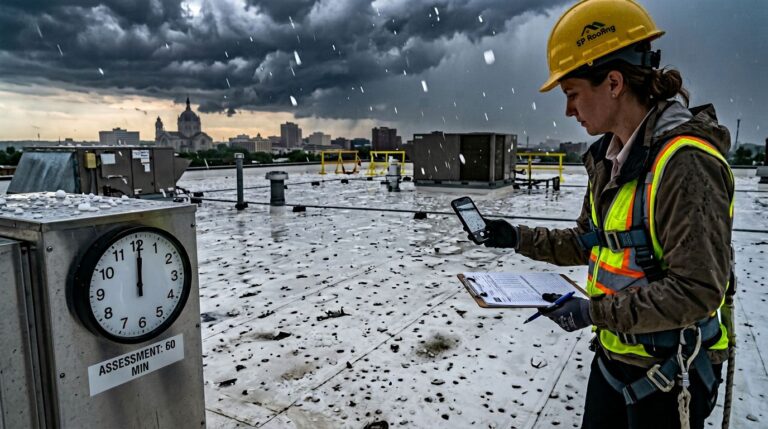
Commercial roofs should be inspected at least twice per year—typically in spring and fall—and after major storms.
Importance of Regular Roof Inspections
Commercial roofs should be inspected at least twice a year, typically in the spring and fall, and after major storms. This schedule helps identify damage from UV exposure, thermal expansion, and ponding water, as well as any impact damage from hail or debris.
This citation reinforces the article’s recommendations for the frequency and timing of commercial roof inspections.
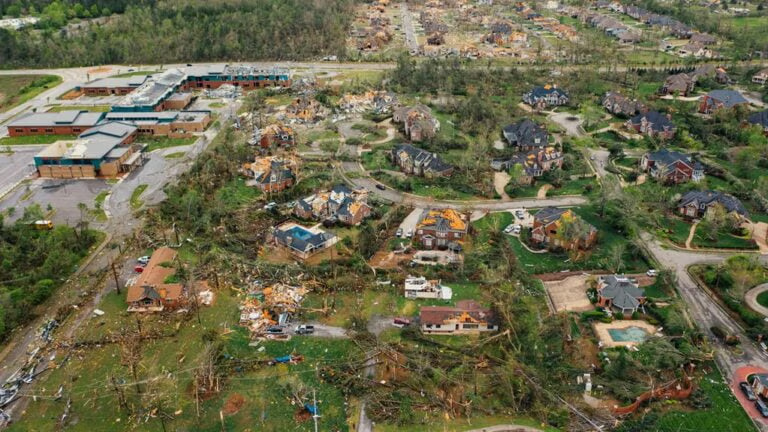
This biannual schedule aligns with seasonal weather transitions, enabling early identification of UV damage, thermal expansion cracks, and ponding water. Post-storm reviews capture impact damage from hail or fallen debris, facilitating immediate corrective action.
What Are the Best Practices for Commercial Roof Inspections?
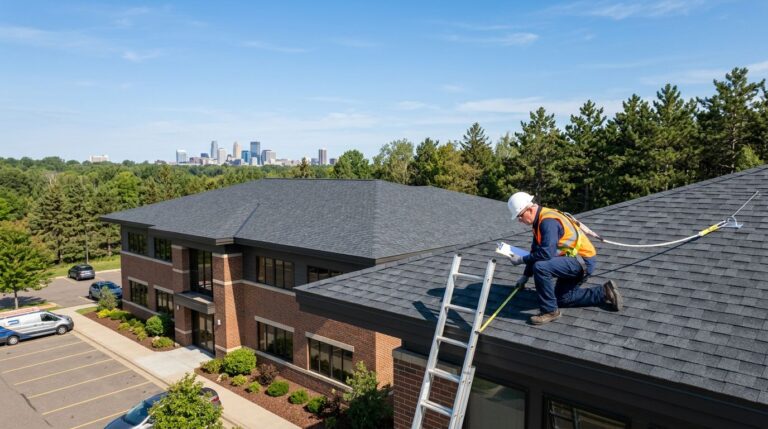
A thorough inspection follows a structured approach that uncovers hidden defects and confirms maintenance priorities. Professional and DIY methods each have roles in a complete inspection regimen.
What Should a Commercial Roof Inspection Checklist Include?
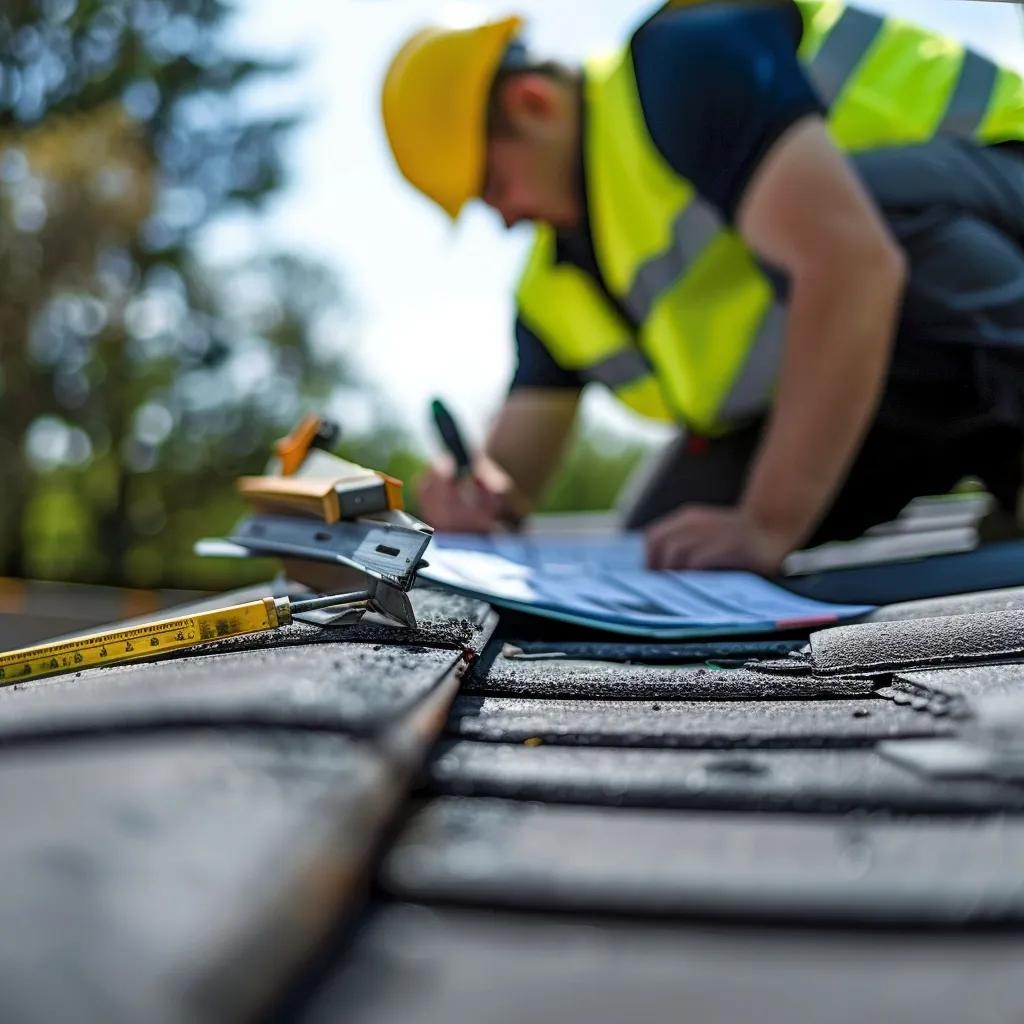
Before any inspection, review these critical elements to ensure a comprehensive evaluation:
This checklist ensures targeted assessment of all system components. Properly documenting each attribute provides a clear roadmap for maintenance and repair planning.
When to Choose Professional vs. DIY Roof Inspections?
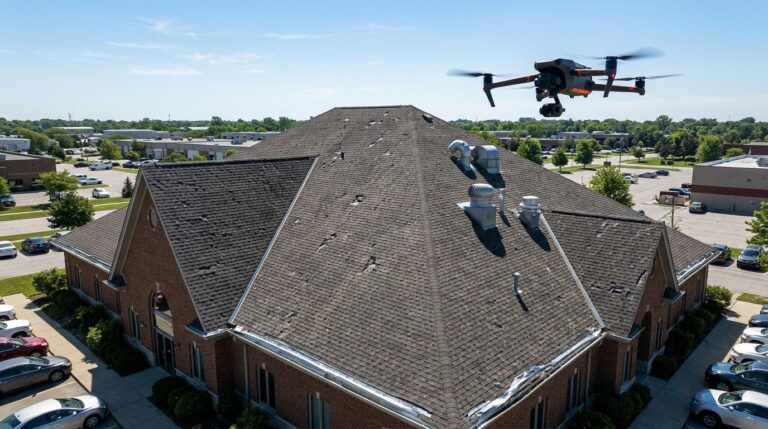
Professional roofing contractors offer detailed analysis using specialized tools—thermal imaging for hidden moisture, drone surveys for hard-to-reach areas, and compliance documentation. DIY inspections suit interim checks for visible issues such as loose debris or obvious leaks. A blended strategy leverages cost efficiency while guaranteeing expert evaluation at least once per year.
How Do Seasonal Changes Impact Roof Inspection Needs?
Seasonal transitions alter roofing demands:
- Spring inspections focus on winter freeze-thaw damage and gutter clearance.
- Fall reviews ensure readiness for snow load and ice dam prevention.
- Post-storm checks address wind-uplift damage and impact punctures.
Understanding these seasonal risks guides maintenance timing, reducing the likelihood of hidden vulnerabilities leading to deterioration.
How Can You Prevent and Address Common Commercial Roof Problems?
Identifying root causes and applying targeted solutions stops small issues from undermining roof performance. Proactive handling of water, leaks, debris, and membrane defects preserves the roof’s protective envelope.
What Causes Ponding Water and How Can It Be Prevented?
Ponding water forms when low-slope roof sections lack adequate drainage or structural deflection occurs. Preventive measures include:
- Installing Proper Drainage – Use internal drains or scuppers sized to peak rainfall rates.
- Adding Tapered Insulation – Achieves consistent slope for positive runoff.
- Regular Clearing – Keep drains and scuppers free of leaves and sediment.
By maintaining uninterrupted water flow, you inhibit membrane degradation and structural strain.
How to Detect and Repair Commercial Roof Leaks Early?
Early leak detection relies on systematic surveys and moisture-detection tools. Once located, address leaks by:
- Cleaning Surrounding Area – Remove debris to ensure adhesion.
- Applying Compatible Sealant – Use manufacturer-approved caulk or patch material.
- Reinforcing with Reinforcement Fabric – Embed fabric into the sealant over tears or punctures.
Prompt intervention stops water ingress from causing insulation damage or interior deterioration, preserving building envelopes effectively.
How Does Debris Affect Roof Health and How Should It Be Removed?
Accumulated debris accelerates membrane wear, clogs drainage, and invites vegetation growth. Safe removal practices include:
- Sweeping or using a leaf blower to clear loose materials.
- Soft washing scaled dirt with low-pressure water.
- Avoiding sharp tools that might puncture the membrane.
Consistent cleaning prevents blockages and reduces risk of water retention, supporting overall roof durability.
What Are Effective Solutions for Cracks, Blisters, and Punctures?
Minor membrane defects respond well to targeted repairs:
- Cracks – Fill with a compatible sealant and embed reinforcement tape.
- Blisters – Carefully cut open, drain trapped moisture, dry, then seal and cover with patch.
- Punctures – Place a backing pad beneath puncture, apply sealant, and cover with reinforcing patch.
By executing these repair steps swiftly, you maintain membrane continuity and forestall escalating damage.
How Do Commercial Roof Drainage Systems Affect Maintenance and Longevity?
Efficient drainage systems remove water rapidly, preventing ponding and material fatigue. Understanding system types and care routines maximizes roof resilience.
What Types of Commercial Roof Drainage Systems Exist?
Different drainage strategies suit various roof designs:
Each system type requires tailored maintenance to preserve unimpeded flow and structural protection.
How Should Drainage Systems Be Maintained and Cleaned?
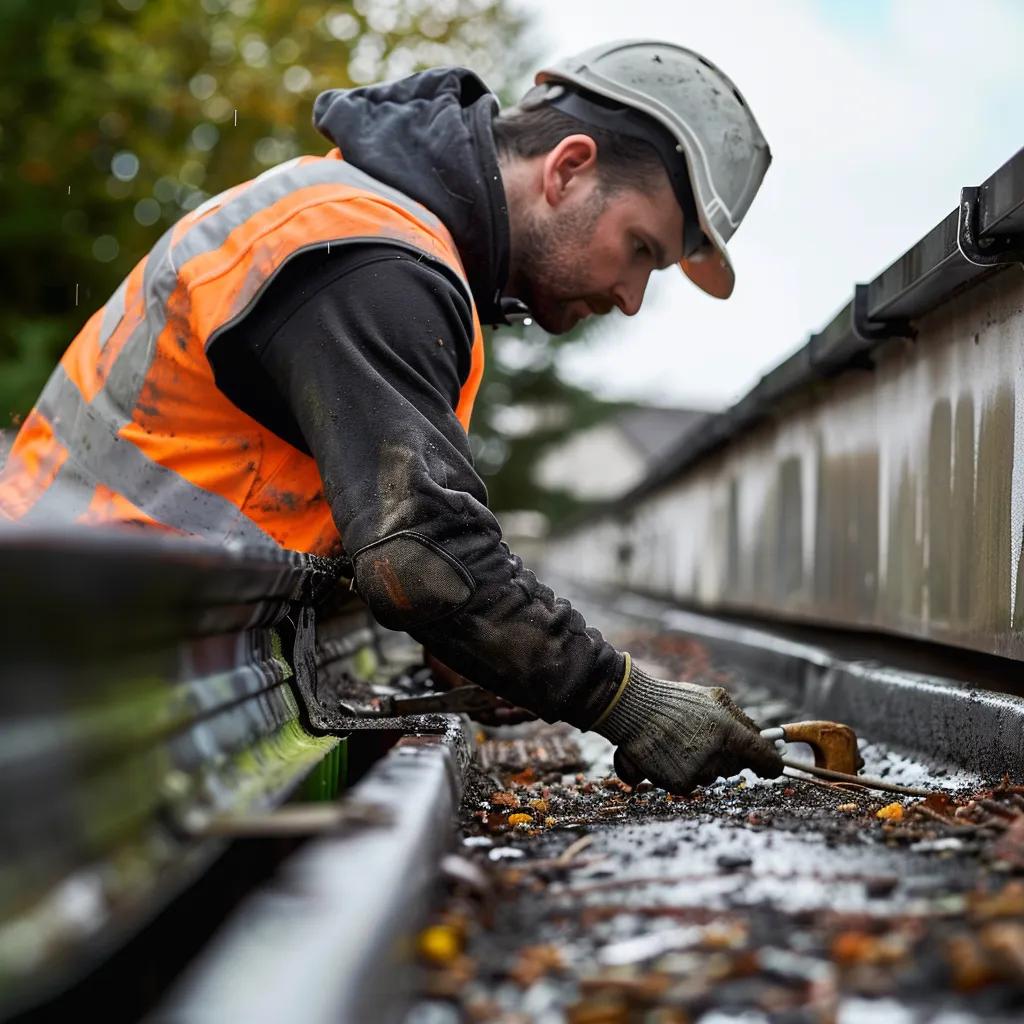
Maintaining drainage involves:
- Routine Debris Removal – Clear inlets and outlets monthly.
- Flush Lines with Water – Confirm full-flow capacity and spot leaks.
- Inspect for Corrosion or Damage – Repair or replace rusted scuppers, cracked pipes, and misaligned gutters.
These steps ensure water evacuation remains consistent, reducing load-induced stress on roofing membranes.
Why Is Proper Drainage Critical to Prevent Roof Deterioration?
Effective drainage protects the membrane from prolonged moisture exposure, which leads to material breakdown, insulation saturation, and structural corrosion. Maintaining water removal pathways directly correlates with a roof’s ability to resist premature aging and avoid costly overhauls.
What Are Material-Specific Maintenance Tips for Commercial Roofs?
Different roof membranes have unique care requirements. Tailoring maintenance practices to each material optimizes performance and longevity.
How to Maintain TPO Commercial Roofs Effectively?
TPO membranes benefit from:
- Regular Cleaning – Use mild detergent and soft-bristle brush to remove dirt and pollutants.
- Seam Inspection – Check heat welds for separation or gaps.
- UV Protection Checks – Look for early signs of chalking and apply manufacturer-approved rejuvenators.
Maintaining membrane cleanliness and seam integrity preserves TPO’s reflective properties and watertight seal.
What Are Best Practices for EPDM Rubber Roof Maintenance?
EPDM care focuses on:
- Debris Clearing – Prevent sharp objects from puncturing rubber.
- Adhesive Inspection – Verify perimeter and flashing bonds.
- Sealant Renewal – Replace aged sealants around curbs and vents.
These actions maintain EPDM’s elasticity and tear resistance, supporting a leak-free surface.
How Should Metal Commercial Roofs Be Maintained?
Metal roofing longevity relies on:
- Corrosion Prevention – Apply rust-inhibiting coatings at exposed fasteners and seams.
- Fastener Tightening – Check for loose screws or cinch clips.
- Panel Alignment – Ensure panels remain locked and expansion gaps intact.
Consistent metal care controls oxidation, structural movement, and potential leaks.
What Are Flat Roof Maintenance Essentials?
Flat roofs demand special attention:
- Ponding Water Checks – Address low spots immediately.
- Coating Integrity – Inspect for cracks or peeling in surface coatings.
- Edge Seal Inspections – Verify perimeter adhesives and flashings.
Flat roof vigilance prevents water retention and supports protective coating performance.
How to Care for Modified Bitumen Commercial Roofs?
Modified bitumen roofs require:
- Torch-On Seam Checks – Look for seam separation or splitting.
- Surface Granule Monitoring – Replace worn cap sheets to maintain UV defense.
- Water-Cutting Edge Reviews – Confirm all flashing laps remain sealed.
Proper bitumen care keeps membranes flexible and resistant to thermal cycling.
How Do Roof Coatings and Restorations Extend Commercial Roof Lifespan?
Applying protective coatings restores aging membranes and enhances performance by sealing micro-cracks and boosting reflectivity.
What Are the Benefits of Commercial Roof Coatings?
Roof coatings provide:
- Lifespan Extension – Fill micro-cracks and form a seamless barrier.
- Energy Savings – Reflect sunlight, reducing indoor cooling loads by up to 20%.
- Leak Prevention – Create an additional waterproof layer over existing membranes.
These benefits combine to lower maintenance costs and improve building comfort.
Which Types of Roof Coatings Are Best for Commercial Roofs?
How Should Coated Roofs Be Maintained?
After coating application:
- Annual Cleaning – Remove dirt and biological growth to maintain reflectivity.
- Crack Spot-Checks – Repair any surface splits with compatible sealant.
- Re-Coating Schedule – Plan reapplication every 5–7 years based on manufacturer guidelines.
Ongoing care sustains coating benefits and forestalls costly re-coats.
When Is Roof Restoration a Better Option Than Replacement?
Roof restoration suits roofs with intact structural decks and minor membrane degradation. Restoration offers:
- Cost Savings – Up to 50% less than full replacement.
- Minimal Disruption – Quicker application and reduced waste.
- Extended Warranty – New warranties often accompany coatings.
Restoration becomes more economical when deck conditions remain sound and surface repair costs are lower than a total tear-off.
When Should You Repair vs. Replace a Commercial Roof?
Deciding between repair and replacement hinges on damage severity, roof age, and long-term performance goals.
What Are Signs That Indicate Repair Is Sufficient?
Repair remains viable when:
- Damage affects less than 10–15% of roof area.
- Membrane attachment remains secure.
- Roof age is under two-thirds of its expected lifespan.
Targeted repairs correct isolated failures without incurring full replacement costs.
When Is Roof Replacement Necessary?
Complete replacement becomes necessary if:
- Roof membrane is aged beyond 20–25 years.
- Multiple seam failures or widespread membrane deterioration exist.
- Structural deck shows rot or irreversible damage.
At this point, replacement ensures a fresh warranty and eliminates legacy issues.
How Does Proactive Maintenance Influence Repair and Replacement Decisions?
Regular maintenance reduces the frequency and scale of repairs, delaying full replacement by preserving membrane and structural integrity. Property owners who invest in scheduled upkeep often defer replacement by 5–10 years, maximizing return on the original roof investment.
How Can Proactive Maintenance Improve ROI and Energy Efficiency?
Proactive maintenance converts routine preservation into measurable financial and environmental gains, reinforcing a roof’s strategic value.
How Does Maintenance Lead to Long-Term Cost Savings?
Preventative maintenance avoids emergency repairs and downsizes replacement scopes. Every dollar spent on routine care yields an average of $6–$12 in avoided repair or replacement costs, demonstrating clear ROI for facility managers.
What Impact Do Reflective Roof Coatings Have on Energy Bills?
Reflective coatings lower building heat gain by reflecting up to 80% of solar energy. This reduction in cooling loads can decrease air-conditioning expenses by 10–20% in warm seasons, translating directly into operational savings.
How Does Proper Maintenance Enhance Property Value and Aesthetics?
A well-maintained roof projects a positive image, signaling strong asset management to tenants and investors. Clean, damage-free surfaces and updated coatings increase curb appeal and support higher property valuations.
When Is It Time to Call a Professional for Commercial Roof Maintenance?
Engaging qualified roofing contractors ensures complex tasks meet safety standards, warranty criteria, and long-term performance requirements.
What Maintenance Tasks Require Expert Roofing Contractors?
Advanced maintenance activities best handled by professionals include:
- Thermal imaging moisture surveys
- Tapered insulation installation
- Coating system application
- Structural deck repairs
- Warranty-required annual inspections
How to Choose a Trusted Commercial Roofing Expert in St. Paul and Wayzata?
Selecting a reputable contractor involves:
- Verifying Certifications – Look for NRCA membership and manufacturer approvals.
- Reviewing Local Experience – Confirm track record in St. Paul area projects.
- Checking Insurance and Bonding – Ensure liability coverage and workers’ compensation.
- Requesting References – Speak with past clients about timeliness and workmanship.
- Exploring “Wayzata commercial roofing services” – Visit our Wayzata page to learn how local expertise supports tailored maintenance solutions.
Partnering with Roofing Experts St. Paul guarantees professional oversight, transparent pricing, and lasting roof performance.
Commercial roof maintenance demands a systematic combination of inspections, repairs, material-specific care, and professional oversight. By implementing these strategies, property owners secure extended roof lifespans, avoid unplanned expenditures, and enhance energy efficiency. Proactive attention to drainage systems, membrane integrity, and protective coatings builds a resilient roofing system that supports long-term facility value and operational continuity.
Need a roof inspection in Saint Paul or the Twin Cities? Call Sellers Roofing Company at +1-651-703-2336 or schedule a free estimate. We are a black-owned, NMSDC-certified MBE roofing contractor with 9+ years experience.