Last updated: 2026-08-01 by Ted Sellers, Owner
Commercial Roofing Maintenance Contracts Explained: Your Complete Guide to Protecting Commercial Roofs
A proactive roofing partnership can extend a roof’s service life by up to 50 percent, reduce repair costs by 200 percent, and safeguard warranty coverage from day one. In this guide, we define what a commercial roofing maintenance contract is, explain how it works, outline who benefits, and map key terms and components.
You’ll discover why property and facility managers rely on preventive agreements to improve energy efficiency, prevent leaks, and maximize return on investment. We’ll also compare contract types, highlight essential inclusions, show how to choose the right contractor, review cost factors, and explain maintenance for every roof system. Along the way, we reference our core service offering—commercial roofing maintenance contracts at Roofing Experts St. Paul—to illustrate best practices and next steps.
Benefits of Proactive Roofing Maintenance
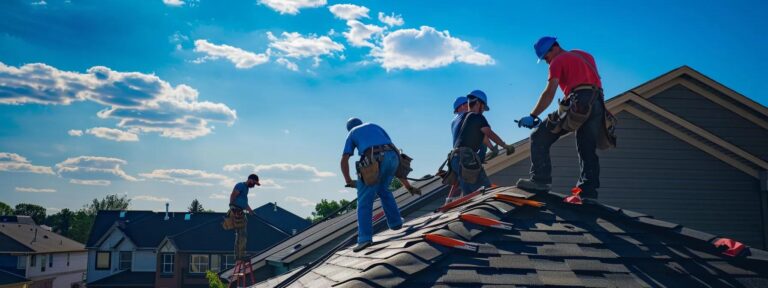
Proactive roofing maintenance can significantly extend a roof’s lifespan and reduce costs. Regular inspections and timely repairs prevent small issues from escalating into major problems, ultimately saving money and ensuring the roof’s longevity.
This supports the article’s emphasis on the advantages of commercial roofing maintenance contracts.
What Is a Commercial Roofing Maintenance Contract?
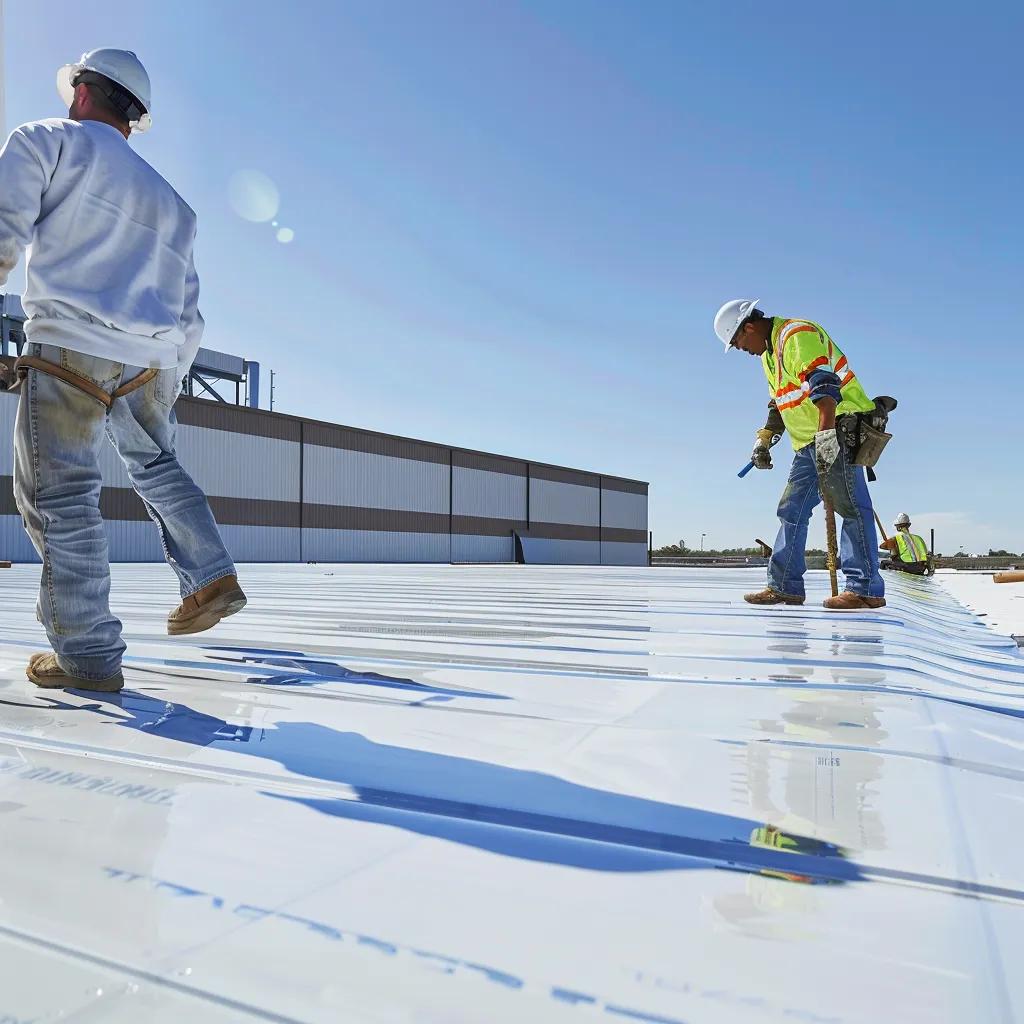
A commercial roofing maintenance contract is a proactive service agreement that schedules inspections, minor repairs, and reporting to extend roof lifespan and prevent costly failures. By committing to regular care, property owners ensure that small issues—like sealant cracks or membrane punctures—are caught early and resolved efficiently.
This approach promotes structural integrity, supports warranty compliance, and enhances building performance through better insulation and leak prevention, laying the groundwork for deeper discussion on benefits and contract types.
How Do Commercial Roofing Maintenance Contracts Work?
Commercial roofing maintenance contracts work by defining a scope of services, establishing inspection schedules, and detailing emergency response provisions. Typical contract elements include:
- Routine roof inspections to identify wear, ponding water, and membrane damage.
- Preventive repairs such as sealant reapplication, fastener tightening, and flashing adjustments.
- Detailed reporting with photo documentation and prioritized repair recommendations.
- Emergency call-out services for leaks or storm damage, with guaranteed response times.
Importance of Regular Roof Inspections
Regular roof inspections are crucial for identifying potential issues early on. These inspections help in detecting wear and tear, water ponding, and other damages, allowing for prompt repairs and preventing costly failures.
This citation reinforces the article’s discussion on the significance of routine inspections in maintaining roof integrity and preventing expensive repairs.
These provisions improve roof asset management, reduce unscheduled downtime, and promote long-term cost savings through early intervention rather than reactive replacements.
Who Benefits from Commercial Roofing Maintenance Contracts?
Property managers, facility directors, and building owners all benefit from a structured maintenance plan that:
- Reduces risk of unexpected roof failures and tenant interruptions.
- Improves budget forecasting by converting reactive repairs into planned expenses.
- Enhances energy efficiency through proactive insulation checks and surface treatments.
For businesses in Wayzata, our Wayzata Roofing Company page details how tailored maintenance plans address local climate challenges. Property managers overseeing multiple sites also gain consistent service and unified reporting, creating a single source of truth for roof condition and performance.
What Are the Key Terms in a Commercial Roof Maintenance Agreement?
Maintenance agreements rely on precise terminology to set expectations and liabilities:
- Service Level Agreement (SLA): Defines response times and completion benchmarks.
- Inspection Protocol: Specifies frequency, scope, and reporting format for roof surveys.
- Preventive Maintenance Schedule: Outlines timing and activities for routine care.
- Emergency Response Clause: Guarantees on-call availability and priority service.
- Liability and Warranty Compliance: Clarifies contractor insurance, indemnification, and warranty preservation terms.
Clear definitions ensure that both parties understand their obligations, promote accountability, and reduce disputes over coverage or service levels.
Why Are Commercial Roof Maintenance Contracts Crucial for Property Managers?
Investing in maintenance contracts directly supports asset longevity, budget stability, and occupant comfort. Strategic care aligns roof condition with warranty requirements and energy-saving goals, reinforcing building resilience and financial performance.
How Do Maintenance Contracts Extend Roof Lifespan and ROI?
Regular inspections and preventive actions extend a roof’s service life by up to 50 percent by addressing minor defects before they accelerate membrane degradation. Scheduled cleaning, sealant renewal, and coating applications preserve surface integrity and slow UV deterioration. This proactive care delivers an average return on investment of 200 percent compared to reactive repairs.
How Do Maintenance Contracts Prevent Costly Repairs?
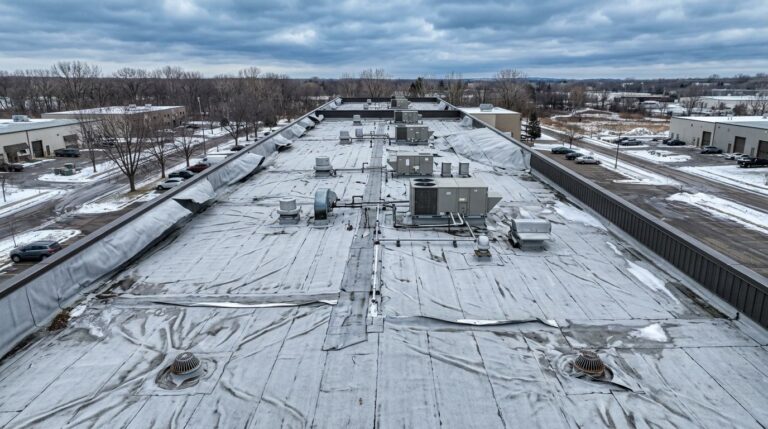
By identifying sealant failures, flashing gaps, and pooling water early, preventive maintenance reduces escalation to structural damage. Minor repairs—such as patching small punctures—are typically 10–20 percent of the cost of full membrane replacement. Early intervention supports continuous operations and avoids emergency roof failures that disrupt building use.
How Do Maintenance Contracts Help Maintain Warranty Validity?
Most commercial roofing warranties require documented inspections and care at defined intervals. Compliance with the manufacturer’s maintenance schedule—detailed in an SLA—ensures that warranty conditions remain in force. Contractors provide stamped reports and photo logs that satisfy warranty auditors and protect owners from denied claims.
How Does Roof Maintenance Improve Energy Efficiency?
Well-maintained roofing systems limit heat gain and loss through intact insulation and reflective coatings. Cleaning debris from drains and surfacing reduces ponding that can insulate heat, while re-coating with high-reflectivity materials enhances solar reflectance. This combination can lower HVAC loads and reduce energy bills by up to 15 percent annually.
What Types of Commercial Roofing Maintenance Contracts Are Available?
Contract options range from basic inspections to full-service agreements, each tailored to different budget and performance goals. Below is a comparison of four common contract types.
Before reviewing the table, note that each type defines scope, frequency, and service deliverables to match the owner’s risk tolerance and financial plan.
Each agreement type balances cost with performance assurance, preparing the way for a detailed look at essential contract components.
What Are the Essential Components of a Commercial Roof Maintenance Contract?
How Often Are Regular Roof Inspections Conducted?
Inspections are typically scheduled:
- Twice annually—spring and fall—to address winter ice and summer heat effects.
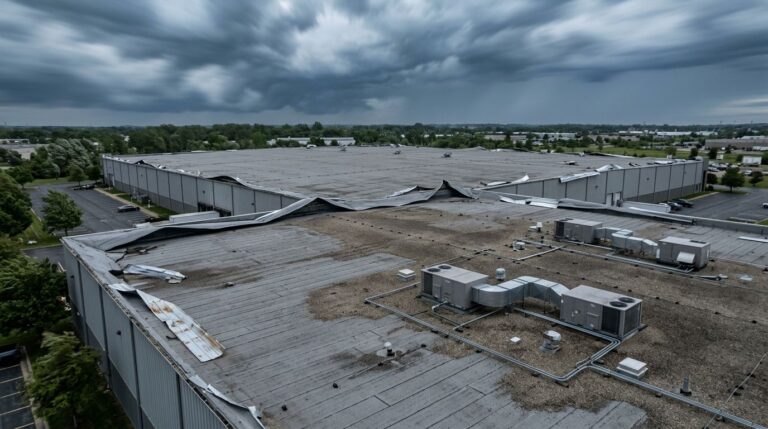
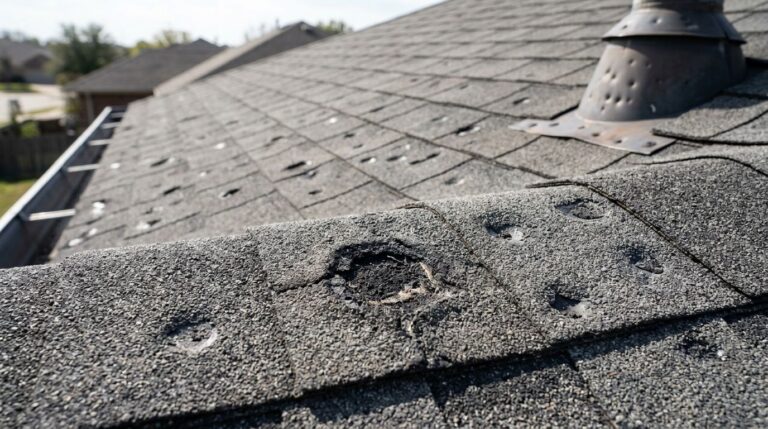
- After severe weather events—storms, hail, high winds—to catch sudden damage.
Regular surveys identify early signs of membrane fatigue, loose flashings, and drain blockages. These checkups feed directly into repair scheduling and budget planning.
What Minor Repairs and Adjustments Are Covered?
Minor corrective services include:
- Sealant and coating reapplication at seams and penetrations.
- Fastener torque checks and washer replacements.
- Flashing realignment and underlayment patching.
These small fixes prevent leaks from evolving into structural deterioration and support warranty compliance by maintaining system integrity.
Why Is Detailed Reporting Important in Maintenance Contracts?
Contractors provide stamped reports with high-resolution photos, condition ratings, and action recommendations. Detailed documentation:
- Validates service delivery against SLA benchmarks.
- Creates an audit trail for warranty and insurance claims.
- Informs long-term asset management decisions based on roof condition trends.
Transparent reporting builds trust, simplifies budgeting, and guides strategic capital planning.
What Emergency Services Are Included in Maintenance Agreements?
Emergency response provisions guarantee:
- On-call availability 24/7 for active leaks or storm damage.
- Rapid dispatch with tarping, temporary sealing, and safety measures.
- Priority scheduling for permanent repair once conditions allow.
These clauses ensure structural protection and occupant safety until permanent solutions are implemented.
How Do You Choose the Right Commercial Roofing Contractor for Maintenance?
Selecting an experienced contractor ensures quality service, reliable communication, and peace of mind.
Why Is Experience and Expertise Critical in Roofing Maintenance?
Years of focused commercial roofing work translate into keen diagnostics, efficient repairs, and best-practice protocols. A contractor familiar with TPO, EPDM, metal, and built-up systems understands each material’s vulnerabilities and maintenance nuances, reducing guesswork and improving outcome predictability.
What Certifications and Insurance Should Contractors Have?
- Manufacturer certification for specific membrane systems.
- Liability insurance of at least $2 million and workers’ compensation.
- Licensed business credentials in your jurisdiction.
These credentials protect you from liability, ensure technical proficiency, and preserve warranty coverage through approved installer status.
How Does Transparent Reporting and Communication Benefit You?
Clear processes for scheduling, inspection results, and repair authorization keep stakeholders informed and reduce surprises. A contractor that provides centralized digital dashboards or scheduled review calls promotes collaboration, speeds decision-making, and strengthens trust over multiple contract cycles.
How Much Do Commercial Roofing Maintenance Contracts Cost?
Contract pricing reflects frequency, roof size, system type, and service scope. Understanding cost drivers helps you align budget with performance goals.
What Factors Influence the Cost of Maintenance Contracts?
- Roof square footage and access difficulty.
- Roof system type (EPDM, TPO, metal, built-up, modified bitumen).
- Inspection frequency and preventive repair inclusion.
- Local labor rates and material costs.
- Emergency response requirements and SLA stringency.
How Does Preventive Maintenance Save Money Long-Term?
Proactive care stops minor issues from escalating, delivering average cost avoidance of 30–50 percent compared to reactive repairs. By extending roof life, owners delay costly full-membrane replacements and reduce lifecycle expenses.
What Are Typical Pricing Models for Commercial Roof Maintenance?
- Annual flat-fee contracts billed once per year.
- Multi-year agreements with graduated pricing and inflation clauses.
- Customized plans with per-visit or per-hour rates for add-on services.
Flexible pricing aligns with capital planning, smoothing out expenses over the roof’s service life.
How Is Preventive Maintenance Applied to Different Commercial Roof Types?
Each roofing material demands a tailored maintenance regimen to address its unique aging patterns and vulnerabilities.
What Maintenance Does EPDM Roofing Require?
- Seam adhesion checks for edge curl and seam separation.
- Ponding water removal to prevent membrane stress.
- Coating renewal every 5–7 years to protect from UV and ozone.
These tasks preserve EPDM’s flexibility and leak resistance, ensuring membrane performance.
How Is TPO Roofing Maintained Effectively?
- Weld integrity inspections at seams to detect bond failures.
- Surface cleaning to remove debris and algae that compromise reflectivity.
- Flashing and penetration seal checks to prevent water intrusion.
Regular attention to welded joints and surface finish supports TPO’s energy-saving advantages.
What Are the Maintenance Needs for Metal and Built-Up Roofs?
- Fastener torque inspections and panel alignment reviews.
- Gravel and coating replenishment for built-up roofs to maintain watertightness.
- Rust abatement and touch-up painting for metal surfaces.
These steps protect metal systems from corrosion and maintain multi-layer waterproofing integrity.
How Do Maintenance Contracts Address Modified Bitumen Roofs?
- Torch-applied seam inspections and patch repairs.
- Surface coating or granule replacement to shield from UV damage.
- Flashing reinforcement at rooftop equipment penetrations.
By focusing on snorkel seams and surfacing, contracts preserve MB membranes’ elasticity and leak resistance.
What Are the Most Frequently Asked Questions About Commercial Roofing Maintenance Contracts?
Property managers commonly wonder about definitions, benefits, inspection frequency, inclusions, and cost. Owners seek clarity on how a maintenance plan works, what it covers, and why it matters: extending roof life, preventing leaks, protecting warranties, and optimizing budgets. Decisions hinge on understanding that a well-structured contract turns reactive emergencies into planned, manageable tasks.
How Can Commercial Roofing Maintenance Contracts Protect Your Investment?
Maintenance contracts form the backbone of effective roof asset management, ensuring consistent condition assessment and repair tracking. By preserving warranty compliance, these agreements safeguard manufacturer coverage and prevent denied claims. Contractors deploy preventive methods—such as sealant renewal and coating applications—that slow material aging and preserve energy-saving properties. Pooling services, reporting, and performance metrics in one plan transforms roof care from a reactive expense into a strategic investment.
How Do Maintenance Contracts Contribute to Roof Asset Management?
Contracts standardize data collection on roof condition, feeding into digital asset management platforms and helping owners schedule capital projects based on real trends rather than guesses. This data-driven approach supports long-term budgeting and facility planning.
What Role Do Maintenance Contracts Play in Warranty Preservation?
By fulfilling manufacturer-required maintenance intervals, documented inspections and repairs lock in warranty protections, reducing claim denials and preserving roof replacement options under original terms.
How Can You Get Started with Roofing Experts St. Paul?
Reach out for a complimentary consultation on your roof’s condition and a tailored maintenance proposal. Our certified technicians will evaluate your roof system, discuss goals, and draft a customized contract aligned with your budget and performance needs.
Regular, proactive maintenance empowers property and facility managers to control costs, enhance building performance, and extend roof life. A well-crafted maintenance contract transforms roofing from a liability into a strategic asset, ensuring that every dollar spent contributes to sustained value. Partner with an experienced contractor to implement preventive protocols, maintain warranty compliance, and secure long-term peace of mind.
Need a roof inspection in Saint Paul or the Twin Cities? Call Sellers Roofing Company at +1-651-703-2336 or schedule a free estimate. We are a black-owned, NMSDC-certified MBE roofing contractor with 9+ years experience.