Last updated: 2026-10-23 by Ted Sellers, Owner
Cost of Roof Repair After Severe Weather Explained: Complete Guide to Storm Damage Repair and Insurance Claims
Severe weather can leave a costly mark on your roof, with repair expenses ranging from a few hundred to tens of thousands of dollars. In this guide, I’ll break down the cost of roof repair after severe weather, explaining how different storm damage types, material choices, labor rates, and location factors shape your final bill. You’ll learn what drives costs, how insurance claims work, when repair makes sense versus replacement, how to pick a qualified contractor, steps to minimize future expenses, and the latest industry trends. Whether you’re in St. Paul or Wayzata, MN, this resource equips you to navigate storm restoration with confidence and clarity.
What Types of Storm Damage Affect Roof Repair Costs?
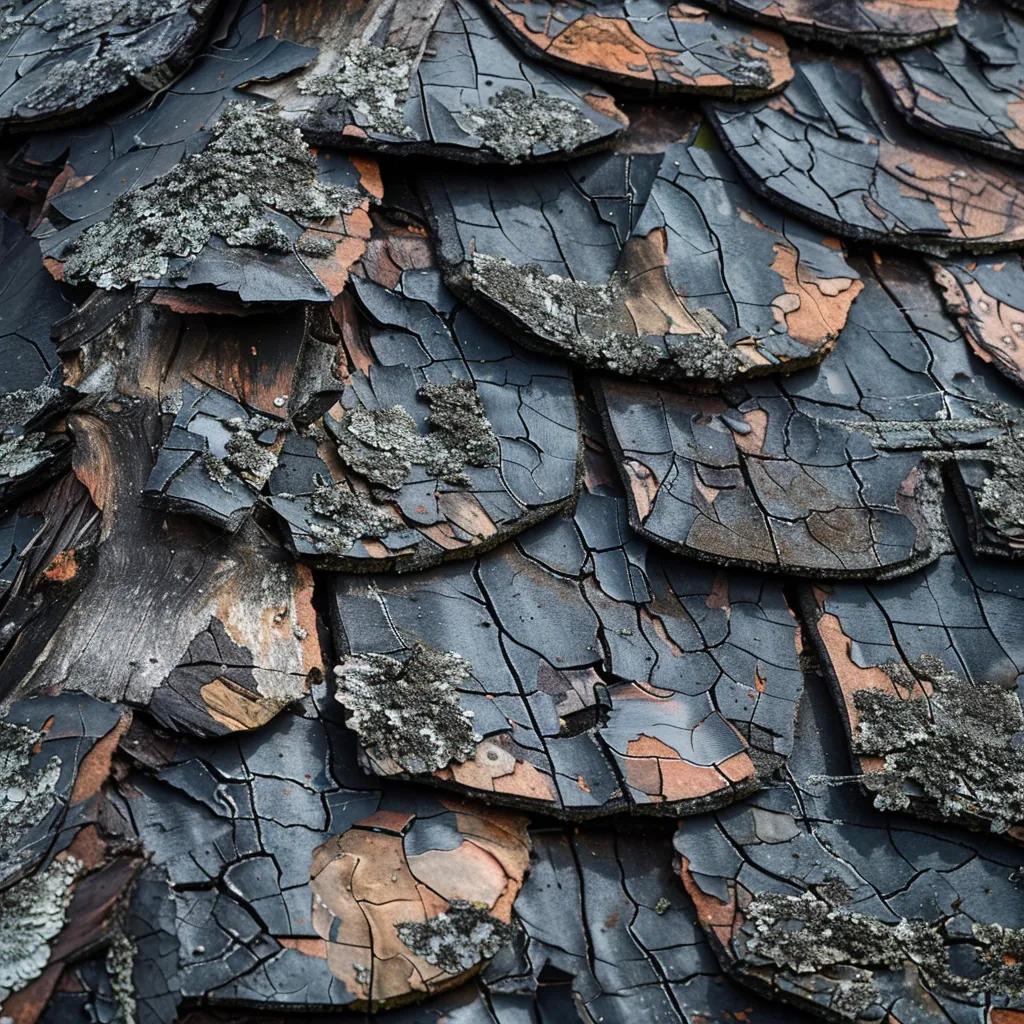
Storm damage can manifest in four main forms—hail, wind, water intrusion, and tree impact—each altering repair scope and price.
How Does Hail Damage Impact Roof Repair Costs?
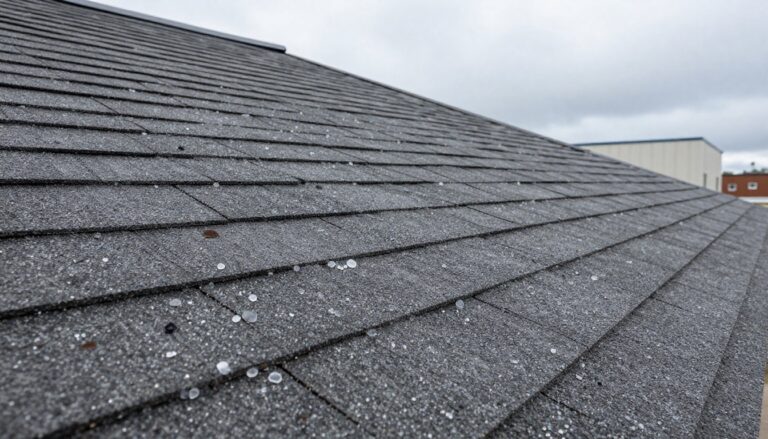
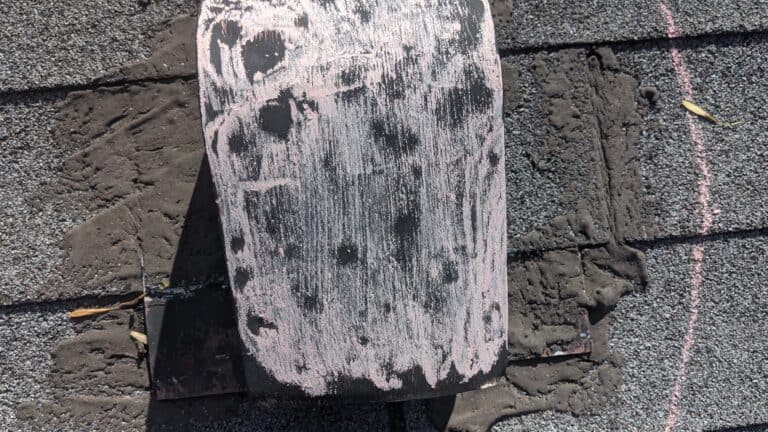
Hail damage occurs when frozen pellets strike shingles with enough force to cause indentations, granule loss, or punctures. This damage weakens shingles and exposes underlayment, increasing repair complexity and cost.
Before replacing material, I inspect dents, granule depletion, and hairline cracks. Major factors include:
- Hail size and density affecting shingle integrity
- Roof pitch and orientation changing impact velocity
- Material type (asphalt shingle vs. metal) altering repair method
Summary
Assessing hail damage thoroughly prevents hidden leaks and rising costs, leading us to examine wind damage factors next.
What Are the Costs Associated with Wind Damage Roof Repairs?
Windstorms tear off shingles, lift flashing, and loosen ridge caps. The repair cost depends on tear size, roof pitch, and underlayment condition.
Key drivers include:
- Severity of uplift or shingle blow-off
- Need for re-sealing or resecuring flashing around vents
- Replacement of ridge vents and chimney flashing
Summary
Understanding wind uplift effects on roofing components sets the stage for evaluating water intrusion costs.
How Does Water Damage from Storms Influence Roof Repair Pricing?
Water infiltration happens when damaged shingles or flashing allow rain to penetrate into decking and attic. Repair estimates rise as moisture leads to rot, mold remediation, and interior repairs.
I look for:
- Leak location and roof deck replacement needs
- Underlayment integrity and secondary water barriers
- Additional framing or drywall fixes
Summary
Water’s ability to compromise structural elements highlights the importance of addressing tree damage costs next.
What Is the Cost Impact of Tree Damage on Roof Repairs?
Falling branches or entire trees can puncture decking, break shingles, and damage gutters. Tree removal and debris cleanup add to repair totals.
Factors include:
- Extent of punctured or torn decking requiring partial deck replacement
- Gutter realignment or replacement needs
- Emergency tarping and debris disposal fees
Summary
Recognizing how different storm threats drive repair expenses leads into the primary cost-influencing factors.
What Key Factors Influence the Cost of Roof Repair After Severe Weather?
Repair costs vary widely depending on material, roof geometry, labor rates, and unforeseen expenses. Defining each factor helps forecast your budget.
How Do Roofing Materials Affect Storm Damage Repair Costs?
Roofing materials differ in upfront price, repair complexity, and durability under stress. Here’s how top materials compare:
Asphalt shingles remain the most economical, while slate and tile require specialized labor that raises local rates. Metal roofs resist hail better but cost more to repair dents and seal seams.
Summary
Material choice directly dictates unit pricing and repair technique, making roof size and pitch the next cost driver.
How Does Roof Size and Pitch Change Repair Expenses?
Roof area and slope determine material quantity and labor intensity. Steeper pitches need harnesses and safety equipment, and larger footprints double material and waste disposal costs.
- A 1,500 sq ft, 4/12 pitch roof costs 20% less to repair than a 2,000 sq ft, 9/12 pitch roof.
- Each 1/12 pitch increase can add 5% to labor time and safety fees.
Summary
Quantifying the influence of roof geometry on labor and material needs leads us to consider local market rates.
What Role Do Labor Costs and Local Market Rates Play in Pricing?
Labor rates in St. Paul and Wayzata, MN, reflect local wage standards, licensing requirements, and demand. Skilled storm-damage technicians command higher hourly fees.
- St. Paul average storm repair labor: $75 – $90 per hour
- Wayzata average storm repair labor: $80 – $95 per hour
Summary
Local labor benchmarks inform the total, but homeowners must also budget for additional expenses beyond repair labor.
What Additional Costs Should Homeowners Expect After Storm Damage?
Beyond materials and labor, expect:
- Permit fees for structural repairs or decking replacement.
- Debris removal and dumpster rental to clear storm debris.
- Interior damage repairs to ceilings or insulation if leaks occur.
Each item can add $500 – $2,500 to the final invoice, making transparency in estimates crucial.
Summary
Clarifying hidden fees completes our overview of cost drivers and prepares us to compare national averages with local Minnesota pricing.
What Is the Average Cost of Roof Repair After Severe Weather in St. Paul and Wayzata, MN?
Local weather patterns and contractor availability affect how St. Paul and Wayzata prices compare to national numbers.
How Do National Roof Repair Cost Averages Compare to Local Minnesota Prices?
Nationally, homeowners spend $3,000 – $7,000 on moderate storm roof repairs. In St. Paul and Wayzata, MN, costs run 10%–20% higher due to harsher weather exposure and winter roof prep requirements.
Summary
Understanding this premium informs typical price ranges by damage severity in our region.
What Are Typical Cost Ranges for Different Storm Damage Severities?
Roofs older than 15 years can require near-replacement even for moderate damage, raising costs further.
Summary
Damage severity categorization helps set realistic repair budgets and transitions into how material choice shifts local pricing.
How Do Roofing Materials Influence Local Repair Costs?
Material-specific trends in Minnesota:
- Asphalt shingle repairs: $4.00 – $6.25 per sq ft
- Metal dent repairs and panel replacement: $8.50 – $13.50 per sq ft
- Tile shingle re-setting: $11.00 – $20.00 per sq ft
Local labor familiarity with asphalt makes those repairs faster and slightly cheaper compared to specialty materials.
Summary
Quantifying local material costs positions homeowners to navigate insurance claims effectively.
How Can Homeowners Navigate Roof Insurance Claims After Storm Damage?

Filing a successful insurance claim involves understanding your policy, documenting damage, and negotiating with adjusters.
What Should You Know About Your Home Insurance Policy and Deductibles?
Your homeowner’s policy typically covers storm-related roof damage minus a deductible. Common deductible structures:
- Flat dollar amount (e.g., $1,000 per claim)
- Percentage of dwelling coverage (1%–2% of insured value)
Knowing your deductible type helps estimate out-of-pocket exposure before filing.
Summary
Managing deductibles informs each step of the claim process, which we’ll detail next.
What Are the Step-by-Step Procedures for Filing a Roof Damage Claim?
Below is a precise procedure to file a storm damage claim:
- Document all visible damage with date-stamped photos.
- Contact your insurer’s claims department and provide policy number.
- Schedule an independent roof inspection and secure a written estimate.
- Submit photos, inspection report, and repair estimate to your adjuster.
- Review the insurer’s damage assessment and negotiate adjustments if needed.
- Approve the final scope of work and request payment disbursement.
Summary
Following this structured approach streamlines approval and pivots us to strategies for working with adjusters.
How Do You Work Effectively with Insurance Adjusters?
Establishing clear communication prevents under-payment:
- Share detailed roof inspection reports outlining damage severity.
- Accompany the adjuster on site to point out less obvious defects.
- Provide manufacturer warranties or product data sheets when material quality is disputed.
Summary
Effective collaboration with adjusters reduces denials and sets up a smoother appeals process.
What Are Common Reasons for Claim Denials and How Can You Appeal?
Claims often get denied due to:
- Missing documentation or photos
- Pre-existing wear and tear excluded by policy
- Underestimated damage scope
If denied, homeowners can:
- Submit additional evidence (photos, contractor reports).
- Request a secondary inspection by a public adjuster.
- File a formal appeal with supporting documentation.
Summary
Addressing denial pitfalls readies homeowners for the repair vs. replacement decision ahead.
When Should You Repair vs. Replace Your Roof After Severe Weather?
Deciding between repair and replacement hinges on damage extent, roof age, and cost-benefit analysis.
What Criteria Determine Whether to Repair or Replace a Storm-Damaged Roof?
Key criteria include:
- Total damaged square footage exceeding 30% of roof area
- Underlayment and decking requiring widespread replacement
- Multiple leaks signaling systemic failure
When repair costs approach 50% of replacement quotes, a full replacement often makes financial sense.
Summary
Cost thresholds combined with roof condition guide the next consideration of roof age and sustainability.
How Do Roof Age and Condition Affect Repair or Replacement Decisions?
Roofs older than 15 years have diminished lifespan and are more susceptible to future damage. Replacing an aged roof delivers better return on investment and insurance coverage benefits compared to repeated repairs.
Summary
Understanding lifespan metrics equips homeowners for choosing a reliable contractor for storm damage restoration.
How Do You Choose a Qualified Roofing Contractor for Storm Damage Repairs?
Selecting an experienced, licensed roofing professional ensures quality work and smooth insurance coordination.
What Are the Essential Qualifications and Licensing to Look For?
A qualified storm damage roofer should have:
- State roofing contractor license
- General liability and worker’s compensation insurance
- Manufacturer certifications for shingle or material installation
Summary
Verifying credentials leads to the right questions to vet a contractor’s expertise.
What Questions Should You Ask a Storm Damage Roofing Contractor?
Before hiring, I recommend asking:
- “How many storm damage repairs have you completed locally?”
- “Can you provide references from recent hail or wind repair jobs?”
- “Do you handle insurance communication and claims documentation?”
- “What warranty do you offer on materials and labor?”
Summary
Clear vetting criteria underscore why local experience matters most in Minnesota’s climate.
Why Is Local Experience Important for Minnesota Storm Damage Repairs?
Local contractors understand common Minnesota weather challenges—ice dams, heavy snow loads, rapid freeze-thaw cycles—and know which materials and installation techniques withstand our storms.
Summary
Partnering with local experts ensures repairs meet both performance and insurance expectations, bringing us to proactive measures to limit future costs.
What Preventative Measures Can Reduce Future Roof Repair Costs After Severe Weather?
Proactive steps reduce vulnerability and long-term repair spending.
Which Impact-Resistant Roofing Materials Offer Better Storm Protection?
Impact-resistant asphalt shingles, Class 4-rated metal panels, and polymer-modified tiles resist hail damage and lower insurance premiums. Choosing these options can decrease repair frequency and insurance outlays.
Summary
Material upgrades complement regular maintenance in saving homeowners money over a roof’s lifetime.
How Can Regular Roof Inspections and Maintenance Save Money Long-Term?
Biannual inspections identify loose shingles, failing sealants, and minor leaks before they escalate. Scheduled maintenance extends roof life by 20%–30% and prevents emergency repair premiums.
Summary
Routine upkeep prepares your roof for severe weather and transitions into immediate storm-prep actions.
How Should You Prepare Your Roof for Upcoming Severe Weather?
Before a storm, I recommend:
- Trimming overhanging branches to prevent impact damage
- Securing loose flashing and replacing worn sealants
- Clearing gutters and downspouts to ensure proper drainage
Summary
Storm-proofing steps protect your roof now and minimize repair costs after the next severe weather event.
What Are the Latest Trends and Statistics on Storm Damage Roof Repair Costs?
An understanding of industry trends and data helps anticipate future pricing and insurance dynamics.
How Have Roof Repair Costs Changed in Recent Years?
Nationwide roof repair and replacement spending hit $31 billion in 2024, a 30% increase since 2022. Inflation in material costs and labor shortages drive these upward trends.
National Roof Repair Spending Trends
The roofing industry saw a significant increase in spending in recent years, with national roof repair and replacement costs reaching $31 billion in 2024, a 30% increase since 2022. This rise is primarily attributed to inflation in material costs and labor shortages, impacting the overall expenses for homeowners.
This trend highlights the importance of understanding current market conditions when assessing potential roof repair costs.
Summary
Rising costs highlight the importance of cost forecasting and insurance readiness, which leads into the impact of hail and wind claims.
What Role Do Hail and Wind Damage Play in Insurance Claims and Repair Costs?
Hail and wind account for over 50% of residential roof claims annually. Insurers faced a $1 billion increase in hail-related payouts from 2021 to 2022, prompting stricter deductible policies and increased homeowner responsibility.
Impact of Hail and Wind on Insurance Claims
Hail and wind damage are major contributors to residential roof claims, accounting for over half of all claims annually. Insurers experienced a substantial increase in hail-related payouts, which has led to stricter deductible policies and increased financial responsibility for homeowners.
This information underscores the importance of understanding insurance policies and the potential impact of severe weather events on claims.
Summary
Frequent severe weather events have accelerated insurer adoption of advanced technologies for faster, more accurate assessments.
How Are New Technologies Like Drones and AI Changing Damage Assessments?
Drones equipped with high-resolution cameras and AI-driven imagery analysis enable faster, safer roof inspections. These innovations reduce inspection times by 40% and improve accuracy in damage quantification.
Technological Advancements in Damage Assessment
New technologies, such as drones and AI, are transforming the way roof damage is assessed. These tools enable faster and more accurate inspections, reducing inspection times by up to 40% and improving the precision of damage quantification. This leads to more efficient claims processes and quicker recovery after storms.
This demonstrates how technology is changing the efficiency and accuracy of the roof repair process.
Summary
Technological advances streamline claims and repair planning, positioning homeowners for quicker recovery after storms.
Roof storm damage repair costs vary widely based on damage type, material, location, and severity. By understanding these factors, navigating insurance claims, choosing the right contractor, and adopting preventative measures, you can manage expenses effectively and protect your home value. For homeowners in Wayzata seeking expert storm damage restoration, explore our local services at Wayzata Roofing Experts – Storm Damage Repair and Replacement to schedule a detailed inspection and free estimate.
I’m committed to guiding you through every step—from assessing hail dents to negotiating with insurers—so you can restore and fortify your roof with confidence.
Need a roof inspection in Saint Paul or the Twin Cities? Call Sellers Roofing Company at +1-651-703-2336 or schedule a free estimate. We are a black-owned, NMSDC-certified MBE roofing contractor with 9+ years experience.