Last updated: 2026-05-26 by Ted Sellers, Owner
DIY Preventive Roof Maintenance Secrets Revealed: Essential Techniques for Homeowners to Protect and Extend Roof Life
Preventing costly roof repairs begins with mastering proven DIY preventive roof maintenance techniques that extend your roof’s lifespan by addressing minor issues before they escalate. In this guide, we explain why regular inspections, gutter care, shingle repairs, moss removal, seasonal checklists, essential tools, common pitfalls, and cost-saving benefits matter—plus when to call in professional support from Roofing Experts St. Paul. You’ll find clear first-step answers under each heading, step-by-step lists, EAV tables, and practical summaries to empower you through every maintenance task.
How Do You Perform a Thorough DIY Roof Inspection?
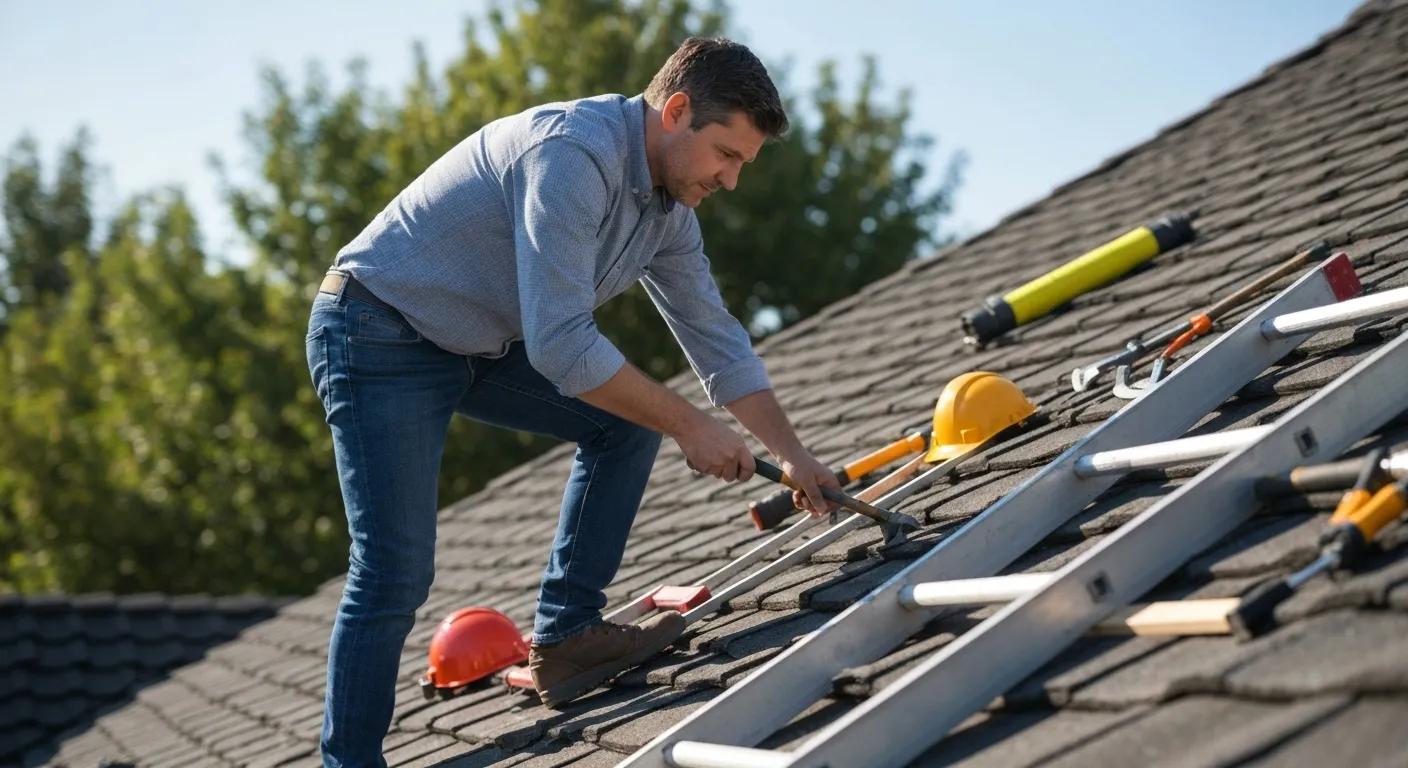
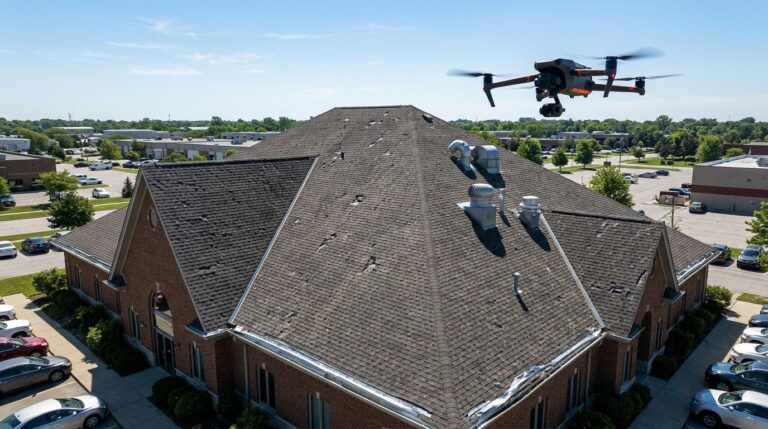
A thorough DIY roof inspection defines potential problems by examining visible components, preventing hidden leaks and structural damage while boosting long-term durability. This methodical review saves money by catching issues early and ties directly to preventive roof maintenance secrets revealed in our guide.
The Importance of Regular Roof Inspections
Regular roof inspections are crucial for identifying potential issues early on, preventing costly repairs, and extending the lifespan of your roof. These inspections should cover all major components, including shingles, flashing, gutters, and the attic space, to detect any signs of damage or wear.
This supports the article’s emphasis on the importance of thorough DIY roof inspections as a key element of preventive maintenance.
What Are the Key Steps in an Exterior Roof Inspection Checklist?
Begin by evaluating each major roof component for wear, damage, and alignment. Follow this ordered list to ensure nothing is overlooked:
- Secure a stable ladder on level ground to access roof edges safely.
- Scan shingles for broken, curling, or missing pieces.
- Check flashing around chimneys, vents, and skylights for rust or separation.
- Inspect gutters and downspouts for sagging, cracks, or blockages.
- Observe roof valleys and ridges for debris buildup or water pooling.
By completing these steps, you establish a baseline for roof health and prepare to identify common damage types in greater detail.
How Can You Identify Common Roof Damage on Shingles, Flashing, and Gutters?
Use this EAV table to match each component with its typical damage attribute and inspection indicator:
Tracking these indicators during each walk-around inspection ensures you can target repairs precisely and avoid water infiltration under roofing materials.
How Do You Inspect the Attic for Leaks and Ventilation Issues?
Inspecting the attic reveals interior signs of roof failure before ceiling damage appears. Look for dark stains on rafters, mold patches, or musty odors that indicate moisture intrusion. Verify that vents are clear of insulation and debris so that attic airflow prevents heat and moisture buildup, which can warp roof decking.
When Should You Call a Professional After a DIY Roof Inspection?
If you encounter major cracks in flashing, widespread shingle deterioration, active leaks dripping into the attic, or unstable walking surfaces, it’s safer to engage certified technicians. For expert roof repair or replacement, reach out to Wayzata roofing experts for a comprehensive evaluation and lasting solutions.
What Are the Best DIY Techniques for Gutter and Downspout Maintenance?
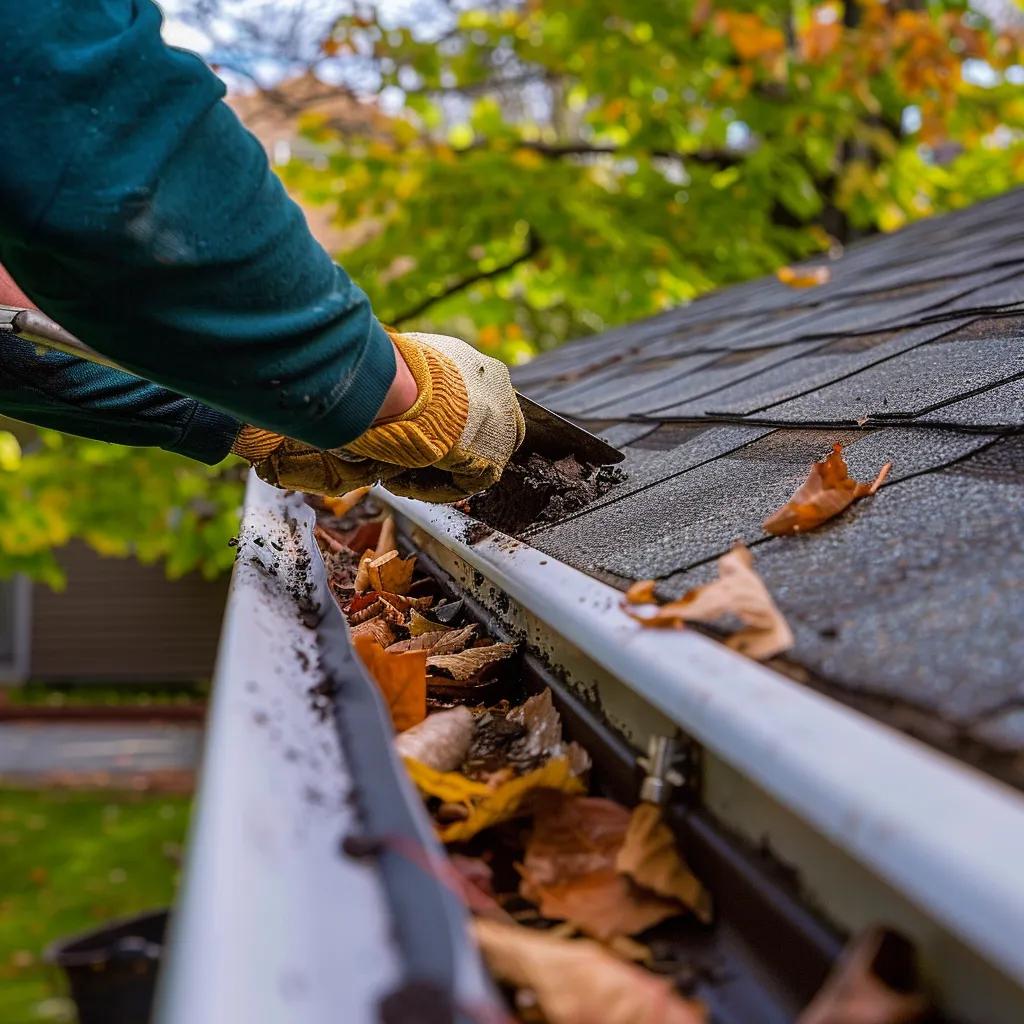
Keeping gutters clear and functional prevents roof-edge damage and foundation issues by channeling runoff safely away from your home’s envelope.
Benefits of Gutter Maintenance
Maintaining clean and functional gutters is essential for preventing roof-edge damage and foundation problems. Clogged gutters can lead to water overflow, causing rot along the fascia and potentially damaging the home’s foundation. Regular cleaning and maintenance of gutters are vital for directing water away from the house.
U.S. Department of Energy
This citation reinforces the article’s advice on gutter maintenance and its role in protecting the home from water damage.
How Do You Clean Gutters Safely and Effectively?
Start with protective gloves and eye protection, then:
- Place a sturdy ladder on level ground just below the roof line.
- Remove leaves and debris by hand, placing them in a bucket.
- Flush gutters with a hose to confirm free water flow through downspouts.
Cleaning gutters regularly prevents water from backing under roof edges and causing rot along the fascia.
How Can You Prevent Gutter Clogs and Water Overflow?
Install gutter guards or screens to block large debris while maintaining rain capture. Trim overhanging branches to reduce leaves landing in channels. Securing splash blocks at downspout exits also disperses water, minimizing overflow near foundations.
What Are the Basics of Gutter Repair for Homeowners?
Minor repairs include resealing seams with waterproof silicone, tightening loose brackets, and replacing damaged downspout sections. Applying rust-inhibiting primer and paint extends the life of metal gutters by preventing corrosion.
How Do You Repair and Maintain Asphalt Shingles Yourself?
Asphalt shingle repair stops small issues from turning into leaks and preserves curb appeal through simple, targeted fixes.
What Are the Steps to Fix Curled or Cracked Shingles?
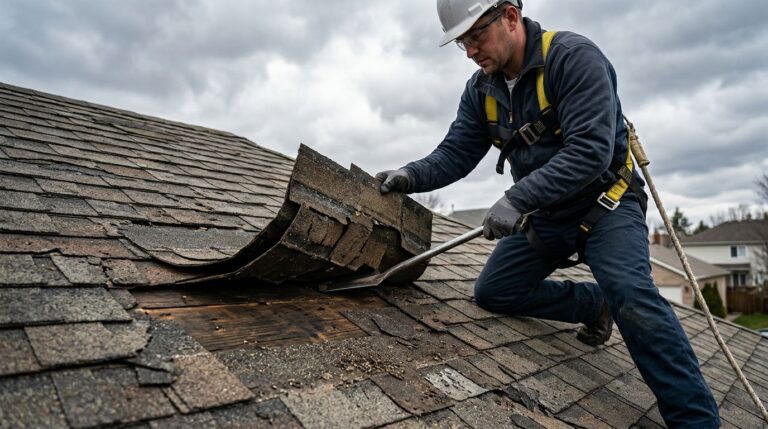
- Gently lift the curled shingle tab with a putty knife.
- Apply roofing cement beneath the tab and press it flat.
- Nail down loose edges using corrosion-resistant roofing nails.
This approach restores sealant integrity and prevents wind uplift when performed promptly.
How Do You Replace Missing Asphalt Shingles Safely?
- Pry up the exposed shingle above the gap to access nails.
- Remove old nails and slide a matching shingle into place.
- Secure with nails beneath the weather flap and seal with roofing cement.
Replacing individual shingles early maintains a continuous barrier against moisture.
What Is Granule Loss and How Does It Affect Shingle Health?
Granule loss occurs as the weather-resistant minerals wear away, exposing asphalt to UV damage and accelerating aging. Identifying bald spots on shingles signals the need for repair or proactive patching to preserve roof life and color consistency.
How Can You Remove and Prevent Moss, Algae, and Roof Debris?
Moss and algae retention traps moisture on the roof surface, promoting rot and shortening shingle lifespan. Effective removal restores drainage and reduces biological growth risks.
What Are Safe and Effective DIY Moss and Algae Removal Methods?
Apply a 50/50 mix of water and household bleach using a pump sprayer. Let the solution dwell for 15 minutes, scrub gently with a soft-bristle brush, then rinse thoroughly. Repeat in shaded areas if growth persists.
How Do Zinc and Copper Strips Help Prevent Moss Regrowth?
Installing metal strips near the ridge releases trace ions during rainfall that inhibit moss spores. This passive method reduces future cleaning frequency by maintaining a hostile surface for algae and lichen.
Why Is Tree Trimming Important for Roof Protection?
Limbs overhanging the roof drop leaves and shade the surface, fostering moss growth and abrasive debris. Pruning back branches improves sunlight exposure and airflow, limiting organic buildup and potential damage from falling limbs.
What Are the Seasonal Roof Maintenance Tasks for Year-Round Protection?
A seasonal map ensures timely upkeep aligned with climate demands, maximizing preventive benefits:
What Should You Do for Spring Roof Preparation?
After winter melt, clear all debris from valleys and gutters, inspect for ice dam damage, and reseal any cracked flashing to guard against spring rains.
How Do You Care for Your Roof During Summer?
Check for blistering or asphalt softening under high temperatures. Apply ultraviolet-resistant sealant at exposed nail heads and ensure attic vents prevent heat buildup that can warp decking.
What Are the Fall Roof Winterization Steps?
Secure loose shingles, reinforce roof-edge sealant, and clear gutters of fallen leaves. Apply roof-safe caulking around vents and chimneys to prevent ice dam formation.
How Do You Manage Winter Roof Challenges Like Ice Dams and Snow Removal?
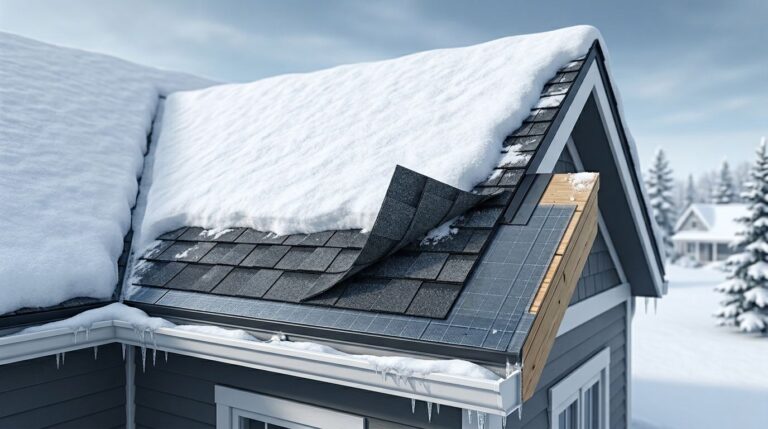
Use a roof rake with a long handle to pull excess snow off safely from the ground. Install heated cables at edges if ice dams recur, and never chip ice directly on shingles to avoid surface gouges.
What Essential Tools and Safety Practices Should Homeowners Use for DIY Roof Maintenance?
Equipping yourself properly and following safety protocols makes every task more efficient and reduces accident risks.
What Are the Must-Have Tools for Effective Roof Maintenance?
- Ladder with stabilizing feet for secure access
- Utility knife for cutting shingles or underlayment
- Roofing hammer and corrosion-resistant nails for repairs
- Putty knife and flashing sealant for weatherproofing
- Pump sprayer for moss-removal solutions
With these tools on hand, you’re prepared to tackle common maintenance tasks safely and effectively.
What Roof Safety Best Practices and Gear Should You Follow?
Always wear non-slip footwear, a safety harness anchored above the work area, and eye protection. Work with a spotter on the ground and avoid roof work during wet, icy, or windy conditions.
How Do You Know When It’s Safer to Call a Professional Roofer?
If tasks require balancing on steep slopes, heavy lifting of large panels, or working near power lines, enlist licensed experts to prevent injury and guarantee proper installation—areas where Roofing Experts St. Paul excels.
What Common DIY Roof Maintenance Mistakes Should You Avoid?
Avoiding typical errors preserves your roof’s integrity and prevents small jobs from becoming big repairs.
How Can You Prevent Damage from Improper Inspection or Repairs?
Using excessive force when lifting shingles can crack roofing material. Instead, gently pry tabs with a putty knife and apply even sealant coverage. Proper technique maintains shingle structure over time.
Why Is Ignoring Safety Protocols Dangerous?
Working without a harness or stable ladder increases fall risk. Prioritizing secure anchorage and fall protection is essential to protect both your health and your roof’s surface.
How Does Neglecting Seasonal Maintenance Lead to Costly Repairs?
Skipping spring gutter cleaning or fall flashing checks allows water intrusion and wood rot. Addressing these tasks seasonally averts structural decay and expensive mid-winter emergency fixes.
How Does Preventive Roof Maintenance Save Money and Extend Roof Lifespan?
Regular upkeep stops deterioration, reducing replacement frequency and protecting home value by maintaining a sound roof envelope.
What Are the Cost Savings of Early Damage Detection and Repair?
Repairing a single cracked shingle costs under $50, whereas extensive leak damage can exceed $2,000. Early fixes minimize labor and material costs before leaks spread.
How Does Proper Maintenance Protect Home Value and Energy Efficiency?
A well-maintained roof ensures effective insulation and ventilation, lowering heating and cooling bills by up to 15%. It also preserves curb appeal for resale, signaling a well-cared-for property.
What Industry Statistics Support Regular Roof Maintenance?
Homeowners who invest in bi-annual inspections see up to 30% savings on repair costs over a roof’s lifespan, and energy consumption reductions of 10–20% thanks to proper attic ventilation.
What Are the Most Frequently Asked Questions About DIY Roof Maintenance?
Homeowners often seek clarity on timing, tools, leak detection, and moss removal—addressed here under each question header without a traditional FAQ format.
How Often Should You Maintain Your Roof?
Bi-annual checks—once in spring and once in fall—catch seasonal damage early and keep your roof ready for summer heat and winter storms.
What Tools Are Needed for Basic Roof Maintenance?
Essentials include a stable ladder, utility knife, roofing hammer, putty knife, sealant, and pump sprayer. Having these handy streamlines inspections, cleaning, and minor repairs.
How Do You Identify and Fix Roof Leaks?
Look for water stains on ceilings and dark attic spots. Trace leaks back to damaged shingles or failing flashing. Reseal cracks with roofing cement or replace compromised shingles promptly.
When Is Professional Roof Repair Necessary?
Complex leak patterns, large-area shingle failure, and structural sagging require certified contractors to maintain safety and code compliance—services we provide at Roofing Experts St. Paul.
How Do You Remove Moss Without Damaging the Roof?
Use a mild bleach solution applied with a pump sprayer and gentle brushing toward the downspout. Rinse thoroughly to avoid concentrated runoff that can undercut shingles.
A proactive maintenance regimen protects your investment and prevents minor faults from undermining roof integrity. By following these DIY preventive roof maintenance techniques and knowing when to partner with professional roofers, you’ll enjoy a durable, leak-free roof for years to come.
Need a roof inspection in Saint Paul or the Twin Cities? Call Sellers Roofing Company at +1-651-703-2336 or schedule a free estimate. We are a black-owned, NMSDC-certified MBE roofing contractor with 9+ years experience.