Last updated: 2026-09-03 by Ted Sellers, Owner
A business should contain the water, protect people and equipment, document the condition, and arrange a professional inspection as soon as access is safe. Don’t chip at ice, walk on a slick membrane, or make broad permanent repairs before the source and moisture spread are documented.
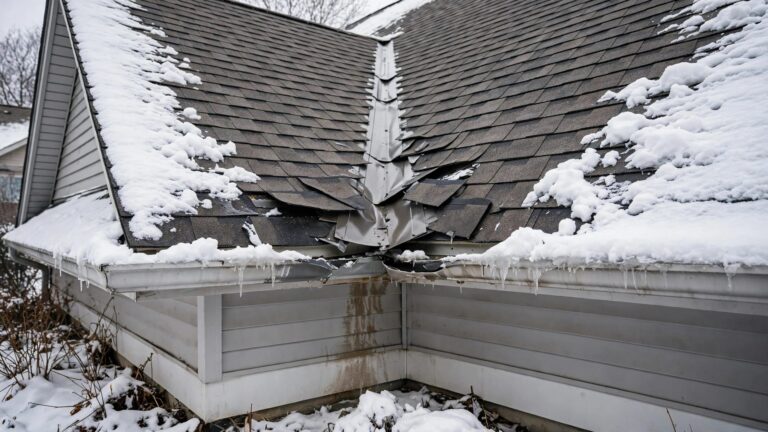
A frozen roof leak can look inactive by morning while water remains trapped below the roof surface. The leak may reopen during the next thaw, often larger than before.
For St. Paul property owners, the priority is stopping additional loss without turning a small opening into a safety problem or an unclear insurance file.
When This Applies: A Frozen Roof Leak at Work
Low-slope roofs need a different response
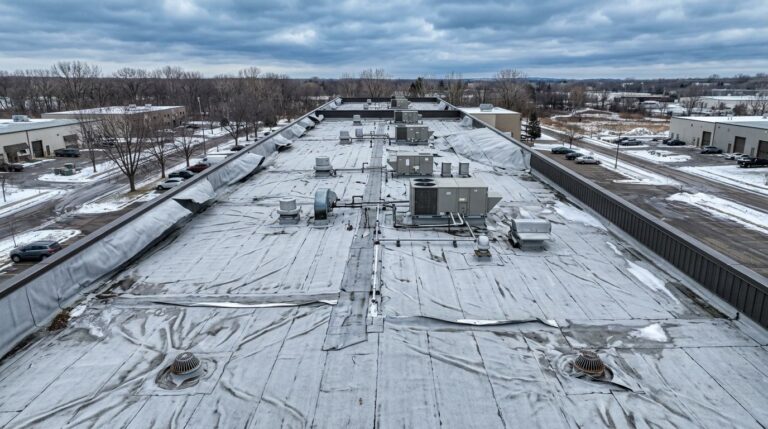
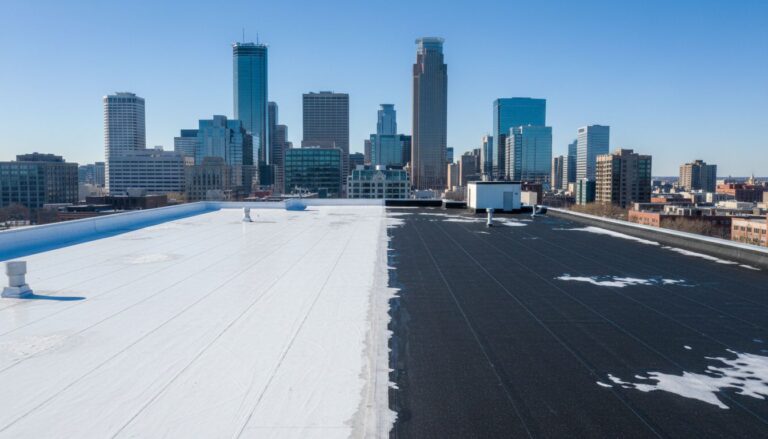
This guidance fits warehouses, retail buildings, offices, apartment properties, schools, and mixed-use sites with a commercial flat roof. It applies to TPO roofing, EPDM, modified bitumen, and BUR systems, where water can move under seams, insulation boards, cover boards, and deck flutes.
A ceiling stain doesn’t identify the roof opening. Water may travel well beyond the spot where it appears indoors.
When the situation is more urgent
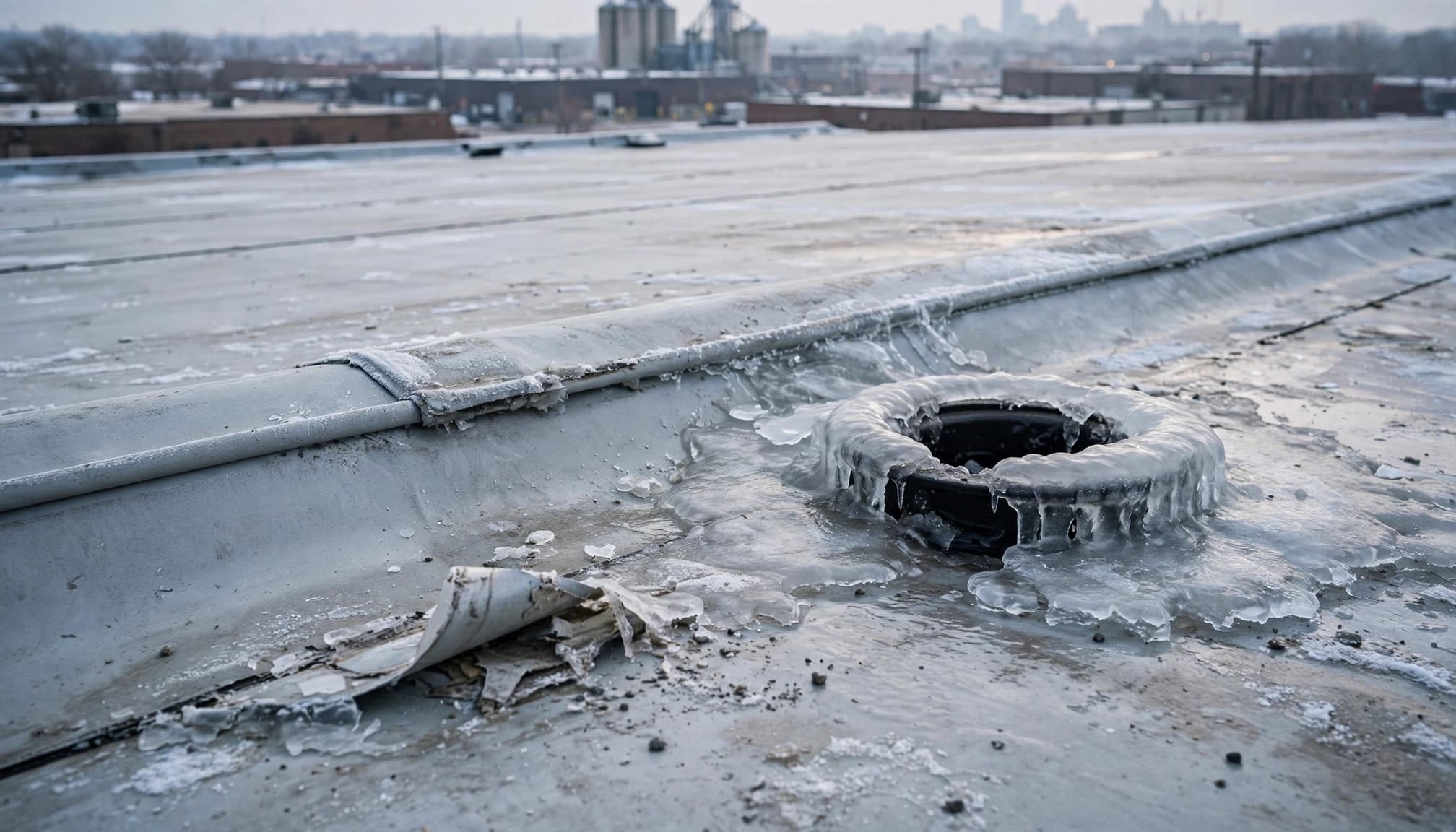
Treat the condition as urgent when water is entering occupied areas, ceiling tiles sag, electrical equipment is nearby, or ice blocks a drain. A frozen drain can turn a manageable leak into ponding water once temperatures rise.
This advice does not replace an emergency response after structural movement, a fallen tree, fire, lightning, or suspected electrical exposure. Keep people away from the affected area and use qualified help.
A roof surface that looks dry after a hard freeze may still contain wet insulation below the membrane.
Step-by-Step: Stop the Loss Without Erasing Evidence
Secure the building before going near the roof
- Move inventory, electronics, paper records, and furniture out of the drip path. Use plastic sheeting and containers to control water inside.
- Block off wet floors and areas under stained or sagging ceilings. Shut down power to affected equipment only through qualified building staff or an electrician.
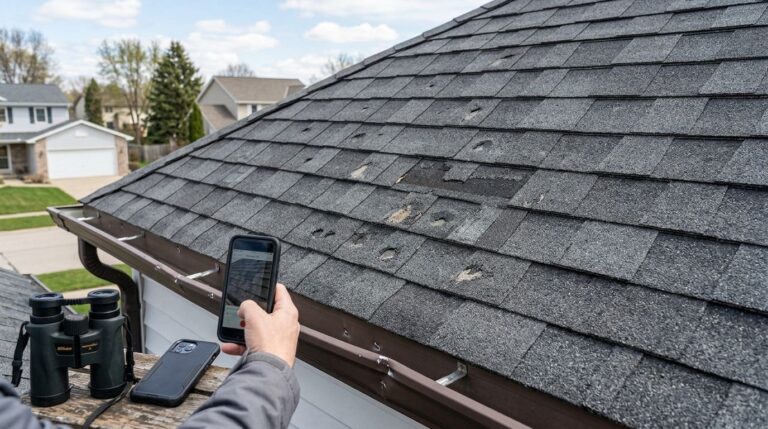
- Photograph the interior damage, ceiling conditions, exterior roof areas visible from the ground, and the weather conditions. Save original image files with their dates.
Use temporary measures, not a rushed reroof
- Call for emergency help if active water is entering. Call 651-703-2336 for 24/7 Emergency Roofing when the building needs temporary dry-in work or immediate leak control.
- Clear loose snow or blocked drains only if it can be done safely from approved access. Don’t strike ice with metal tools, pry at frozen seams, or send maintenance staff onto a slick roof.
- Authorize limited mitigation, such as interior wet-vac work, drain clearing, temporary covering, or an emergency seam seal. Avoid tear-off, broad coating work, or full repairs until a commercial roof inspection identifies the cause.
Protect Staff, Tenants, and Building Operations
Water and electricity don’t mix
Water around light fixtures, electrical panels, rooftop equipment controls, or extension cords changes the response. Restrict access and call an electrician when needed. A wet ceiling can fail without much warning.
Restaurants, medical offices, schools, and retail spaces should also protect stock and sensitive equipment. Record what was moved, damaged, or discarded. Building coverage and tenant business-property coverage may not be the same policy.
Keep the roof access decision practical
A maintenance employee can report interior conditions and watch a tarp from the ground. That doesn’t mean they should climb onto a frozen roof.
Minnesota winters bring freeze-thaw cycles, wind-driven snow, and sudden temperature shifts. Winter flat-roof preparation guidance also highlights the role of drainage, insulation, and heat loss in cold-weather roof failures.
If snow accumulation seems extreme or the deck shows movement, treat it as a possible load issue. Commercial roof snow-load warning signs include visible deflection, unusual cracking sounds, and distorted ceiling systems.
Find the Opening Before Approving Commercial Roof Repair
The membrane type changes the inspection method
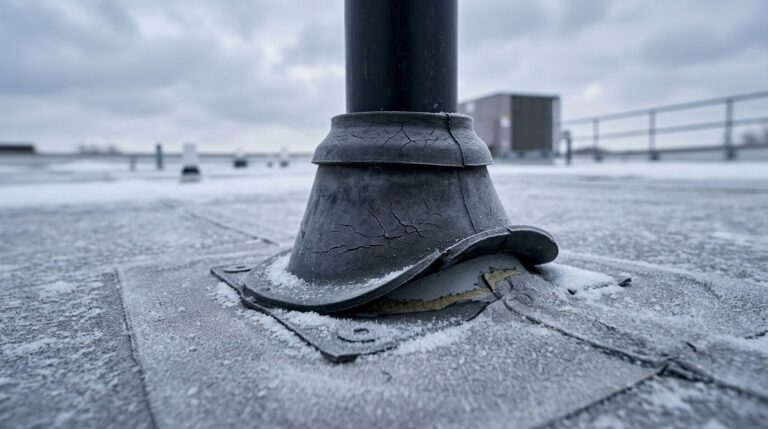
A roof leak that freezes overnight rarely has one obvious cause. On TPO and EPDM, crews look for open seams, punctures, edge lift, split flashing, loose termination bars, and failures around drains or rooftop units.
Modified bitumen and BUR roofs need a different review. Torn plies, failed laps, blisters, exposed felts, and trapped moisture can allow water below the visible surface.
Trace the water path, not the ceiling stain
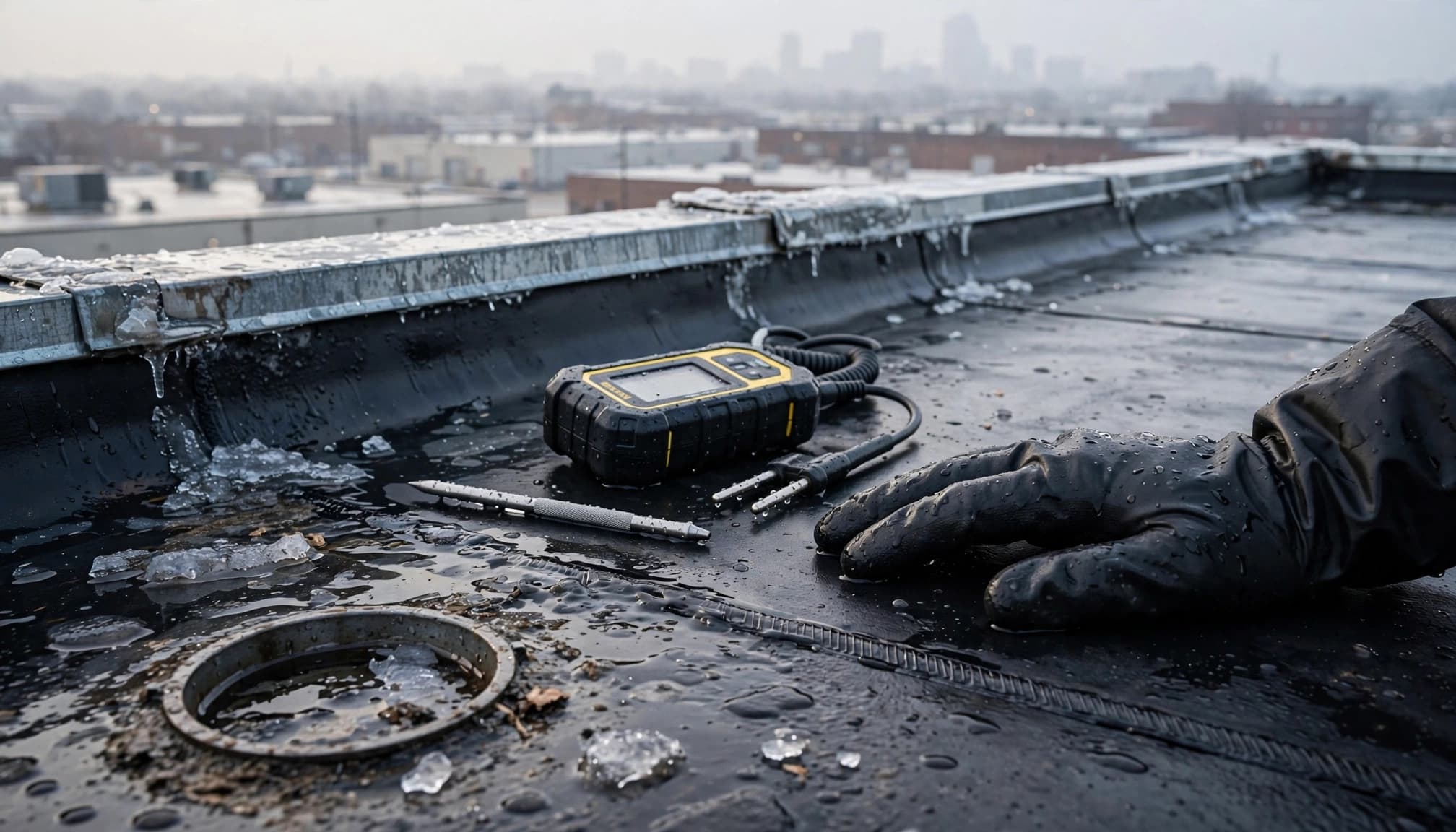
A proper inspection checks the roof field, parapet walls, pipe boots, curbs, drains, scuppers, edge metal, and the interior leak area. Infrared scanning, moisture readings, and selective test cuts can show whether insulation is wet.
Commercial roof leak detection in Saint Paul is useful when water traveled under the assembly and the visible stain points in the wrong direction.
A commercial roof repair may be limited to one damaged seam or flashing detail. That decision should follow leak tracing, not a guess based on where the water reached the ceiling.
Document a Frozen Roof Leak for Insurance
Describe facts, not conclusions
Open a roof insurance claim promptly if wind, hail, ice, or another covered event may have created the opening. State what you know without overstating the cause.
“Water entered after ice formed around the north drain and a seam opened nearby” is more useful than “the roof is destroyed.” Add the storm date if one applies, photos, emergency invoices, maintenance records, and a written contractor report.
A hail damage roof claim may involve punctures, damaged flashings, or impact marks. A storm damage roof claim may involve wind-lifted membrane, debris strikes, or damaged edge metal. The inspection should separate fresh damage from aging materials or prior repairs.
Keep mitigation receipts and damaged materials
Reasonable temporary work usually supports a claim because it limits added damage. Keep receipts for emergency labor, tarps, water extraction, dehumidifiers, and material purchases.
Don’t discard removed membrane, wet insulation, broken flashing, or damaged ceiling tiles before they are photographed. Permanent repairs completed too early can make it harder to show whether a frozen roof leak began with a covered event or long-term wear.
For a property that needs documented emergency response and follow-up scope, Get a Free Commercial Roof Inspection.
Decide Between Repair, Restoration, and Replacement
A targeted repair works when the assembly is still dry
Localized damage on a sound roof may call for seam repair, flashing replacement, drain work, or a membrane patch. The surrounding material must remain well-bonded, flexible, and dry below the surface.
A roof with widespread saturated insulation, repeated seam failures, membrane shrinkage, or damaged deck components is different. A patch may stop today’s drip but leave the rest of the failure in place.
Coatings aren’t a cure for wet materials
Commercial roof restoration and commercial roof coatings can extend the life of a low-slope roof with a sound substrate. They don’t correct failed attachment, wet insulation, open seams, or structural damage.
A commercial roof replacement is the right discussion when moisture is widespread or the current system can’t be restored reliably. In Saint Paul roofing and Minneapolis roofing work, that decision should account for drainage, insulation, rooftop equipment, snow retention, and future maintenance access.
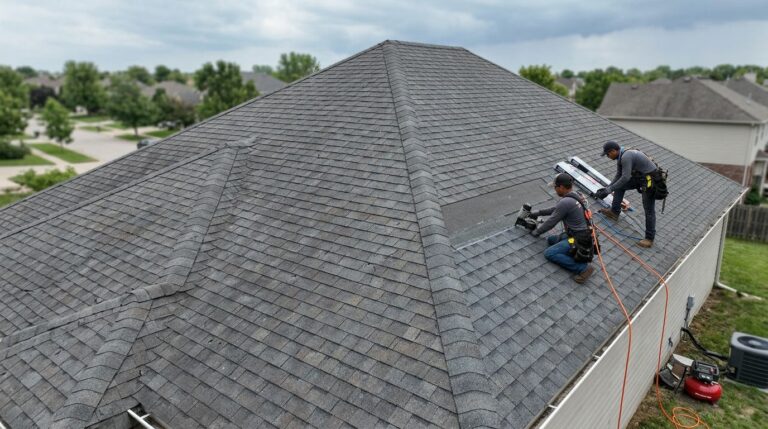
For residential portions of a mixed-use property, asphalt shingles and metal roofing need separate evaluation. A localized issue may allow residential roof repair, while broad brittleness or repeated leaks may point to residential roof replacement. Get a Free Residential Roof Estimate for a documented steep-slope scope.
FAQs About Frozen Commercial Roof Leaks
Can ice dam removal stop a low-slope roof leak?
Ice dam removal may reduce backup at edges, drains, or transitions, but it doesn’t prove the leak source. Ice can hide an open seam, failed flashing, or damaged drain detail. Removal should be controlled and safe.
Can my staff put a tarp over the leak?
Only if roof access is safe and the work remains temporary. A poorly secured tarp can tear membrane, block drainage, or create a fall hazard. Photograph the area first when conditions allow.
What if the leak stops after the temperature drops?
Don’t assume the problem is solved. The water may have frozen before reaching the interior, or ice may have temporarily blocked the opening. Schedule an inspection before the next thaw tests the same area again.
Will insurance pay for the interior water damage?
It may, if a covered event caused a sudden roof opening and the damage is documented. Coverage depends on the policy language, deductible, exclusions, and whether the owner acted promptly to limit added loss.
How should I choose a contractor after an overnight freeze?
Choose a licensed crew that can identify the roof system, trace moisture, document findings, and provide a written scope. Sellers Roofing Company is a Saint Paul roofing contractor with union-built roofing crews that include IUPAT Local 96 roofers. The company holds MN License 803862 and offers GAF-certified installation work where that system applies.
The Right Response Starts Before the Thaw
Contain, document, then diagnose
A frozen roof leak is not a wait-and-see problem. Protect occupants and property, keep emergency work temporary, and document the roof before permanent repairs change the evidence.
The best outcome is a dry building, a clear cause, and a repair scope that matches the actual condition. That is how Twin Cities roofing decisions stay grounded in facts instead of assumptions.
Need a roof inspection in Saint Paul or the Twin Cities? Call Sellers Roofing Company at +1-651-703-2336 or schedule a free estimate. We are a black-owned, NMSDC-certified MBE roofing contractor with 9+ years experience.