Last updated: 2026-09-28 by Ted Sellers, Owner
A second storm can make a roof claim harder to follow because the deductible, dates of loss, and damage from each event may be evaluated separately. This guide explains how to read the numbers, document each event, and avoid treating a deductible as a contractor pricing issue.
How Does a Hail Damage Deductible Work After Two Storms?
A hail damage deductible after two storms is applied according to the policy and the insurer’s treatment of each date of loss. Document the roof after each event, compare the written estimates separately, and confirm whether the carrier treats the damage as one occurrence or two before making repair decisions.
Two separate, covered hail dates usually produce two claim files and two deductible obligations. Your hail damage deductible may be a fixed dollar amount or a percentage of the insured value, so check the wind and hail endorsement before filing.
If both inspections tie the roof damage to one storm and the later date only exposed it, one claim may fit. The policy’s definition of “occurrence” controls, not the number of checks or repair visits.
When This Applies After Two Hailstorms
This applies to Minnesota homeowners, landlords, and commercial property owners with roof damage after two distinct hail events. It also applies when the first roof condition was not repaired before the second storm arrived.
A separate loss date can trigger another hail damage deductible
A carrier will often treat two documented storm dates as separate occurrences. That can mean a second hail damage deductible, even if one contractor completes all permanent repairs at the same time.
Minnesota policies may use a flat wind and hail deductible or a percentage-based deductible. The Minnesota Department of Commerce consumer alert warns that percentage deductibles can equal 1% or more of the home’s insured value. A 2% deductible on a $400,000 insured home is $8,000.
Do not assume the deductible applies once per year. Many wind and hail endorsements apply it per claim, as explained in this wind and hail deductible overview.
One claim may fit when the damage has one cause
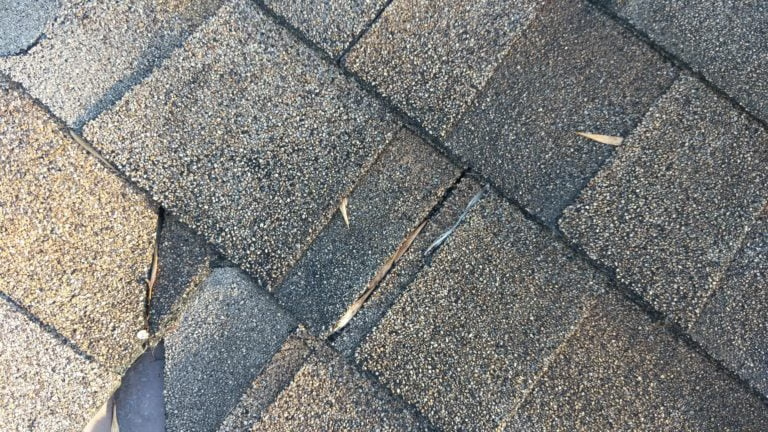
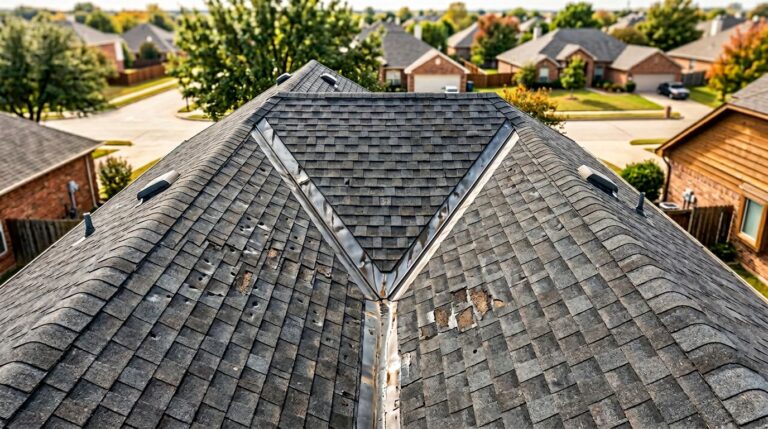
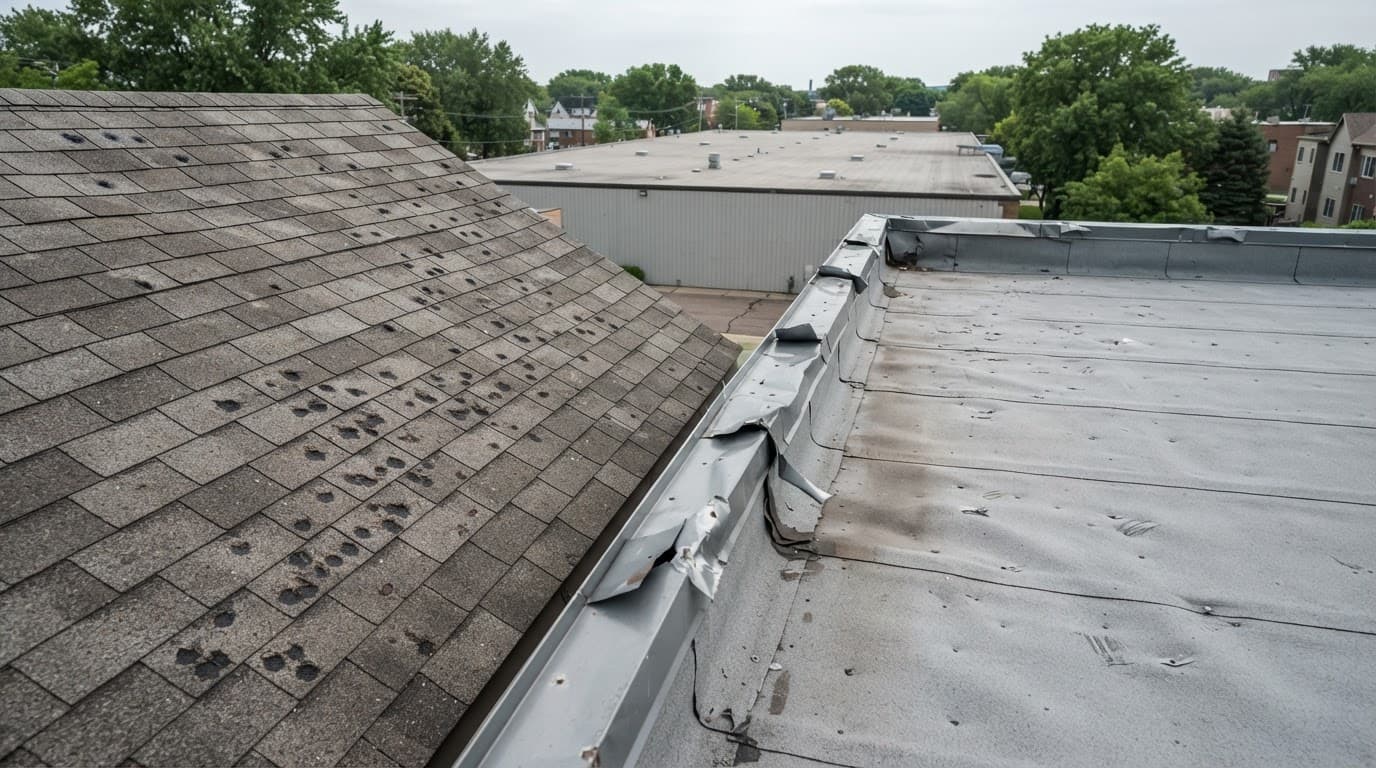
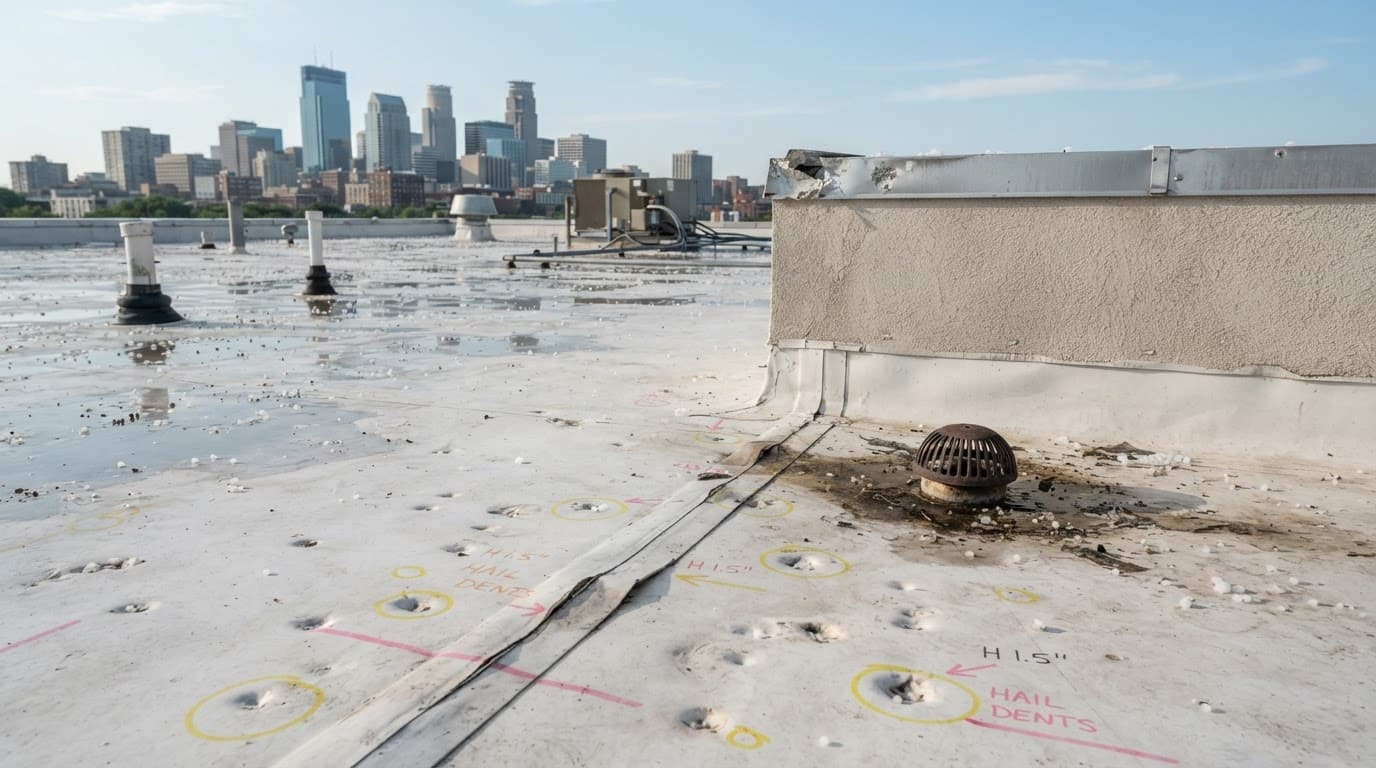
One claim may make sense if the second storm did not create new damage, but only revealed a leak or bruise from the first event. A roof inspection should separate fresh impact marks, broken flashing, and new interior water from old wear, prior patches, or chronic seepage.
This approach does not fit a roof failure caused by neglect, aging materials, ponding water, or a long-running leak. A storm date does not turn maintenance into a covered loss.
Step-by-Step
Confirm the policy and the storm dates
- Read the declarations page and wind and hail endorsement. Record the deductible, policy limits, date of loss, settlement method, and any roof payment schedule.
- Open a separate dated folder for each storm. Save exterior photos, weather notices, interior stains, prior repair records, emergency invoices, and each claim number. A roof insurance claim needs a cause-based record.
- Stop active water with a tarp or limited dry-in. Call 651-703-2336 for 24/7 Emergency Roofing if water is entering the building. Broad permanent repairs can remove proof of fresh openings, hail strikes, and moisture spread.
Build the repair scope before agreeing to a settlement
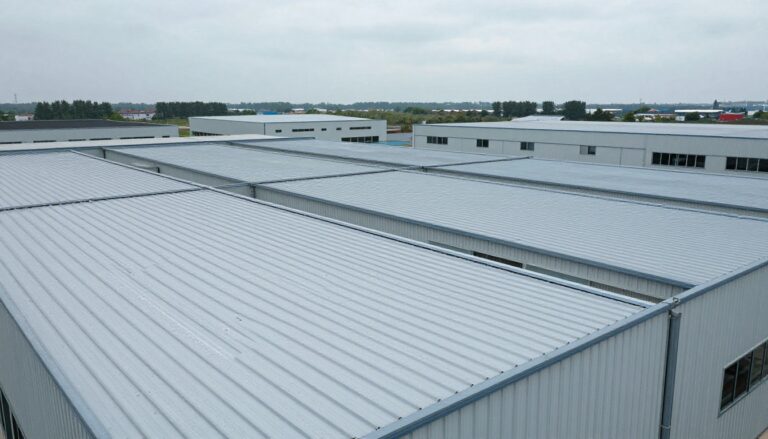
- Order system-specific findings. On a commercial flat roof, a commercial roof inspection should identify TPO roofing, EPDM, modified bitumen, or BUR, along with seams, punctures, flashing, drains, and wet insulation. Check asphalt shingles and metal roofing by their own damage patterns. For documented low-slope findings, Get a Free Commercial Roof Inspection.
- Compare the carrier scope against measurements, photos, test cuts, moisture mapping, code work, and disposal. The right answer may be commercial roof repair, commercial roof restoration, commercial roof coatings, commercial roof replacement, residential roof repair, or residential roof replacement.
- Submit a narrow supplement if new, covered work was missed. A supplement cannot change a hail damage deductible or add deferred maintenance. Request a reinspection first. Use appraisal only when coverage is accepted and the dispute is about the value or scope of covered work.
What Changes the Amount the Carrier Pays
Deductibles, depreciation, and coverage are separate
The deductible is your share of a covered loss. It is separate from depreciation, policy limits, exclusions, and the question of whether damage came from hail.
Replacement cost value policies may pay actual cash value first, then release recoverable depreciation after approved work is complete. Actual cash value policies subtract depreciation for the roof’s age and condition. This guide to wind and hail deductibles explains why a percentage deductible can create a large out-of-pocket amount.
Older roofs may also have an actual cash value endorsement or roof payment schedule. Review how roof schedules affect claim payments before assuming replacement cost applies.
A second storm does not erase the first deductible. It creates a new question: did the later event cause a separate covered loss?
A low payment does not always mean the claim is closed
Compare line items, not only the settlement total. Look for missing tear-off, flashing, underlayment, edge metal, insulation, permits, disposal, code upgrades, and interior protection.
A supplement is a correction to an incomplete scope. It is not a way to pad a claim, change the deductible, or force coverage for old wear. If the carrier accepts hail damage but misses wet insulation or damaged flashing, new findings may support a revised scope.
Never accept an offer to waive your deductible. Minnesota law prohibits contractors from paying, rebating, or absorbing a policyholder’s deductible as an inducement to obtain the work.
Protect the Evidence and the Building
The ceiling stain may not identify the roof opening
Water can travel under a membrane, insulation board, deck flute, or framing member before it reaches a ceiling tile. On a storm damage roof, the visible drip may be several feet from the actual breach.
TPO, EPDM, modified bitumen, and BUR systems can fail at seams, penetrations, perimeter edges, drains, and parapet walls. If the source is unclear, commercial roof leak detection can document the water path before a surface patch hides the evidence.
Minnesota winter can complicate a hail claim
Across Saint Paul, Minneapolis, and the Twin Cities, roofing claims can involve hail, wind-driven rain, freeze-thaw movement, snow loads, and ice buildup. Ice dam removal may be urgent to limit further water entry, but photograph the roof and interior conditions before work begins when it is safe.
A Saint Paul roofing contractor should provide the same fact-based report expected from a Minneapolis roofing contractor: storm date, damage location, probable cause, moisture findings, and a written scope. For a home with disputed storm damage, Get a Free Residential Roof Estimate.
Sellers Roofing Company is GAF certified and performs union-built roofing work with IUPAT Local 96 crews under MN Builder Contractor License 803862.
Final Takeaway
After two hailstorms, the claim decision starts with dates, evidence, and policy language. A second deductible may apply if the later storm created a separate covered loss.
Keep emergency work limited, document every condition, and compare the insurer’s scope to what the roof actually needs. A clear record protects the claim and the building.
Frequently Asked Questions
Will I pay two deductibles if I repair the roof only once?
Possibly. Repair timing does not decide the deductible. If the insurer treats the storms as two separate covered occurrences, each claim can carry its own deductible even when one construction project repairs both losses.
What if I found the first storm’s damage after the second storm?
Report both dates and preserve the evidence. Photos, weather records, interior stains, and a contractor report can help distinguish older impact damage from fresh storm damage. The carrier decides whether it belongs in one claim or two.
Can a contractor reduce my deductible to help close the job?
No. The deductible is the policyholder’s responsibility. A contractor can help document the loss, write an accurate scope, and identify missed covered work, but cannot lawfully absorb or waive your deductible.
What if the insurer’s first payment is too low?
Ask for the full line-item estimate and compare it with the contractor’s written scope. Missing flashing, insulation, permits, disposal, code work, or moisture-related repairs may support a supplement or reinspection.
Does a flat roof need a different hail inspection?
Yes. A commercial flat roof can hide damage below the membrane. Hail may damage seams, flashings, insulation, or drainage details without producing an immediate leak. Moisture mapping and test cuts may be needed before approving a permanent repair.
Learn the full process in our Minnesota roof storm damage and insurance claims guide.
Need a roof inspection in Saint Paul or the Twin Cities? Call Sellers Roofing Company at +1-651-703-2336 or schedule a free estimate. We are a black-owned, NMSDC-certified MBE roofing contractor with 9+ years experience.