Last updated: 2026-09-28 by Ted Sellers, Owner
Storm damage creates two problems at once: you need to protect the building, and you need to preserve enough evidence to understand what happened. This guide explains how Minnesota homeowners and property managers can document roof damage, make sound temporary decisions, and compare an insurance scope to the condition of the actual roof.
What Should You Do After Roof Storm Damage in Minnesota?
After roof storm damage in Minnesota, photograph the roof and interior signs of water, stop active leaks with safe temporary protection, report the loss promptly, and request the insurer’s written scope. Then compare that scope with a roof-specific inspection before authorizing permanent work.
What to Do First After a Hail, Wind, or Ice Storm
Make the property safe before trying to diagnose the roof
Stay off a wet, steep, icy, or visibly damaged roof. If water is entering the home or building, move belongings out of the affected area, contain water where practical, and use a qualified roofer for temporary protection. The goal is to prevent added damage without covering up the evidence you will need later.
Document conditions while they are still fresh
Take wide photos of every elevation, the roof from the ground, gutters, downspouts, screens, siding, and any fallen material. Inside, photograph staining, wet drywall, wet insulation, and active drips. Keep the storm date, local alerts, repair receipts, and a short written timeline in one folder.
Do not assume every visible mark is covered damage
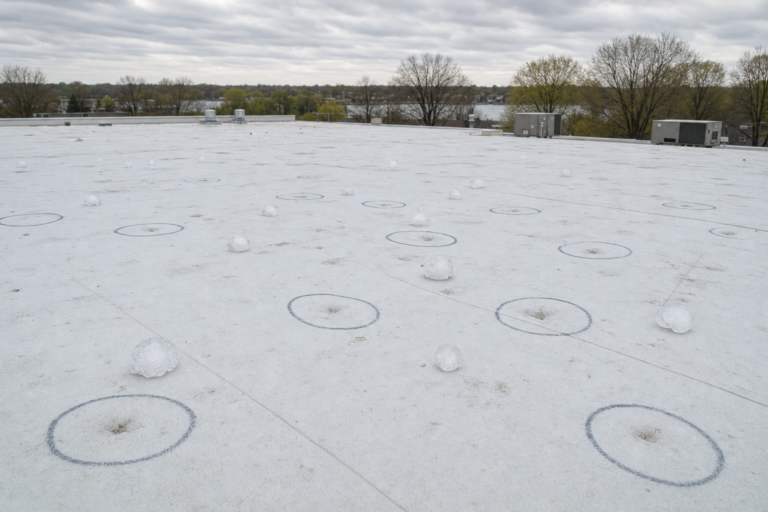
Hail can leave impact marks on shingles, metal, gutters, and vents; wind can lift tabs, crease shingles, loosen flashing, or damage roof edges. Older wear, brittle shingles, and long-running leaks can look similar. A good inspection separates what changed in the storm from conditions that existed beforehand.
For a field inspection, use our hail damage roof inspection service in St. Paul. If the roof is actively leaking, review your emergency roofing options before making a permanent repair decision.
What to Document for a Roof Damage Claim
Photographs should answer simple questions
A useful photo record shows where the issue is, how large it is, and what material is affected. Include close photos and wider shots that establish the location. Do not rely on a single close-up of a dent or granule loss; it may not show whether the finding is isolated, storm-related, or functionally important.
Save the documents that explain the scope
Ask the insurer for its estimate, roof diagram, adjuster photos, measurements, and any engineering report used in the decision. Save your policy declarations page and every endorsement listed on it. The policy in force on the storm date controls, which matters when a policy has a separate wind/hail deductible, cosmetic-damage wording, or actual-cash-value settlement terms.
Keep temporary work separate from permanent work
Reasonable emergency mitigation may be necessary, but broad permanent repairs can make later inspection harder. Photograph the condition first when it is safe to do so, save invoices, and keep removed materials if they are relevant. When in doubt, ask the carrier what documentation it needs and ask the roofer to describe the work performed.
How a Minnesota Roof Insurance Claim Usually Moves Forward
Step 1: Report the loss using plain facts
Report the date of loss, what you observed, and whether water entered the building. Avoid guessing about the cause, the size of a repair, or whether a full replacement is required. Those questions should be supported by the inspection and the policy terms.
Step 2: Read the estimate and the denial or partial-payment letter
Look for the claimed cause of loss, excluded items, deductible, depreciation, labor, disposal, flashing, and code-related line items. A scope may be incomplete without being a denial. The important question is whether the written scope accounts for the covered work needed to return the roof assembly to its pre-loss condition.
Step 3: Compare the scope with a roof-specific inspection
A repair can be the right answer when damage is isolated and the existing roof can be restored without creating a new failure point. A replacement may be considered when damage is widespread, materials are not repairable, or the repair would not restore the system. Read our guide to hail deductibles after two storms before comparing any settlement against a contract price.
Step 4: Respond narrowly when something is missing
If the scope overlooks a damaged component, respond with the applicable photographs, measurements, and a written explanation of why that component is part of the covered repair. Do not add old maintenance issues or elective upgrades to a claim. If a coverage decision turns on an exclusion, appraisal clause, or legal interpretation, obtain qualified insurance or legal advice.
How to Decide Between Roof Repair and Replacement
The right choice depends on the roof system, the damage pattern, the age and condition of the materials, and whether the work can be completed without creating a short-lived patchwork repair. Asphalt shingles, standing-seam metal, TPO, EPDM, and modified bitumen do not fail or get repaired in the same way.
For a steep-slope home, start with a residential roof repair evaluation. For a low-slope commercial building, drainage, seams, penetrations, insulation moisture, and deck conditions matter as much as surface marks. Our commercial roof leak-detection service is the better starting point when the water path is unclear.
Related Minnesota Roof Claim Guides
Use these supporting articles when you need a closer answer on one part of the claim:
- How to read Minnesota hail exclusions
- How a hail damage deductible can work after two storms
- What a Minnesota roof claim timeline can look like after hail
- How insurers determine roof age for Minnesota claims
Storm-Damage Topics by Situation
Hail, wind, and roof-system damage
- What businesses should do after hail damages a roof drain
- Whether wind can damage commercial roof drains without an immediate leak
- What to do when hail damages a roof before a home sale
- What property managers should photograph after a windstorm
- How hail damage is inspected under solar panels
- When an insurance roof scope omits flashing
- What wind damage can look like on roof soffits
Claim questions and temporary protection
- What an examination under oath means in a Minnesota roof claim
- Whether insurance can cover hotel costs after a roof leak
- Whether commercial insurance can cover lost rent after a roof storm
- When a Minnesota business may consider a public adjuster
- How commercial roof coinsurance can affect a claim
- Emergency roof tarping cost in St. Paul
- Protecting commercial inventory after a Minnesota roof leak
Snow, ice, and low-slope roofing
- How snow and ice can affect commercial roof expansion joints
- How heavy snow can damage commercial roof drains before thaw
- Whether TPO roof snow removal can cause damage
- Whether snow guards prevent dangerous roof snow slides
- How Minnesota summer heat can affect TPO and EPDM roofs
- How to tell winter roof damage from spring hail damage
Common Mistakes to Avoid After Roof Storm Damage
- Waiting until damage spreads: A small opening can allow more water into insulation, walls, or ceilings. Document it and protect the building promptly.
- Signing before reviewing the scope: A contract should match the work you have authorized, not force a decision before you understand the insurance estimate.
- Assuming a visible dent proves coverage: Policy language and functional impact both matter, especially for metal and cosmetic-damage exclusions.
- Mixing old and new conditions: Keep maintenance issues, prior repairs, and fresh storm evidence separate so the claim file remains credible.
- Ignoring the deductible: A wind or hail deductible can be a fixed dollar amount or a percentage of dwelling coverage. Read it before deciding what the payment means.
When to Get Professional Help
Call for professional help when the roof is unsafe to access, water is entering, shingles or flashing are missing, a ceiling is sagging, or the building has a low-slope membrane roof with uncertain moisture spread. Get appropriate insurance or legal guidance when the dispute is about policy interpretation rather than roof condition. A contractor can document the roof and provide a scope; they should not promise coverage or waive a deductible.
Frequently Asked Questions
How soon should I inspect my roof after hail?
Inspect from the ground as soon as conditions are safe, and arrange a professional inspection when there are signs of damage or a significant local storm. Early documentation makes it easier to separate fresh storm damage from older wear.
Can I make temporary repairs before the adjuster arrives?
Yes, reasonable steps to limit further damage are often necessary. Photograph the condition first if it is safe, keep receipts, and avoid removing more material than needed for temporary protection.
Does insurance pay for all storm-related roof work?
Not automatically. Payment depends on the policy, deductible, covered cause of loss, exclusions, and the documented scope of damage. Review the estimate and policy language together.
What does a cosmetic hail exclusion mean?
It generally limits payment for appearance-only damage that does not impair the material’s weather-resistance or function. The exact policy wording and the actual condition of the roof both matter.
Should I replace my roof if it does not leak?
Not necessarily. Some storm damage does not cause an immediate leak, but a professional inspection can determine whether the material remains serviceable or whether a repair or replacement is appropriate.
Conclusion and Next Steps
The best first move after storm damage is simple: protect the building, preserve evidence, and make decisions from written documentation rather than pressure. For more detail on policy wording, read our guide to Minnesota hail exclusions, then request a roof inspection when you need a clear, written assessment.
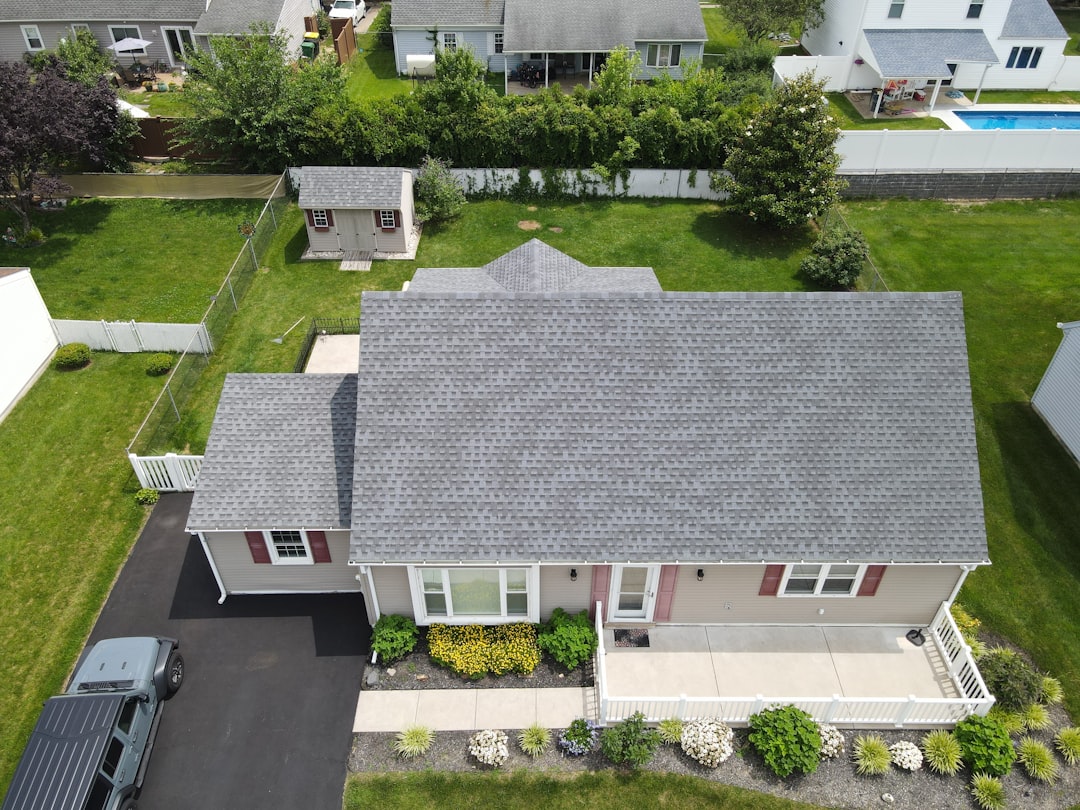
Featured image: photo by Paragon Exterior via Unsplash.
Need a roof inspection in Saint Paul or the Twin Cities? Call Sellers Roofing Company at +1-651-703-2336 or schedule a free estimate. We are a black-owned, NMSDC-certified MBE roofing contractor with 9+ years experience.