Last updated: 2026-05-26 by Ted Sellers, Owner
Repair vs Replace timeline table
| Service | Typical turn-time | When it applies |
|---|---|---|
| Spot shingle/flash repair | 1–2 days | <20% of slope affected |
| Partial replacement | 2–3 days | One face with clustered impacts |
| Full replacement | 1–2 install days | Multiple faces or warranty risk |
| Emergency tarp | Same day | Active leak or open exposure |
In this guide, I explain the common signs of hail impact on asphalt, metal, tile, slate, and wood shake; outline other roof problems like wind uplift, water intrusion, aging, debris punctures, and installation defects; compare each damage type; review repair and replacement solutions; navigate insurance claims; highlight Wayzata’s storm patterns; demonstrate inspection methods; and recommend preventative measures. By the end, you’ll confidently distinguish hail damage and take action to protect your investment.
What Are the Common Signs of Hail Damage on Different Roof Types?
Hail damage refers to dents, cracks, and granule loss caused by ice projectiles striking roofing materials. These impacts weaken weather resistance and shorten roof longevity, so early detection prevents structural issues. For example, a hailstorm that produces one-inch stones can create circular depressions on shingles and metal panels within minutes.
What Does Hail Damage Look Like on Asphalt Shingles?
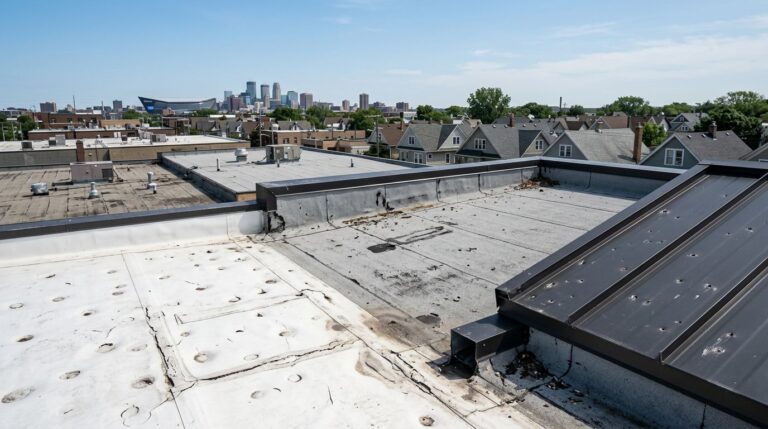
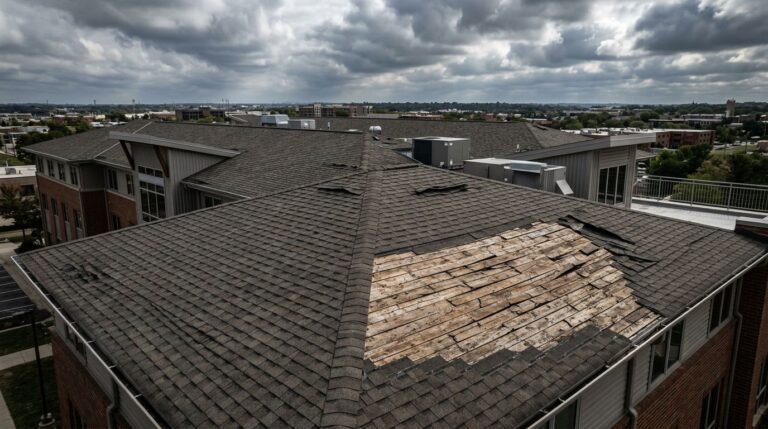
Hail damage on asphalt shingles appears as granule loss, circular indentations, and fractured edges.
- Granule Loss: Exposed black asphalt beneath the ceramic granules.
- Circular Dents: Disc-shaped indentations where hailstones struck.
- Cracks and Tears: Sharp fractures radiating from the impact point.
These signs compromise UV protection and allow moisture intrusion, necessitating prompt repair or replacement.
How to Spot Hail Damage on Metal Roofs?
Hail damage on metal roofs shows as small dents, surface bruising, and paint chipping.
- Dents and Dings: Shallow depressions that trap water.
- Surface Bruising: Raised discoloration around the dent.
- Coating Damage: Flakes of paint or coating missing at impact sites.
Unchecked bruising accelerates corrosion and reduces the roof’s service life.
What Are the Signs of Hail Damage on Tile, Slate, and Wood Shake Roofs?
Hail damage on brittle roofs creates chips, fractures, and cracked corners.
- Chip Marks: Small pieces of tile or slate missing from edges.
- Fractures: Hairline cracks through the tile face.
- Shake Splintering: Wood shake fibers split or punctured.
Even minor chips on tile or slate allow water to seep beneath and cause leaks.
How Do Ground-Level and Professional Roof Inspections Differ in Detecting Hail Damage?
Ground-level inspections involve visual scanning with binoculars to identify missing granules and dents, while professional inspections include close-up examination, moisture readings, and thermal imaging.
- Ground-Level: Quick assessment but may miss subtle bruising.
- Professional: Detailed analysis of hidden damage under flashing and around vents.
Combining both methods ensures thorough detection and accurate repair planning.
How Should You Document Hail Damage for Insurance Purposes?
Proper documentation supports claim approval and fair settlement. Take high-resolution photos of each damaged area, note the date and hailstone size estimate, and compile a detailed report.
- Photograph every affected shingle, metal panel, or tile.
- Include a measuring tool in images to show scale.
- Record storm date, estimated hailstone diameter, and roof age.
- Create a written damage log with location markers.
Insurance Claims and Roof Damage
Studies show that proper documentation is crucial for a successful insurance claim related to roof damage. Detailed photographic evidence, including the date of the storm and estimated hailstone size, significantly improves the chances of claim approval and a fair settlement from insurance providers.
This research supports the article’s guidance on documenting hail damage for insurance purposes.
Summary of Hail Damage by Roof Type
What Are Other Common Roof Problems Besides Hail Damage?
Other roof problems include wind uplift, water intrusion, natural aging, debris impact, and installation defects. Each issue degrades performance differently, so distinguishing them ensures the right repair approach. For instance, wind can lift shingles without causing the circular dents typical of hail.
How Can You Identify Wind Damage on Your Roof?
Wind damage manifests as missing shingles, lifted edges, and creased tabs.
- Missing Shingles: Entire shingles blown off ridges and edges.
- Lifted Edges: Shingle corners curled upward.
- Creasing: Sharp folds within the shingle body.
Wind-loosened shingles allow rain to enter beneath the underlayment, leading to leaks.
What Are the Signs and Causes of Water Damage and Roof Leaks?
Water damage and leaks show as interior stains, mold growth, and rotting decking.
- Ceiling Stains: Brown discoloration under the roof deck.
- Mold and Mildew: Dark patches on attic rafters.
- Soft Spots: Spongy areas on decking indicating rot.
Condensation, clogged gutters, or damaged flashing often initiates moisture intrusion.
How Does Aging Affect Roof Condition?
As roofs age, they exhibit blistering, general granule loss, and gradual asphalt degradation.
- Blistering: Tiny raised bubbles under shingle surface.
- Bruising: Dark bruises where granules have worn away.
- Overall Granule Loss: Thinned protective layer exposing asphalt.
Natural wear reduces impact resistance and heralds the need for replacement.
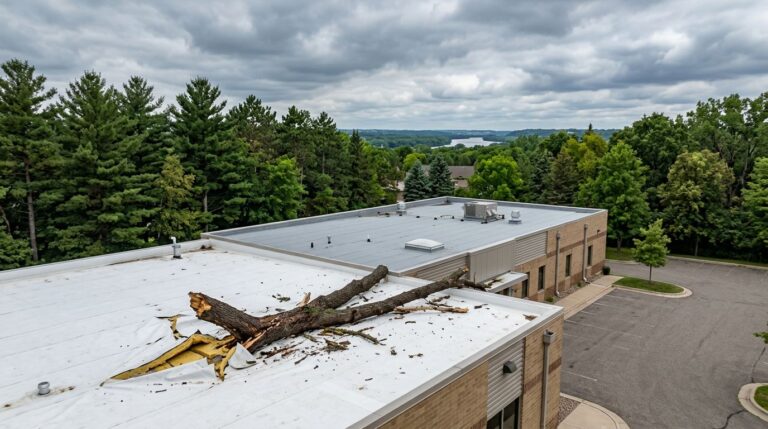
What Damage Can Tree and Debris Cause to Roofs?
Tree limbs and falling debris inflict punctures, scratches, and impact marks.
- Punctures: Holes through shingles or underlayment.
- Surface Scratches: Linear abrasions across shingle granules.
- Impact Marks: Indentations from branches or twigs.
Regular trimming around roof perimeter prevents major punctures and leaks.
How Do Improper Installation and Manufacturing Defects Appear?
Installation or factory defects emerge as uneven shingles, premature granule shedding, and misaligned flashing.
- Irregular Seams: Gaps between shingle courses.
- Excessive Granule Loss: New shingles already shedding material.
- Crooked Flashing: Flashing panels installed at inconsistent angles.
Defective materials or poor workmanship can void warranties and cause early failure.
How Can You Differentiate Hail Damage from Other Roof Problems?
Distinguishing hail from other damage relies on visual patterns: hail produces round indentations, wind lifts edges, and aging yields uniform granule wear. Recognizing these contrasts prevents misdiagnosis and ensures correct repairs.
What Are the Visual Differences Between Hail Damage and Wind Damage?
Hail damage appears as circular dents with displaced granules, whereas wind damage features lifted or missing shingles without impact impressions.
- Hail: Point-source depressions, granule scattering.
- Wind: Edge curls, shingle seals torn, no central dents.
Understanding this contrast directs appropriate restoration methods.
How Does Wear and Tear Differ from Storm-Related Damage?
Wear and tear causes gradual granule thinning and blistering, while storm impacts leave discrete bruises and cracks.
- Wear: Even thinning across many shingles.
- Storm: Clustered indentations or fractures at impact points.
Accurate assessment extends roof life through targeted maintenance.
How Does Foot Traffic Damage Compare to Hail Damage?
Foot traffic produces elongated bruises without circular edges; hail forms round divots with granular loss.
- Foot Traffic: Linear scuff marks and compaction.
- Hail: Round dents with sharp granule displacement.
Distinguishing these patterns ensures correct repair scope.
How Does Each Damage Type Affect Roof Longevity and Performance?
Hail damage accelerates underlayment exposure and leaks, wind damage risks blow-offs, aging lowers UV protection, and debris punctures cause localized leaks. Each scenario reduces service life by varying months to years depending on severity.
This comparison table highlights how each damage type demands a distinct repair strategy.
What Are the Insurance Implications for Different Roof Damage Types?
Insurance covers storm-related structural damage like hail or wind, but may exclude gradual aging or cosmetic defects.
- Hail & Wind: Generally covered under homeowner policies.
- Wear & Tear: Not covered as pre-existing condition.
- Installation Defects: Typically excluded.
Clear documentation and prompt filing boost claim approval chances.
What Are the Best Repair and Replacement Options for Hail and Other Roof Damage?
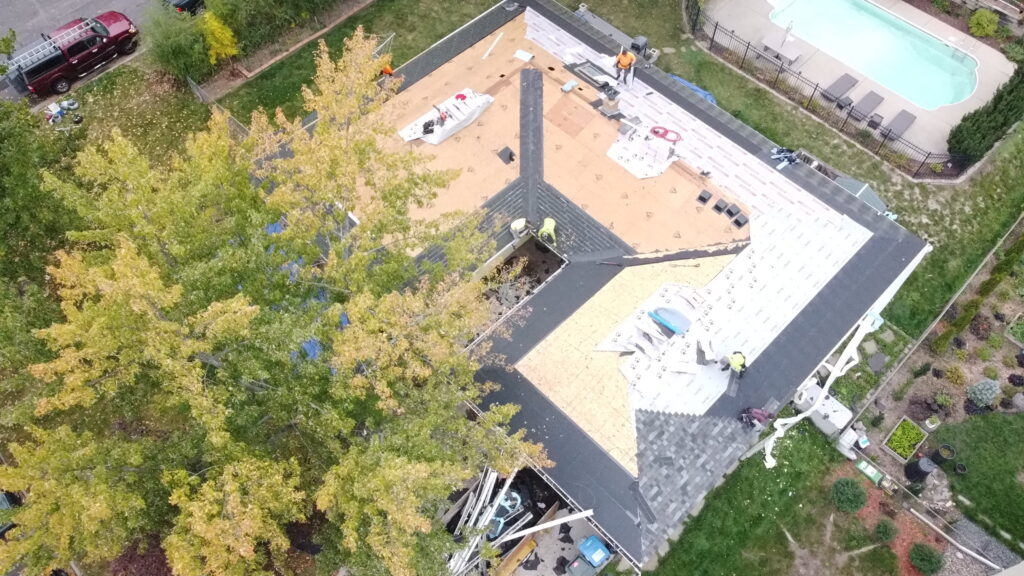
Repair and replacement hinge on damage extent, roof age, and material. Small hail dents may only need spot repairs, while widespread granule loss requires full replacement to preserve warranty.
- Spot Repairs improve leak control by replacing individual shingles or tiles.
- Partial Replacement addresses moderate damage affecting entire roof sections.
- Full Replacement restores full impact resistance when over 30% of shingles show damage.
When Should You Repair Hail Damage vs. Replace Your Roof?
Repair is practical when fewer than 20% of shingles are dented; replacement is recommended when damage covers more than one roof face or invalidates material warranties.
What Repair Techniques Are Effective for Wind and Water Damage?
- Shingle Re-sealing improves wind resistance by re-adhering lifted tabs.
- Flashing Replacement reinforces leak-prone areas around chimneys and vents.
- Underlayment Patching stops water intrusion beneath damaged shingles.
What Are the Benefits of Impact-Resistant Roofing Materials?
Impact-resistant shingles and metal panels enhance hail protection, reduce claim frequency, and may qualify for insurance discounts. These materials support long-term durability and promote homeowner savings.
Which Impact-Resistant Roofing Materials Offer the Best Protection?
- Class 4 asphalt shingles resist hail up to two inches in diameter.
- Standing-seam metal panels distribute impact energy across panels.
- Synthetic slate and composite shakes combine flexibility with toughness.
Hail Damage and Roofing Materials
Research indicates that the choice of roofing materials significantly impacts a roof’s resistance to hail damage. Impact-resistant shingles, for example, can withstand hailstones up to a certain diameter, reducing the likelihood of damage and extending the roof’s lifespan.
This research supports the article’s discussion on the benefits of impact-resistant roofing materials in protecting against hail damage.
How Can Proactive Roof Maintenance Prevent Future Damage?
Regular cleaning of debris, gutter clearing, and biannual inspections improve roof resilience against hail, wind, and aging. Scheduled maintenance enhances performance and extends service life.
How Do You Navigate the Insurance Claim Process for Roof Damage?
Filing an insurance claim for roof damage demands thorough documentation, timely submission, and clear communication with adjusters to secure fair compensation.
What Are the Steps to File a Hail Damage Insurance Claim?
- Document all damage immediately after the storm.
- Review your policy for hail coverage and deductibles.
- Contact your insurer to initiate the claim.
- Provide photos, logs, and professional inspection reports.
- Schedule the adjuster’s visit and prepare supporting evidence.
How Do You Work Effectively with an Insurance Adjuster?
Present a detailed damage report, highlight storm dates, and accompany the adjuster on the roof inspection to ensure no impact site is overlooked. This collaboration promotes accurate estimates.
What Does Your Policy Typically Cover: Cosmetic vs. Structural Damage?
Most policies cover structural damage that impairs roof function, such as cracked decking or large-scale shingle failures, but exclude purely cosmetic denting. Understanding these distinctions prevents rejected claims.
What Are Common Reasons for Claim Denial and How Can You Appeal?
Denying claims often stems from pre-existing damage, missed filing deadlines, or lack of evidence. To appeal, submit supplementary photos, contractor estimates, and reference storm reports that verify timing and severity.
What Are the Local Roofing Challenges and Storm Patterns in Wayzata ?
Wayzata roofing experts face frequent spring and summer hailstorms, heavy snow loads, and freeze-thaw cycles that test roof durability. ↩️ Wayzata Roofing Services – Sellers Roofing Company
How Frequent Are Hailstorms and Severe Weather Events in the Twin Cities Area?
Minnesota experiences over 30 large hail events annually, with peak activity from May through July. These storms cause billions in property losses statewide and necessitate rapid response.
What Roofing Materials Are Best Suited for Minnesota’s Climate?
Impact-resistant asphalt shingles with Class 3 or 4 ratings, standing-seam metal panels, and fiber-cement tiles withstand hail and temperature extremes. These materials enhance resistance to impact and freeze-thaw damage.
How Does Sellers Roofing Company Support Wayzata Homeowners with Storm Damage?
Through 24/7 emergency response, comprehensive storm damage inspections, and long warranties, Sellers Roofing Company ensures prompt repairs and peace of mind for Wayzata residents.
How Can You Perform a Roof Inspection to Identify Hail and Other Damage?

A systematic roof inspection detects early signs of all damage types and informs maintenance and insurance actions.
What Are the Step-by-Step Instructions for a Ground-Level Roof Inspection?
- Walk the perimeter and use binoculars to scan for missing granules and lifted edges.
- Check gutters for granule buildup and debris from punctures.
- Inspect downspouts for mineral streaks indicating asphalt loss.
- Examine flashing and vents for dents or displacement.
When Should You Hire a Professional for a Roof Inspection?
Hire a professional when damage is hard to access, the roof slope is steep, or you notice interior leaks. Certified inspectors use moisture meters and infrared cameras to reveal hidden issues.
How Do Roof Inspections Help with Early Damage Detection and Insurance Claims?
Timely inspections document pre-existing conditions, provide evidence for claims, and allow minor repairs before they escalate into major replacements.
What Preventative Measures Can Protect Your Roof from Hail and Other Damage?
Preventative steps improve roof resilience and minimize repair needs after storms.
Which Impact-Resistant Roofing Materials Offer the Best Protection?
- Class 4 asphalt shingles resist hail up to two inches in diameter.
- Standing-seam metal panels distribute impact energy across panels.
- Synthetic slate and composite shakes combine flexibility with toughness.
How Often Should You Schedule Roof Maintenance and Inspections?
Biannual inspections—before and after storm season—identify damage early and support warranty compliance.
What Are Effective Strategies to Minimize Damage from Wind, Debris, and Aging?
- Trim overhanging branches to prevent punctures.
- Clean gutters and downspouts to avoid water backups.
- Replace worn underlayment to maintain a waterproof barrier.
Regular care supports roof longevity and improves performance under severe weather.
Repairing hail and other roof problems swiftly enhances protection and extends service life. Trained inspectors identify the right solution, while impact-resistant materials and proactive maintenance reduce risk. Sellers Roofing Company stands ready in Wayzata to support homeowners with expert repairs, insurance guidance, and dependable warranties. Confidence in your roof starts with accurate diagnosis and timely action to preserve your home’s safety and value.
Need a roof inspection in Saint Paul or the Twin Cities? Call Sellers Roofing Company at +1-651-703-2336 or schedule a free estimate. We are a black-owned, NMSDC-certified MBE roofing contractor with 9+ years experience.