Last updated: 2026-05-26 by Ted Sellers, Owner
Table Of Contents:
- How Roofing Shingles Are Made: Complete Guide to Production, Types, and Eco-Friendly Options
- What Is the Asphalt Shingle Production Process?
- What Are the Different Types of Roofing Shingles?
- Which Shingle Manufacturing Techniques Are Most Common?
- How Is Roofing Shingle Durability Tested and Ensured?
- What Are Eco-Friendly Roofing Options and Sustainable Manufacturing Practices?
- How Can Understanding the Shingle Manufacturing Process Help You Choose the Right Roof?
- What Are the Latest Trends in Roofing Shingle Production?
- Frequently Asked Questions
- Final Thoughts
Roofing shingles protect your home from weather extremes while enhancing curb appeal and energy efficiency. Understanding the production process, available types, and factors affecting durability enables you to make informed decisions.
This guide reviews the lifecycle of roofing shingles—from manufacturing techniques and quality control to eco-friendly practices—helping homeowners and businesses choose products that offer excellent performance, long-term durability, and resistance to weather-related hazards. Transitioning from general roof selection to shingle production, let’s explore how raw materials transform into the sturdy, weather-resistant roofing shingle seen on homes today.
What Is the Asphalt Shingle Production Process?
The process begins with selecting raw materials such as asphalt, fiberglass or organic felt, and mineral granules. First, a high-quality base sheet is formed by mixing fibers with asphalt binder heated to a precise viscosity.
This binder is spread into a continuous mat with uniform thickness. Next, controlled amounts of asphalt are reapplied for waterproofing, and mineral granules—typically crushed stone or ceramic particles—are embedded to reflect ultraviolet light and enhance resistance to hail and wind. Quality control tests such as heat aging, freeze-thaw cycles, and wind resistance (in line with ASTM International standards) are performed on the automated production line to ensure consistent performance and durability.
What Are the Different Types of Roofing Shingles?
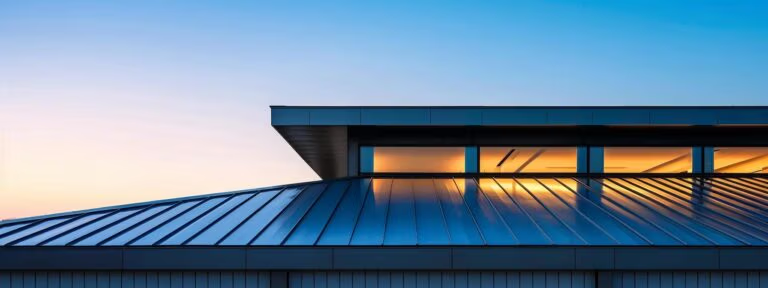
Roofing shingles are available in asphalt, composite, and metal varieties. Asphalt shingles, widely used for their affordability and ease of installation, combine layers of fiberglass felt, asphalt binder, and mineral granules. Composite shingles blend asphalt with recycled materials for environmental benefits and improved impact resistance. Metal shingles, made from steel, aluminum, or copper, are valued for longevity, high reflectivity for energy efficiency, and resistance to extreme weather, while sometimes mimicking the appearance of slate or wood.
Each type differs in installation and maintenance: asphalt shingles are cost-effective but may be more vulnerable to temperature changes; composite shingles offer superior durability with added recycled content; and metal shingles, though costlier, require minimal upkeep and provide extended lifespans.
How Do Asphalt, Composite, and Metal Shingles Differ?
Asphalt shingles feature a lightweight fiberglass or organic base saturated with asphalt and topped with ceramic granules. Composite shingles incorporate recycled elements such as rubber or plastic, offering improved resilience and environmental benefits at a lower cost. Metal shingles use precision stamping to form designs with inherent durability and excellent heat reflection, reducing cooling costs.
What Are the Advantages and Disadvantages of Each Shingle Type?
Asphalt shingles are inexpensive and repairable but may deteriorate faster under extreme temperatures or UV exposure. Composite shingles provide environmental benefits and enhanced impact resistance, though their installation may be more labor-intensive. Metal shingles, despite higher upfront costs and potential noise issues in heavy rain, provide exceptional longevity, energy efficiency, and minimal maintenance. Weighing installation costs against long-term savings, including energy and maintenance, is crucial when selecting the best roofing option.
How Does Shingle Type Affect Installation and Maintenance?
Asphalt and composite shingles are generally easier to install, using standard roofing nails and adaptable to various roof structures. Asphalt may require replacement every 15–20 years, while composite offers an extended lifespan if maintained properly. Metal shingles need specialized fastening techniques to manage thermal expansion; however, they can last over 50 years with scheduled inspections and minimal upkeep. Regular maintenance—inspecting for granule loss, cleaning, and timely repairs—ensures prolonged performance across all shingle types.
Which Shingle Manufacturing Techniques Are Most Common?
Modern roofing shingles are commonly produced using composite mat techniques. Raw materials are heated and applied to a reinforcing mat (fiberglass or organic felt), then rolled, layered, and cut into standardized shapes ensuring uniform quality. Once formed, the mat is impregnated with asphalt binder and mineral granules, protecting the product from UV deterioration while providing waterproof features.
How Are Composite Shingles Made?
Composite shingles are created by selecting a high-quality substrate, typically fiberglass for strength, which is then saturated with hot liquid asphalt binder. Rollers calibrate the binder for uniform thickness before mineral granules are applied to the still-tacky surface. The material is cooled, cut into individual shingles, and cured, with real-time sensor monitoring ensuring strict quality control.
What Is the Process for Metal Shingle Fabrication?
Metal shingles are fabricated by feeding large sheets of metal (aluminum, steel, or copper) into automated stamping machines that cut and shape them into specific designs. The metal is then coated with polymers or paints to resist corrosion, UV light, and impact. High-temperature curing ensures durability before the shingles are bundled and packaged. This highly automated process minimizes waste and maintains consistent quality.
How Do Innovations Improve Shingle Manufacturing?
Innovations such as computer-controlled cutting, enhanced binders incorporating advanced polymers, and automated quality control systems have improved shingle production. These technologies ensure precise dimensions, consistent adhesion, and better resistance to environmental stresses like UV radiation and hail. Automation reduces waste and energy consumption, contributing to both product quality and environmental sustainability.
How Is Roofing Shingle Durability Tested and Ensured?
Durability testing is integral to ensuring long-lasting roof protection. Manufacturers conduct wind resistance trials in high-speed wind tunnels, fire tests exposing shingles to high temperatures, and impact tests using controlled hammer or ball drops to simulate hail. Accelerated aging tests mimic decades of sun exposure, temperature changes, and moisture, following ASTM International standards to reliably predict the shingle’s lifespan and performance.
What Environmental Factors Affect Shingle Lifespan?
Ultraviolet exposure, extreme temperatures, wind, rain, and ice all affect shingle longevity. UV rays can degrade asphalt and adhesives, causing brittleness and granule loss. Freeze-thaw cycles and high winds further challenge shingle adhesion and structural integrity. Effective manufacturing incorporates UV inhibitors and robust sealants to mitigate these effects, while routine maintenance preserves performance.
How Do Manufacturers Test for Wind, Fire, and Impact Resistance?
Standard tests include subjecting shingles to high-speed wind (exceeding 120 mph) in wind tunnels, exposure to high temperatures for fire resistance, and impact tests simulating hail using pendulum hammers or steel balls. These tests validate a shingle’s performance under extreme conditions and guide warranty offerings.
What Maintenance Practices Extend Shingle Life?
Regular inspections, debris removal, cleaning, and timely repairs are critical. Professional low-pressure cleaning prevents damage while resealing and prompt repairs offset minor issues before they worsen. Annual inspections by roofing contractors ensure that any wear or damage is addressed, extending the roof’s overall lifespan.
What Are Eco-Friendly Roofing Options and Sustainable Manufacturing Practices?
Eco-friendly shingles leverage recycled materials such as reclaimed asphalt and recycled plastics to reduce waste and carbon footprints. These sustainable products use energy-efficient manufacturing methods and incorporate bio-based additives to improve biodegradability while maintaining performance. Additionally, green shingles often feature reflective coatings to lower cooling costs and contribute to energy efficiency. Greater regulatory and consumer emphasis on sustainability has led to transparent production practices and higher recycled content in roofing products.
How Are Eco-Friendly Shingles Made Differently?
Eco-friendly shingles integrate recycled components like reclaimed asphalt or rubber, reducing the need for virgin materials. They often use energy-efficient machinery and waste reduction practices that reuse excess materials. Advanced binders with plant-based polymers further decrease reliance on chemical additives while achieving comparable durability and aesthetics to traditional shingles.
What Are the Environmental Benefits of Recycled and Green Shingles?
Using recycled materials reduces landfill waste and lowers the environmental impact of producing new materials. Reflective, energy-efficient coatings also lower cooling costs and greenhouse gas emissions. Additionally, the longer lifespan of sustainable shingles means fewer roof replacements and a reduced overall resource consumption, which can align with eco-friendly building certifications.
How Can Consumers Identify Sustainable Roofing Products?
Look for certifications such as ENERGY STAR or LEED that verify eco-friendly production practices. Transparent product datasheets often list the percentage of recycled content and quality control measures. Request documentation on manufacturing processes to ensure that the roofing product aligns with both environmental and performance standards.
How Can Understanding the Shingle Manufacturing Process Help You Choose the Right Roof?
Knowing how shingles are made helps you evaluate production quality, durability, and warranty length. It enables informed discussions with suppliers about raw materials, testing procedures, and eco-friendly practices—ensuring the chosen product meets your performance needs and budget. This understanding supports long-term protection and energy efficiency for your home.
What Questions Should You Ask Your Shingle Supplier?
Ask about the sources of raw materials, adherence to ASTM standards, and details of the testing procedures for wind, fire, and impact resistance. Inquire about warranty terms and energy efficiency features such as UV resistance. Questions about recycled content and eco-friendly manufacturing practices provide further insight for a balanced roof replacement decision.
How Does Manufacturing Quality Affect Warranty and Cost?
Higher quality manufacturing translates to increased durability and longer warranties. Although premium shingles cost more initially, they reduce maintenance expenses and repair frequency over time. A robust warranty, backed by stringent quality control, offers peace of mind and long-term savings on insurance and replacement costs.
When Is It Worth Choosing Premium or Specialty Shingles?
Premium shingles are ideal in regions with extreme weather, where enhanced durability, extended warranties, and superior energy efficiency justify the higher upfront cost. Specialty options that mimic slate or wood finishes also boost curb appeal and property value, proving to be a sound long-term investment.
What Are the Latest Trends in Roofing Shingle Production?
Recent trends include the increased use of recycled materials and eco-friendly additives, along with advanced automation and nano-coatings. These innovations improve UV resistance, pest and impact resistance, and overall energy efficiency. Manufacturers are integrating smart systems for real-time quality control and efficiency, as well as designing shingles that lower cooling costs with reflective surfaces, meeting growing consumer demands for sustainability.
How Are New Materials Changing Shingle Performance?
Advanced polymers, synthetic fibers, and recycled composites are making shingles lighter, stronger, and more resistant to cracking, UV degradation, and temperature fluctuations. Innovations in asphalt binders with nano-coatings enhance adhesion and prolong service life while reducing environmental impact.
What Role Does Automation Play in Modern Manufacturing?
Automation enables precision in mixing, spreading, and cutting processes. Real-time monitoring ensures consistent binder viscosity and granule distribution, reducing waste and lowering production costs. This efficiency not only improves product quality but also minimizes the environmental impact of manufacturing.
How Is Sustainability Driving Future Shingle Designs?
Future designs will feature even higher recycled content and improved recyclability at end-of-life. Reflective and low-emissivity coatings will further reduce energy consumption. As consumer demand for sustainable building materials grows, manufacturers will continue innovating to produce eco-friendly shingles without sacrificing performance.
Frequently Asked Questions
Q: What materials are most commonly used in roofing shingle production? A: Asphalt, fiberglass or organic felt, and mineral granules make up the basic components, with advanced formulations sometimes incorporating recycled materials for sustainability.
Q: How do quality control measures affect the lifespan of roofing shingles? A: Rigorous testing for wind, fire, and impact resistance in accordance with ASTM standards ensures that shingles maintain performance even under extreme conditions.
Q: Are eco-friendly roofing shingles as durable as traditional asphalt shingles? A: Yes, eco-friendly shingles with recycled content and advanced additives are rigorously tested to meet or exceed the performance of traditional options.
Q: What are the benefits of choosing premium shingles despite their higher cost? A: Premium shingles offer extended warranties, superior durability under extreme weather, improved energy efficiency, and potentially lower long-term maintenance costs.
Q: How often should I inspect and maintain my roof to ensure maximum shingle longevity? A: Professional inspections at least once a year—and after major weather events—ensure timely maintenance to prevent minor issues from escalating.
Q: How can understanding shingle manufacturing help in making roof replacement decisions? A: This knowledge enables you to evaluate quality, ask the right questions regarding warranty and performance, and choose products that balance initial cost with long-term durability and energy efficiency.
Final Thoughts
Sellers Roofing Company understands that selecting the right roof is essential for protecting your home and enhancing its value. By reviewing the shingle production process, different roofing options, and emerging trends, you gain the confidence to invest in a durable and energy-efficient roofing solution. Use this guide’s insights on production techniques, quality control, and eco-friendly innovations to ask informed questions and make decisions that safeguard your investment for years to come.
Need a roof inspection in Saint Paul or the Twin Cities? Call Sellers Roofing Company at +1-651-703-2336 or schedule a free estimate. We are a black-owned, NMSDC-certified MBE roofing contractor with 9+ years experience.