Last updated: 2026-05-26 by Ted Sellers, Owner
Table Of Contents:
- What Is the Most Common Roof Damage? Signs, Causes, and Solutions Explained
- What Are the Most Common Types of Roof Damage?
- What Are the Main Causes of Roof Damage?
- How Can You Recognize the Signs of Roof Damage Early?
- What Are Your Options for Repairing Roof Damage?
- How Do You File an Insurance Claim for Roof Damage?
- How Do You Choose the Right Roofing Materials and Contractors?
- What Are Frequently Asked Questions About Roof Damage?
- Final Thoughts
What Is the Most Common Roof Damage? Signs, Causes, and Solutions Explained
With over a decade of experience as a roofing contractor. I’ve inspected and repaired a wide range of roof damage that can seriously impact the safety, longevity, and overall value of residential and commercial properties. Despite its importance, roof damage is often underestimated—yet it can lead to costly structural issues if not addressed early.
This guide will walk you through how to identify the most common types of roof damage, understand their causes, and implement the best repair solutions to restore your roof’s integrity. Whether you’re a homeowner, property investor, or property manager in Wayzata, recognizing issues like water infiltration, missing shingles, and granule loss is critical to protecting your investment.
Throughout this article, I’ll answer frequently asked questions based on real-world experience, explain warning signs to watch for, and offer practical tips for navigating the roof repair or insurance claim process. Severe weather, aging materials, and poor installation techniques can all contribute to unexpected roofing problems—this resource will help you stay ahead of them.
By the end, you’ll know how to perform basic visual inspections, communicate effectively with trusted roofing professionals, and ensure you’re filing insurance claims the right way. My goal is to help you catch small problems before they escalate into major repairs or full roof replacements.
What Are the Most Common Types of Roof Damage?
Common roof damage issues include roof leaks, missing shingles, hail damage, wind damage, cracked tiles, and granule loss. In my experience, these problems tend to occur as roofs age or after severe weather events. Each type of damage affects roof performance differently and requires specific attention for both short-term fixes and long-term prevention.
What Causes Roof Leaks and How Can You Identify Them?
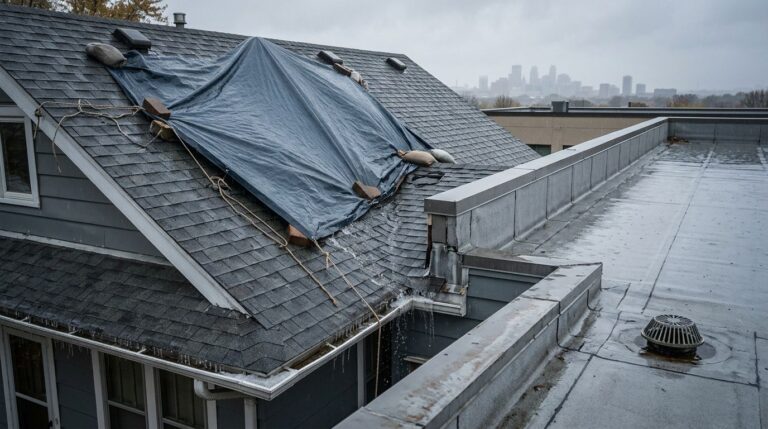
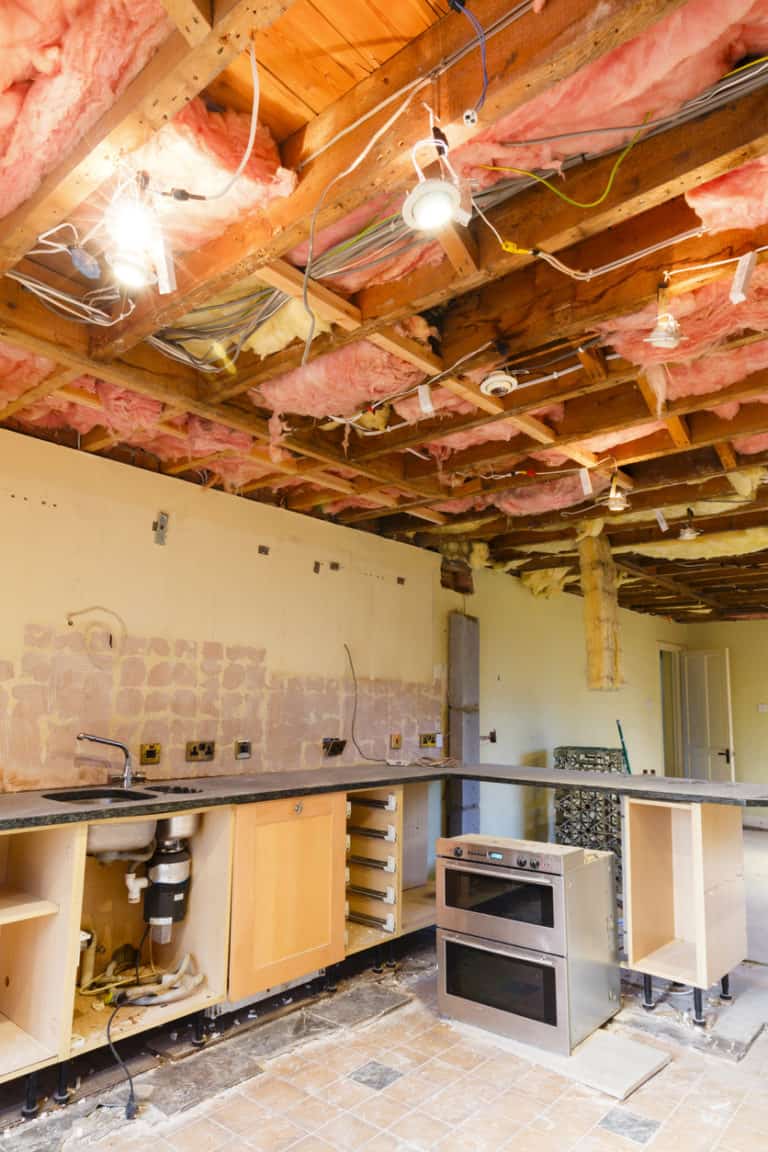
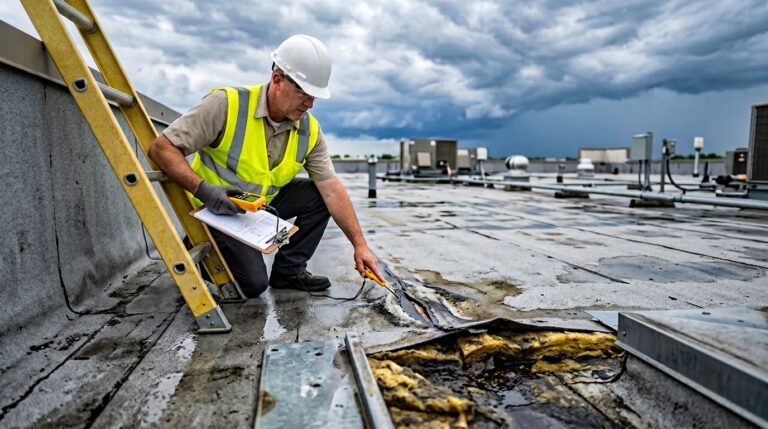
Roof leaks are among the most prevalent damage types. They generally occur because of clogged gutters, damaged flashing, or improper installation, which allow moisture to seep in through gaps or cracks. Typical signs include water stains on ceilings, damp spots in insulation, and sometimes mold growth or sagging roof decking.
Even algae around leak areas are a warning signal. A small leak can quickly escalate into major water damage and mold problems if not repaired promptly. Scheduling a professional roof inspection can help pinpoint the source so that repair measures—such as replacing damaged shingles, repairing flashing, or sealing gaps—can be initiated quickly.
How Do Missing Shingles Affect Your Roof?
Missing shingles expose the underlying roof underlayment to the elements, reducing the roof’s ability to shed water effectively and making it vulnerable to wind damage. When shingles are missing or damaged, the water-shedding system is compromised, leading to leaks and eventual structural damage. I have observed that even a few missing shingles can trigger widespread granule loss and underlayment deterioration.
Typically, missing shingles result from extreme weather, improper installation, or natural wear and tear. Regularly checking for and replacing missing or loose shingles is essential to maintain the protective barrier of your roof.
What Are the Signs of Hail Damage on Roofs?
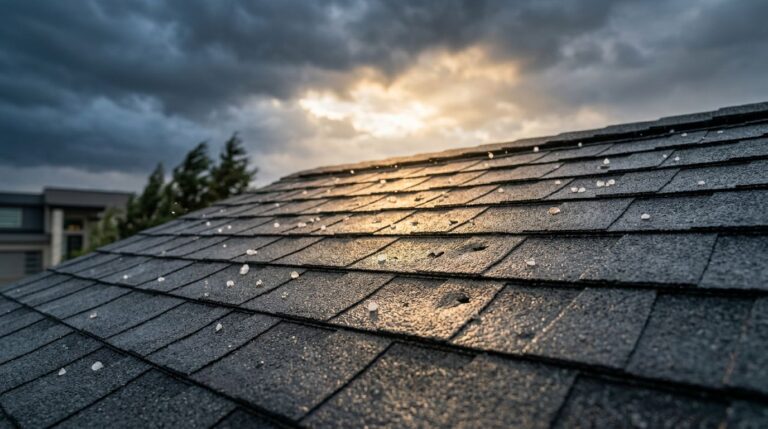
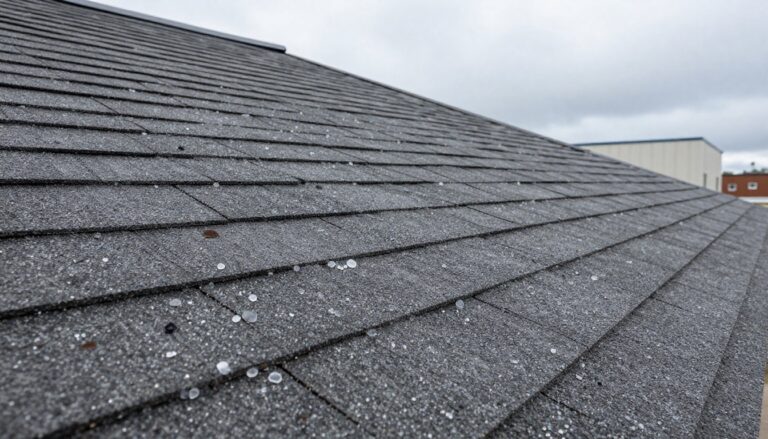
Hail damage usually appears as small dents, cracks, or dislodged shingles. A quick visual inspection will reveal a pattern of dings and puncture marks scattered across the roof surface. Over time, these impacts weaken the shingles and reduce water resistance.
In my professional experience, hail storms leave telltale dimpled patterns on metal roofs and cause granule loss on asphalt shingles. Even if the roof does not exhibit severe damage immediately, repeated hail strikes can significantly shorten its lifespan. After hail events, it is important to have a roofing contractor inspect the roof to document the damage for insurance and plan necessary repairs.
How Does Wind Damage Impact Roof Integrity?
High winds can lift or dislodge shingles and tiles, leading to gaps that allow water and debris to enter the roof structure. Wind damage may not be immediately visible until after another storm, but clues such as unusual noises during winds or an irregular roofline can alert you to the problem. Poor installation and aging materials exacerbate the effects of wind, increasing the risk of long-term structural failure. Regular maintenance and prompt repair after wind-related incidents are essential to avoid accelerated wear and tear.
How Do Cracked Tiles and How Do They Occur?
Cracked roof tiles often result from thermal expansion and contraction, constant mechanical stress, or minor impacts from falling debris. When tiles are repeatedly stressed by temperature fluctuations or forceful impacts, they become brittle and crack, compromising the roof’s waterproof barrier. Cracked tiles are a twofold issue: they allow water to penetrate and signal material deterioration. Regular inspections are crucial, especially in regions with extreme temperature changes. Repair options include replacing individual tiles or, if damage is extensive, replacing the entire roof system.
What Is Granule Loss and Why Does It Matter?
Granule loss is a common sign of aging in asphalt shingles. The granules protect the shingles from ultraviolet (UV) radiation and wear; when they are lost due to weather, hail, or wind impacts, the shingles become more susceptible to rapid deterioration. Visible signs include bald spots on shingles or granules accumulating in gutters. Significant granule loss shortens the roof’s lifespan and may necessitate early roof replacement. Regular monitoring and maintenance, such as re-coating or replacing shingles, can help manage this issue.
What Are the Main Causes of Roof Damage?
The root causes of roof damage include weather-related conditions, natural aging of materials, improper installation practices, and physical impacts like falling tree branches.
How Does Weather Cause Roof Damage?
Weather is the most uncontrollable factor affecting your roof. Severe weather such as heavy rain, hailstorms, snow, and extreme heat imposes stress on roofing materials. For example, intense UV rays break down the protective granules on shingles, while rapid temperature changes lead to contraction and expansion, causing cracks. Prolonged exposure to harsh weather can reduce the roof’s lifespan by up to 30%. Additionally, combinations of ice dams and high winds can compound damage over time. Regular maintenance and inspections, especially following severe weather events, are critical to mitigating such damage.
How Does Roof Age Contribute to Damage?
As roofs age, their materials lose elasticity and resilience. An older roof is more likely to have missing or cracked shingles, damaged underlayment, and weakened structural supports. Studies suggest that asphalt shingle roofs typically last 20 to 30 years, but neglecting maintenance can shorten this period. Regular inspections and routine upkeep can extend a roof’s service life; however, failure to address aging indicators may lead to disproportionate damage from minor weather events.
What Role Does Improper Installation Play in Roof Damage?
Improper installation is a preventable cause of many roof issues. Poor workmanship such as misaligned shingles, inadequate sealing around roof penetrations, or insufficient underlayment can create vulnerabilities that result in water leakage and premature granule loss. Even high-quality materials can fail if installed incorrectly. Therefore, hiring reputable and experienced roofing contractors who follow industry standards is imperative to ensure long-lasting roof performance and to support warranty and insurance claims.
How Can Tree Damage Affect Your Roof?
Trees near a building can pose a threat to roof integrity. Overhanging branches may rub against or even fall onto the roof during storms, causing physical damage like missing shingles or cracked tiles. Tree damage is often visible as dents, scratches, or dislodged sections of roofing material. Regular landscaping maintenance and periodic trimming of nearby trees can greatly reduce the risk of such damage and help prevent moisture infiltration into the roofing system.
How Can You Recognize the Signs of Roof Damage Early?
Early detection of roof damage is key to preventing costly repairs and ensuring safety. Recognizing early signs allows prompt intervention before problems worsen.
What Are the Visual Indicators of Roof Damage?
Visual indicators include missing or curled shingles, noticeable granule loss, and sagging or uneven roof lines. Other signs include water stains on interior ceilings, moss or algae growth on the roof surface, and damaged flashing around roof penetrations. A thorough visual inspection at least twice a year—during spring and fall—can help homeowners catch and address small issues before they evolve into more severe problems.
How Do Water Leaks Reveal Roof Problems?
Water leaks are a critical sign that the protective barrier of a roof has been compromised. Leaks may result from cracks, missing shingles, or damaged flashing and often lead to secondary issues such as mold growth, rotting timber, or damaged insulation in the attic. Homeowners should treat even small signs of water leakage as a warning signal and seek immediate repairs to prevent more extensive damage.
When Should You Schedule a Roof Inspection?
A roof inspection should be scheduled as soon as any signs of damage are detected, or after severe weather events like storms, heavy snowfall, or high winds. Routine annual inspections, supplemented by additional checks after harsh weather, can reveal hidden issues—such as damage under the shingles or problems with the underlayment—that are not visible from the ground. Early inspections help prevent minor problems from escalating into major repairs or even full roof replacement.
What Are Your Options for Repairing Roof Damage?
When roof damage is identified, homeowners have several viable repair options. The chosen solution depends on the extent of the damage, the affected components, and the overall condition and age of the roof.
When Is Roof Repair Enough vs. Replacement?
For simple, localized damage such as a few missing shingles or minor leaks, targeted repairs may be sufficient. In these cases, using patch repairs or replacing individual shingles can restore the roof’s integrity without the expense of a full replacement. However, if damage is widespread—characterized by extensive water infiltration, numerous cracked tiles, or significant granule loss—a complete roof replacement is often more cost-effective and structurally sound. A professional roofing contractor can help evaluate whether repair or replacement is the best long-term solution based on the overall condition of the roof.
How Do Professionals Repair Common Roof Damages?
Roof repair professionals address damage using several established techniques. Common methods include: • Replacing missing shingles or tiles • Resealing or replacing damaged flashing • Applying roof coatings to restore granule coverage • Patching cracks or holes in the roofing material
The process usually begins with a detailed inspection. Once the damage is assessed, professionals remove damaged sections and install new materials to maintain the roof’s slope and waterproof barrier. For example, if a leak is due to faulty flashing, the technician will remove the old, install new weather-resistant flashing, and ensure the area is properly sealed.
Can You Perform DIY Roof Repairs Safely?
DIY roof repairs may work for very minor issues if you have the necessary experience and equipment. However, due to the inherent risks of working at heights on steep slopes, major repairs should always be handled by professionals. Even seemingly simple repairs, like replacing a few shingles, carry risks of falls and further damage. For safety and lasting results, hiring a qualified contractor is advised. If attempting minor repairs yourself, always use a sturdy ladder, wear non-slip footwear, and ideally have a helper.
How Do You File an Insurance Claim for Roof Damage?
Filing an insurance claim for roof damage can be complex, but understanding the process and preparing proper documentation can streamline repairs and reduce out-of-pocket expenses.
What Documentation Is Needed for Roof Damage Claims?
To file a successful claim, compile clear evidence of the damage. This includes high-quality photos or video recordings, a detailed repair estimate from a licensed contractor, and any maintenance records that demonstrate the roof’s condition prior to the damage. Additional documents like the original roofing warranty and receipts for recent repairs can also strengthen your case. Organize all documentation with clear dates and descriptions to help the insurance adjuster quickly grasp the scope of the damage.
How Do Insurance Companies Assess Roof Damage?
After you submit the documentation, an insurance adjuster will inspect your roof, review your records, and compare the current condition to industry standards and your maintenance history. Their goal is to determine whether the damage is covered under your policy and to estimate repair or replacement costs. It is advisable to accompany the adjuster during the inspection to ensure all damage is accurately documented. If the initial settlement seems low, obtaining a second opinion from a trusted contractor can support further negotiations.
What Are Typical Roof Repair and Replacement Costs?
Roof repair costs vary widely. Minor repairs might range from a few hundred dollars up to about $1,500, while complete roof replacements for an average home can cost between $5,000 and $15,000 or more depending on materials and size. It is important to collect multiple estimates from licensed contractors to ensure that you are not overcharged and that the settlement covers the necessary repairs.
How Do You Choose the Right Roofing Materials and Contractors?
Choosing the right roofing materials and a reliable contractor is vital for both immediate repairs and long-term roof performance. Your decision should balance quality and cost-effectiveness, considering factors such as local climate and the specific type of damage you are addressing.
What Are the Best Roofing Materials for Durability?
The durability of roofing materials depends on regional conditions and your specific needs. Generally, high-quality options include metal roofs, slate, and premium asphalt shingles. Metal roofs are highly resistant to severe weather and can last over 50 years, while slate offers exceptional longevity, sometimes exceeding 100 years when properly maintained. Premium asphalt shingles offer a cost-effective balance of durability, typically lasting 25 to 30 years. Consulting with an experienced contractor can help you select materials best suited to your environment and budget.
How Do You Find a Reliable Roofing Contractor Near You?
A reliable contractor is one with proper licensing, insurance, and a solid reputation. Research local roofing companies by reading customer reviews, asking neighbors for referrals, and verifying credentials. Look for contractors who provide detailed written estimates, clear timelines, and warranties on both materials and workmanship. Comparing at least three contractors can help ensure you choose a company that will effectively manage your repair or replacement project.
What Questions Should You Ask Your Roofing Contractor?
When interviewing potential contractors, ask clear and direct questions about their experience, the materials they recommend, expected project timelines, warranty details, and their process for handling unexpected issues. Questions such as “How do you handle unforeseen problems?” or “What warranty do you offer on your work?” can help ensure that you hire someone with the necessary expertise and reliability.
What Are Frequently Asked Questions About Roof Damage?
Q: What Are the Early Warning Signs of Roof Damage? A: Early warning signs include missing or curled shingles, visible granule loss, and water stains on interior ceilings. Recognizing these symptoms early allows for prompt repairs before minor issues escalate into significant structural damage.
Q: How Long Does Roof Damage Take to Worsen? A: The progression of roof damage varies widely. Small leaks may worsen over several months, while damage from hail or wind can deteriorate rapidly within days or weeks if not addressed. Timely repairs are crucial to prevent further structural issues.
Q: Can Roof Damage Affect Home Insurance Premiums? A: Yes, persistent roof problems or multiple insurance claims can lead insurers to view your property as a higher risk, potentially increasing your premiums. Regular maintenance and timely repairs may help mitigate these increases.
Q: How Often Should You Inspect Your Roof for Damage? A: It is recommended to inspect your roof at least once a year and after any major storm or severe weather event. Professional inspections conducted biannually can help detect hidden issues early.
Q: What Are the Most Cost-Effective Ways to Repair Roof Damage? A: Addressing minor damage promptly is typically the most cost-effective strategy. Routine maintenance, obtaining multiple repair estimates, and using high-quality materials can reduce the need for expensive replacements over time.
Q: How Can I Ensure My Roofing Contractor is Reliable and Trustworthy? A: Research is key. Verify that the contractor is licensed and insured, read customer reviews, ask for referrals, and get detailed written estimates and warranty information. This due diligence can help ensure you hire a contractor with a proven track record.
Final Thoughts
Maintaining a healthy roof is essential for protecting your home and ensuring long-term savings. In this article, I have detailed the common types of roof damage, their causes, and effective repair solutions while guiding you through the insurance claim process and the selection of materials and contractors.
By addressing issues early and keeping up with regular maintenance, you can extend your roof’s lifespan and avoid major structural failures. I genuinely hope these insights empower you to take informed action and keep your roof safe and durable for years to come.
Need a roof inspection in Saint Paul or the Twin Cities? Call Sellers Roofing Company at +1-651-703-2336 or schedule a free estimate. We are a black-owned, NMSDC-certified MBE roofing contractor with 9+ years experience.