Last updated: 2026-08-25 by Ted Sellers, Owner
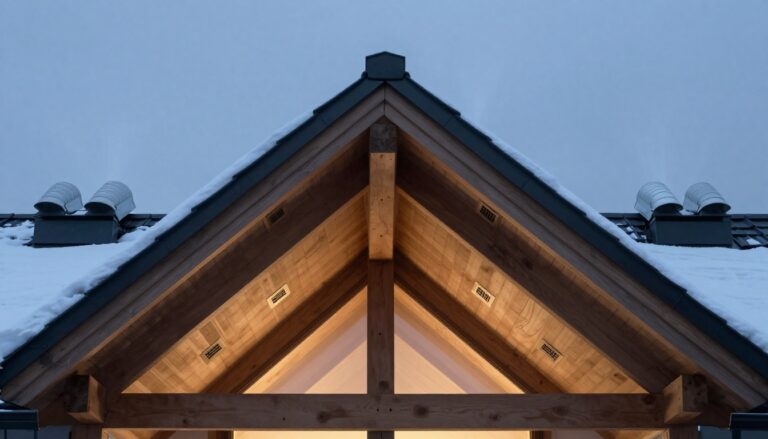
A porch roof should be designed as a structural addition, not simply attached wherever it looks convenient. The plan must account for support, roof-to-wall flashing, drainage, snow, window clearance, the existing house structure, and local permit requirements.
Before buying materials or cutting rafters, decide how the new roof will transfer its load to the ground and how water will move away from the house. A qualified builder or structural professional should review the plan when the porch roof attaches to the home or changes an existing roofline.
What should you plan before building a porch roof?
Start with the attachment, support, slope, drainage, and permit path. These choices determine whether the porch roof will protect the house or create a future leak and structural problem.
- Roof style: A shed, gable, or another style must work with the house proportions and available clearance.
- Structural support: Posts, beams, connections, and foundations need to carry the roof load safely.
- Existing wall and roof condition: Damaged siding, loose flashing, or a leaking roof should be corrected before the addition is tied in.
- Water management: The new roof must direct water to an appropriate gutter, eave, drain, or other approved path.
- Clearances: Windows, vents, electrical equipment, walkways, and roof transitions can affect the design.
Does a porch roof need to match the main roof pitch?
No—matching the main roof pitch is not automatically required. The practical pitch depends on the roof design, available vertical clearance, roofing material, drainage details, and the way the new roof connects to the house.
What matters most is that the selected roof covering is approved for the final slope and that the connection at the wall or existing roof is detailed to shed water. A visually attractive match is helpful, but it should not override a workable structure or drainage plan.
How does a porch roof connect to a house?
The connection needs to be designed so water stays on the exterior side of the weather barrier. Flashing, underlayment transitions, siding details, and the roof covering all need to work together.
| Connection issue | Why it matters |
|---|---|
| Wall flashing | Water can enter behind siding if the flashing and water-resistive barrier are not integrated correctly. |
| Roof-to-roof transition | Intersections can concentrate water and debris, making leak details more important. |
| Posts and supports | Support locations affect the roof load path and can interfere with gutters or drainage. |
| Gutters and downspouts | New roof runoff should not spill against the foundation or onto a lower roof. |
What are the usual steps in a porch-roof project?
The construction sequence should come from approved plans and the applicable product instructions. At a high level, a typical project follows this order:
- Confirm the design and approvals. Establish the roof size, support path, slope, materials, and permit requirements.
- Prepare the support system. Build the foundation, posts, beams, and connections according to the approved design.
- Frame the roof. Install rafters or trusses and provide the required bracing and sheathing.
- Integrate the roof with the house. Coordinate flashing, underlayment, siding, and drainage details before the final roof covering conceals them.
- Install the roof covering and water-management components. Follow the selected material’s instructions for slope, fastening, flashings, gutters, and edge details.
- Inspect the finished work. Confirm that water flows away from the home and that transitions, penetrations, and gutters remain accessible.
Common porch-roof mistakes
- Treating the roof as a cosmetic add-on. A porch roof carries snow, wind, and dead loads that need a real support path.
- Adding a low slope without checking the roof material. Shingles and other products have different slope requirements.
- Skipping the flashing plan. The roof-to-wall connection is often the most important waterproofing detail.
- Directing water onto a lower roof or against the foundation. New drainage must be planned, not left to chance.
- Covering existing deterioration. Repair rot, leaks, and damaged siding before the addition makes access harder.
Do you need a permit for a porch roof in St. Paul?
Porch-roof work commonly involves permitting and inspection requirements, but the exact path depends on the property and project scope. Confirm the current requirements with Saint Paul Safety & Inspections before construction begins.
The Minnesota Residential Code is also a useful reference, but it does not replace a site-specific review or an approved set of plans.
When should a roofer be involved?
Bring in a roofer before the porch roof is flashed into an existing house wall or roofline. A roof assessment can identify current leaks, damaged flashing, drainage issues, and conditions that should be corrected before the addition is built.
For existing roof concerns, visit our roof leak source guide or St. Paul roof repair page. To discuss a roof-related project, request a written roofing estimate.
Frequently asked questions
Can I attach a porch roof to my house?
Often, yes—but the connection, support, drainage, and flashing need a project-specific design. Do not rely on a generic framing diagram for a load-bearing addition.
What roof material should I use on a porch roof?
Choose a material approved for the finished slope and exposure conditions. The roof covering, underlayment, flashings, and edge details must work as a complete system.
Can a porch roof cause a leak in the house?
Yes, poor roof-to-wall flashing or drainage can create leaks. Coordinate the weather barrier, flashing, and roof covering before the connection is closed up.
Need a roof inspection in Saint Paul or the Twin Cities? Call Sellers Roofing Company at +1-651-703-2336 or schedule a free estimate. We are a black-owned, NMSDC-certified MBE roofing contractor with 9+ years experience.