Last updated: 2026-05-26 by Ted Sellers, Owner
How to Extend Your Commercial Roof Lifespan: Proven Strategies for Lasting Durability and Cost Savings
A failing commercial roof can lead to costly repairs, energy waste, and business interruptions—but a strategic care plan can add years of service life and protect your bottom line. In this guide, we define the key factors that influence roof durability, explain why expert installation and regular maintenance are essential, compare material lifespans, outline coating and drainage solutions, and show how an asset management program maximizes longevity and budget efficiency. We also cover partner selection, energy-saving practices, and the step-by-step process for a proactive maintenance plan that works for any climate or building type—helping you learn how to extend roof lifespan with confidence.
What Factors Affect the Lifespan of a Commercial Roof?
Commercial roof longevity depends on material quality, installation expertise, environmental exposure, rooftop activity, and maintenance habits. Understanding these lifespans drivers creates a foundation for targeted care that extends service life and reduces total cost of ownership.
How Does Roofing Material Influence Commercial Roof Longevity?
Roofing material quality determines resistance to UV exposure, temperature swings, and physical stress, directly extending lifespan by up to 50 percent under proper care.
Before comparing products, consider these average lifespan ranges:
Roofing Material Lifespan
The lifespan of roofing materials varies significantly, with EPDM lasting 20–50 years, TPO/PVC 20–30 years, metal 30–60+ years, modified bitumen 20–30 years, and built-up roofs 20–30 years. Selecting the right material is essential for long-term performance.
This citation supports the article’s claims about the varying lifespans of different roofing materials, which is a key factor in extending a commercial roof’s lifespan.
These material lifespans show why selecting the right membrane is essential for long-term performance. Next, we examine how installation quality secures those material benefits.
Why Is Professional Installation Critical for Roof Lifespan?
Professional installation guarantees proper membrane adhesion, precise flashing, and correct drainage placement—ensuring the roof system resists leaks and wind uplift.
- Certified contractors follow manufacturer guidelines for fasteners and seam welding.
- Accurate substrate preparation prevents membrane wrinkling and ponding.
- Factory-trained crews minimize defects that lead to moisture intrusion.
Quality installation prevents premature failures and protects warranty coverage, laying the groundwork for effective maintenance schedules.
How Do Climate and Weather Conditions Impact Roof Durability?
Climate factors like UV intensity, freeze-thaw cycles, snow load, and heavy rain directly erode roofing materials and accelerate aging.
- UV radiation breaks down polymers in membranes, causing brittleness.
- Repeated freeze-thaw action can crack asphalt layers.
- Excessive snow weight stresses structural components.
- Wind-driven rain can force water under improperly sealed details.
Recognizing local weather risks guides material selection and seasonal maintenance priorities, improving performance in harsh environments.
What Role Does Foot Traffic and Rooftop Equipment Play in Roof Wear?
Rooftop foot traffic and HVAC equipment movement cause membrane abrasion, punctures, and seam stress that reduce service life.
- Regular footpaths wear protective coatings and expose substrates.
- Unprotected equipment feet create pressure points and tears.
- Improperly anchored conduits and piping can shift under wind loads.
Installing designated walkpads and securing equipment with vibration-damping mounts prevents physical damage and preserves the membrane’s integrity.
How Does Maintenance Frequency Affect Roof Lifespan?
Consistent inspections and upkeep interrupt the damage cycle, extending roof life by up to 10 years through early issue resolution.
- Semi-annual professional inspections catch small leaks and seam issues.
- Quarterly debris removal and drain cleaning prevent ponding water.
- Prompt membrane repairs stop moisture intrusion before substrate rot.
Frequent maintenance fosters a proactive care culture that keeps the roof performing at peak efficiency.
What Are the Best Commercial Roof Maintenance Practices to Extend Lifespan?
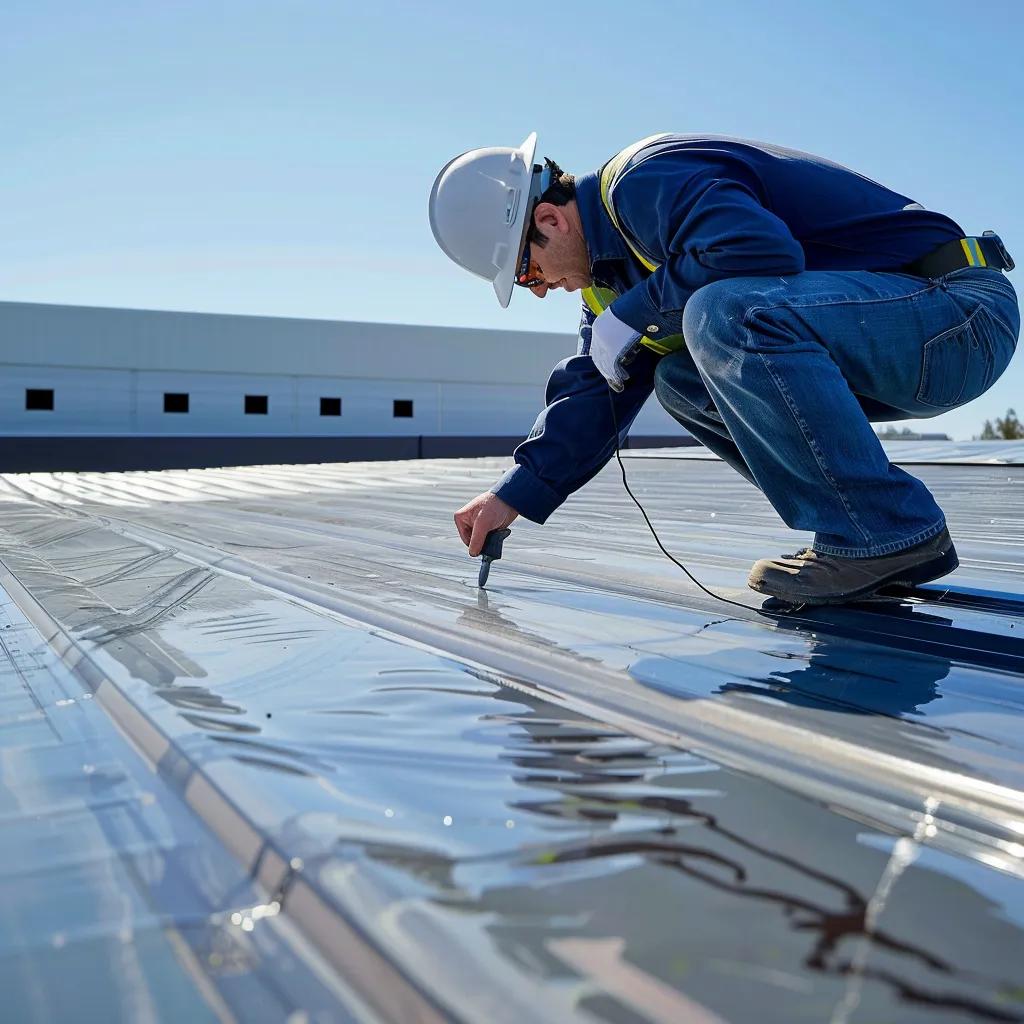
A structured maintenance program combines regular inspections, debris management, leak detection, seasonal tuning, and drainage optimization to preserve membrane health and avoid costly restorations.
How Often Should You Schedule Commercial Roof Inspections?
Semi-annual roof inspections deliver systematic condition assessments and catch emerging issues before they escalate.
- Spring inspection checks for winter storm damage, membrane cracks, and flashing failures.
- Fall inspection prepares the roof for freeze-thaw cycles and heavy precipitation.
Include interior moisture surveys, infrared scans, and seam pull tests.
These biannual checkpoints maintain system performance and support long-term durability.
What Are the Key Steps in Routine Roof Cleaning and Debris Removal?
Effective cleaning removes organic buildup and trash that trap moisture and encourage membrane degradation.
- Clear loose debris such as leaves, branches, and litter from the roof surface.
- Flush drains and scuppers to ensure unimpeded water flow.
- Hand-remove stubborn dirt in low spots with soft-bristle brushes.
- Inspect and tighten anchor plates on rooftop equipment during cleaning.
By eliminating ponding risks and abrasion sources, routine cleaning sustains material resilience and defers premature replacement.
How Can Prompt Leak Detection and Repair Prevent Major Damage?
Early leak identification and sealing stops water from undermining insulation, deck structure, and interior finishes, saving repair costs.
- Use moisture-sensing tools and infrared scans to pinpoint trapped water.
- Seal minor membrane punctures with compatible patch kits.
- Reinforce worn flashing around penetrations immediately.
Addressing leaks within days of discovery preserves substrate integrity and avoids extensive restoration projects.
What Seasonal Maintenance Tips Help Protect Your Commercial Roof?
Seasonal tuning adapts maintenance tasks to weather-driven risks, optimizing performance year-round.
- Winter prep: Clear snow accumulations and check for ice dams.
- Spring cleanup: Remove winter debris and evaluate seam adhesives.
- Summer check: Inspect for UV-related cracking and recoat vulnerable patches.
- Fall service: Ensure drains and gutters are clear before heavy rains.
Adapting maintenance to seasonal cycles wards off climate stressors and extends membrane life.
How Do You Optimize Drainage Systems to Avoid Ponding Water?
Efficient drainage prevents water from pooling and eroding the membrane, directly reducing wet-area wear and leaks.
Cultivating clear drainage channels eliminates standing water, sustaining membrane strength and avoiding moisture-related deterioration.
Which Commercial Roofing Materials Offer the Longest Lifespan and How Should They Be Maintained?
Each commercial roofing product delivers distinct lifespan ranges and care protocols that maximize durability when followed correctly.
What Is the Lifespan and Care for EPDM Commercial Roofs?
EPDM roofs typically last 20–50 years and maintain flexibility under temperature extremes through a single-ply rubber membrane.
- Clean with mild detergent and soft brushes to prevent membrane abrasion.
- Inspect seams and edge flashes for adhesive bond strength.
- Apply manufacturer-approved patch compounds to repair small tears.
Routine cleaning and seam checks preserve EPDM elasticity and protect against UV-induced cracking.
How Do TPO and PVC Roofs Compare in Durability and Maintenance?
TPO and PVC roofs deliver 20–30 years of service life with heat-welded seams that resist chemical exposure and punctures.
- Verify seam weld integrity with seam-peel tests.
- Clear debris that can abrade white TPO surfaces.
- Use reflective maintenance coatings to restore UV resistance.
These single-ply systems combine seam strength with reflective properties to manage heat and extend membrane health.
What Are the Benefits and Lifespan of Metal Commercial Roofs?
Metal roofing systems last 30–60+ years by combining corrosion-resistant alloys with interlocking panels that shed water quickly.
- Inspect fasteners and panel seals annually for corrosion.
- Reapply factory-approved coatings to maintain finish warranty.
- Clear debris from panel seams to prevent moisture traps.
Metal roofs require minimal upkeep but benefit from periodic recoating to prevent oxidation and preserve reflectivity.
How Should Modified Bitumen and Built-Up Roofs Be Maintained?
Modified bitumen and BUR systems last 20–30 years when membrane granules and surfacing layers are intact.
- Inspect surfacing for granule loss and apply mineral surfacing repair patches.
- Check gravel ballast levels on BUR to protect waterproof layers.
- Reinforce flashing laps with cold-applied sealants.
Maintaining surface integrity and ballast prevents UV damage and protects the waterproof core.
How to Choose the Right Roofing Material for Longevity and Climate?
Selecting the optimal roofing material aligns lifespan potential with local weather stressors and building usage patterns.
- In hot, sunny regions, favor reflective TPO/PVC to reduce heat absorption.
- In cold climates with heavy snow, consider metal or EPDM for snow-shed performance.
- For chemical-exposed rooftops, PVC’s weld strength and chemical resistance are ideal.
Matching membrane characteristics to climate drivers delivers maximum durability and energy performance.
How Do Commercial Roof Coatings Extend Roof Lifespan and Improve Energy Efficiency?
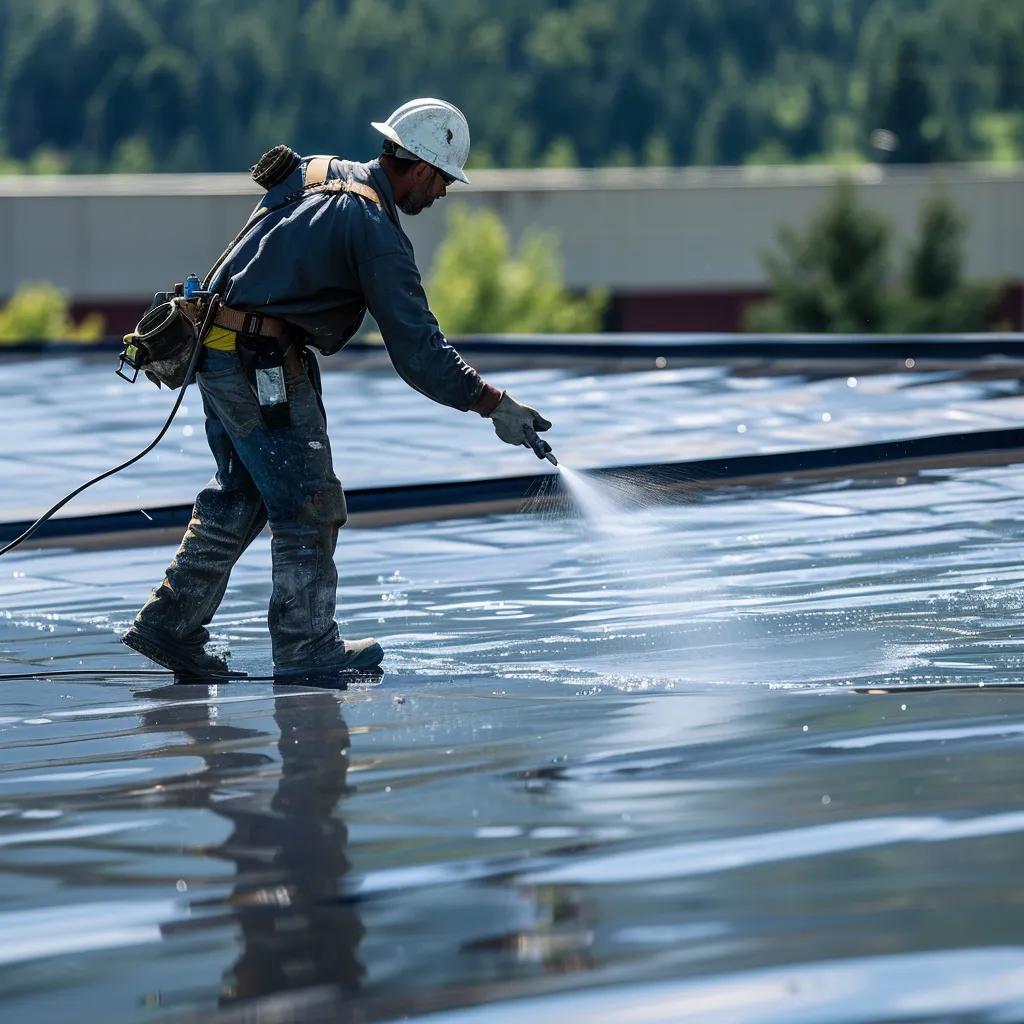
Commercial roof coatings add protective layers that shield membranes from UV, water intrusion, and heat stress—often adding 10–20 years of service life and cutting energy costs.
What Types of Roof Coatings Are Most Effective for Commercial Roofs?
Silicone, acrylic, and polyurethane coatings each provide distinct durability and energy benefits through specialized chemistries.
- Silicone: Exceptional ponding water resistance and UV stability.
- Acrylic: Cost-effective reflectivity and ease of recoat application.
- Polyurethane: High abrasion resistance for traffic-prone areas.
Choosing the right coating aligns maintenance budgets with projected service-life increases and energy-saving goals.
How Do Roof Coatings Protect Against UV Damage and Water Intrusion?
Coatings form seamless, elastomeric membranes that reflect UV rays and seal micro-cracks to block moisture pathways.
- Reflective pigments reduce surface temperatures and thermal stress.
- Seamless film closes hairline membrane fractures.
- Hydrophobic chemistry repels standing water.
These protective mechanisms slow material degradation and prevent leak initiation.
What Energy Savings Can Reflective Roof Coatings Provide?
Reflective coatings can reduce rooftop temperatures by up to 50 percent, cutting building cooling loads by 10–40 percent.
- White silicone and acrylic formulations reflect up to 85 percent of solar radiation.
- Lower surface heat transfer reduces HVAC runtime.
- Energy savings offset coating investment in 2–5 years.
Energy Savings from Reflective Coatings
Reflective coatings can reduce rooftop temperatures by up to 50 percent, potentially cutting building cooling loads by 10–40 percent. White silicone and acrylic formulations reflect up to 85 percent of solar radiation, leading to significant energy savings.
This citation supports the article’s discussion on the energy-saving benefits of reflective roof coatings, which is a key strategy for extending roof lifespan and improving building performance.
Energy-efficient coatings turn the roof into a passive cooling asset that extends membrane life.
How Long Do Roof Coatings Typically Extend Roof Life?
A properly applied roof coating can add 10–20 years of effective service life by reinforcing membrane resilience and slowing UV-driven aging.
- Silicone coatings often extend EPDM life by 15–20 years.
- Acrylic systems can add 10–15 years to BUR membranes.
- Polyurethane coatings boost modified bitumen lifespans by up to 12 years.
These lifespan extensions defer major re-roof projects and conserve materials.
What Are Common Commercial Roof Problems and How Can They Be Prevented or Fixed?
How Do Leaks Develop and What Are Their Early Warning Signs?
Leaks emerge when membrane breaches or flashing failures permit water ingress—often signaled by blistering, discoloration, or interior stains.
- Blisters form where trapped moisture expands under heat.
- Dark patches on membrane indicate ponded water.
- Ceiling stains reveal active drips.
Timely monitoring and patch repairs halt water entry and prevent substrate decay.
What Causes Ponding Water and How Does It Damage Roofs?
Ponding occurs when low spots or clogged drains trap water, promoting membrane softening and accelerated wear.
- Sediment buildup in scuppers reduces drainage capacity.
- Insufficient roof slope fails to shed rain.
- Debris dams around drains obstruct flow.
Persistent standing water breaks down adhesives and invites leaks, so slope corrections and drain clearing are critical.
How Can Membrane Damage and Flashing Failures Be Avoided?
Proper membrane tensioning and secure flashing installation eliminate tear points and water entry paths.
- Use manufacturer-approved fasteners with neoprene washers.
- Seal transitions around curbs and penetrations with compatible mastics.
- Reinforce vulnerable edges with metal or polymer flashings.
Preventative detailing and quality materials safeguard seam and edge integrity.
What Are Effective Repair Strategies to Prolong Roof Life?
Targeted repair tactics restore membrane continuity and halt damage progression with minimal disruption.
- Localized Patch Repairs: Clean, prime, and apply matching membrane patches over small tears.
- Flashing Resealing: Remove failed sealant and reapply compatible flashing mastic.
- Cricket and Slope Correction: Install tapered insulation to redirect water flow.
- Coating Overlays: Broadcast reinforcing fabric in high-stress areas before recoating.
Implementing these repairs early maintains roof performance and postpones full replacement.
How Can a Commercial Roof Asset Management Program Maximize Roof Longevity and Budget Efficiency?
A structured asset management program integrates inspection data, warranty tracking, and budgeting forecasts to optimize maintenance schedules and capital planning.
What Is Included in a Commercial Roof Asset Management Program?
An asset management program provides:
- Centralized roof condition database and digital inspection reports.
- Scheduled maintenance alerts tied to warranty milestones.
- Budget forecasting for repair, coating, and replacement cycles.
- Risk assessments for climate impacts and equipment activity.
How Does Asset Management Help Preserve Roof Warranties?
Programmed inspections and documented maintenance actions satisfy warranty service requirements and extend coverage periods.
- Logged inspection dates demonstrate preventative care.
- Verified repair records meet manufacturer guidelines.
- Automated reminders prevent lapses in planned maintenance.
Maintaining strict service records protects warranty claims and reduces out-of-pocket expenses.
What Are the Long-Term Cost Savings of Proactive Roof Management?
Proactive asset management can lower lifecycle costs by up to 30 percent through optimized repair timing and extended service intervals.
- Avoid expensive emergency restorations by planning minor repairs.
- Delay capital replacement projects by 5–10 years with coating overlays.
- Reduce energy consumption through scheduled energy-saving upgrades.
These savings justify program investments and demonstrate clear return on maintenance budgets.
Why Is Partnering with a Qualified Commercial Roofing Contractor Essential for Roof Longevity?
Selecting an experienced, locally focused contractor ensures expert system installation, reliable maintenance, and warranty compliance that protect your investment.
How Do You Choose a Reliable Commercial Roofing Contractor?
Reliable contractors combine certifications, local references, and transparent processes to deliver consistent quality.
- Verify manufacturer certifications for materials installed.
- Review project portfolios demonstrating climate-specific solutions.
- Confirm liability insurance and bonding.
- Check local customer testimonials for Wayzata and St. Paul projects via our “Wayzata commercial roofing services.”
Partnering with a proven specialist ensures professional care and peace of mind.
What Should You Know About Commercial Roof Warranties?
Commercial roof warranties vary by membrane type, installation method, and maintenance compliance, covering labor, materials, or both.
- Manufacturer warranty covers material defects for 10–20 years.
- Workmanship warranty covers installation errors, typically 2–5 years.
- Maintenance-compliance clauses require documented service schedules.
Understanding warranty terms and adhering to service requirements preserves coverage and prevents voided claims.
How Do Professional Services Improve Maintenance and Repair Outcomes?
Expert roofing teams deliver precision repairs, accurate moisture diagnostics, and efficient coatings application—minimizing downtime and maximizing durability.
- Technicians use infrared scanning to detect hidden wet areas.
- Certified applicators ensure seamless coating thickness.
- Safety-certified crews maintain on-site protocols, reducing liability.
Professional services reinforce system reliability and extend roof life through specialized skills and equipment.
How Does Energy Efficiency Influence Commercial Roof Lifespan and Building Performance?
Energy-efficient roofing materials and practices reduce thermal stress on membranes while cutting building operating costs and environmental impact.
What Are Reflective Roofing Materials and Cool Roof Solutions?
Reflective products like white TPO and silicone coatings reflect solar radiation to lower surface temperatures and slow material degradation.
- Reflectivity ratings (SRI) above 100 signal high cooling performance.
- Cool roof systems can reduce roof surface temperatures by 40–60 °F.
- Lower thermal expansion cycles preserve membrane elasticity.
Integrating cool roof solutions enhances roof durability and supports sustainability goals.
How Do Proper Insulation and Ventilation Protect Roof Health?
Balanced insulation and ventilation control heat flow and moisture build-up, preventing condensation and membrane stress.
- Adequate R-value insulation reduces internal heat transfer.
- Roof vents or mechanical systems expel trapped moisture.
- Continuous airflow limits underside condensation on cold deck systems.
These thermal controls stabilize membrane temperatures and prevent substrate rotting.
What Local Energy Incentives Support Energy-Efficient Roofing?
Utility rebates and government programs often reward reflective coatings, insulation upgrades, and cool roof installations with financial incentives.
- Minnesota’s energy conservation rebates can cover up to 30 percent of coating costs.
- Commercial property tax credits support building envelope improvements.
- Local utility providers offer rebates for verified energy savings.
Leveraging incentives lowers project costs and accelerates return on investment for energy-efficient upgrades.
What Are the Key Steps to Implement a Proactive Commercial Roof Maintenance Plan?
A proactive plan combines scheduled inspections, comprehensive checklists, condition monitoring, and smart repair-versus-replace decisions to maintain peak performance.
How to Develop a Semi-Annual Roof Inspection Schedule?
Building a semi-annual schedule ensures inspections occur at optimal times for weather-related risk mitigation.
- Spring: Assess winter freeze-thaw damage and clear ice dams.
- Fall: Prepare for heavy rain and snow by checking drainage and seals.
- Link calendar alerts to digital inspection reports for accountability.
Consistent scheduling embeds maintenance into facility operations and safeguards roof health year-round.
What Should a Comprehensive Maintenance Checklist Include?
A complete checklist covers membrane condition, flashing integrity, drainage performance, and rooftop equipment interface.
- Membrane inspection for punctures, blisters, and cracks.
- Flashing review around curbs, drains, and penetrations.
- Drainage check of gutters, scuppers, and internal drains.
- Equipment mounts inspection for secure attachment and vibration damage.
This checklist guides systematic reviews and ensures no critical element is overlooked.
How to Monitor and Document Roof Condition Over Time?
Digital condition tracking with photos, moisture scans, and repair logs creates a clear performance history.
- Store reports in a centralized asset management platform.
- Tag issues by location using roof-plan schematics.
- Compare seasonal scans to identify trending concerns.
Ongoing documentation reveals pattern failures and informs targeted maintenance improvements.
When Should You Consider Roof Replacement Versus Repair?
Evaluating membrane condition, cumulative repair cost, and remaining warranty informs replacement timing for cost efficiency.
- If repair costs exceed 50 percent of replacement value, plan for renewal.
- When membrane patches become frequent, replacement restores system integrity.
- Warranty expiration often triggers replacement budgeting.
Making data-driven decisions prevents costly emergency replacements and optimizes lifecycle spending.
Regular, expert-guided maintenance focused on these key steps preserves membrane performance, maximizes energy savings, and ensures your commercial roof delivers reliable protection for years to come.
Need a roof inspection in Saint Paul or the Twin Cities? Call Sellers Roofing Company at +1-651-703-2336 or schedule a free estimate. We are a black-owned, NMSDC-certified MBE roofing contractor with 9+ years experience.