Last updated: 2026-05-26 by Ted Sellers, Owner
How to Prepare Your Roof for Severe Weather: Essential Preventive Measures for Harsh Climates
Preparing your roof for severe weather is the most effective way to protect your home against the region’s freeze-thaw cycles, heavy snowfall, high winds, hail, and prolonged rain. In this guide, I explain how proactive roof preparation—covering inspection, gutter maintenance, landscaping control, material upgrades, attic health, post-storm response, expert partnerships, and year-round monitoring—will reduce repair costs, enhance safety, extend your roof’s lifespan, and smooth insurance claims. By following these preventive measures for roofing in harsh climates, you’ll build climate resilience from inspection to reinforcement.
Why Is Proactive Roof Preparation Crucial for Severe Weather in St. Paul?
Proactive roof preparation defines whether your home weathers Minnesota’s extreme conditions or suffers costly damage.
How Does Minnesota’s Climate Affect Roof Durability?
Minnesota’s freeze-thaw cycles, heavy snow loads, and hail storms accelerate shingle wear and compromise flashing seals. Ice dams form when trapped heat melts roof snow, refreezing at eaves and forcing water under shingles. Strong winds can lift edges, causing granule loss and exposing decking. Understanding this climate-roof interaction drives targeted reinforcement and material selection to support long-term durability.
What Are the Benefits of Preparing Your Roof Before a Storm?
Preparing your roof before a storm reduces repair expenses by catching small issues early, improves family safety by preventing leaks and collapse, and strengthens your position during insurance claims. It also enhances energy efficiency by sealing gaps and securing insulation. These advantages collectively protect your investment and provide peace of mind when severe weather arrives.
How Do Severe Weather Events Cause Roof Damage?
Severe wind gusts can peel back shingles and damage underlayment, hailstones dent or crack roofing materials, and driving rain exploits flashing gaps to leak into attics. Heavy snow adds weight that stresses rafters and leads to sagging or collapse. Recognizing each event’s damage mechanism helps prioritize inspections, material upgrades, and structural reinforcements before the next storm.
How to Conduct Thorough Roof Inspections for Storm Readiness
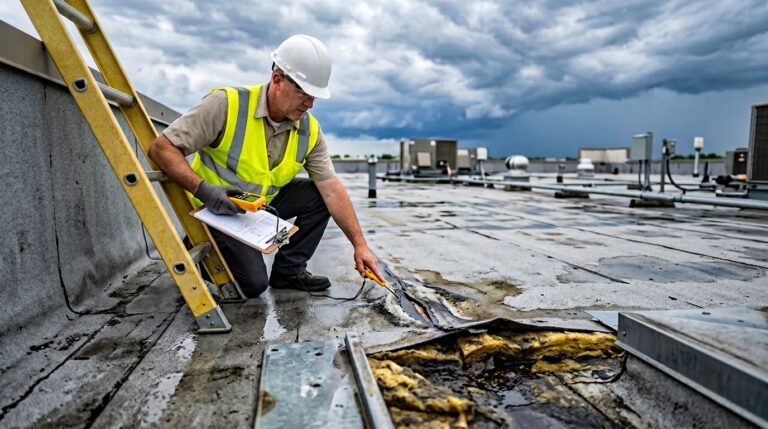
A thorough roof inspection combines visible checks with structural assessments to identify vulnerabilities before damage escalates.
What Are the Key Signs of Roof Damage to Look For?
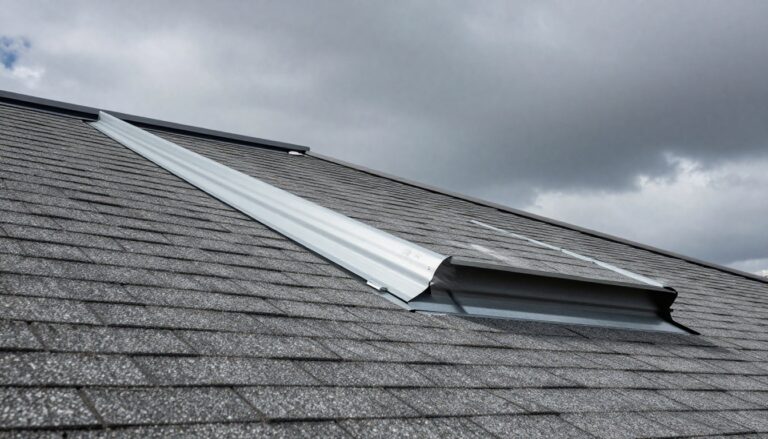
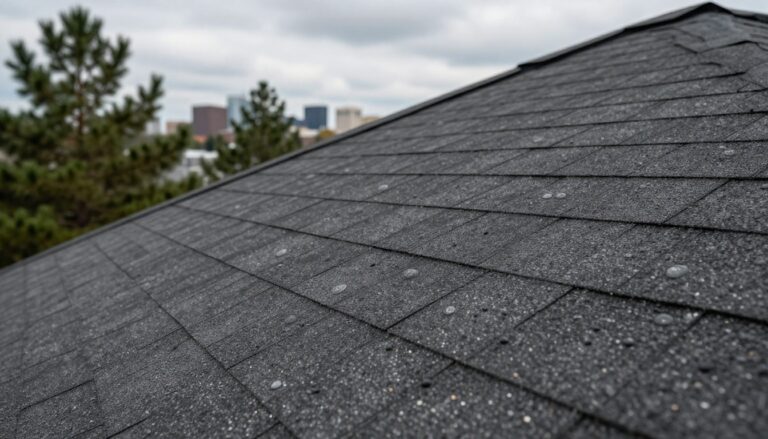
Look for cracked, curled, or missing shingles that expose underlying layers, granule accumulation in gutters signaling wear, damaged flashing around chimneys and vents, sagging decking, and evidence of leaks or water stains inside your attic. These visual cues reveal where moisture or wind can infiltrate and guide immediate repairs.
When Should You Call a Professional for a Roof Inspection?
Call a professional when you notice structural sagging, extensive shingle loss, rusted or loosened flashing, attic moisture accumulation, or after any severe hail or wind event. Licensed inspectors have safety equipment and moisture-detection tools to uncover hidden damage that DIY checks can miss.
How Often Should Roof Inspections Be Scheduled for Severe Weather?
I recommend scheduling a professional roof inspection at least once a year—ideally in early spring before snowmelt and again in late fall before freeze-thaw cycles begin—to catch emerging issues. An additional inspection after any major storm event prevents minor damage from becoming costly repairs.
Roof Inspection Frequency
Professional roof inspections are recommended at least twice a year, ideally in spring and fall, to identify and address potential issues before they escalate [7, 12, 14, 16, 18]. Additional inspections are crucial after severe weather events to assess any damage [7, 12, 16].
This research supports the article’s advice on the importance of regular roof inspections.
How to Optimize Gutters and Drainage Systems to Protect Your Roof
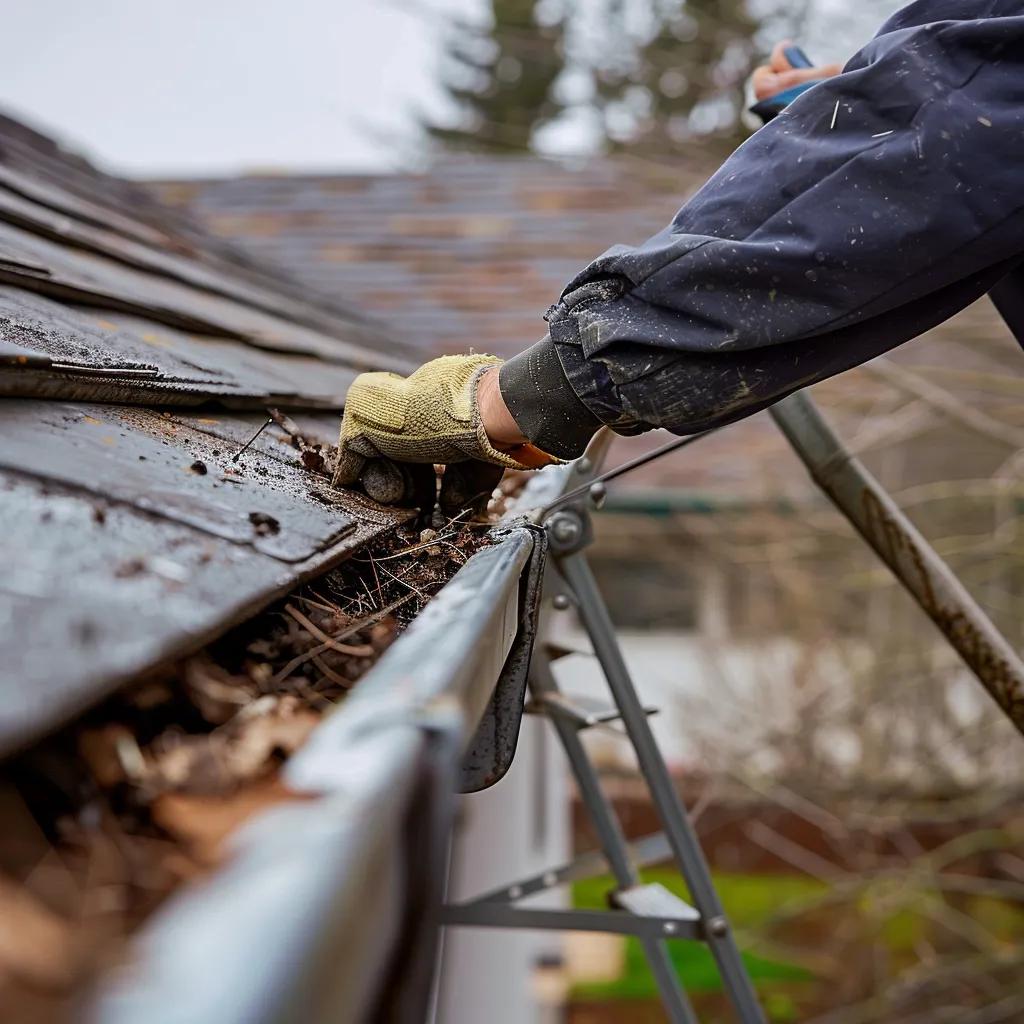
Clean, well-functioning gutters and downspouts move water away from your roof and foundation, preventing leaks and structural damage.
Why Are Clean Gutters Essential Before Severe Weather?
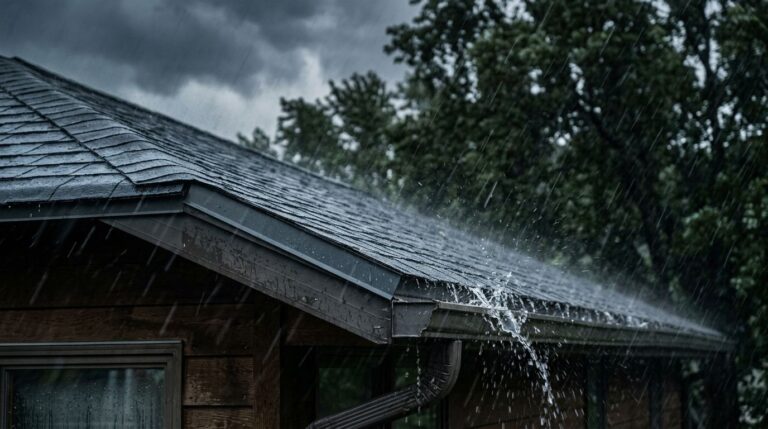
Clogged gutters lead to water backup under shingles and into fascia boards, increasing rot and leak risk. Ice buildup in blocked gutters can weigh down and detach gutter sections. Ensuring clear channels for runoff improves roof drainage and reduces water-related damage.
What Are the Best Practices for Gutter Cleaning and Maintenance?
Before spring and fall storms, remove leaves, twigs, and sediment from gutters and downspouts, flush with water to confirm flow, inspect hangers for tightness, and repair or replace damaged sections. Regular gutter maintenance underpins your roof’s overall storm readiness.
Gutter Maintenance for Storm Readiness
Cleaning gutters before storms is essential to prevent clogs and ensure proper water drainage, which protects the roof and foundation from water damage [2, 11, 17, 19, 20]. Regular maintenance, including cleaning and inspecting for damage, is crucial for effective storm preparation [2, 11, 17, 19, 20].
This research supports the article’s emphasis on the importance of gutter maintenance.
How Do Gutter Guards Help in Storm Preparation?
Gutter guards filter debris while allowing water to enter the system, reducing cleaning frequency and preventing blockages during heavy precipitation. Installing mesh or screen guards strengthens drainage performance, cutting maintenance time and keeping water moving away from the roof.
How to Manage Surrounding Landscaping and Debris for Roof Safety
Controlling trees and yard items around your home reduces the risk of branches and loose objects damaging your roof during high winds.
Why Is Tree Trimming Important Before a Storm?
Overhanging branches rubbing against shingles wear away protective coatings and can snap under wind, striking and puncturing roofing materials. Trimming limbs back at least ten feet from the roof edge minimizes impact damage and debris accumulation.
How Should You Secure Outdoor Items to Protect Your Roof?
Secure patio furniture, grills, planters, and trash bins with straps or store them indoors to prevent them from becoming airborne projectiles that could shatter skylights or dent shingles. Properly anchored items also reduce debris hazards on roof surfaces.
What Are Effective Ways to Keep Your Roof Clear of Debris?
Use a roof rake or leaf blower on low-speed settings to remove leaves and small branches after storms, and inspect valleys where debris accumulates. Routine clearing prevents organic matter from trapping moisture and accelerating material decay.
What Are the Best Roofing Materials and Reinforcements for Severe Weather?
Selecting weather-resistant roofing materials and structural reinforcements creates a high-performance barrier against hail, wind, and snow.
Which Roofing Materials Are Most Durable in Harsh Climates Like St. Paul?
I recommend these weather-resistant options for heavy snow and wind zones:
Best Roofing Materials for Harsh Climates
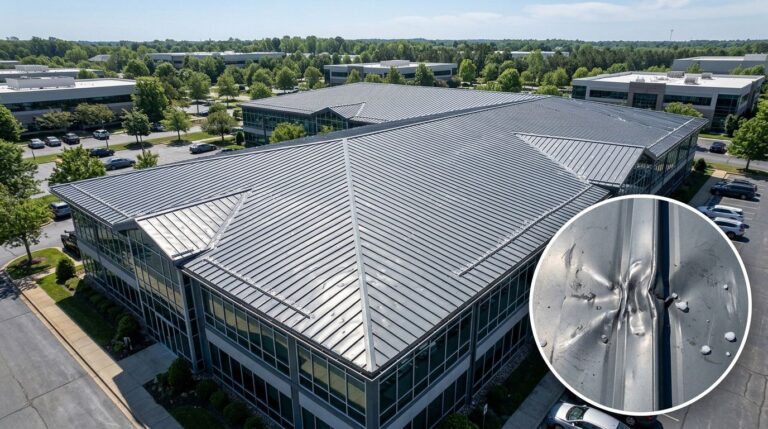
Metal roofing is highly resistant to high winds, heavy rain, and hail, making it ideal for storm-prone regions [5, 6, 8, 9, 10]. Impact-resistant asphalt shingles and tile roofing are also recommended for their durability and ability to withstand extreme weather conditions [5, 6, 8, 9, 10].
This research supports the article’s recommendations for durable roofing materials.
How Do Impact-Resistant Shingles Protect Against Hail and Wind?
Impact-resistant shingles incorporate polymer modifiers and reinforced fiberglass mats that absorb hail energy, reducing cracks. Their secure nail pattern and advanced underlayment resist wind uplift above 130 mph, safeguarding your home during severe storms.
What Are the Advantages of Metal Roofing in Extreme Weather?
Metal roofing offers superior wind resistance, a Class 4 hail rating, and smooth surfaces that shed snow and ice before meltwater refreezes. Its fire-resistant properties and reflectivity also improve energy efficiency by reducing attic heat buildup.
How Do Hurricane Straps and Wind Reinforcements Strengthen Your Roof?
Hurricane straps and metal tie-downs connect roof rafters directly to wall studs, preventing roof uplift during high winds. This structural reinforcement reduces movement between roof and walls, improving overall building integrity when storms strike.
Benefits of Hurricane Straps
Hurricane straps are essential in high-wind areas, as they anchor the roof to the walls, increasing structural integrity and resisting uplift forces [4, 15, 23, 24]. These straps create a direct load path from the roof to the foundation, improving the building’s ability to withstand severe weather [15, 25].
This research supports the article’s recommendation of hurricane straps for strengthening roofs against high winds.
How Does Proper Attic Ventilation and Insulation Prevent Roof Damage?
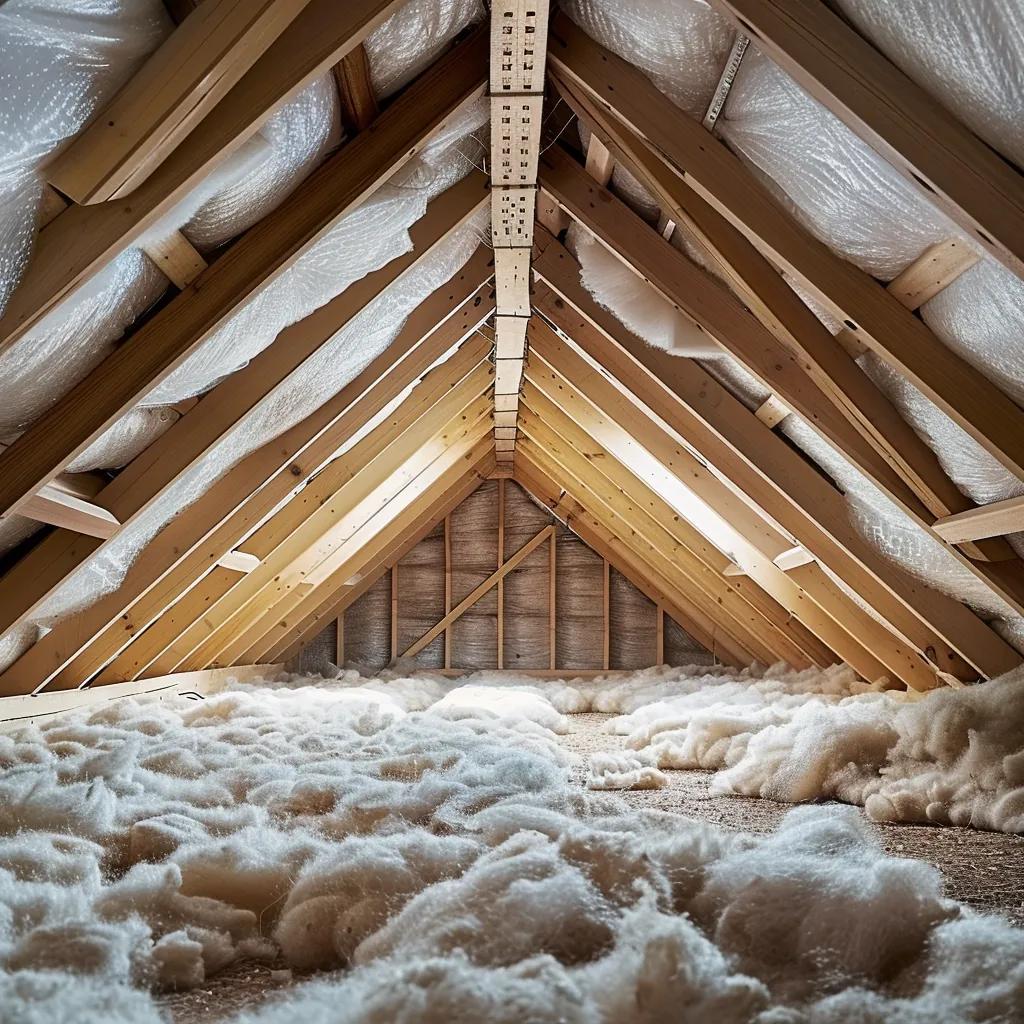
Balanced attic airflow and insulation control moisture and temperature, stopping ice dams and material deterioration.
Why Is Attic Ventilation Important for Severe Weather Preparedness?
Adequate intake and exhaust vents maintain uniform roof deck temperatures, preventing snow from melting unevenly and forming ice dams. Ventilation also expels excess moisture that can rot sheathing and degrade insulation.
Importance of Attic Ventilation
Attic ventilation is crucial for preventing ice dams by maintaining a consistent roof deck temperature, which prevents uneven snow melting and ice dam formation [1, 3, 21, 22]. Proper ventilation expels excess moisture, preventing sheathing rot and insulation degradation [1, 3].
This research supports the article’s emphasis on the role of attic ventilation in preventing ice dams and maintaining roof integrity.
How Does Insulation Help Prevent Ice Dams and Roof Leaks?
Proper insulation levels block rising heat from the living space, keeping the roof deck cold enough to avoid melting snow. This thermal regulation stops refreezing at eaves and the leaks that follow ice dam formation.
What Are the Signs of Poor Attic Ventilation and Insulation?
Look for frost on rafters, condensation spots on sheathing, uneven roof temperature patterns, or unusually high heating bills. These indicators point to inadequate airflow or insulation gaps needing correction.
What Steps Should You Take Immediately After Severe Weather Hits?
A safe, methodical post-storm response limits further damage and supports prompt repairs.
How Can You Safely Assess Roof Damage After a Storm?
From ground level, visually inspect for missing shingles, dents, sagging areas, or debris. Use binoculars if needed. Avoid climbing on a wet or icy roof—prioritize safety and enlist professional help for detailed assessment.
What Temporary Repairs Can Protect Your Roof Until Professionals Arrive?
Place tarps over exposed areas, secure loose shingles with roofing cement, and clear drainage channels to redirect water. These emergency measures reduce leak risk and property damage until qualified contractors can perform permanent repairs.
How Do You Navigate Roof Insurance Claims After Storm Damage?
Document damage with time-stamped photos, keep repair receipts, and provide detailed inspection reports to your insurer. A comprehensive claim submission supported by professional assessments expedites approval and settlement.
Why Partner with Local Roofing Experts for Severe Weather Preparation?
Local roofing professionals bring climate-specific expertise and proven methods to safeguard your home.
What Services Do Roofing Experts in St. Paul Offer for Storm Readiness?
We provide comprehensive roof inspections, hail damage assessments, gutter cleaning, tree-trimming coordination, material upgrades, and structural reinforcements designed for Minnesota’s weather. For detailed service options, visit our Local Roofer in St. Paul, MN – Krech Exteriors.
How Does Local Experience Improve Roof Protection in Minnesota’s Climate?
Our decades of work in St. Paul homes show exactly which materials and reinforcement techniques resist freeze-thaw cycles, ice dam formations, and hailstorms. This regional knowledge ensures every project is tailored for maximum durability.
How Can Professional Roof Maintenance Extend Your Roof’s Lifespan?
Regular maintenance by certified experts uncovers minor issues before they escalate, preserves warranty compliance, maintains optimal insulation performance, and keeps drainage systems clear—delivering long-term cost savings and structural confidence.
How Can You Monitor and Maintain Your Roof Year-Round for Severe Weather?
Ongoing monitoring and scheduled upkeep reinforce your roof’s storm-ready status across seasons.
What Are the Signs of Roof Wear to Watch for Between Storms?
Between storms, inspect for granule loss in gutters, small cracks in shingles, curling edges, loose flashing, and minor leaks in the attic. Early detection prevents small wear areas from developing into major failures.
How Often Should You Schedule Maintenance to Stay Storm Ready?
I advise biannual maintenance in spring and fall, with additional checks after any severe weather event. Consistent scheduling aligns with seasonal transitions that stress roofing systems.
What Tools and Resources Help Homeowners Track Roof Health?
Use a seasonal roof-inspection checklist app or printable chart, a simple infrared thermometer for attic heat mapping, and calendar reminders. Combining DIY monitoring with professional assessments ensures a holistic approach to roof health and storm resilience.
Proactive preparation transforms your roof into a reliable shield against St. Paul’s harsh climate. By inspecting regularly, maintaining gutters, controlling landscaping risks, upgrading materials, optimizing attic conditions, planning post-storm actions, collaborating with local experts, and monitoring year-round, you’ll secure lasting protection and peace of mind.
Need a roof inspection in Saint Paul or the Twin Cities? Call Sellers Roofing Company at +1-651-703-2336 or schedule a free estimate. We are a black-owned, NMSDC-certified MBE roofing contractor with 9+ years experience.