Last updated: 2026-08-01 by Ted Sellers, Owner
Table Of Contents:
- Ensuring a Watertight Seal on EPDM Roofs
- What Is EPDM Roofing and Why Are Watertight Seals Essential?
- What Are the Best Sealing Methods for EPDM Roofs?
- How to Properly Install an EPDM Roof to Ensure a Watertight Seal?
- How to Identify and Repair Leaks on EPDM Roofs to Maintain Watertight Integrity?
- What Are the Best Materials and Products for Sealing and Waterproofing EPDM Roofs?
- What Are Common Problems With EPDM Roof Sealing and How Can They Be Troubleshot?
- How to Maintain and Extend the Life of Your EPDM Roof’s Watertight Seal?
- Frequently Asked Questions
- Final Thoughts
Ensuring a Watertight Seal on EPDM Roofs
In the world of roofing, one material consistently stands out for its durability, cost efficiency, and environmental friendliness: EPDM roofing. As a synthetic rubber roofing membrane, EPDM (ethylene propylene diene monomer) has become a popular choice for both commercial and residential flat roofs.
For instance, many professionals and homeowners often ask, “can you put epdm over epdm” when considering repair or upgrade options. However, its widespread adoption goes hand in hand with one non-negotiable requirement—a true, watertight seal.
Without proper sealing, even the most robust EPDM roof can succumb to leaks and subsequent water damage. This jeopardizes the building’s integrity and leads to costly repairs.
Over the next several sections, we will delve into the essential aspects of EPDM roofing. We will explore its key benefits, discuss why watertight seals are critical, reveal common causes of leaks, and outline the best practices when it comes to sealing.
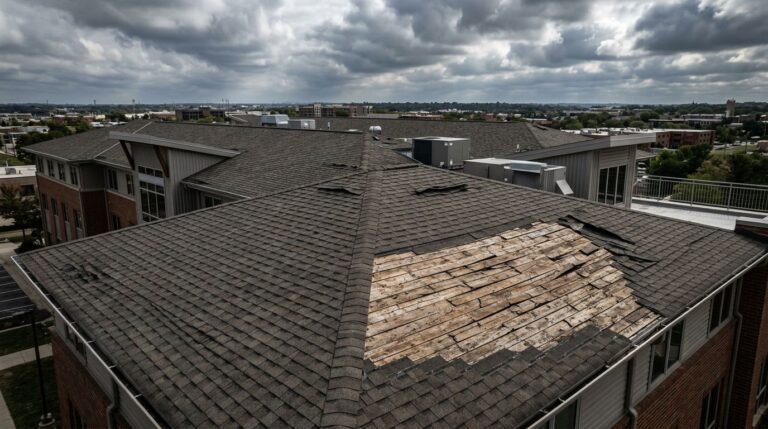
Whether you face hail damage on a commercial roof or need to address minor seam failures on a residential installation, understanding these details can save significant time, money, and stress.
Today’s property owners, especially those in regions characterized by extreme weather and climatic fluctuations, demand roofing systems that can endure low temperatures, high winds, and heavy precipitation.
EPDM’s flexibility and resilience against UV radiation and ozone exposure make it ideal for such conditions. However, without meticulous installation and maintenance—particularly regarding seals and flashing—the inherent advantages of EPDM can be compromised.
In this article, I will leverage my extensive expertise to provide a step-by-step guide to ensuring a watertight seal on EPDM roofs.
From identifying the types of materials and products best suited for sealing to troubleshooting common problems, we will cover every detail to equip you with reliable, actionable strategies for roof longevity and performance.
In the following detailed discussion, we will first define what EPDM roofing is and why watertight seals are indispensable.
We will then explore best sealing methods, cover proper installation procedures, discuss how to identify and repair leaks, review the best materials and products for sealing, troubleshoot common issues, and finally provide practical maintenance tips to extend the effective lifespan of your EPDM roof.
This comprehensive guide is intended for both homeowners and business owners who need to maintain roof integrity under the rigors of everyday wear and extreme weather events. With that in mind, let’s embark on an in-depth journey to protect your investment. We will ensure that your EPDM roof continues to perform efficiently for decades to come.
What Is EPDM Roofing and Why Are Watertight Seals Essential?
EPDM roofing is a type of single-ply membrane made from synthetic rubber that is widely used in flat and low slope roofing applications. The material is prized for its longevity, high resistance to weathering, UV exposure, ozone, and extreme temperatures.
However, the effectiveness of an EPDM roof isn’t solely determined by the membrane itself; rather, it is also a function of the attention given to its seams, penetrations, and overall sealing. A watertight seal prevents water infiltration that could compromise the underlying substrate and cause structural damage, mold, and insulation failure.
What Are the Key Benefits of EPDM Roofing Membranes?
The core benefits of EPDM roofing membranes are multifaceted. First, its remarkable durability allows it to endure harsh weather conditions for up to 50 years when properly maintained.
Second, its inherent flexibility means that it can expand and contract with fluctuating temperatures without cracking or losing adhesion. Third, EPDM is renowned for its ease of installation and repair, which reduces labor costs and installation time.
Additionally, its resistance to UV radiation and ozone extends its longevity substantially compared to traditional roofing materials like asphalt shingles.
Finally, EPDM membranes are environmentally friendly; they are fully recyclable and require minimal energy during production. This confluence of benefits makes EPDM a highly competitive option in the market.
Why Is a Watertight Seal Critical for EPDM Roof Performance?
A watertight seal plays a pivotal role in protecting the integrity of an EPDM roof. Even the strongest EPDM membrane is vulnerable at its seams, penetrations, and flashings if not sealed properly. A watertight seal ensures that the membrane adheres consistently to the roof substrate, keeping moisture completely out.
This is essential because any water that penetrates these weak points can lead to structural degradation of the roof deck, electrical hazards, and even the collapse of roofing systems in extreme cases. Moreover, maintaining a proper seal prevents secondary issues such as the growth of algae and mold, which can further deteriorate the system. Insufficient sealing ultimately negates the durability of the EPDM, emphasizing the need for meticulous installation and regular inspections.
What Are the Common Causes of EPDM Roof Leaks?
EPDM roof leaks typically occur due to a combination of installation errors, natural wear and tear, and environmental factors. Improperly bonded seams, inadequate flashing around roof penetrations like HVAC units or skylights, and the degradation of adhesives over time are common culprits.
During installation, a lack of surface preparation or incorrect adhesive application can lead to premature failures. Exposure to extreme temperature fluctuations can exacerbate these issues by causing the membrane to contract and expand beyond its tolerances.
Additionally, UV radiation, pollutant exposure, and mechanical damage (such as foot traffic or hail impacts) can compromise the surface integrity of the EPDM, leading to leaks. Identifying these causes early is crucial for timely maintenance and repair.
What Are the Best Sealing Methods for EPDM Roofs?
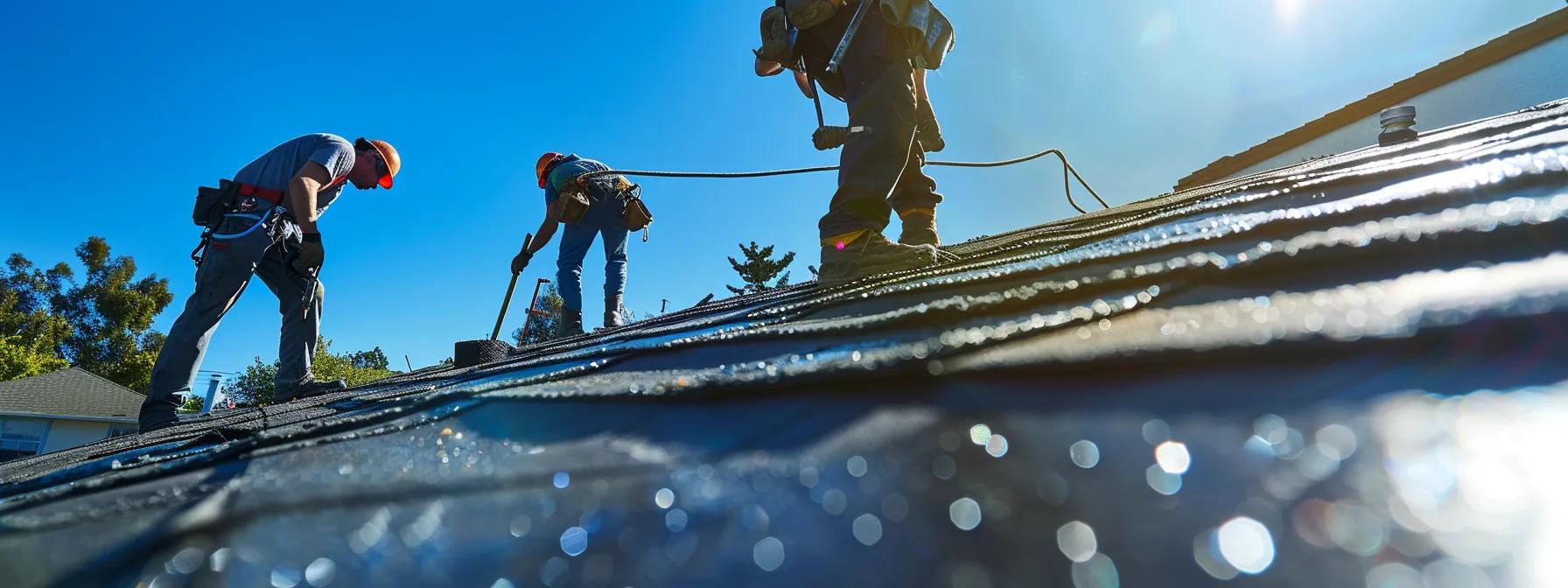
Achieving a durable watertight seal on an EPDM roof requires a combination of proper handling techniques and the use of high-quality sealing products.
In this section, we will discuss various sealing methods that have proven effective in creating and maintaining a waterproof barrier throughout the roof system. It is essential to select the right method based on the specific roof design and exposure factors.
How Does Seam Tape Create a Durable Watertight Seal?
Seam tape is one of the most commonly used methods to ensure a watertight seam between EPDM panels. It functions by covering and bonding the overlapping areas, thereby preventing water from seeping through the joint.
The tape is specially engineered to conform to the flexible nature of EPDM, ensuring that even under thermal movement, the bond remains intact.
A typical application involves cleaning the seam area thoroughly, applying a primer if required, and then pressing the seam tape firmly onto the surface. When executed properly, seam tape has been shown to increase the resistance of the roof to wind uplift and water penetration dramatically, making it an ideal solution for both new installations and repairs.
When and How Should Liquid Adhesives Be Used on EPDM Roofs?
Liquid adhesives come into play in situations where a more robust bond is needed, such as when dealing with irregular surfaces or when sealing large continuous areas.
These adhesives are applied in a generous, even layer over the seams and gaps to create a chemical bond between the EPDM membrane and the underlying substrate. Liquid adhesives offer excellent flexibility, meaning that as the roof expands or contracts, the adhesive maintains a continuous seal.
They are particularly useful in repairs where a damaged section of the membrane needs to be reattached to the roof deck. The application process typically involves applying the adhesive to both surfaces, allowing it to flash off for a short period to become tacky, and then firmly pressing the membranes together.
Utilizing liquid adhesives as part of an integrated sealing strategy can further enhance the overall durability and watertight performance of an EPDM roof.
How Is Flashing Applied to Seal Roof Penetrations Effectively?
Flashing is an essential component for ensuring a waterproof transition around roof penetrations such as vents, HVAC units, and skylights. The process involves installing pre-formed or custom-fabricated metal or plastic strips that direct water away from these vulnerable areas.
Proper flashing is typically applied using compatible sealants that adhere well to both the EPDM membrane and the penetration material. It is critical to ensure that the flashing overlaps well with the membrane and that the joints are sealed tightly with an appropriate adhesive or liquid sealant. Flashing materials must also be resistant to corrosion and able to withstand high winds and thermal expansion. The correct installation of flashing significantly reduces the risk of water infiltration, protecting both the membrane and the underlying structural elements.
What Are the Best Practices for Sealing Around HVAC Units and Penetrations?
HVAC units and other roof penetrations require special attention when sealing to ensure that these areas do not become weak points in the roof’s waterproofing system. Best practices include first ensuring that all penetrations are properly flashed using high-quality, UV-resistant materials. Once the flashing is in place, the next step is to apply a high-performance sealant around the perimeter of the penetration.
This sealant should be compatible with both the EPDM membrane and the flashing material, and it must remain flexible to accommodate roof movement. In many cases, a combination of seam tape and liquid adhesive is used to reinforce the cap flash, ensuring that the junction between the roof and the HVAC unit is completely watertight. Regular inspections and maintenance of these areas are critical, as even small cracks or bonding failures can quickly lead to significant water damage.
How to Properly Install an EPDM Roof to Ensure a Watertight Seal?
The installation of an EPDM roof is a meticulous process that requires careful planning, precise execution, and attention to detail. Every stage—from surface preparation to final sealing—plays a vital role in ensuring the long-term watertight integrity of the roof.
In this section, we will outline the step-by-step procedures for installing an EPDM roof while emphasizing the critical checklist needed to secure a robust waterproofing system.
What Are the Step-by-Step Procedures for EPDM Roof Installation?
A successful EPDM roof installation begins with a well-organized plan and thorough preparation. The process typically involves the following sequential steps: 1. Inspection and Preparation: The roof deck is inspected for damage, moisture, and debris. Any existing materials must be removed, and the deck surface is cleaned and smoothed.
2. Priming: A primer is applied to ensure optimal adhesive bonding. This step is crucial for achieving a strong chemical bond between the EPDM and the underlying substrate.
3. MembranePlacement: The EPDM membrane is carefully unrolled over the primed surface. Precision in alignment is critical; even slight shifts can lead to weak seams.
4. SeamBonding: Where two seams meet, high-quality seam tape or liquid adhesive is used to secure the bond. Extra care is taken to avoid wrinkles and air pockets that can compromise the seal.
5. Flashing and Penetration Sealing: Flashing is applied around roof penetrations and edges. Special attention is given to these vulnerable areas to ensure that they are sealed completely.
6. Inspection and Testing: The installation is thoroughly inspected, and water testing may be conducted to confirm that no leaks exist.
Each step in this installation process must be executed meticulously. Deviations or shortcuts, such as skipping the priming step or improper seam bonding, can lead to premature failures. Professional installers typically follow industry standards and manufacturer guidelines to ensure a consistently high level of quality in every EPDM roof installation.
How Should the Roof Deck Be Prepared Before EPDM Installation?
Preparing the roof deck is arguably the most critical step in any EPDM installation. A clean, dry, and smooth substrate is essential for the EPDM membrane to adhere properly. The process begins with the removal of any previous roof coverings, nails, debris, and contaminants that could interfere with adhesive bonding. Once the existing material is removed, the deck is inspected for moisture content; any excess moisture must be dried out, as residual water can prevent proper adhesion. The surface is then leveled and repaired using a compatible substrate material if necessary. For decks that are irregular or textured, a primer is applied to create a uniform surface that enhances the bond between the roof deck and the EPDM membrane. This rigorous preparation minimizes the risk of future failures and ensures that the entire roof system remains cohesive and watertight throughout its lifespan.
How to Choose the Right EPDM Membrane for Optimal Sealing?
Choosing the right EPDM membrane is critical to ensuring a durable and watertight roof. Factors to consider include the membrane’s thickness, UV resistance, and compatibility with adhesives and sealants. Thicker membranes often provide extra protection and are more resilient under harsh conditions, but they may also be more challenging to handle and install.
It’s important to select a membrane that has been tested for durability and has a proven track record in similar climatic conditions. Additionally, the membrane should be compatible with the specific types of adhesives and sealants you plan to use. Manufacturers often provide detailed specifications and performance data, which can guide you in making an informed selection. Look for certifications and warranties that attest to the membrane’s performance in resisting weather extremes and maintaining its sealing properties over time.
What Are Typical Costs Associated With EPDM Roof Installation?
Costs associated with EPDM roof installation can vary widely depending on several factors including roof size, complexity, and regional labor rates. Generally, the material cost for EPDM membranes is competitive, often ranging between $2.50 and $5.00 per square foot. However, labor, which is more variable, might increase the overall installation cost to between $5.00 and $10.00 per square foot.
However, labor, which is more variable, might increase the overall installation cost to between $5.00 and $10.00 per square foot.
Other costs to consider include the price of adhesives, seam tapes, flashing, and any necessary roof deck repairs or preparation.
When budgeting, it is also wise to set aside funds for periodic inspections and minor repairs to ensure that the roof’s watertight integrity is maintained over its lifespan.
Costs associated with EPDM roof installation can vary widely depending on several factors including roof size, complexity, and regional labor rates.
Generally, the material cost for EPDM membranes is competitive, often ranging between $2.50 and $5.00 per square foot.
A critical aspect of maintaining an EPDM roof is the ability to quickly identify and repair leaks. Over time, natural wear, environmental stressors, and minor installation errors can lead to leaks that compromise the waterproofing of the roof.
Early detection and prompt repairs are essential to prevent further damage and costly rebuilds. In this section, I will describe the common signs of leaks or damage on EPDM roofs and provide detailed guidance on how to address these issues effectively.
What Are the Signs of Leaks and Damage on EPDM Roofs?
Identifying leaks early is crucial for the longevity of your EPDM roof. Common signs of damage include water stains on the interior ceiling or walls, sagging membrane areas, bubbling or blistering surfaces, and visible cracks or punctures along seams. Additionally, an unusual increase in water runoff or pooling water on certain sections of the roof may indicate a compromised seal.
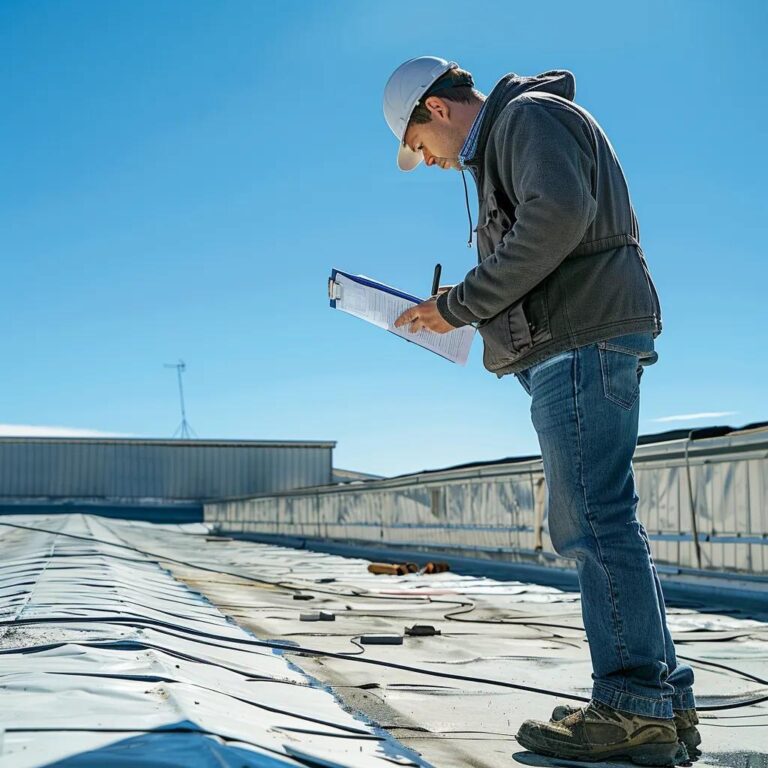
Regular visual inspections, especially after severe weather events like hailstorms or high winds, can help catch these issues before they escalate. In some cases, infrared cameras are used to detect moisture differences beneath the membrane, providing a more thorough evaluation of the roof’s health. Recognizing these early signs allows for timely intervention and minimizes overall repair costs.
How to Repair Punctures and Seam Failures on EPDM Roofs?
When leaks are identified, repairing punctures and seam failures should be undertaken as soon as possible. For minor punctures or tears, the repair process typically begins with cleaning the affected area to ensure it is free of debris and moisture. A patch made from the same EPDM material should be cut to size and then adhered over the damaged portion using a specialized EPDM adhesive or liquid sealant. For seam failures, applying a high-quality seam tape along the entire length of the compromised area is recommended.
If necessary, liquid adhesives may be added to reinforce the bond, ensuring that the repair remains flexible and resistant to further damage. These repairs should ideally be performed under controlled conditions to ensure that the adhesive cures properly, thus restoring the roof’s integrity. Regular monitoring of repaired areas is important as even high-quality repairs can occasionally show signs of wear under extreme conditions.
What Maintenance Steps Prevent Future EPDM Roof Leaks?
Proactive maintenance is key in preventing future leaks on EPDM roofs. Routine inspections—at least biannually and after major weather events—are essential to catch potential problems before they worsen. During these inspections, pay close attention to the joints, seams, and areas around penetrations.
Cleaning the roof regularly to remove debris such as leaves, dirt, and branches helps to maintain a clean surface for optimal performance. Reapplying sealants or renewing seam tapes periodically as recommended by the manufacturer can further bolster the waterproof barrier. Moreover, keeping an up-to-date maintenance log that records observed issues, repair dates, and product details can help track the roof’s condition over time, ensuring that any early signs of wear do not progress into major issues.
How Can Regular Inspections Extend the Life of an EPDM Roof?
Regular inspections are a cornerstone of any successful roof maintenance strategy. By systematically evaluating the condition of the EPDM membrane, seams, flashing, and surrounding roof structure, you can identify small issues before they evolve into significant, costly problems. Inspections should include a visual assessment for any signs of blistering or cracking, an adhesive pull test on seam tapes, and moisture tests using infrared technology if available.
These inspections not only help to extend the overall life of the roof by facilitating timely repairs but also contribute to the optimization of roof performance under variable weather conditions. A well-maintained EPDM roof will continue to deliver on its promise of durability and energy efficiency, ultimately protecting your building structure and reducing long-term replacement costs.
What Are the Best Materials and Products for Sealing and Waterproofing EPDM Roofs?
Choosing the right materials and products can make all the difference in maintaining a watertight seal on your EPDM roof. From membranes and adhesives to sealants and flashing products, each component plays a specific role in protecting your roofing investment.
In this section, I will review the best available products and materials based on performance, compatibility, and cost-effectiveness. This guide aims to help you make informed decisions about the products you use, ensuring that the roof remains robust against leaks and environmental stress.
What Types of EPDM Membranes Are Available and Their Specifications?
EPDM membranes come in various thicknesses and formulations to suit a range of applications and environmental conditions. Standard membranes often come in thicknesses of 45 mils, 60 mils, and even 90 mils, with thicker options offering extended durability and enhanced puncture resistance.
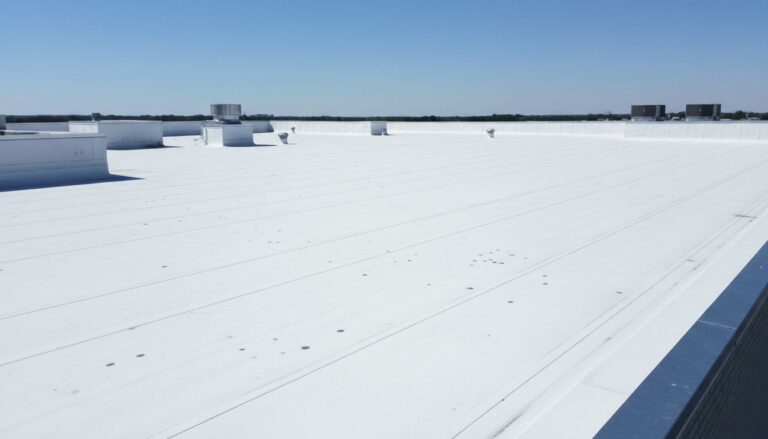
Some membranes are available in both black and white colors; black is the traditional choice due to its excellent UV stability, while white EPDM is increasingly popular for its reflective properties, which can contribute to energy efficiency by reducing heat absorption.
Manufacturers typically provide detailed technical data sheets that outline the tensile strength, elongation, and resistance to ozone and chemicals. When selecting a membrane, it is important to consider factors such as building location, expected climatic extremes, and the specific performance attributes required for your installation.
Which EPDM Adhesives and Sealants Provide the Best Watertight Seal?
The adhesives and sealants used on EPDM roofs must not only bond effectively with the membrane but also remain flexible under stress. High-quality EPDM adhesives are specifically formulated to promote a strong chemical bond with the membrane, ensuring that it adheres seamlessly to the roof deck and flashing materials. In addition to adhesives, sealants such as polyurethane-based or silicone-based products are widely used to fill gaps, seal seams, and waterproof around penetrations. These sealants are designed to accommodate the roof’s natural movement while resisting degradation from UV exposure and temperature fluctuations. By choosing products that have been rigorously tested and certified, you can significantly increase the lifespan of your EPDM roof while reducing the likelihood of future leaks.
What Flashing Materials Are Most Effective for EPDM Roofs?
Flashing is critical to ensuring watertight transitions around roof edges and penetrations. The most effective flashing materials for EPDM roofs include both pre-formed metal flashings—such as aluminum or galvanized steel—and flexible plastic flashings designed specifically for rubber membranes. Metal flashings offer exceptional durability and longevity; however, they must be installed with care to avoid galvanic corrosion when in contact with dissimilar metals.
Flexible flashing options, on the other hand, conform more easily to irregular shapes and are often used in tandem with liquid adhesives for a full seal. The key to successful flashing installation lies in ensuring that the flashing material is compatible with both the EPDM and the sealants used, thereby creating a continuous, uninterrupted waterproof barrier.
How to Select Quality Seam Tape for EPDM Roof Sealing?
Seam tape is a simple yet highly effective product used to bond EPDM sheets together along the seams. When selecting quality seam tape, it is important to consider its adhesive properties, flexibility, and compatibility with the EPDM material. The best seam tapes are engineered to retain their adhesion even under extreme temperature fluctuations and mechanical stress. Look for products that specify high wind resistance and offer long-term durability under UV exposure.
Quality seam tape should also be easy to apply, with a robust backing that conforms to any irregularities in the seam. Manufacturers’ technical specifications, customer reviews, and warranty details all provide valuable insights into the performance and reliability of the seam tape, ensuring that you make the best possible selection to maintain a watertight roof.
Summary Table: Materials and Products for EPDM Sealing
Below is a comparative table summarizing some key specifications for various EPDM sealing materials.
This table provides a clear overview of the key products used in EPDM roof sealing, highlighting their features and benefits. Using these materials in combination ensures that your roof maintains a completely watertight barrier against environmental challenges.
What Are Common Problems With EPDM Roof Sealing and How Can They Be Troubleshot?
Despite the many benefits of EPDM roofing, challenges can arise when seals fail or degrade over time. Understanding the common problems associated with EPDM roof sealing, and having the knowledge to troubleshoot them, is essential for maintaining a durable roof.
Why Do EPDM Seams Fail and How Can This Be Prevented?
EPDM seams may fail due to improper installation, insufficient adhesive, or environmental factors such as extreme temperatures and UV exposure. In many cases, seams can separate if the underlying surface was not adequately prepared or if the seam tape was not properly applied.
Prevention is best achieved by ensuring that every step of the installation process is performed meticulously—from cleaning and priming the roof deck to applying adhesive in the correct manner. Regular inspections of seams and immediate repair of any visible issues will significantly reduce the risk of complete seam failure. Additionally, ensuring that all materials used meet the highest quality standards is a vital step in preventing seal failure from the outset.
How to Fix Adhesive Failures and Sealant Issues on EPDM Roofs?
When adhesive failures occur on an EPDM roof, it is crucial to address them promptly to prevent further degradation and water infiltration. The first step is a thorough inspection of the affected area to determine the extent of the failure. Once identified, the area should be cleaned meticulously—removing all debris, old adhesive, and contaminants—so that a fresh bond can be established.
In many repair situations, the use of a high-quality liquid adhesive combined with seam tape provides the best results. For larger areas of failure, patching the membrane with a similarly sized piece of EPDM and securing it with both adhesive and tape can restore the integrity of the seal. Ensuring that the repair is carried out in a controlled environment, where temperature and humidity are optimal for curing, is also essential for long-term success.
What Are the Best Practices for Maintaining Flashing Integrity?
Flashing, which seals areas around roof penetrations, is particularly susceptible to degradation due to constant exposure to the elements. To maintain its integrity, regular inspections are critical. Look specifically for cracks, corroded edges, and gaps where water could potentially seep in. Maintaining flashing integrity involves periodic reapplication of compatible sealants, replacing damaged flashing components, and ensuring that any new penetrations are flashed immediately upon installation. By integrating these practices into your routine maintenance schedule, you can significantly prolong the effective life of the flashing, thereby reducing the chances of water infiltration and roof damage.
How to Maintain and Extend the Life of Your EPDM Roof’s Watertight Seal?
Ensuring that your EPDM roof continues to perform at its peak performance is an ongoing process. Regular maintenance is not just about addressing existing problems but also about proactively preventing future issues. This involves establishing a comprehensive maintenance routine, periodically inspecting the roof’s condition, and applying timely repairs using high-quality materials. In this section, I will outline a maintenance checklist and share expert tips that have proven effective in extending the life of EPDM roofs.
What Is Included in a Comprehensive EPDM Roof Maintenance Checklist?
A comprehensive maintenance checklist for an EPDM roof should address every potential area of concern, from the membrane surface and seams to flashing and penetrations. The checklist includes: –
Visual Inspection: Regularly examine the entire roof for signs of physical damage such as punctures, blistering, or discoloration.
Seamand Adhesive Checks: Inspect all seams and adhesive joints to ensure they remain intact and secure. Pay close attention to edges and areas around roof penetrations.
– Flashing Evaluation: Check all flashing components for signs of corrosion, degradation, or lifting. Verify that sealants remain intact. –
Debris Removal: Keep the roof free of debris such as leaves, branches, and dirt that may obstruct drainage and stress the membrane. –
Moisture Testing: Use moisture meters or infrared cameras periodically to detect hidden water infiltration before it causes extensive damage. –
Documentation: Keep a detailed log of maintenance activities, repairs, and observations to monitor the roof’s condition over time.
Following this checklist ensures that any issues are addressed early and that the roof’s watertight seal is consistently maintained.
How Often Should EPDM Roof Seals Be Inspected and Repaired?
EPDM roof seals should ideally be inspected at least twice a year—typically in the spring and fall—when temperature fluctuations can exacerbate underlying issues. Additionally, a thorough inspection should be conducted after severe weather events such as hailstorms, heavy rains, or high wind episodes.
If any issues are detected during these inspections, repairs should be initiated immediately to prevent further damage. Regular, proactive monitoring not only extends the life of the seal but also reduces the overall repair costs by preventing small issues from evolving into larger, more expensive problems.
What Are Expert Tips for Preventing Water Damage on EPDM Roofs?
Experts in EPDM roof installation and maintenance recommend several key practices to minimize the risk of water damage. First, always ensure that the roof deck is properly prepared with a clean, level, and moisture-free surface before installation.
Second, invest in high-quality adhesives, sealants, and seam tapes to ensure that every bond is secure. Third, maintain a strict maintenance schedule with biannual inspections and routine cleanings to remove debris that can hold moisture and promote decay.
Additionally, be proactive about replacing any aging components identified during inspections and immediately repair any damage to the flashing or seams. Implementing these tips not only improves roof performance but also enhances the overall longevity of your roof system.
Frequently Asked Questions
Q: How durable is EPDM roofing compared to other roofing materials? A: EPDM roofing is highly durable, often lasting up to 50 years when correctly installed and maintained. Its inherent flexibility and resistance to UV radiation, chemicals, and extreme temperatures make it a strong competitor against materials like asphalt shingles and metal roofs. Its longevity, coupled with relatively low maintenance costs, makes EPDM one of the most cost-effective and reliable roofing options available.
Q: What maintenance schedule is recommended for EPDM roofs? A: It is recommended that EPDM roofs be inspected at least twice a year—once in the spring and once in the fall. Additionally, a thorough inspection should be conducted after any severe weather event. Regular maintenance includes cleaning debris, checking seams and flashing for damage, and reapplying sealants where necessary. This proactive approach can significantly prolong the roof’s lifespan and prevent water damage.
Q: Can EPDM roofing be installed over existing roofing systems? A: In many cases, EPDM roofing can be installed over a well-maintained existing roof, provided the surface is smooth, clean, and free of defects that could compromise the new membrane. However, it is crucial to assess the compatibility of the existing materials with the EPDM system. Professional roofers will evaluate the underlying substrate to determine if a full tear-off is necessary or if a retrofit installation is a feasible option.
Q: What are the most common causes of EPDM roof leaks? A: EPDM roof leaks are most commonly caused by improperly sealed seams, degraded adhesive bonds, and inadequate flashing around penetrations such as HVAC units or skylights. Environmental factors such as UV exposure, temperature fluctuations, and mechanical damage from hail or foot traffic can accelerate the degradation process. Routine inspections and proactive maintenance are essential to identify and repair these vulnerabilities before they lead to significant water infiltration.
Q: How can I be sure that my EPDM roof is completely watertight after repairs? A: After repairs are implemented, the best way to ensure that your EPDM roof is watertight is to conduct a water test. This typically involves applying water to the repaired section while monitoring for signs of leakage or moisture on the underside of the membrane. Using advanced tools such as infrared cameras can also help detect hidden moisture pockets. Regular documentation and follow-up inspections reinforce confidence in the repair’s longevity and overall effectiveness.
Q: Are there any specific products recommended for sealing EPDM roofs? A: Yes, several high-quality products are specifically recommended for EPDM roof sealing. These include premium EPDM adhesives, polyurethane-based liquid sealants, and specialized seam tapes that offer high wind and UV resistance. Additionally, using high-grade flashing materials—whether metal or flexible plastic—ensures that roof penetrations are adequately protected. Always refer to manufacturer specifications to ensure compatibility and performance consistency.
Q: Does the color of the EPDM membrane affect its performance? A: EPDM membranes are available in different colors, predominantly black and white. While black EPDM is traditionally used for its proven durability and UV resistance, white EPDM offers reflective properties that can help reduce cooling costs by reflecting a significant portion of the sun’s energy. The choice of color can affect the roof’s energy efficiency, but it does not compromise the fundamental waterproofing ability of the membrane when properly installed and sealed.
Final Thoughts
By choosing the right products, following industry best practices, and remaining vigilant through regular inspections, you can protect your investment and avoid costly damages.
I encourage property owners and managers to implement these strategies proactively for lasting peace of mind and a roof that stands the test of time.
Watertight Seal on EPDM Roofs
In summary, ensuring a watertight seal on an EPDM roof is essential for maximizing its inherent durability and performance.
By choosing the right products, following industry best practices, and remaining vigilant through regular inspections, you can protect your investment and avoid costly damages. I encourage property owners and managers to implement these strategies proactively for lasting peace of mind and a roof that stands the test of time.
Need a roof inspection in Saint Paul or the Twin Cities? Call Sellers Roofing Company at +1-651-703-2336 or schedule a free estimate. We are a black-owned, NMSDC-certified MBE roofing contractor with 9+ years experience.