Last updated: 2026-10-22 by Ted Sellers, Owner
Flashing is a small part of a roof system with a large job: it directs water away from transitions and penetrations. This guide explains how to review an insurance scope when flashing is missing or under-scoped.
Can You Dispute an Insurance Roof Scope That Omits Flashing?
You can question an insurance roof scope that omits flashing when the flashing is damaged, must be removed to complete covered work, or is required to restore the roof system correctly. Support the request with photos, measurements, manufacturer instructions, and a written scope tied to the roof assembly.
Yes. You can dispute an insurance roof scope that leaves out flashing when the flashing was damaged, must be removed to perform covered work, or cannot be reused without breaking the roof system. Your dispute needs more than a verbal objection. It needs photos, measurements, material-specific findings, and a written scope tied to the covered event.
An adjuster’s first estimate is not the final word. It is a starting point that can miss concealed details, especially after wind, hail, ice, or water intrusion.
Key Takeaways
What matters most
- Flashing is part of the water-shedding system, not an optional trim item.
- A damaged or non-reusable flashing detail can support a revised insurance roof scope.
- Temporary dry-in work is smart. Broad permanent repairs before documentation can weaken the claim.
- Low-slope roofs need system-specific evidence because water can travel far from the opening.
- A supplement can correct missing covered work, but it cannot add maintenance or elective upgrades.
When to Dispute an Insurance Roof Scope That Omits Flashing
The omitted item must connect to covered damage
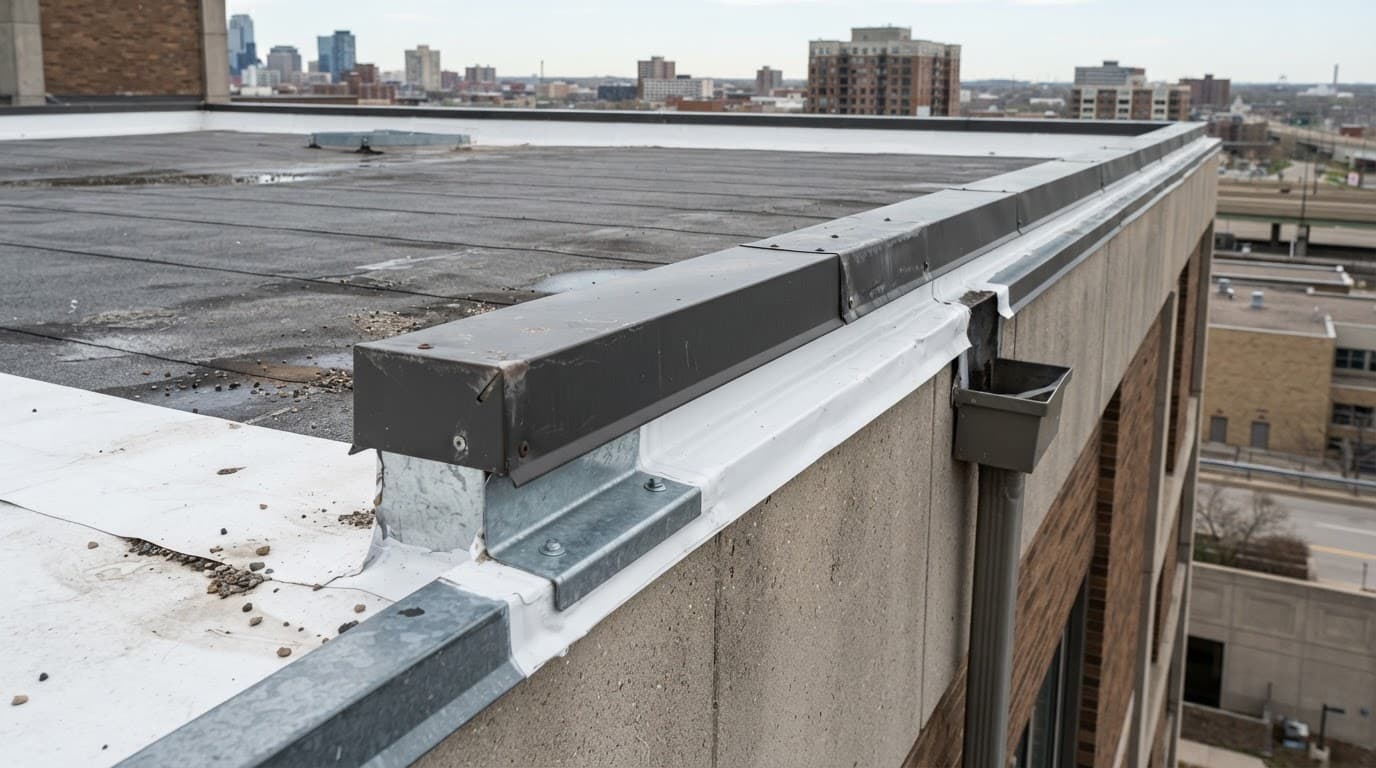
Dispute the omission when flashing is bent, torn, punctured, detached, rusted through, or disturbed by removal of covered roofing materials. This includes step flashing at walls and chimneys, counterflashing in masonry, valley metal, pipe boots, skylight curbs, drip edge, coping, and edge metal.
On a shingle roof, replacing damaged asphalt shingles may require removing step flashing that is nailed beneath the courses. On metal roofing, a dented panel can affect adjoining trim, closure strips, or fasteners. The carrier should not price a repair that leaves an incompatible detail behind.
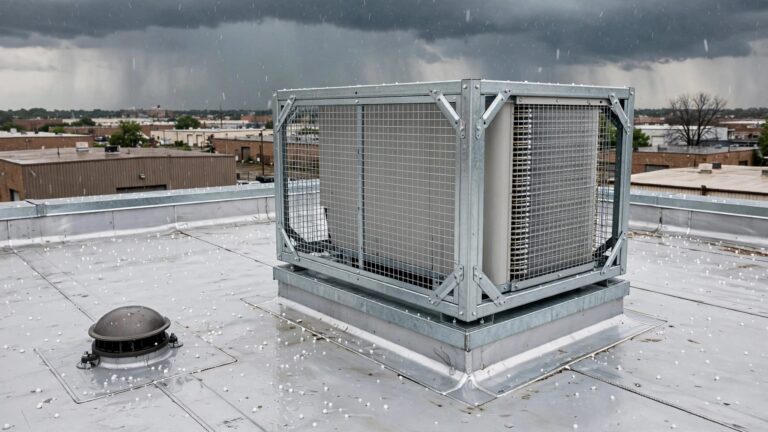
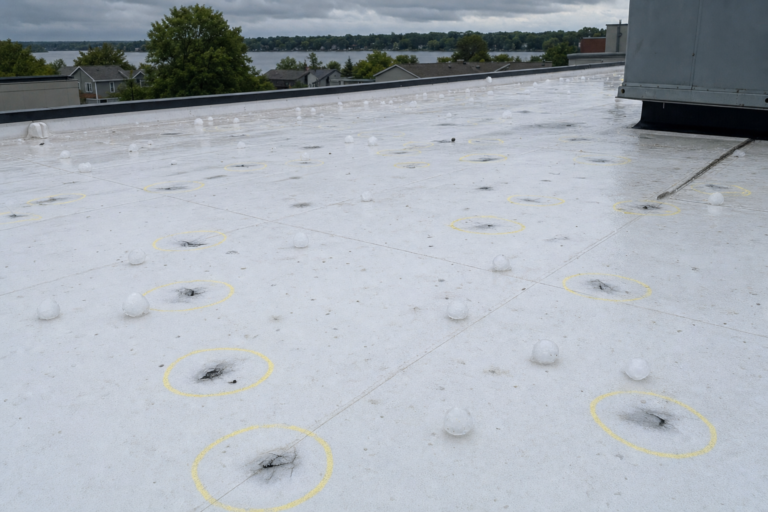
The same issue applies to a hail damage roof or a wind-related storm damage roof. A carrier may write for a few damaged shingles, a membrane patch, or a small section of trim. If that work requires flashing removal and replacement, the line item belongs in the scope.
A review of commonly missed roof-estimate items identifies step flashing as a frequent omission because it is often assumed to be reusable. That assumption fails when removal damages the metal, breaks sealant bonds, or leaves holes that cannot be properly sealed.
Low-slope roofing needs different proof
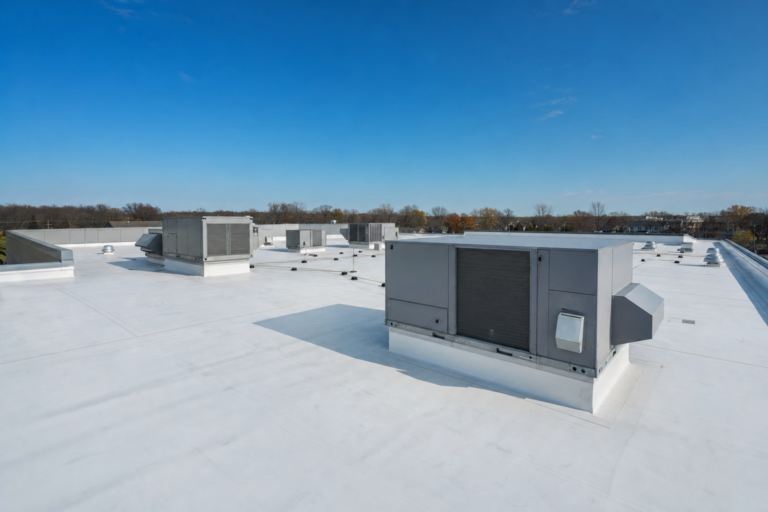
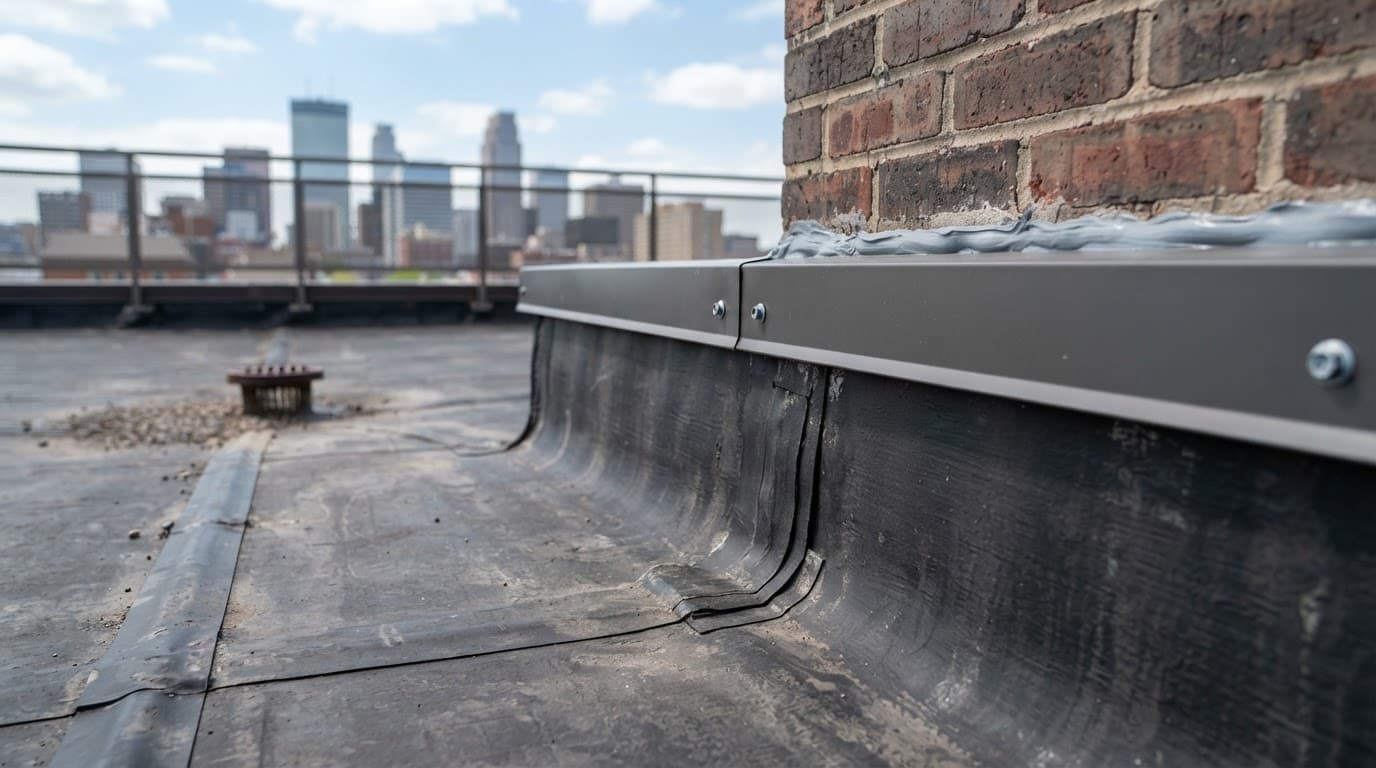
A commercial flat roof does not fail like a shingle roof. TPO roofing, EPDM, modified bitumen, and BUR can fail through split flashing, open seams, lifted perimeter edges, punctures, and wet insulation below the membrane.
Water may enter at a rooftop unit, parapet wall, drain, chimney saddle, or curb. It can then move along insulation boards, membrane laps, deck flutes, or framing before it reaches a ceiling tile. The interior stain is often the exit point, not the entry point.
That is why a commercial roof inspection should identify the membrane type, damaged detail, moisture spread, and likely water path. If the source remains unclear, commercial roof leak detection services can document the opening before a scope is finalized.
When a dispute usually does not fit
A missing flashing line item is not automatically an underpayment. The carrier may be right if the flashing is undamaged, can be removed and reinstalled without damage, or relates only to old deterioration.
Claims also weaken when the issue is rust, failed sealant, long-term ponding, skipped maintenance, or a leak that existed long before the reported date of loss. A prior repair does not erase a new storm loss, but it may limit payment for unrelated old defects.
The question is not whether the roof had prior issues. The question is whether the omitted flashing work is required because of the covered event.
Step-by-Step: How to Challenge the Missing Flashing
Build a clean, cause-based file
- Read the estimate line by line. Compare the insurer’s scope with the contractor’s scope. Look for removal labor, flashing replacement, sealant, underlayment, edge metal, membrane termination work, and disposal. Confirm whether the policy pays replacement cost or actual cash value, and check the deductible, ordinance coverage, matching language, and cosmetic-damage exclusions.
- Document the flashing before permanent work begins. Take wide photos that show its roof location, then close photos of bent metal, broken sealant, lifted laps, punctures, exposed fasteners, torn membrane, or cracked mortar. Record the weather date, interior damage location, and when the leak first appeared. Keep removed materials if they can be stored safely.
- Get a written contractor finding. The report should state what was damaged, why removal is required, and why reuse is not sound. It should separate fresh storm damage from maintenance concerns. For a home, this may support residential roof repair or residential roof replacement. For a business, it may support commercial roof repair, section replacement, or commercial roof replacement.
- Use the right inspection method for the roof type. On TPO and EPDM, inspect seams, termination bars, perimeter metal, drains, and wet insulation. On modified bitumen and BUR, inspect laps, torn plies, blisters, and saturated layers. On steep roofs, inspect step flashing, counterflashing, valleys, pipe penetrations, and underlayment. Don’t apply shingle logic to a membrane system.
5. Submit a written supplement request. Use a short cover letter or email. Identify the claim number, the estimate line that is missing, the added work requested, and the attached proof. A supplement corrects an incomplete scope. It does not change a deductible or turn an old maintenance problem into a roof insurance claim. 6. Request a reinspection if the carrier disagrees. Ask that the adjuster review the marked locations with the contractor present. Multiple written estimates and clear documentation can strengthen a disputed claim, as explained in this roof wind-damage claim guidance. If coverage is accepted but the amount remains disputed, review the appraisal clause in your policy. If the dispute is about an exclusion or claim denial, speak with qualified coverage counsel.
Flashing Scope Language That Supports a Fair Repair
Ask for the work needed to restore the assembly
Don’t demand a full roof replacement by reflex. Ask for the smallest scope that restores the roof to like kind and quality without leaving a weak transition.
For example, a scope may need removal and replacement of step flashing because covered shingles overlap it. A low-slope repair may need new membrane flashing and termination components because the damaged detail cannot be reliably patched in place. A chimney repair may require counterflashing work, mortar repair, or a new reglet detail if water enters above the roof line.
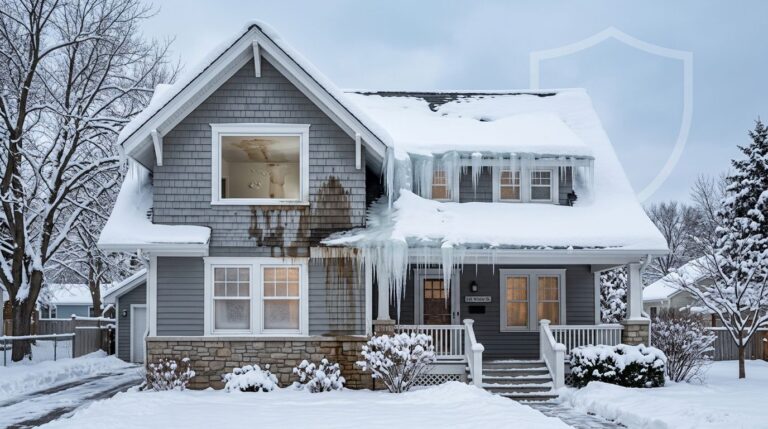
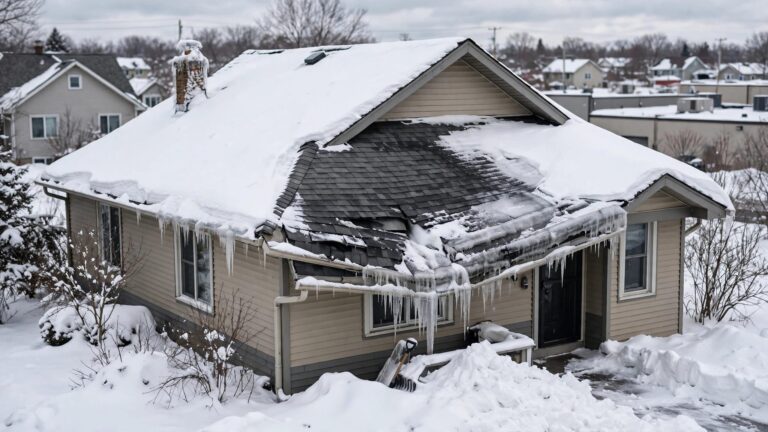
Commercial roof restoration and commercial roof coatings can extend the life of a sound membrane. They do not correct saturated insulation, failed attachment, open flashing, or a damaged deck. Ice dam removal can limit further water entry during a Minnesota winter, but it does not explain or replace a failed flashing detail.
For Saint Paul roofing, Minneapolis roofing, and broader Twin Cities roofing claims, freeze-thaw cycles often expose weak transitions around chimneys, walls, and edge metal. Minnesota roofing scopes should account for the actual roof system and local weather conditions, not a generic repair template.
A union-built roofing report from a qualified crew can help make the facts clear. Ask about credentials relevant to the work, including GAF certified installers, IUPAT Local 96 crews, and MN License 803862.
Get the Roof Protected Without Losing Evidence
Temporary mitigation is different from permanent reconstruction
Stop active water quickly. Use tarps, interior containment, emergency sealing, or a limited dry-in repair when conditions are safe. Save invoices, photos, and labor records.
Avoid tearing off broad roof areas, discarding wet insulation, coating over damage, or replacing flashing before the condition is documented. Early permanent work can make it harder to show whether damage came from a single storm or long-term wear.
If water is actively entering a building, Call 651-703-2336 for 24/7 Emergency Roofing. For a low-slope building, Get a Free Commercial Roof Inspection. Homeowners with a disputed steep-slope scope can Get a Free Residential Roof Estimate.
Final Takeaway
A missing flashing item can turn a covered repair into a future leak. Challenge an insurance roof scope when the evidence shows flashing was damaged, must be removed for covered work, or cannot be reused without compromising the roof.
The strongest dispute is factual and narrow. Show the condition, show the required repair, and tie both to the documented loss.
Frequently Asked Questions
Can insurance pay for flashing if the shingles are the only visible damage?
Yes, if flashing removal or replacement is required to complete the covered shingle repair correctly. The visible damage does not limit the scope to visible materials alone.
What if the adjuster says the flashing can be reused?
Ask for that conclusion in writing and compare it with the contractor’s findings. Photos of nail holes, bends, cracked sealant, corrosion, or damaged laps can show why reuse is not appropriate.
Can I patch flashing before the insurer inspects it?
Use only a temporary patch if water is entering. Photograph the condition first, save receipts, and avoid broad permanent work until the cause and extent are documented.
Does a prior roof repair prevent a new flashing claim?
No. A past patch does not cancel coverage for a new hail strike, wind tear, or puncture in another area. The carrier may separate old maintenance from new covered damage.
What if flashing damage led to interior water damage?
Report both conditions promptly. Coverage often depends on whether a sudden covered event created an opening that allowed water inside, rather than a long-term unresolved leak.
For the larger documentation and claim process, read our Minnesota roof storm damage and insurance claims guide.
Need a roof inspection in Saint Paul or the Twin Cities? Call Sellers Roofing Company at +1-651-703-2336 or schedule a free estimate. We are a black-owned, NMSDC-certified MBE roofing contractor with 9+ years experience.