Last updated: 2026-08-01 by Ted Sellers, Owner
Table Of Contents:
- EPDM Roof Repair: Essential Tips for Longevity
- Introduction
- What Is EPDM Roofing and Why Is It Popular for Roof Repair?
- What Are the Most Common EPDM Roof Problems and Their Causes?
- How Do You Repair an EPDM Roof? Step-by-Step Techniques and Materials
- How Can Regular Maintenance Improve EPDM Roof Longevity?
- Should You Choose DIY or Professional EPDM Roof Repair?
- What Are the Costs and Materials Involved in EPDM Roof Repair?
- What Are the Best Practices for EPDM Roof Repair Safety and Warranty?
- Final Thoughts
- Frequently Asked Questions
EPDM Roof Repair: Essential Tips for Longevity
Introduction
When it comes to protecting a building from the relentless effects of Minneapolis-Saint Paul’s extreme weather conditions, your roof stands as the first line of defense. Over time, constant exposure to harsh elements like heavy rain, snow, and strong winds can lead to wear and tear that compromises not only the roof’s aesthetic appeal, but also its functionality.
This is especially true for EPDM (ethylene propylene diene monomer) roofing systems, which are popular due to their unique blend of durability, flexibility, and affordability. In some cases, roofing experts even wonder “can you put epdm over epdm” when considering repair options.
Despite being engineered for longevity, EPDM roofs may eventually develop issues such as leaks, blistering, and seam separation. Recognizing these challenges early and knowing the right repair and maintenance strategies is crucial for homeowners and business owners looking to maximize their roof’s lifespan.
EPDM roofing has emerged as one of the most favored materials for flat roof installations across commercial and residential settings. Its popularity stems from its ease of installation, resistant properties to ultraviolet rays and harsh weather, and its ability to be cost-effectively repaired and maintained.
However, even the most robust EPDM roofs require periodic maintenance and timely repairs to ensure that minor issues do not escalate into costly damages. In this article, I will delve into the detailed aspects of EPDM roof repair—from an introduction to what EPDM roofing is and why it is generally chosen for roof repair, to a comprehensive discussion of its benefits, common problems, and advanced repair techniques.
Furthermore, I will provide a step-by-step breakdown of various repair strategies, including patching and seam repair methods, cleaning processes that prolong the roof’s life, and the use of roof coatings that offer additional protection from environmental stressors.
Detailed comparisons between DIY repair approaches and hiring professional roofing contractors will also be discussed, along with an analysis of cost factors involved in EPDM roof repairs. Whether you are a seasoned roofing professional or a homeowner facing routine maintenance challenges, this guide is designed to deliver actionable insights that support the informed decision-making process when it comes to EPDM roof repair and upkeep.
By the end of this article, you will better understand the intricacies of EPDM roofing, the most common issues that arise, and the technical nuances of repair techniques that help extend the longevity of your roof. Let’s explore these topics one by one to ensure that your roof remains resilient against extreme weather conditions for many years to come.
What Is EPDM Roofing and Why Is It Popular for Roof Repair?
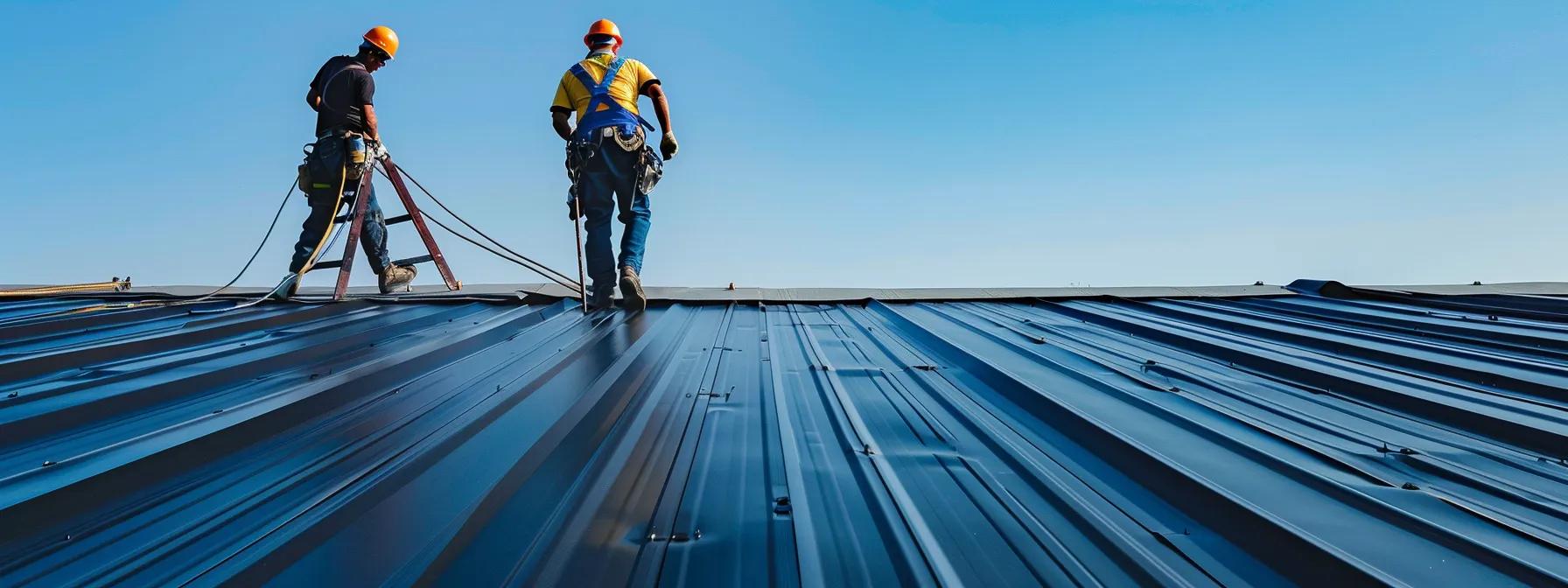
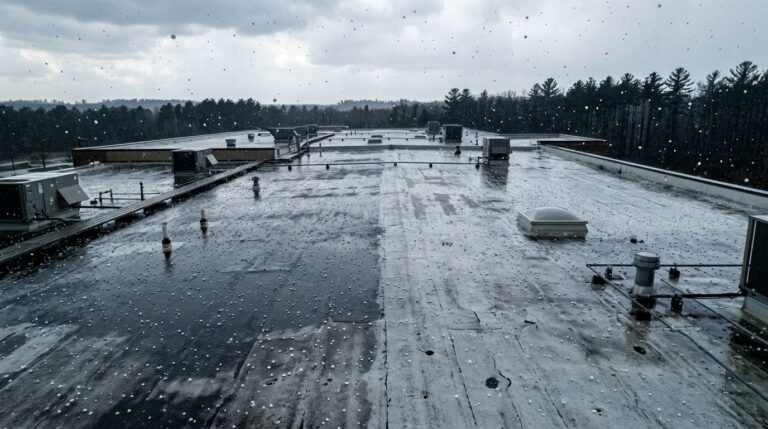
EPDM roofing is a type of synthetic rubber roofing membrane that is widely used in low-slope buildings for both residential and commercial properties. Its exceptional durability, flexibility, and resistance to weathering make it a preferred material for roof repair in areas with extreme climates.
EPDM is popular because it withstands temperature fluctuations, ultraviolet radiation, and heavy precipitation while providing a cost-effective solution that minimizes future repair needs. In addition to its excellent life expectancy, EPDM roofing is lightweight and easy to install, which translates into lower labor costs and minimal disruption during the repair process.
What Are the Key Benefits of EPDM Roofing?
EPDM roofing offers a series of benefits that make it ideal for roof repair and replacement projects. First, its high durability and resistance to UV exposure allow it to maintain elasticity over decades, which is critical in areas with intense sunlight and fluctuating temperatures.
Secondly, EPDM is highly flexible and can withstand the building’s natural movements without cracking—this is particularly important in sealant integrity and adhesion. In addition, EPDM roofing has excellent resistance to ozone, acid rain, and various degrees of chemical exposure, ensuring that it acts as a solid barrier against pollutants and corrosive substances.
Another core advantage is its energy efficiency. EPDM membranes can reflect a significant amount of solar radiation, reducing the heat load on buildings and lowering cooling costs in the summer months. Furthermore, EPDM roofing is environmentally friendly because it is often recyclable at the end of its long service life.
Homeowners and businesses also appreciate that EPDM roofs are relatively easy to repair, which means that small issues such as punctures or seam separations can be addressed before they escalate into more severe problems, preserving the roof’s overall integrity.
Which Types of EPDM Roofing Systems Are Commonly Used?
There are several EPDM roofing system types available, each tailored to specific budgetary and performance requirements. The most common type is the fully-adhered system, where the EPDM membrane is bonded thoroughly to the substrate using special adhesives. This type provides a smooth, seamless finish and excellent wind resistance. Alternatively, mechanically attached systems with fasteners are often chosen in situations where the roof might need to flex or where quick installation is critical.
A third alternative is the ballasted EPDM roofing system where the membrane is laid loosely on the roof deck and held down by a layer of gravel or pavers. Despite the extra weight involved, this system provides some protection against wind uplift.
In addition to these, there are hybrid systems that combine qualities of adhesion and ballasting to offer improved performance under specific environmental stresses. By choosing the right EPDM system based on the building’s structure and local climatic conditions, property managers can significantly improve the overall longevity and performance of their roofs.
How Does EPDM Roofing Work to Protect Your Building?
EPDM roofing functions by creating a continuous, seamless membrane that acts as an effective barrier against water, air, and debris, which are primary contributors to roof deterioration.
The inherent flexibility of EPDM enables it to absorb and adapt to the natural movements of a building, reducing the potential for cracking and leaks. Its chemical composition provides robust resistance to UV radiation and weather-induced degradation, thereby ensuring that the roof remains effective over extended periods of exposure.
The protective properties of EPDM roofing also extend to thermal insulation. By reflecting solar heat and moderating extreme cold, EPDM helps maintain a stable internal temperature, benefiting the overall energy efficiency of the building.
Additionally, the ease of repair and the capability to overlay new coatings or patches further enhance the membrane’s longevity, making it possible to extend the roof’s service life with minimal operational downtime and expense. Combined, these functions not only secure the building from external damage but also contribute to long-term energy savings and enhanced occupant comfort.
What Are the Most Common EPDM Roof Problems and Their Causes?
EPDM roofs, despite their durability, can encounter several problems that may affect their overall performance. Common issues include roof leaks, blistering, cracking, and seam separation. Each of these problems is usually caused by a combination of external factors, such as extreme weather conditions, and internal factors like installation errors or natural aging.
What Causes EPDM Roof Leaks and How Can You Identify Them?
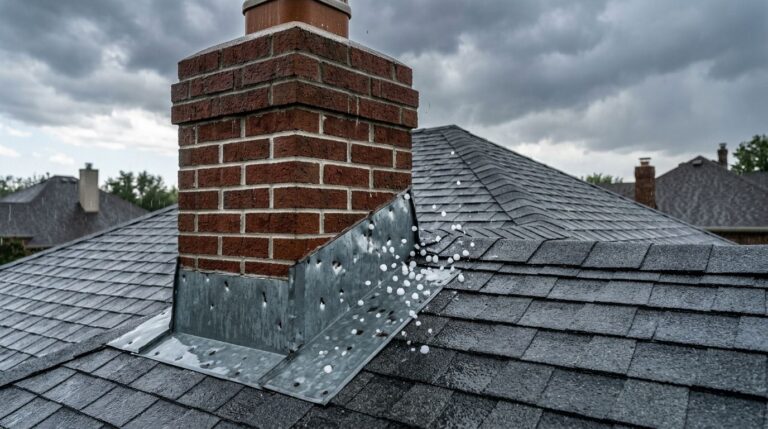
EPDM roof leaks are typically the result of physical damage, improper installation, or prolonged exposure to harsh weather conditions. Leaks can form at seams, flashings, or areas that have sustained punctures from falling debris.
The most common causes include thermal expansion and contraction, which stress the membrane and its adhesive, leading to gaps. In addition, UV degradation over time can lead to embrittlement of the rubber material, making it more vulnerable to tears.
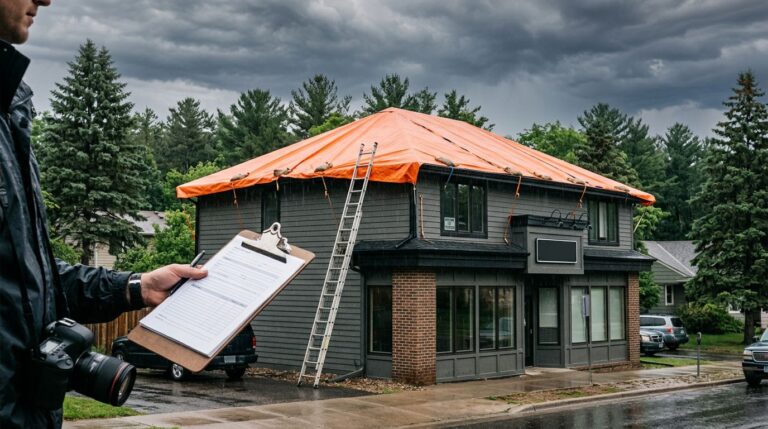
To identify EPDM roof leaks, a thorough inspection is needed. Signs may include damp spots, discoloration, mold growth, or water pooling on the roof. Homeowners should also look for signs of blistering or local accumulation of debris that may indicate water infiltration beneath the membrane. Regular roof inspections, especially after severe weather, are crucial for early detection. Documenting any minor damage can help in planning timely repairs that prevent further deterioration.
How Do Blistering and Cracking Affect EPDM Roofs?
Blistering and cracking are other significant issues that affect EPDM roofs. Blisters occur when moisture or trapped air causes the membrane to separate from its substrate, forming bubbles that compromise adhesion.
Over time, these blisters can rupture, leading to water penetration and further damage. Cracking, on the other hand, usually arises from prolonged exposure to UV rays, temperature extremes, or mechanical stresses such as foot traffic. As the material loses its elasticity, small cracks widen and merge, diminishing the roof’s waterproofing capability.
Both blistering and cracking considerably impact the performance of an EPDM roof, compromising its ability to effectively repel water and sustain structural integrity. In areas where these conditions are common, it is essential to perform regular inspections to catch early signs of degradation. Early intervention by repairing localized damage can prevent more extensive membrane failure and reduce overall repair costs.
What Leads to Seam Separation in EPDM Roofing?
Seam separation is a frequent issue in EPDM roofing systems and is often attributed to poor installation practices or inadequate adhesion. Over time, environmental factors such as temperature fluctuations, UV radiation, and mechanical stress can weaken the adhesive bonds between the overlapping layers of the membrane.
In many cases, seam failure begins with small gaps that gradually widen, ultimately compromising the roof’s ability to hold water out. Factors like improper surface preparation prior to installation and substandard adhesive materials further exacerbate the problem.
Monitoring seam integrity is crucial during routine inspections, as early detection of separation can allow for relatively easy repair. Signs of seam separation include visible gaps, water seepage along the seams, and increased debris accumulation. Addressing seam separation promptly is critical because even minor breaches can lead to significant water damage over time.
How Can You Detect Early Signs of EPDM Roof Damage?
Detecting early signs of EPDM roof damage requires a proactive maintenance approach. Regular visual inspections are essential for identifying minor issues before they evolve into larger problems. Key indicators include discoloration, which suggests UV exposure; bubbling or blistering; and any signs of mechanical damage like punctures or scrapes. It is also important to monitor seams closely, as early separation or lifting at these critical points often signals potential future leak issues.
Using moisture meters and infrared cameras can also help in detecting hidden moisture pockets beneath the membrane—a common precursor to blistering and rot. Early detection not only facilitates timely intervention but also minimizes the overall cost of repair. By establishing a regular maintenance schedule and investing in proper inspection tools, homeowners can effectively extend the life of their EPDM roof and prevent costly emergencies.
How Do You Repair an EPDM Roof? Step-by-Step Techniques and Materials
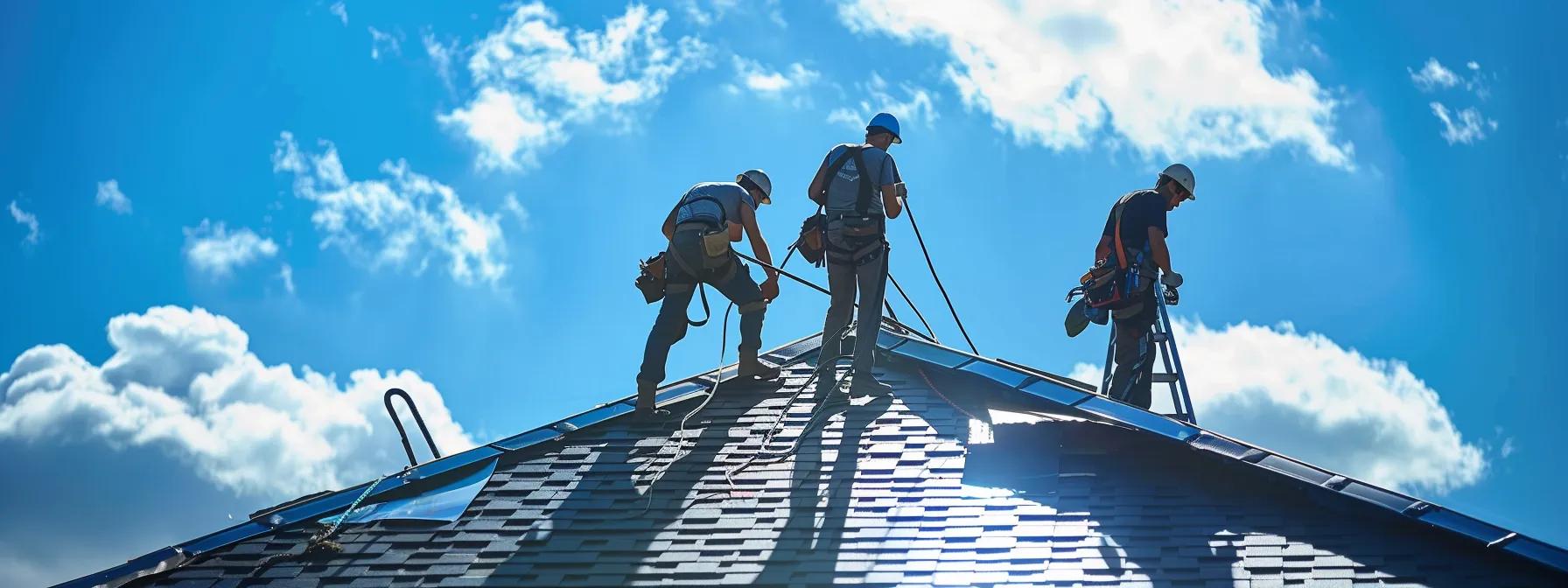
Repairing an EPDM roof requires a systematic approach that addresses the specific issue, be it a puncture, seam separation, blister, or more extensive membrane damage. The overarching goal is to restore the roof’s integrity and waterproofing ability while using materials that match the original EPDM in durability and flexibility.
Common repair procedures include patching damaged areas, resealing seams, cleaning the surface, and applying protective coatings to further extend the life of the roof. The process involves several steps, each important to ensure a long-lasting repair.
What Are the Best Practices for EPDM Roof Patching?
The first step in EPDM roof repair is to address any localized damage through patching. The best practices for patching include thoroughly cleaning the affected area to remove dirt, debris, and any residual adhesive that could interfere with the new bond.
Once the surface is clean and dry, a high-quality EPDM patch material is applied over the damaged area using the appropriate adhesive. It is crucial to use a patch that is slightly larger than the damaged area to ensure complete coverage and a robust seal.
The patch should be pressed firmly into place, and any air bubbles should be removed to ensure an even, flat bond with the existing membrane. It is also advisable to apply an additional bead of sealant around the edges of the patch to reinforce the repair.
This meticulous approach to patching prevents further water infiltration and resists the natural expansion and contraction of the EPDM material. Regular monitoring of patched areas will help determine if further maintenance or additional patches are necessary over time.
How Is EPDM Seam Repair Done Effectively?
Effective EPDM seam repair involves re-adhering or reinforcing the seams where two sections of membrane meet. First, the existing seam must be inspected for any signs of separation, contamination, or fatigue in the adhesive bond. Once these issues are identified, the seam is cleaned meticulously using a solvent recommended by the EPDM manufacturer. After cleaning, a primer is often applied to help the new adhesive bond more effectively.
Modern EPDM seam repair typically employs specialized seam tapes or liquid adhesives designed for rubber membranes. The tape is carefully aligned along the seam, ensuring that no gaps remain. In cases where liquid adhesives are used, a generous layer is applied along the seam, followed by firm pressure to ensure an even distribution.
Using heat, either via a heat gun or a specialized tool, can sometimes help activate the adhesive and promote better bonding. The repaired seam should then be left undisturbed for a specified curing time, ensuring that the seal is robust enough to withstand harsh weather conditions.
What Cleaning Methods Help Maintain EPDM Roof Integrity?
Regular cleaning is paramount to maintaining EPDM roof integrity and extending its service life. The most effective cleaning methods involve a blend of gentle mechanical action and appropriate chemical cleaners. Start by using a soft broom or leaf blower to remove loose debris such as leaves, branches, and dirt. Following this, a low-pressure wash with clear water is advisable to rinse away accumulated particulates without causing damage to the membrane.
For more stubborn stains or organic growth such as algae or mold, a mild detergent or EPDM-specific cleaning solution can be applied using a soft brush or cloth. It is critical to avoid the use of high-pressure washing, as this may force water beneath the membrane or damage the delicate EPDM surface.
After cleaning, ensure the roof is thoroughly dried to prevent moisture from becoming trapped beneath the membrane. This curated maintenance routine not only safeguards the roof from premature deterioration but also prepares the surface for any subsequent repair work or protective coatings.
How Does EPDM Roof Coating Extend Roof Life?
Applying a roof coating is one of the most effective ways to enhance an EPDM roof’s lifespan. Roof coatings create an additional, protective layer over the existing membrane, sealing minor imperfections and offering extra resistance against UV radiation, weathering, and chemical exposure.
The recommended procedure involves first ensuring that the roof is entirely clean and dry, then applying a compatible EPDM roof coating using a roller or squeegee to achieve a smooth, even layer.
These coatings not only improve the reflective properties of the roof, thereby reducing thermal gain but also act as an additional waterproofing barrier.
The coating material is typically a liquid rubber compound that cures to form a durable, seamless membrane. Regular reapplication of the roof coating as part of a scheduled maintenance plan can significantly delay the onset of recycling the roof due to wear and tear. In essence, a well-maintained coating serves as both a repair measure and a preventative strategy against future deterioration.
How Can Regular Maintenance Improve EPDM Roof Longevity?
Regular maintenance is key to ensuring that an EPDM roof remains functional and durable over many years. Proactive inspection and minor repairs can prevent small issues from evolving into large, expensive problems.
By establishing a consistent maintenance schedule, homeowners and building managers can monitor potential issues such as debris accumulation, seam separation, or early signs of material degradation. Consistent maintenance efforts not only identify potential damage early but also provide a controlled environment for implementing preventive measures such as cleaning, resealing, and applying protective coatings.
What Should You Look for During Regular EPDM Roof Inspections?
During routine inspections, it is essential to look for a variety of indicators that signal the health of your EPDM roof. Key aspects to examine include visible wear such as cracks, blisters, or discoloration that may result from UV exposure or weathering.
Check all seams and flashings for any signs of separation or gaps, as these are potential sites for leaks. Examine the entire surface for any foreign objects such as branches, leaves, or accumulated debris that can trap moisture and cause damage over time.
A thorough inspection should also include a review of the roof’s drainage systems to ensure that water is flowing freely away from the building. Detecting any issues early allows you to schedule repairs before minor damage develops into significant deterioration, thereby maximizing the overall lifespan of your roof.
How Do You Properly Clean and Remove Debris From EPDM Roofs?
Cleaning an EPDM roof effectively involves a combination of manual debris removal and a controlled washing process. Begin by removing loose debris with a soft broom or using a leaf blower, ensuring that the surface is free from loose material that can hinder cleaning solutions from contacting the roof. Follow up with a gentle wash using a low-pressure water spray, combined with a suitable cleaning solution specifically formulated for EPDM.
A non-abrasive brush or mop can help in dislodging stubborn dirt without damaging the rubber membrane. It is crucial to rinse the area thoroughly to prevent any residue from compromising the adhesion of future sealants or coatings. By maintaining a clean roof, you not only enhance its appearance but also ensure that the surface remains in optimal condition for repairs and preventative applications.
What Preventative Maintenance Tips Help Avoid Costly Repairs?
Preventative maintenance for EPDM roofs goes beyond regular cleaning and inspections. It is wise to schedule annual or bi-annual checks with a professional roofing contractor to pinpoint issues that might not be evident to a homeowner.
Regular monitoring of seams, flashings, and roof penetrations—such as skylights—facilitates early repair interventions. Additionally, keeping a maintenance log with photographs and detailed notes can help track the evolution of any potential problems over time.
Investing in high-quality roof coatings and sealants during routine maintenance can also serve as a preventative measure, sealing minor imperfections before they intensify. By adhering to these preventive measures, you can avoid emergency repairs and extend the lifespan of your EPDM roof, ultimately preserving the investment you have made in your property.
How Can You Maximize the Lifespan of Your EPDM Roof?
Maximizing the lifespan of an EPDM roof involves a combination of proactive maintenance, timely repairs, and the use of protective coatings.
Homeowners should conduct regular visual inspections and schedule professional evaluations periodically, especially after severe weather events. Addressing minor issues immediately—whether through patching, seam repair, or cleaning—can prevent more significant and costly damage over time. In addition, applying a reflective roof coating not only provides an extra layer of waterproofing but also reduces the thermal stress experienced by the membrane.
Choosing high-quality repair materials and adhesives, compatible with the EPDM material, further solidifies the integrity of the repairs. With a structured maintenance routine and the right repair strategies, you can significantly extend the functional life of your EPDM roof while minimizing overall maintenance costs.
Should You Choose DIY or Professional EPDM Roof Repair?
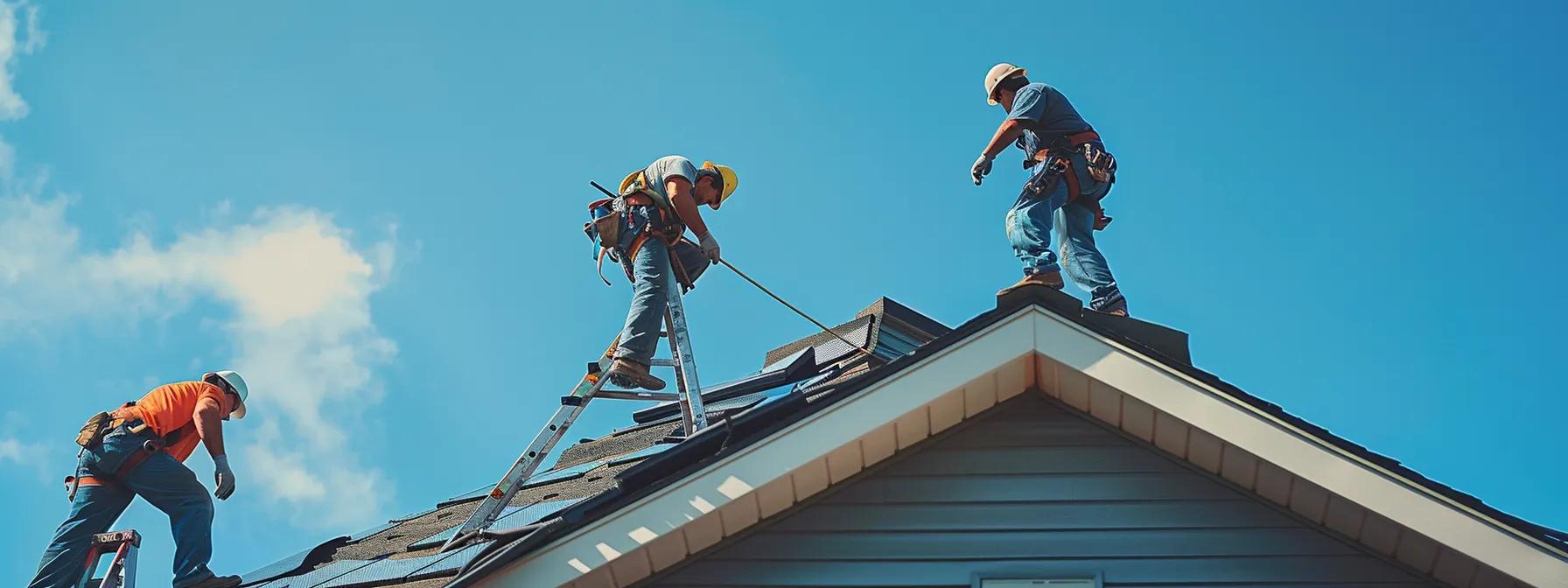
Deciding whether to repair your EPDM roof yourself or hire a professional contractor largely depends on the extent of the damage, your technical expertise, and available time. DIY repairs may be appealing for small, localized issues such as minor punctures or seam separations.
However, professional contractors bring a wealth of experience, proper tools, and advanced materials that can ensure a more durable repair, especially for challenging issues caused by significant weather events.
While DIY can be cost-effective in simple situations, the risk of incomplete repairs or improper material usage may lead to more severe problems down the line. By opting for skilled professionals, you ensure that repairs are conducted in adherence to manufacturer standards and industry best practices, ultimately protecting your investment.
What Are the Pros and Cons of DIY EPDM Roof Repair?
DIY EPDM roof repair offers certain advantages, such as immediate intervention, lower labor costs, and the satisfaction of handling repairs personally. However, the cons include potential mistakes during repair, difficulty in aligning materials properly, and insufficient equipment for complex repairs.
Homeowners who choose the DIY route must have a solid understanding of EPDM material properties and follow strict safety guidelines. Inadequate repairs can lead to recurring issues, resulting in higher costs in the long run. Thus, while DIY repairs may suffice for small areas of damage, larger or more complicated repairs might exceed the average homeowner’s technical skill and risk tolerance.
When Is It Necessary to Hire a Professional Roofing Contractor?
Hiring a professional roofing contractor becomes necessary when damage is extensive or when repairs involve critical areas such as seams, flashings, or roof penetrations. Professionals possess the necessary tools, experience, and certification to diagnose and repair problems effectively while ensuring compliance with local regulations.
If your roof has experienced repeated issues, or if you are unsure about the nature of the damage, engaging an expert contractor can save time, reduce risks, and ultimately lead to a longer lifespan for the roof. Professional contractors offer warranties on their work and access to specialized repair materials especially designed for EPDM, ensuring that repairs meet high-quality standards.
How Do DIY and Professional Repair Costs Compare?
Cost comparisons between DIY repairs and professional EPDM roof repairs vary based on the extent of the damage and the materials required. DIY repairs often appear less expensive initially, as they involve only purchasing high-quality patch materials and adhesives.
However, the risk of improper installation and the resulting incomplete repairs may lead to additional expenses later. In contrast, professional repairs have higher upfront costs due to labor and service fees, but they typically include warranties and higher assurance for long-term performance. Assessing the financial trade-offs, it is often more cost-effective to invest in professional services for significant damage rather than facing repeated repair cycles.
How Do You Find a Qualified EPDM Roofing Contractor Near You?
To locate a qualified EPDM roofing contractor, start by seeking recommendations from local homeowners or business owners who have had similar repair work done.
Online reviews and ratings from trusted sources provide a wealth of information regarding contractor reliability and quality. Ensure that the contractor is fully licensed, insured, and experienced specifically with EPDM roofing systems.
Request detailed quotes from multiple contractors to compare pricing, timelines, and the materials they plan to use. A well-informed contractor will not only be able to perform the repair but will also offer a follow-up inspection and warranty options to ensure long-lasting performance.
What Are the Costs and Materials Involved in EPDM Roof Repair?
Understanding the costs and materials involved in EPDM roof repair is crucial when budgeting for maintenance or unforeseen emergency repairs. The overall cost is influenced by the extent of the damage, the chosen repair method, and the quality of the replacement materials. High-quality adhesives, sealants, patch materials, and protective coatings contribute to a more durable repair but come at a higher initial cost.
Additionally, labor charges for professional repair work may vary by region and the contractor’s expertise. Comprehensive cost estimates should include materials, labor, cleanup, and any additional services such as preventative maintenance applications.
Which High-Quality Materials Are Recommended for EPDM Repairs?
For reliable EPDM roof repairs, using certified high-quality materials is essential. Reputable brands recommend EPDM-specific adhesives that offer superior bonding strength even under extreme weather conditions. High-performance patch materials that are compatible with the original membrane and offer similar durability are also important.
In addition, specialized EPDM roof coatings provide an extra layer of protection by sealing minor imperfections and enhancing UV resistance. These materials ensure that repair work seamlessly integrates with the existing roof system, reducing the risk of future failures. Investing in such high-quality repair materials not only guarantees better performance but also supports the validity of any manufacturer warranties on the roof.
What Factors Influence the Cost of EPDM Roof Repair?
Several factors influence the overall cost of EPDM roof repair. The size of the area needing repair is a primary cost determinant; larger areas require more materials and labor. The extent of the damage—whether it involves minor punctures or major seam separations—also plays a significant role. Additionally, regional labor rates, the expertise of the contractor, and the quality of the materials used significantly affect the final repair cost.
Secondary factors such as accessibility, the presence of obstructions, and the need for supplemental services like debris removal or roof cleaning further modify the expense. By assessing these factors accurately, homeowners can obtain a realistic estimate and compare the budgets for DIY versus professional repair options.
How Does Repair Cost Compare to Full Roof Replacement?
Repairing an EPDM roof is generally more cost-effective than opting for a full roof replacement, especially if the damage is localized. While replacement involves the complete removal of the old membrane and installation of a new one—which can be labor-intensive and expensive—repairs focus on specific problem areas.
However, if the roof is nearing the end of its service life or has widespread issues, replacement might ultimately be more economical. Evaluating the repair cost versus replacement involves considering the roof’s remaining lifespan, the frequency of past repairs, and the long-term benefits of a brand-new system. Conducting a detailed inspection with professional input can help determine which option offers the best balance between upfront costs and long-term reliability.
What Are the Best Practices for EPDM Roof Repair Safety and Warranty?
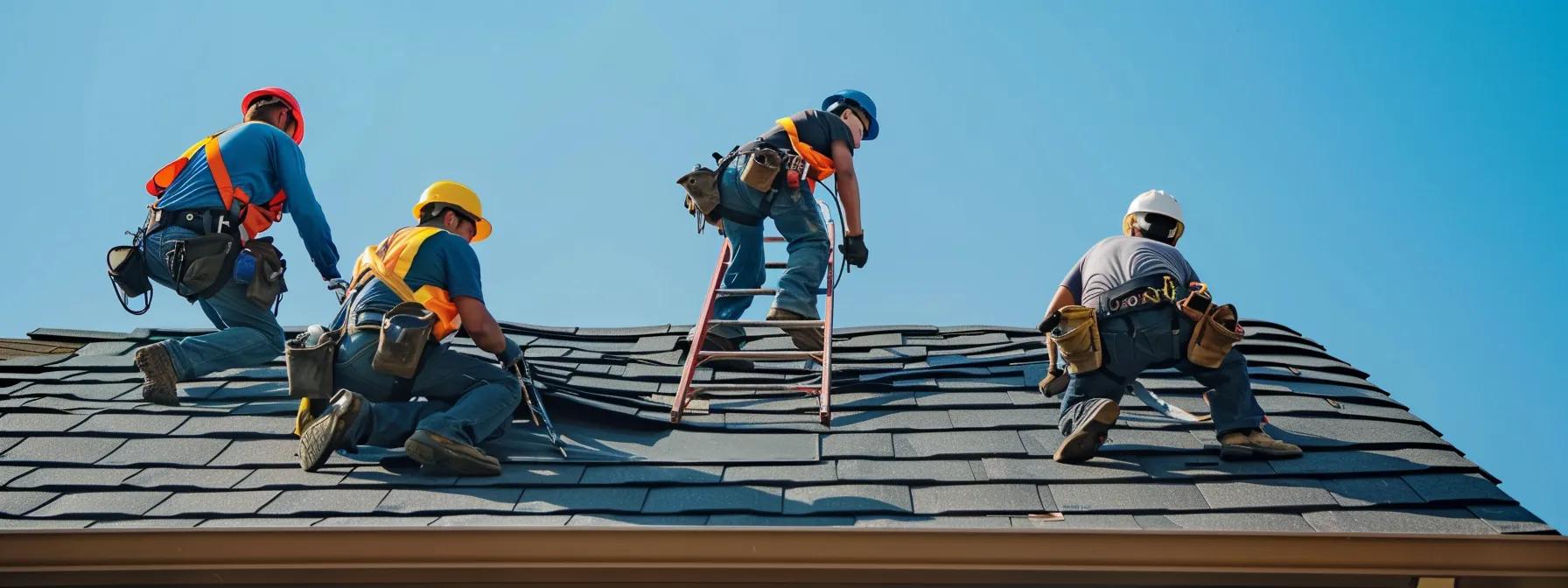
When repairing your EPDM roof, it is vital to follow strict safety protocols and understand the warranty conditions for repair work. Ensuring a safe working environment minimizes the risk of accidents and guarantees that repairs are performed correctly.
Using proper personal protective equipment, adhering to manufacturer safety guidelines, and selecting certified materials are fundamental practices. A clear understanding of warranty terms is also important; many warranties require the use of certified materials and professional installation to remain valid.
By following best practices for safety and ensuring that all repair work is documented and compliant with warranty conditions, homeowners can protect their investment and avoid potential future liabilities.
What Safety Precautions Should You Take During EPDM Roof Repair?
Safety during EPDM roof repair should be the top priority for both DIY enthusiasts and professional contractors. Start by wearing appropriate personal protective equipment (PPE), including gloves, safety goggles, and non-slip footwear. Ensure that ladders and scaffolding are securely set up, and work in a team whenever possible for added protection.
Electrical hazards should always be identified and mitigated before starting repairs. Additionally, avoid working on the roof during extreme weather conditions to minimize the risk of falls or accidental damage. Organizing a well-lit and clean workspace helps reduce environmental hazards and ensures that materials and tools are used safely. Following these precautions helps prevent injuries and ensures that repairs are executed efficiently and professionally.
How Do EPDM Roof Repair Warranties Work?
Warranties for EPDM roof repair work typically cover both materials and workmanship. These warranties guarantee that the repair work will perform satisfactorily for a specified number of years, provided that proper maintenance and usage guidelines are followed.
The contractor or manufacturer generally outlines specific conditions under which the warranty remains valid, including the requirement to use certified repair materials and adherence to be prescribed maintenance schedules.
It is important for homeowners to understand the fine print, such as coverage exclusions and any differences between labor and materials warranty periods. This clarity helps ensure that if future issues arise, the warranty can serve as a valuable safety net against additional repair costs.
Why Is Using Certified Materials Important for Warranty Validity?
Using certified materials during EPDM roof repair is crucial to maintaining warranty validity. Certified materials are tested and approved by manufacturers to meet specific performance standards, ensuring that they are compatible with the original EPDM roofing system.
Failure to use these materials can void warranties, leaving homeowners unprotected in the event of a recurrence of damage. Certified adhesives, sealants, and patches not only perform better but also help maintain the integrity of the entire roofing system. By following manufacturer guidelines and using approved materials, you safeguard both the immediate repair and the long-term performance of your roof, ensuring that your investment is thoroughly protected by the warranty provisions.
Final Thoughts
In summary, EPDM roof repair is a critical component of maintaining the longevity and performance of your roof, especially under harsh weather conditions. By understanding common issues, following step-by-step repair techniques, and committing to regular maintenance, you can ensure that your EPDM roof continues to provide reliable protection for many years.
Weighing DIY options against professional services, along with careful consideration of costs and materials, directly supports a more durable repair outcome. Taking proactive measures now will save you time and money in the long run while preserving the safety and integrity of your building.
Frequently Asked Questions
Q: What makes EPDM roofing different from other roofing materials? A: EPDM roofing is a synthetic rubber membrane that stands out due to its exceptional durability, flexibility, and resistance to extreme weather conditions. Unlike traditional roofing materials, EPDM can handle severe temperature fluctuations and is relatively easy to repair. Its cost-effectiveness and long lifespan make it a popular choice for both new installations and roof repairs.
Q: How often should I inspect my EPDM roof? A: It is recommended to inspect your EPDM roof at least twice a year and after any severe weather events. Regular inspections help identify early signs of damage such as seam separation, blistering, or debris accumulation. Early detection allows for timely repairs, which can prevent minor issues from escalating into more significant, costly problems.
Q: Can I apply EPDM roof coatings myself, or should I hire a professional? A: While it is possible for homeowners to apply EPDM roof coatings themselves, hiring a professional is advisable if you are unfamiliar with the process. Professional application ensures that the coating is applied evenly and effectively, providing maximum protection against UV rays and water infiltration. A professional contractor will also ensure compatibility with your existing roof system.
Q: Is DIY EPDM roof repair safe, and what should I consider before starting one? A: DIY repair can be safe for minor issues like small punctures or loose seams, provided you follow all safety precautions and use the correct materials. However, repairing larger areas or addressing extensive damage requires professional expertise. Consider your skill level, access to proper tools, and the risks involved before undertaking any DIY repair project on your EPDM roof.
Q: How do extreme weather conditions affect EPDM roofing? A: Extreme weather conditions can accelerate wear and tear on EPDM roofing. High UV exposure, heavy rainfall, and temperature fluctuations can lead to issues like cracking, blistering, and seam separation. Regular maintenance and prompt repairs are essential in mitigating these effects. Additionally, applying a reflective coating can help reduce thermal stress on the membrane.
Q: What costs should I expect for EPDM roof repair, and how do they compare to full replacement costs? A: Repair costs for EPDM roofs vary based on the extent of damage and the materials used. Typically, localized repairs such as patching and seam resealing are less expensive than a complete roof replacement. While repair costs can be relatively low, a full replacement involves higher labor and material expenses. Conducting a detailed inspection will help determine the most cost-effective option for your roof’s condition.
Q: How long do EPDM roofs typically last, and what factors influence their lifespan? A: EPDM roofs generally have a lifespan of 25 to 30 years with proper maintenance. Factors influencing longevity include weather exposure, installation quality, regular maintenance, and timely repairs. By adhering to a proactive maintenance schedule and using high-quality repair materials, you can maximize your roof’s durability and protect your investment for many years.
Need a roof inspection in Saint Paul or the Twin Cities? Call Sellers Roofing Company at +1-651-703-2336 or schedule a free estimate. We are a black-owned, NMSDC-certified MBE roofing contractor with 9+ years experience.