Last updated: 2026-08-01 by Ted Sellers, Owner
Local Roof Maintenance Services for Long-Lasting Commercial Roofs: Expert Strategies to Extend Roof Lifespan
Commercial roofs that receive systematic care last up to 50 percent longer than neglected systems, translating into substantial savings and fewer disruptions. In this guide, I outline proven local roof maintenance services that property managers in Saint Paul and Wayzata trust to preserve commercial roof integrity.
You’ll learn why regular upkeep matters, how often to inspect, what a full maintenance plan includes, roof-type best practices, provider selection tips, cost versus ROI analysis, solutions to common roof problems, local climate considerations, and answers to top manager questions—all optimized around local roof maintenance services and our expertise at Roofing Experts St Paul.
Why Is Regular Commercial Roof Maintenance Essential for Longevity?
Regular commercial roof maintenance is a preventative strategy that identifies small issues before they become large failures, ensuring sustained durability and reduced lifecycle costs. Preventative upkeep extends membrane performance, preserves waterproofing, and protects building assets.
What Are the Key Benefits of Preventative Roof Maintenance?
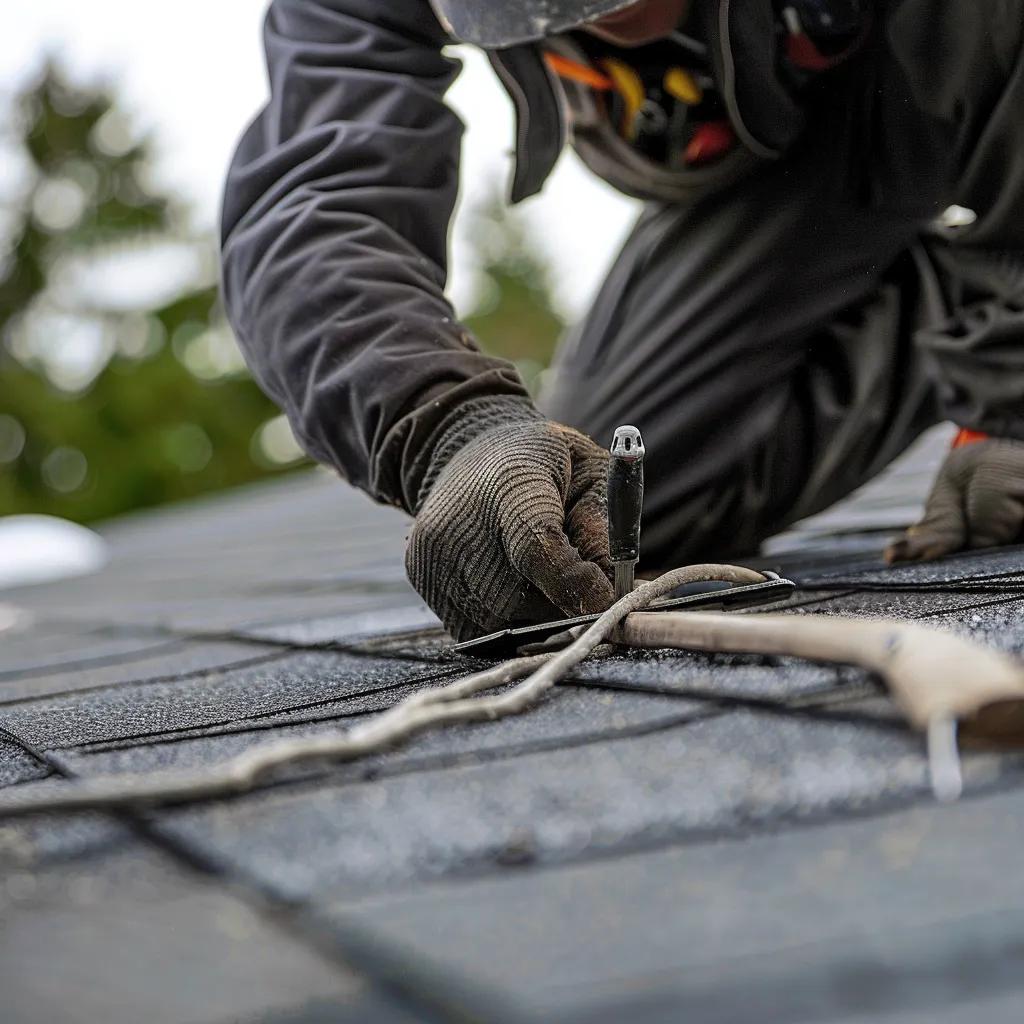
Routine maintenance delivers three primary benefits:
- Enhanced Lifespan – Scheduled inspections and minor repairs prevent material degradation and membrane failure.
- Cost Savings – Early detection of leaks and wear reduces expensive emergency repairs and unplanned downtime.
- Warranty Compliance – Documented maintenance preserves manufacturer warranties and avoids coverage disputes.
These advantages form the foundation for a robust asset-management approach, guiding property managers toward strategic upkeep that sustains roof performance over decades.
Benefits of Preventative Roof Maintenance
Regular roof maintenance can significantly extend a commercial roof’s lifespan and reduce overall costs. Preventative measures help to identify and address minor issues before they escalate into major, expensive repairs, leading to substantial savings over time.
This citation supports the article’s claims about the benefits of preventative maintenance, such as extending roof life and reducing costs.
How Does Maintenance Reduce Repair Costs and Extend Roof Life?
Preventative maintenance intercepts small defects—such as seam separations or blocked drains—before they evolve into major repairs. By sealing cracks, tightening fasteners, and clearing debris, maintenance slows membrane aging and forestalls water infiltration. This approach reduces average repair costs by 30 percent compared to reactive fixes, reinforcing long-term value.
What Role Does Energy Efficiency Play in Roof Maintenance?
Well-maintained roofs reflect solar radiation effectively, improving insulation and lowering cooling loads. Cleaning reflective coatings, repairing punctures in cool‐roof membranes, and resealing edges preserve high albedo performance. As a result, maintenance can improve commercial building energy efficiency by up to 15 percent, directly reducing operating expenses and carbon footprint.
This citation supports the article’s claims about the energy-saving benefits of maintaining a commercial roof.
How Often Should Commercial Roofs Be Inspected and Maintained?
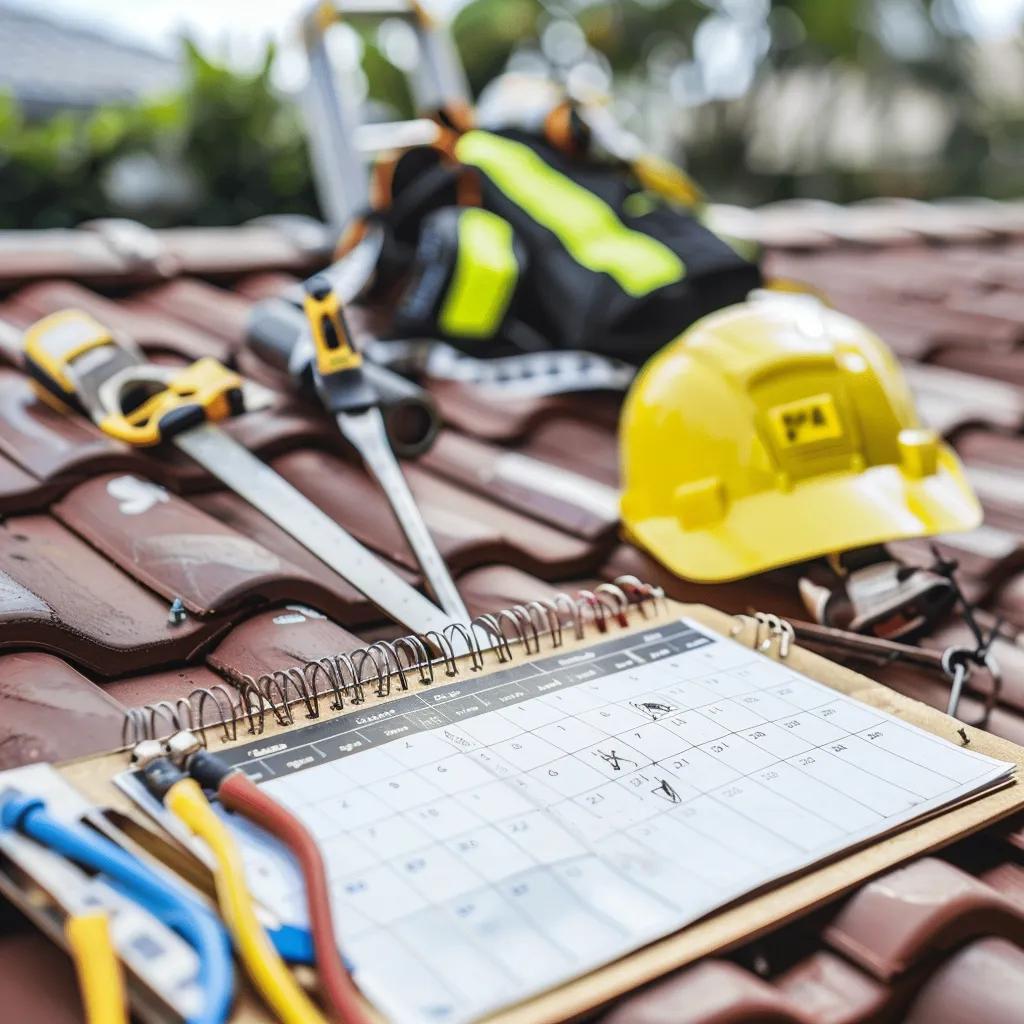
A structured inspection schedule is critical for early issue detection, ensuring consistent roof performance and minimal risk of unexpected failures.
What Is the Recommended Inspection Frequency for Commercial Roofs?
Commercial roofs should undergo inspections at least twice a year—once in spring and again in fall—plus after any extreme weather event. This semi-annual cadence allows technicians to spot freeze-thaw damage, sealant shrinkage, and membrane fatigue before heat stress or ice loading accelerates deterioration.
How Do Weather and Local Conditions Affect Maintenance Schedules?
What Are the Signs That Indicate Immediate Roof Maintenance Is Needed?
Immediate maintenance is warranted when you observe:
- Visible pooling water after rain events
- Curling or blistering membrane sections
- Rust streaks on metal components
- Loose or missing fasteners along seams
Early recognition of these indicators triggers prompt intervention, safeguarding the roof against accelerated wear.
What Are the Core Components of a Comprehensive Commercial Roof Maintenance Plan?
A full maintenance plan combines systematic inspection, cleaning, repair, drainage care, and protective coatings to maximize roof longevity.
How Are Routine Roof Inspections Conducted and What Should They Include?
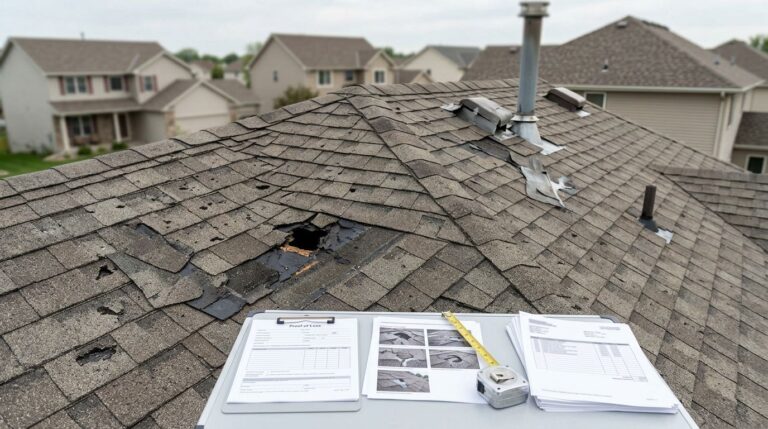
Routine inspections start with a visual survey of all membrane surfaces, flashing, penetrations, and drains, often augmented by drone photography for inaccessible areas. Inspectors check:
- Membrane integrity and seam adhesion
- Flashing and penetration seals
- Drain and scupper functionality
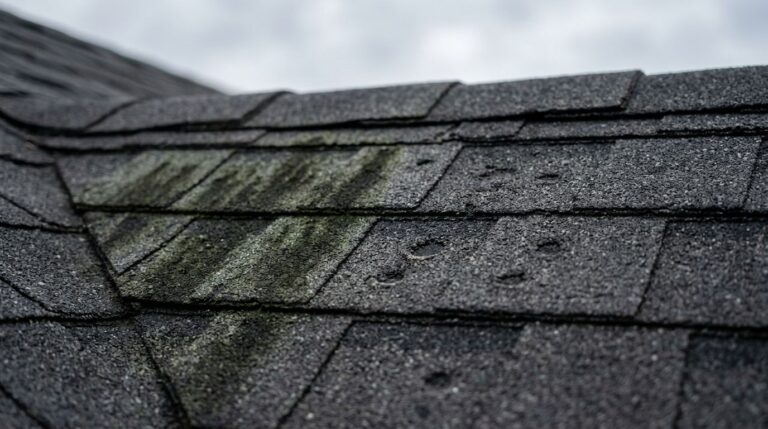
- Evidence of biological growth or staining
This standardized checklist ensures consistent observations and actionable repair recommendations.
Why Is Cleaning and Debris Removal Critical for Roof Health?
Regular cleaning prevents debris accumulation that can trap moisture and promote membrane degradation. Removing leaves, dirt, and gravel from gutters and roof valleys restores proper drainage and prevents ponding. This task preserves waterproofing and readies surfaces for coating applications.
What Minor Repairs Are Common and How Do They Prevent Major Damage?
Minor repair work such as patching small punctures, re-sealing seams, and replacing worn fasteners interrupts damage progression.
How Does Drainage System Maintenance Prevent Ponding Water Issues?
Clearing drains, scuppers, and leaders ensures continuous water flow off the roof. When outlets clog, water can stagnate, adding weight loads and accelerating membrane breakdown. Proper maintenance preserves the drainage geometry designed into the roof system and averts structural stress.
What Are the Benefits and Applications of Commercial Roof Coatings?
Commercial roof coatings restore reflectivity, seal micro-cracks, and enhance membrane performance.
How Do Different Commercial Roof Types Affect Maintenance Needs?
Roofing materials each present unique upkeep requirements. Tailoring maintenance to roof type preserves manufacturer warranties and maximizes performance.
What Are Best Practices for TPO Roof Maintenance?
TPO membranes benefit from routine cleaning of surface dirt and inspection of weld seams. Use non-abrasive detergents to avoid compromising the membrane and inspect flashings annually for weld separation. Address seam integrity early to prevent moisture intrusion.
How Should EPDM Roofs Be Maintained for Maximum Durability?
EPDM systems require regular cleaning to prevent algae growth and careful check of adhesive-sealed seams. Reapply specialized seam tape or splice adhesive where minor unbonding appears. Inspect perimeter metal flashings for corrosion that can lead to membrane tears.
What Unique Maintenance Challenges Do Metal Roofs Present?
Metal roofs face corrosion, fastener fatigue, and seam separation. Inspect fasteners every two years, tighten or replace as needed, and treat corrosion spots with rust inhibitors. Recoat metal panels with compatible sealants to preserve paint coatings and prevent leaks at seams.
How Does Built-Up Roof Maintenance Differ from Other Types?
Built-up roofs (BUR) combine layers of bitumen and reinforcing fabrics. Inspect for ponding water, inspect gravel ballast for displacement, and perform torch-applied or cold-process mopping of new bitumen at flashings. Address cracking and ply separation promptly to maintain multi-layer waterproofing.
How Can Property Managers Choose the Right Local Roof Maintenance Provider?
Selecting a qualified local contractor ensures timely service, regional code compliance, and faster response times for emergency repairs.
What Qualifications and Certifications Should a Commercial Roofing Contractor Have?
Choose contractors with:
- GAF, CertainTeed, or Carlisle installer certifications
- Licensed and insured status with General Liability coverage
- OSHA safety training and consistent job-site protocols
Why Is Local Knowledge Important for Effective Roof Maintenance?
Local specialists understand Saint Paul’s freeze-thaw cycles, municipal codes, and common material wear patterns. For example, our Wayzata Roofing Services team leverages years of regional experience to tailor maintenance schedules and product choices to local conditions. Wayzata commercial roof maintenance Local familiarity ensures compliance with city ordinances, streamlines permitting, and aligns with local climate realities.
How Do Customer Reviews and Case Studies Demonstrate Service Quality?
Review platforms and detailed project case studies reveal responsiveness, workmanship standards, and quantifiable outcomes—such as energy-savings percentages or warranty claims prevented. These testimonials build trust by showcasing real-world results and long-term maintenance success.
What Is the Cost and ROI of Commercial Roof Maintenance Services?
Investing in regular upkeep yields measurable savings versus full roof replacement and supports budget forecasting.
How Does Preventative Maintenance Save Money Over Roof Replacement?
Preventative maintenance typically costs a fraction—often 10–15 percent—of full reroofing expenses and can delay replacement by 8–12 years. By minimizing emergency repairs, property managers reduce capital outlay and avoid business-interrupting closures.
What Factors Influence Commercial Roof Maintenance Pricing?
How Can Maintenance Extend Warranty Validity and Roof Lifespan?
Manufacturers require documented maintenance to honor warranties. A formal maintenance log demonstrates compliance, preserving coverage for membrane defects and material failures. Continued inspections and corrective actions support warranty claims and prolong membrane life expectancy.
What Are Common Commercial Roof Problems and How Does Maintenance Address Them?
Proactive maintenance directly resolves typical roof issues before they escalate into full failures.
How Are Roof Leaks Detected and Prevented Through Maintenance?
Infrared scans and visual inspections reveal moisture retention in insulation and membrane layers. Sealing seam delamination, repairing flashing failures, and replacing worn boot seals near penetrations prevent water ingress at its earliest stage.
What Causes Ponding Water and How Is It Resolved?
Ponding water arises from clogged drains, improper slope, or structural deflection. Maintenance crews clear drainage paths, install tapered insulation where needed, and adjust scupper heights to restore positive water flow off the roof.
How Does Maintenance Prevent Membrane Damage and Material Deterioration?
Cleaning debris prevents membrane abrasion, while resealing edges and flashings stops wind-driven water uplift. Applying protective coatings shields membranes from UV and chemical exposure, slowing polymer breakdown and preserving elasticity.
How Does Local Climate in Saint Paul and Surrounding Areas Impact Roof Maintenance?
Saint Paul’s climate demands tailored schedules and materials to withstand extremes and regulatory requirements.
What Regional Weather Challenges Affect Commercial Roofs in Saint Paul?
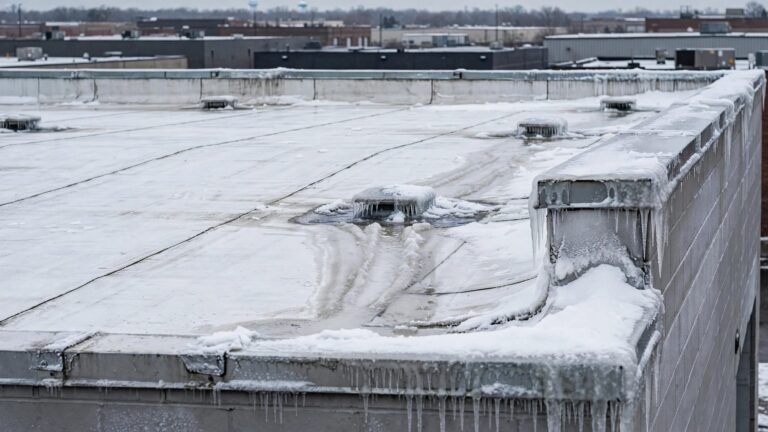
High snowfall loads, freeze-thaw cycling, hailstorms, and spring runoff place unique stress on membranes and drainage systems. Maintenance must account for rapid snow removal, ice-dam prevention, and hail damage assessments to maintain roof integrity year-round.
How Do Local Building Codes Influence Maintenance Practices?
City regulations outline minimum R-values, stormwater runoff controls, and anchor requirements for rooftop equipment. Local contractors ensure maintenance adheres to code-specified clearance, flashing details, and permitting protocols, reducing compliance risks.
What Are Common Roof Issues Specific to the Saint Paul and Wayzata Areas?
In Wayzata’s proximity to Lake Minnetonka, higher humidity often leads to moss growth on low-slope roofs. Seasonal pollen accumulation can clog drains, while thermal cycling accelerates sealant shrinkage. Awareness of these local factors shapes effective maintenance strategies.
What Frequently Asked Questions Do Property Managers Have About Commercial Roof Maintenance?
How Often Should a Commercial Roof Be Inspected?
Commercial roofs warrant inspection at least twice per year—in spring and fall—and following severe weather to detect damage promptly.
What Tasks Are Included in Commercial Roof Maintenance?
A comprehensive maintenance visit includes a full rooftop survey, debris removal, drain clearing, seam and flashing evaluation, minor sealant repairs, and a written report with recommendations.
How Much Does Commercial Roof Maintenance Typically Cost?
Maintenance costs range from $0.10 to $0.25 per square foot per visit, depending on roof type, accessibility, and service scope.
What Are the Benefits of Preventative Roof Maintenance?
Preventative maintenance extends roof life, reduces emergency repair expenses, maintains energy efficiency, and preserves manufacturer warranties.
How Long Can Commercial Roofs Last With Proper Maintenance?
With consistent care, commercial roofs can achieve service lives of 25 to 35 years, compared to 15–20 years under reactive maintenance models.
Commercial roof maintenance is a critical investment that safeguards building assets and optimizes lifecycle costs. By following a structured schedule, deploying targeted repairs, and leveraging local expertise in Saint Paul and Wayzata, property managers can extend membrane lifespans, maintain energy performance, and protect warranties. Partnering with a qualified roofing contractor ensures your commercial roof remains a dependable shield against the elements.
Need a roof inspection in Saint Paul or the Twin Cities? Call Sellers Roofing Company at +1-651-703-2336 or schedule a free estimate. We are a black-owned, NMSDC-certified MBE roofing contractor with 9+ years experience.