Last updated: 2026-10-23 by Ted Sellers, Owner
Local Roof Repair Services for Storm Damage Recovery: Expert Solutions for Homeowners
A sudden hailstorm or high winds can leave your roof vulnerable to leaks and structural issues within hours. In this guide, we share how local roof repair services for storms deliver fast, professional solutions for hail, wind, water, and debris damage. We’ll cover the most common damage types, step-by-step assessment techniques, repair processes, insurance navigation, cost factors, seasonal preparedness, the urgency of prompt action, and how to choose a qualified local contractor. As roof repair experts in St. Paul, we combine hands-on experience with advanced tools—like drone inspections—to restore your home and streamline insurance claims.
What Are the Common Types of Storm Damage Affecting Local Roofs?
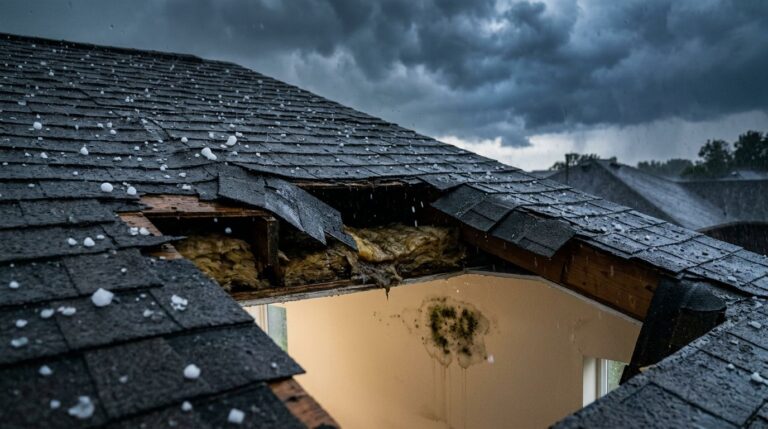
Storm damage on local roofs falls into four main categories, each impacting shingles, metal panels, and underlying structures differently. Recognizing these damage types helps homeowners and contractors prioritize repairs and prevent secondary issues like mold or rot.
Each damage type demands specific inspection techniques and repair methods to restore roof integrity and prevent future leaks. Identifying these categories sets the stage for thorough damage assessment.
How Does Hail Damage Impact Residential and Commercial Roofs?
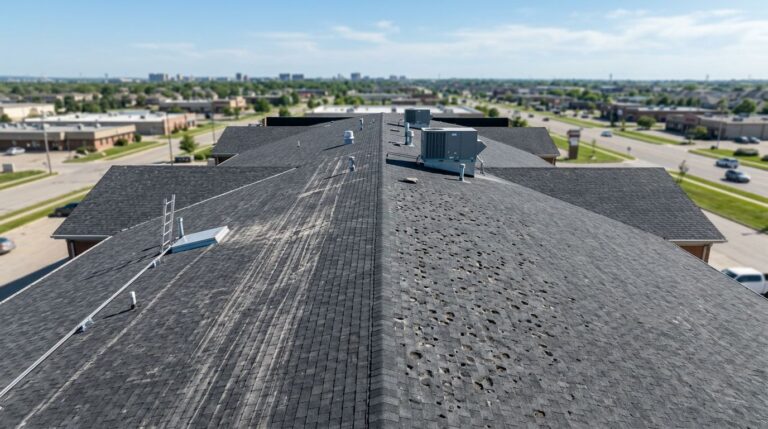
Hail damage occurs when frozen precipitation strikes roofing surfaces at high speed, cracking shingles and dislodging granules. This mechanism weakens weather barriers and accelerates wear on asphalt, metal, and tile roofs. For example, a quarter-sized hailstone can create impact marks that lead to micro-fractures in shingle granules, reducing sun protection and water runoff. Understanding hail’s impact is essential before moving on to a full roof inspection.
Hail Damage Impact on Roofing Materials
Hailstones can cause significant damage to be roofing materials, leading to micro-fractures in shingles and reducing their ability to protect against sun and water. This damage can accelerate the wear and tear on asphalt, metal, and tile roofs, potentially leading to leaks and structural issues if not addressed promptly.
This research supports the article’s discussion of hail damage and its impact on various roofing materials.
What Are the Signs of Wind Damage on Your Roof?
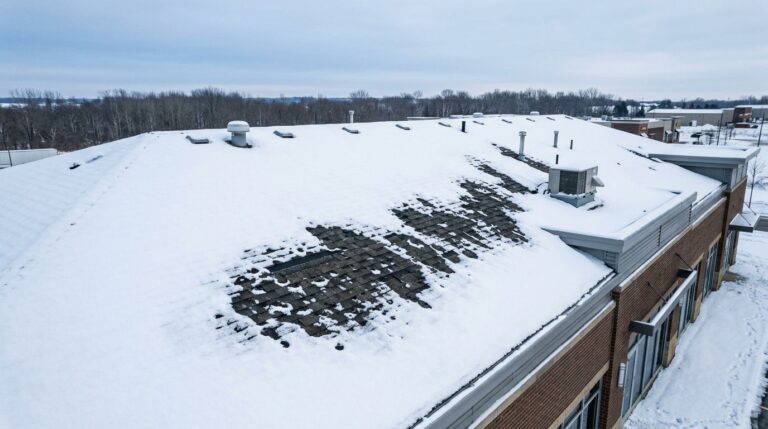
Wind damage lifts shingles at the edges and can tear off entire sections, exposing underlayment to rain. Visible indicators include curled or buckled shingles, loose nails at ridge vents, and displaced flashing around chimneys. Hidden signs, like lifted underlayment and loosened fasteners, require manual inspection. Recognizing wind damage guides us to the next step: comprehensive assessment methods.
How Can Water Damage Affect Your Roof and Home Structure?
Water intrusion from storm damage leads to rotted decking, compromised insulation, and interior ceiling stains. Leaks often start at flashings, vents, and penetrations, then travel along roof beams before appearing in living spaces. Early detection of water damage prevents mold growth and structural degradation. These risks make prompt inspection critical, which we’ll explore in detail next.
What Is Debris Damage and How Does It Compromise Roof Integrity?
Falling branches and loose materials can puncture shingles, dent metal panels, and crack tiles. Debris damage creates entry points for water and pests, accelerating deterioration of roofing systems. After clearing debris, a targeted repair plan restores protective layers and prevents leaks, leading naturally into our damage assessment process.
How Do You Identify and Assess Roof Damage After a Storm?
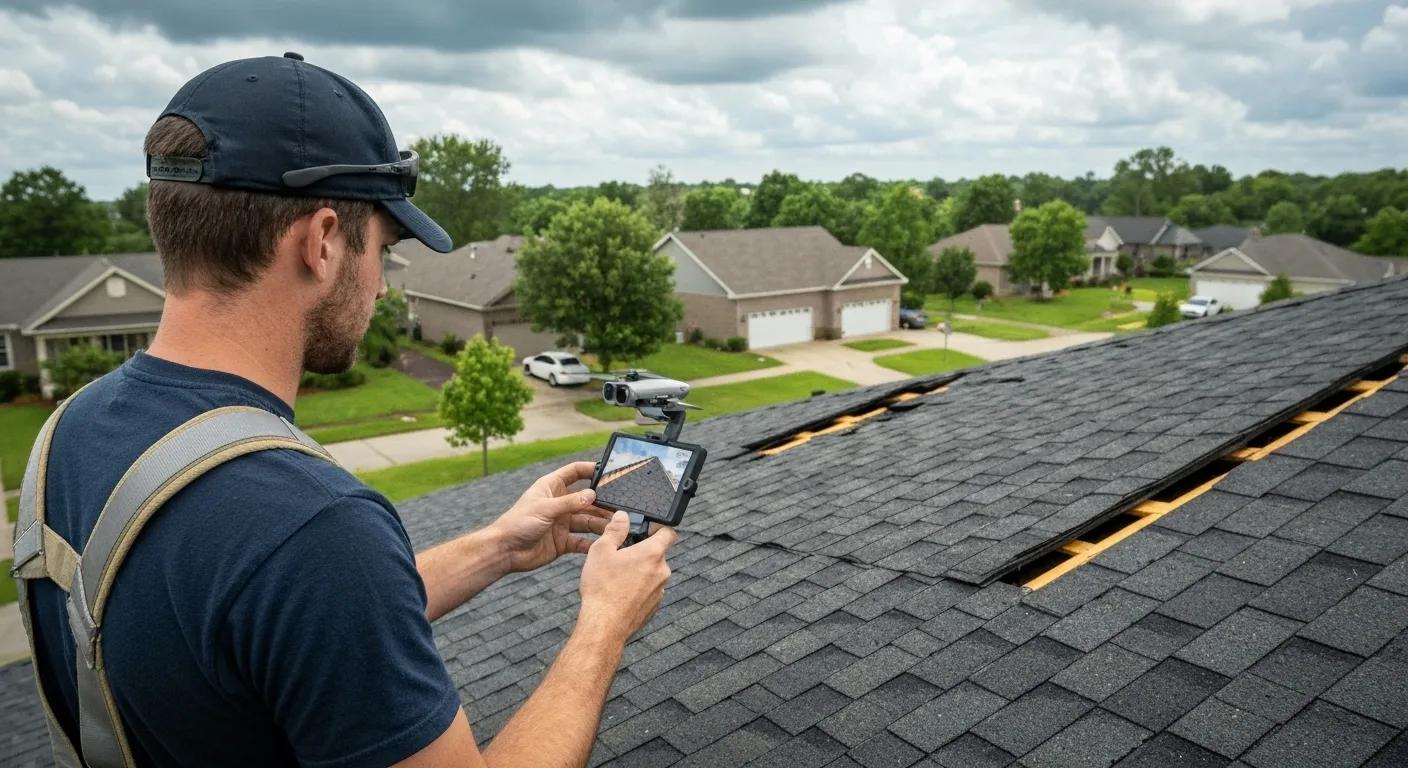
A thorough damage assessment combines visual inspection with advanced tools to reveal both obvious and hidden issues. Early identification of weak spots informs repair priorities and insurance documentation.
Before listing signs, one must understand where and how to look. We begin with what homeowners often see and then move into concealed damage that only specialized methods reveal.
- Shingle Anomalies: Look for missing, cracked, or blistered shingles on the roof surface.
- Gutter Granule Accumulation: Check gutters for shingle granules, which indicate hail impact.
- Interior Water Stains: Inspect attic and ceiling areas for moisture marks or mold.
- Structural Deformities: Examine fascia and soffits for warping or loosening.
These visual cues provide initial evidence of storm damage. Next, we discuss how drone inspections uncover less obvious issues.
How Are Professional Roof Inspections Conducted Using Drone Technology?
Drone inspections use high-resolution cameras to document roof conditions without putting anyone at risk. A licensed operator flies over the roof, capturing detailed images of damage to shingles, flashing, and gutters. This mechanism improves safety, speeds up assessment, and generates an accurate report. After drones confirm damage locations, contractors plan targeted repairs that we outline in the next section.
When Should You Schedule an Emergency Roof Tarping Service?
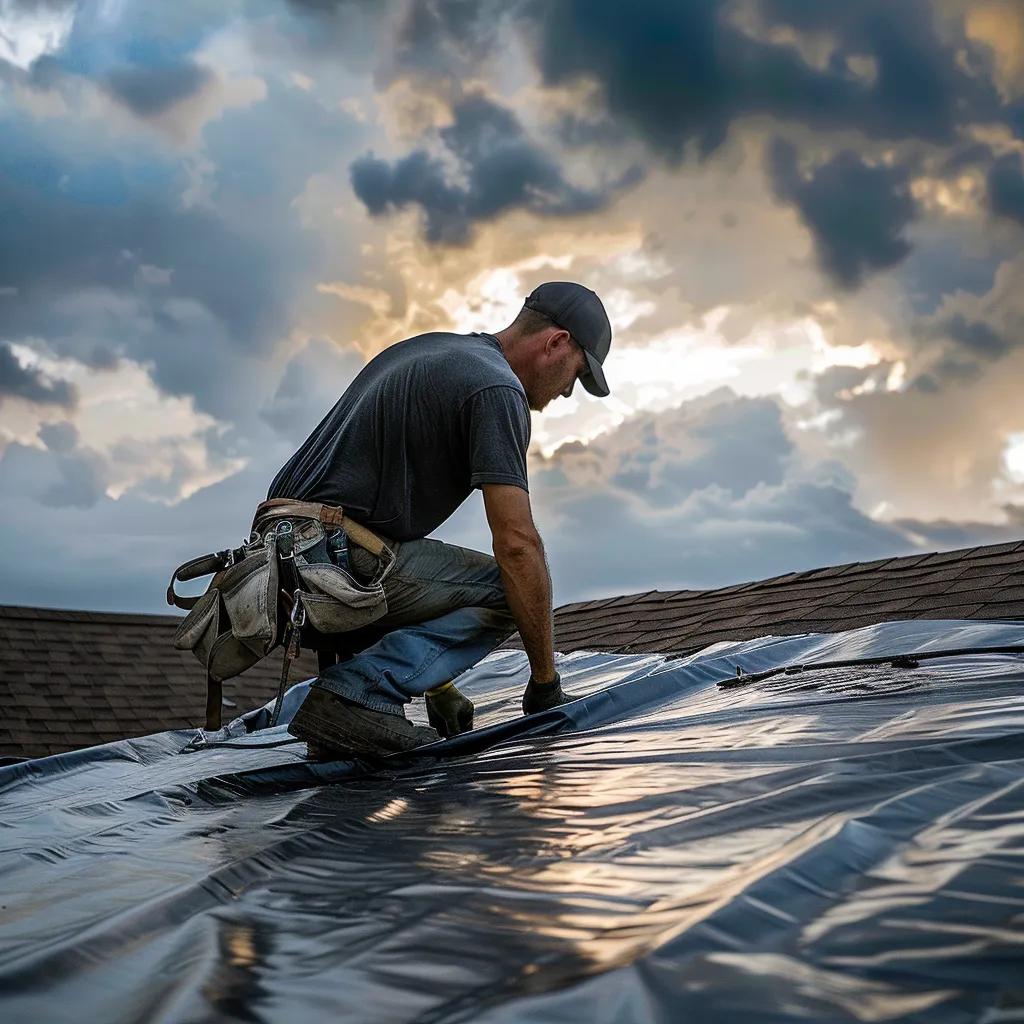
Emergency tarping is required when storm damage exposes your home to immediate water intrusion. If you spot active leaks or large missing sections of shingles, call for temporary tarping within 24 hours to prevent interior damage. Emergency tarping secures the roof while awaiting permanent repairs, bridging the gap between damage assessment and comprehensive restoration.
What Is the Step-by-Step Roof Repair Process for Storm Damage Recovery?
The storm damage repair process follows a clear sequence to restore protection, starting with inspection and ending with quality checks. Understanding each step helps homeowners anticipate timelines and costs.
- Initial Inspection – Perform a detailed assessment (visual and drone) to catalog damage.
- Emergency Tarping – Apply a waterproof barrier if immediate exposure to rain exists.
- Insurance Documentation – Prepare and submit photos, inspection reports, and estimates.
- Material Selection – Choose matching shingles or metal panels for seamless repair.
- Damage Repair – Replace or patch damaged roofing components and secure fasteners.
- Quality Assurance – Conduct a final walkthrough and verify seal integrity.
- Cleanup and Disposal – Remove debris and old materials, leaving the site safe and clean.
This structured approach enhances transparency and minimizes delays before we examine specific contractor responsibilities.
How Do Licensed Roofing Contractors Manage Storm Damage Repairs?
Licensed contractors follow building codes, safety protocols, and manufacturer guidelines to execute repairs. They coordinate permits, secure materials, and use proper fastening techniques to ensure wind resistance and watertight seals. Their role bridges assessment with high-quality restoration that withstands future storms.
When Is Roof Replacement Necessary After Severe Storm Damage?
Roof replacement becomes necessary when over 30% of the surface is compromised, underlayment is rotten, or structural elements are weakened. In such cases, patching may only provide short-term relief while replacement restores complete protection. Evaluating replacement requirements informs cost estimates, which we’ll address shortly.
How Are Metal Roofs Repaired Differently from Asphalt Shingle Roofs?
Metal roof repairs focus on sealing punctures and replacing damaged panels, while asphalt shingle repairs require matching granule patterns and shingle tabs. Metal repairs use specialized sealants and fasteners to preserve panel alignment and prevent corrosion. Each material demands unique mechanics before moving on to insurance claims support.
How Can Homeowners Navigate Insurance Claims for Storm Damaged Roofs?
Filing a successful insurance claim requires clear documentation and proactive communication with adjusters. Understanding required paperwork streamlines approval and funding for repairs.
What Documentation Is Needed to File a Roof Storm Damage Insurance Claim?
To file a claim, homeowners need:
- Detailed Photos of all damaged areas
- Inspection Report from a certified roofing expert
- Repair Estimate with line-item costs
- Receipts for any emergency tarping services
- Policy Information including deductible and coverage limits
Collecting these documents up front reduces back-and-forth with your insurer and moves repairs forward.
How Do Roofing Experts Assist with Insurance Adjusters and Claim Approval?
We act as the liaison between you and the insurance adjuster, explaining technical damage findings and ensuring all areas are assessed. By presenting a comprehensive report and addressing adjuster questions on-site, we help secure approval and maximize coverage for your storm repairs.
Are Emergency Roof Tarping Services Covered by Homeowner’s Insurance?
Most homeowner policies cover emergency tarping as a temporary repair to prevent further damage. Provided you file promptly after the storm event, emergency tarping costs are typically reimbursed, reducing out-of-pocket expenses and safeguarding your home while permanent repairs are scheduled.
What Are the Typical Costs Associated with Storm Damage Roof Repair?
Repair costs vary by damage severity, roof material, and regional labor rates. Understanding these factors helps you budget accurately and prepare for insurance deductibles.
Costs escalate when structural decking or underlayment requires replacement. Let’s see how material type and policy details influence final expenses.
How Do Repair Costs Vary by Damage Type and Roof Material?
Hail and wind damage on asphalt shingles tends to be less costly than metal panel repairs, while water damage that reaches decking can double labor expenses. Debris-caused punctures often need specialized patch kits, increasing material costs. Matching repair methods to the damage type controls overall pricing.
What Factors Influence Insurance Coverage and Out-of-Pocket Expenses?
Your deductible, policy limits, and coverage for secondary damage determine out-of-pocket costs. Policies with lower deductibles mean smaller personal expenses but higher premiums. Understanding these variables before filing a claim helps you choose repair options that align with your budget.
How Can Homeowners Prepare Their Roofs for Upcoming Storm Seasons?
Proactive maintenance strengthens roof resilience and reduces repair needs after severe weather. Effective preparation combines routine inspections with small preventive actions.
What Are Effective Storm Preparedness Tips for Roof Maintenance?
Regularly inspect shingles, flashing, and gutters to spot wear and tear early. Clear leaves and debris, tighten loose fasteners, and replace cracked sealant around roof penetrations. These steps improve water runoff and wind resistance, setting the stage for risk reduction.
How Do Gutter Cleaning and Tree Trimming Reduce Storm Damage Risks?
Clean gutters prevent water backup and ice dams, while trimmed branches avoid impact punctures and weight stress. Removing overhanging limbs reduces debris strikes, protecting shingles and preventing moisture buildup under the roof membrane.
Why Is Prompt Action Critical After Storm Damage to Your Roof?
Addressing storm damage quickly prevents minor issues from escalating into costly structural repairs and health hazards. Immediate steps preserve home integrity and indoor air quality.
What Are the Risks of Delaying Roof Repairs After a Storm?
Delays allow water intrusion to rot decking, support mold growth, and erode attic insulation. Extended exposure can compromise load-bearing rafters and increase repair costs by up to 50%. Acting fast limits water-related damage and structural weakening.
Importance of Prompt Action After Storm Damage
Delaying roof repairs after a storm can lead to severe consequences, including water intrusion, mold growth, and structural damage. Addressing storm damage quickly is crucial to prevent minor issues from escalating into costly repairs and health hazards, preserving the home’s integrity and indoor air quality.
This citation reinforces the article’s emphasis on the risks associated with delaying roof repairs after a storm.
How Does Emergency Roof Repair Prevent Further Structural and Mold Damage?
Temporary tarping and patch repairs block water entry, protect insulation, and halt mold spores from spreading. These measures maintain a dry interior and stable structure while permanent restoration is completed, safeguarding your home and health.
How Do You Choose a Qualified Local Roofing Contractor for Storm Damage Repair?
Choosing a certified, experienced contractor ensures repairs meet code, maximize durability, and simplify insurance claims. For homeowners in Wayzata, we deliver specialized Wayzata storm damage roof repair services guided by local expertise and proven results.
What Licensing and Certification Should You Look for in Storm Damage Specialists?
Confirm contractors hold a valid state roofing license, carry general liability insurance, and are certified by major shingle manufacturers. These credentials guarantee adherence to industry standards and access to warranty programs for your repair materials.
How Does Local Expertise Benefit Your Storm Damage Roof Repair?
Local contractors understand Minnesota building codes, typical storm patterns, and supply chain nuances in St. Paul and Wayzata. Their area-specific knowledge speeds permit approvals and ensures repairs withstand regional weather extremes.
What Questions Should You Ask Before Hiring a Roofing Contractor?
Ask about past storm recovery projects, emergency response times, warranty terms, and insurance claim support. Inquire how they document damage and communicate with adjusters to confirm they’ll handle both repairs and paperwork smoothly.
Repairing storm-damaged roofs demands precise assessment, skilled execution, and clear insurance navigation. By understanding damage types, following a step-by-step repair process, and selecting a licensed local contractor, homeowners protect their investments and maintain a safe, watertight home. Prompt action and proactive maintenance ensure your roof withstands future storms and keeps your family secure.
Need a roof inspection in Saint Paul or the Twin Cities? Call Sellers Roofing Company at +1-651-703-2336 or schedule a free estimate. We are a black-owned, NMSDC-certified MBE roofing contractor with 9+ years experience.