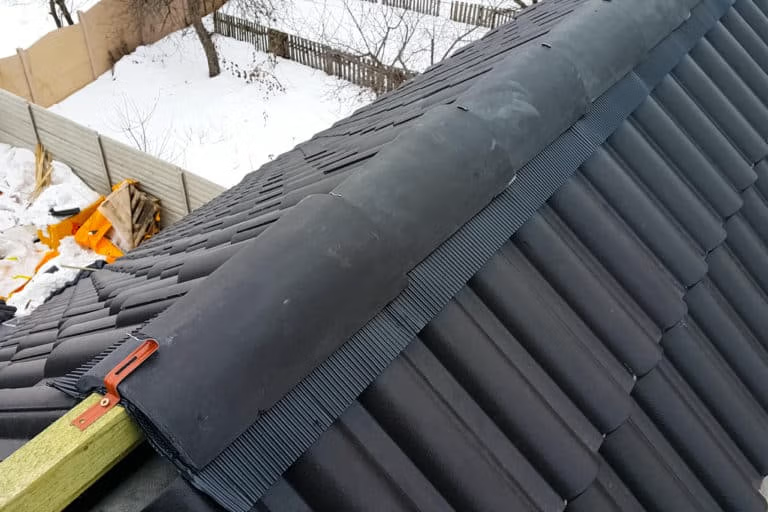
Last updated: 2026-05-26 by Ted Sellers, Owner
Master Roof Leak Repair Techniques for Lasting Results: Expert Methods for Permanent Leak Solutions
A single unnoticed drip can escalate into thousands of dollars in structural damage over time. Master roof leak repair techniques combine precise detection, durable materials, and proven repair methods to deliver lasting waterproofing and peace of mind.
In this guide, you will discover the root causes of leaks and their impacts, advanced methods to pinpoint hidden breaches, step-by-step permanent repair procedures, material recommendations for maximum longevity, preventative maintenance strategies, cost considerations, and specialized solutions for every roof type.
By following expert insights on flashing, shingle, flat roof and skylight repairs, along with membrane and sealant selections, you’ll achieve permanent solutions that stand the test of time.
What Are the Most Common Causes of Roof Leaks and Their Impact?
Roof leaks originate from a variety of defects in materials, installation, or maintenance processes, each leading to specific damage patterns that undermine structural integrity. Understanding these primary causes clarifies repair priorities and prevents repeat failures. For example, weather-induced shingle degradation allows water intrusion that rots decking and promotes mold growth, costing homeowners thousands in remediation.
How Do Weather, Age, and Installation Issues Cause Roof Leaks?
Extreme temperatures, UV exposure, and wind uplift gradually weaken roofing materials and underlayment adhesion, creating microscopic cracks that develop into active leaks. Over decades, shingle brittleness increases, resulting in curling or granule loss. For instance, a 20-year asphalt roof typically shows granule erosion around hip lines, indicating imminent penetrations and water entry.
Why Is Damaged Flashing a Leading Cause of Roof Leaks?
Flashing serves to direct water away from roof joints and penetrations, and when corrosion or improper overlap occurs, capillary action draws moisture into the structure. Rusted chimney flashing often separates from masonry, forming gaps that channel rain into attic spaces, compromising insulation and framing.
Roof Flashing and Leak Prevention
Flashing, typically made of metal, is crucial for directing water away from roof joints and penetrations. Improper installation or damage to flashing is a leading cause of roof leaks, potentially leading to significant structural damage.
This citation supports the article’s emphasis on the importance of proper flashing and its role in preventing roof leaks.
How Do Clogged Gutters and Pipe Boot Failures Contribute to Leaks?
Blocked gutters induce water backflow under eaves, saturating fascia boards and underlayment edges. Likewise, cracked or deteriorated pipe boots lose their seal, allowing water to run directly into roof sheathing. Combined, these secondary failures hasten rot around soffits and vent penetrations.
What Are the Effects of Water Damage from Untreated Roof Leaks?
Left unchecked, roof leaks result in interior stains, structural wood decay, insulation compression, mold proliferation, and electrical hazards. Over time, load-bearing rafters can warp, leading to sagging ceilings and costly structural repairs that far exceed initial sealing expenses.
Roof leak causes define the scope of repair actions to follow, setting the stage for precise detection methods that pinpoint hidden breaches in your roofing system.
How Can Advanced Roof Leak Detection Methods Pinpoint Hidden Leaks?
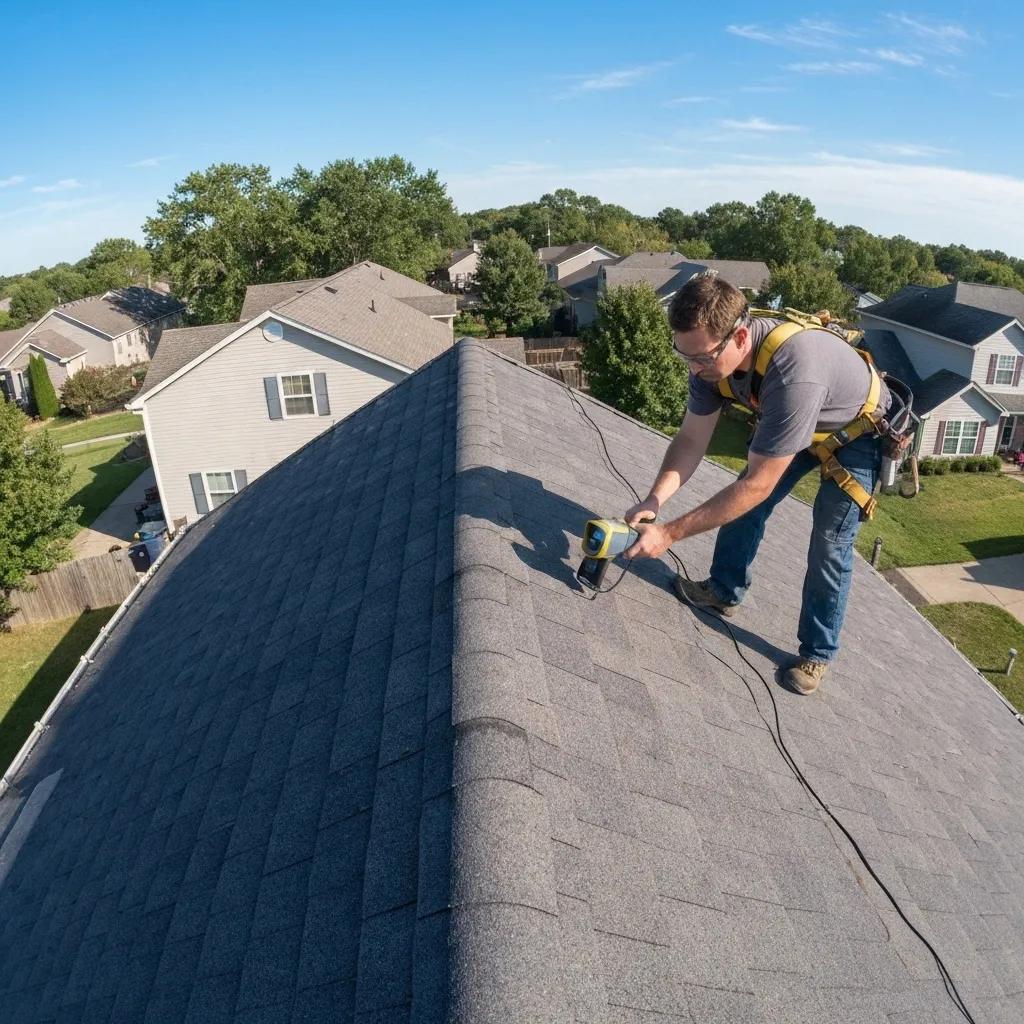
Advanced leak detection integrates visual, hydraulic, thermal, and electronic techniques to accurately locate sources before extensive water damage occurs. By combining these methods, technicians minimize guesswork, reducing repair time and ensuring permanent fixes.
What Are the Steps for Visual Roof Leak Inspection?
Begin with a systematic survey of the roof surface, checking for missing, cracked, or lifted shingles; deteriorated flashing; and pooled water areas. Examine roof penetrations—vents, chimneys, skylights—for sealant failures. Document irregularities and trace potential leak paths to interior stain patterns.
How Does Water Testing Help Identify Leak Locations?
Water testing involves controlled, section-by-section application of water from a hose, simulating rain to observe drips inside. Start at the lowest roof area and move upslope in 2-foot increments, marking the exact initiation point of leaks. This method provides real-time validation of suspected breach points.
What Are the Benefits of Thermal Imaging for Roof Leak Detection?
Thermal imaging detects temperature differentials caused by moisture retention, revealing hidden wet areas beneath roofing membranes or insulation layers. Infrared cameras quickly scan large roofs, pinpointing anomalies that might elude the naked eye. Thermal surveys can locate ponding water on flat roofs before it penetrates membranes.
Thermal Imaging for Roof Leak Detection
This source supports the article’s discussion of thermal imaging as an advanced method for pinpointing hidden roof leaks.
How Do Electronic Leak Detection Systems Work for Precise Leak Finding?
Electronic leak detection uses low-voltage conductive or capacitive techniques (ELD, EFVM) on low-slope membranes to identify breaches in single-ply roofs by measuring electrical currents flowing through wet areas. These systems achieve pinpoint accuracy, enabling targeted repairs without removing entire roofing sections.
Comprehensive detection methods establish exact breach locations, leading naturally into the permanent repair techniques that follow.
What Are the Best Permanent Roof Leak Repair Techniques for Lasting Results?
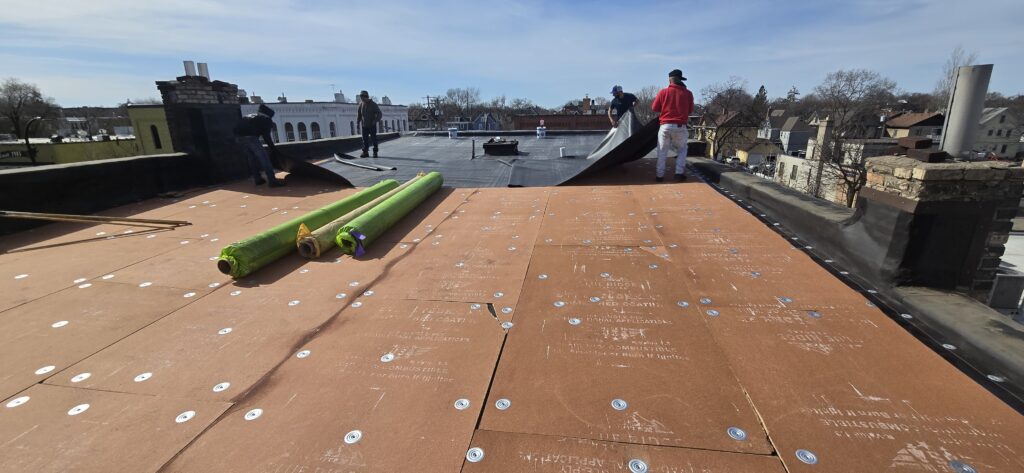
Permanent repair techniques employ proper sequencing of flashing, patching, and membrane applications to restore continuous waterproofing and prevent recurrence. Correct execution of these methods ensures that repaired areas remain watertight for decades.
How Do You Master Flashing Repair for Durable Leak Prevention?
- Remove old sealant and corroded metal.
- Install new step, valley, vent-pipe or chimney flashing with 4-inch overlap and appropriate slope.
- Apply high-strength roofing cement beneath flange edges.
- Seal overlap seams with silicone or polyurethane sealant.
Pro Tip: Use thicker gauge aluminum or copper flashing in chimney areas for extended durability.
What Are Effective Shingle Repair and Replacement Methods?
- Asphalt shingle: Lift adjacent tabs, slide in matching replacement, secure nails above seal strip, seal edges.
- Metal shingle: Remove damaged panel, cut to fit, secure with corrosion-resistant fasteners, seal seams with butyl tape.
- Tile: Lift surrounding tiles, replace broken unit, adjust battens, reseat and secure with tile clips.
A proper overlap and seal layer beneath shingles prevents wind-driven rain infiltration.
How Is Flat Roof Leak Repair Done Using Patching and Liquid Membranes?
- Clean and dry the damaged area.
- Prime surface with manufacturer’s primer.
- Apply patching fabric embedded in elastomeric roofing cement.
- Cover with liquid membrane (EPDM- or TPO-compatible) in two coats.
- Broadcast silica sand into the final coat for UV resistance.
This system cures to form a monolithic barrier, smoothing transitions and ponding spots.
What Are the Best Practices for Skylight Leak Repair and Sealing?
- Remove perimeter sealant and inspect curb flashing.
- Install new metal curb flashing with a positive slope.
- Replace neoprene gaskets around glazing bead.
- Seal joints with neutral-cure silicone sealant rated for UV and ponding water.
Ensuring correct flashing integration prevents water from tracking under skylight frames.
How Do You Repair or Replace Pipe Boots to Stop Leaks?
Repair pipe boots by cutting away old flashing, cleaning the boot base, applying roofing cement under the flange, and reseating the boot around the pipe. For replacement, choose a universal boot with stainless-steel clamp and EPDM collar sized to the pipe diameter to maintain a tight seal.
Permanent repair methods restore continuous water management, leading to material selection that sustains waterproofing integrity.
Which Repair Materials Ensure Durable and Waterproof Roof Leak Fixes?
Selecting high-performance materials is crucial for sustaining watertight repairs under weather extremes. The right combination of cements, sealants, membranes, and flashing metals ensures long-term resilience.
What Are the Advantages of Roofing Cements and Sealants?
Roofing cements and elastomeric sealants create flexible, waterproof barriers that bond to various substrates.
- Silicone sealants maintain elasticity in temperatures from –40°F to 400°F.
- Urethane sealants adhere tenaciously to metal, concrete, and asphalt.
Silicone Sealants for Roof Repair
Their ability to bridge gaps and move with thermal expansion prevents cracking and seal failure.
How Do Waterproof Membranes Like EPDM and TPO Provide Long-Term Protection?
EPDM and TPO membranes integrate into seamless roofs, offering multi-decade warranties and superior ponding resistance.
What Flashing Materials Offer the Best Durability?
Copper’s self-patina and aluminum’s pliability make them preferred choices for long-lasting water diversion.
Having selected optimal repair materials, a structured maintenance routine will prevent future leaks.
How Can Preventative Maintenance Help Avoid Future Roof Leaks?
Routine care identifies emerging issues before water breaches membranes. A proactive maintenance schedule extends roof service life and reduces lifecycle costs.
What Are the Key Steps in Regular Roof Inspection Checklists?
- Check for loose, cracked, or missing shingles and tiles.
- Examine flashing edges at penetrations and chimneys.
- Inspect gutters and downspouts for blockages.
- Verify attic for signs of moisture or mold.
How Does Gutter Cleaning Prevent Roof Leak Damage?
Clearing leaves and debris ensures proper water egress from roof edges, eliminating backflow that undermines gutter aprons and fascia boards. Keeping downspouts free enables rapid drainage away from the foundation.
Why Are Attic Ventilation and Insulation Critical for Leak Prevention?
Balanced airflow and insulation prevent moist attic air from condensing on cold roof decks, protecting underlayment from rot. Proper ventilation also regulates temperature, reducing shingle curling and seal-strip failures.
How Does Tree Trimming Reduce Roof Leak Risks?
Removing overhanging branches prevents abrasion to shingles and eliminates organic debris accumulation that fosters moss growth. Fewer obstructions reduce standing water spots, minimizing membrane degradation.
Preventative maintenance forms the final defense against recurring leaks and informs decisions on professional assistance when issues exceed DIY scope.
When Should You Call a Professional for Roof Leak Repair and What Are the Costs?
Complex leaks, steep slopes, or extensive damage often require expert intervention. Professional evaluation secures safety, warranty compliance, and durable solutions. Costs vary based on leak severity, roof type, and access complexity.
What Are the Pros and Cons of DIY vs. Professional Roof Leak Repair?
- DIY: Lower upfront cost and scheduling flexibility, but risks improper sealing, warranty voiding, and safety hazards.
- Professional: Access to specialized tools, advanced detection, and guaranteed workmanship, with higher labor rates and potential scheduling delays.
Choosing the right approach depends on skill level, roof pitch, and the scale of damage.
Which Factors Affect Roof Leak Repair Costs in 2025?
Repair cost drivers include:
- Leak complexity (simple shingle patch vs. full membrane replacement)
- Roof pitch and height (steeper slopes increase labor)
- Material specifications (copper flashing vs. standard aluminum)
- Regional labor rates and permit requirements
Minor shingle repairs may cost $150–400, while comprehensive membrane repairs exceed $1,000.
Roof Repair Costs in 2025
When Are Emergency Roof Leak Repairs Necessary?
Immediate professional repair is essential when active leaks threaten electrical systems, structural framing, or interior finishes during severe weather. Tarping and shoring measures provide temporary protection, but permanent fixes must follow promptly to prevent escalating damage.
Complex leak scenarios and cost considerations lead naturally into specialized repair adaptations by roof type.
How Do Specialized Roof Leak Repair Techniques Vary by Roof Type?
Each roof substrate demands tailored repair sequences and compatible materials to maintain integrity and warranties. Matching technique to roof construction ensures permanent waterproofing.
What Are Effective Flat Roof Leak Repair Solutions?
Flat roofs require seamless membrane continuity:
- Apply polyester or fiberglass reinforcing patches in primer coat.
- Embed in liquid-applied membrane, smoothing edges.
- Seal roof drains and scuppers with customized boot flashing.
This approach stops ponding water from permeating the underlayment.
How Do You Repair Asphalt Shingle Roof Leaks?
- Remove damaged shingle and old sealant.
- Slide in matching replacement under adjacent tabs.
- Secure with roofing nails and apply sealant to nail heads.
Correct alignment and seal-strip activation restore the roof’s capillary break.
What Are Best Practices for Metal Roof Leak Sealing?
- Metal panels benefit from silicone or polysulfide caulking at seam overlaps and fastener penetrations.
- Inspect seam clips and replace aging gasketed fasteners.
- A final coat of reflective elastomeric paint enhances UV protection and consolidates seals.
Specialized methods by roof type complete the spectrum of lasting leak repairs.
Permanent outcomes arise from combining precise detection, mastery of repair techniques, and the correct materials for each roof surface. With routine inspections and timely professional help, you’ll secure uninterrupted protection against water intrusion and ensure that your roof remains watertight for years to come.
Smooth execution of these expert methods transforms temporary patches into lasting solutions that safeguard your home’s structure and value.
Need a roof inspection in Saint Paul or the Twin Cities? Call Sellers Roofing Company at +1-651-703-2336 or schedule a free estimate. We are a black-owned, NMSDC-certified MBE roofing contractor with 9+ years experience.