Last updated: 2026-10-17 by Ted Sellers, Owner
Every year, neglected roof maintenance leads to premature wear, costing homeowners hundreds in avoidable repairs and replacements. In this guide on roof repairs explained, you’ll discover must-have tools, key materials, simple DIY fixes, preventive inspection routines, safety considerations, and a ready-to-use maintenance checklist. By mastering these essentials, you’ll save on professional fees, extend your roof’s lifespan, and protect your home’s structure.
What Are the Must-Have Tools for DIY Roof Maintenance and Repairs?
Must-have roofing tools are specialized implements designed to streamline inspection and repair tasks, enabling precise work that preserves roof integrity and prevents costly damage. These instruments form the foundation of any DIY roof project, ensuring safe access, accurate repairs, and efficient cleanup.
Which Basic Hand Tools Are Needed for Roof Repairs?
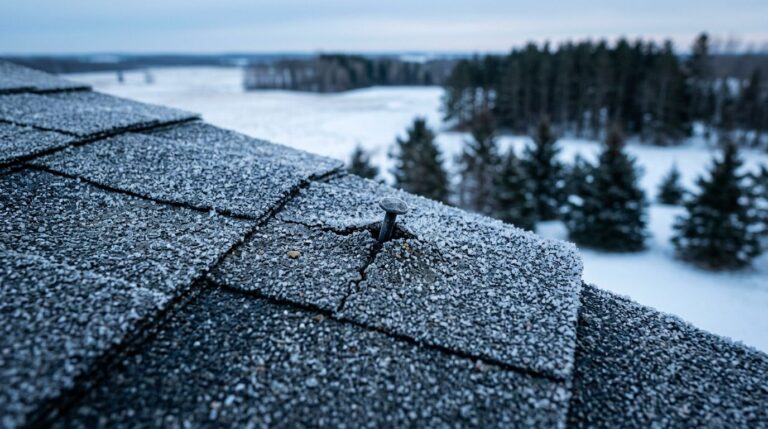
Basic hand tools—such as a hammer, utility knife, and pry bar—perform fundamental tasks like removing damaged shingles, cutting underlayment, and prying up old fasteners.
Before tackling a repair, ensure you have these essential hand tools on hand:
- Hammer with claw head for driving and removing roofing nails.
- Sharp utility knife for trimming shingles and underlayment.
- Sturdy pry bar for lifting shingles and extracting nails.
With these basics, you can loosen damaged materials and prepare the roof surface for replacement components or sealant applications.
What Specialized Roofing Tools Help with Efficient Repairs?
Specialized roofing tools accelerate repair workflows and improve precision, reducing project time and enhancing the durability of patches and replacements.
The following table compares three common roofing instruments and their core benefits:
Which Cleaning and Inspection Tools Improve Roof Upkeep?
Cleaning and inspection tools—like roof rakes, gutter scoops, and binoculars—enhance debris removal and damage detection, preventing water accumulation and early deterioration.
Essential cleanup and inspection implements include:
- Roof rake with extendable handle for safely removing leaves and snow.
- Gutter scoop for clearing clogged downspouts and troughs.
- Binoculars for spotting loose shingles or flashing gaps from ground level.
Regular use of these tools maintains clear drainage paths and reveals developing issues before they require major repairs.
What Safety Equipment Is Essential for Safe Roof Work?

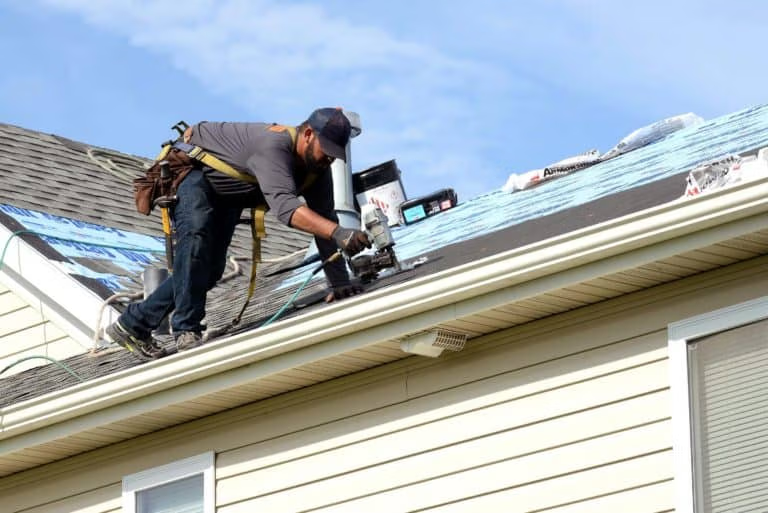
Safety equipment including harnesses, ladders, non-slip boots, and gloves provides fall protection and stabilizes footing, greatly reducing the risk of accidents during roof maintenance.
Key safety gear comprises:
- Full-body safety harness with anchor points for fall arrest.
- Extension ladder rated for roofing tasks complete with levelers.
- Rubber-soled, non-slip boots to prevent slips on steep slopes.
- Durable work gloves for hand protection and improved grip.
Wearing and correctly deploying this equipment ensures every roofing task is executed with maximum personal protection and compliance with best practice guidelines.
What Key Materials Are Required for Simple Roof Repairs?
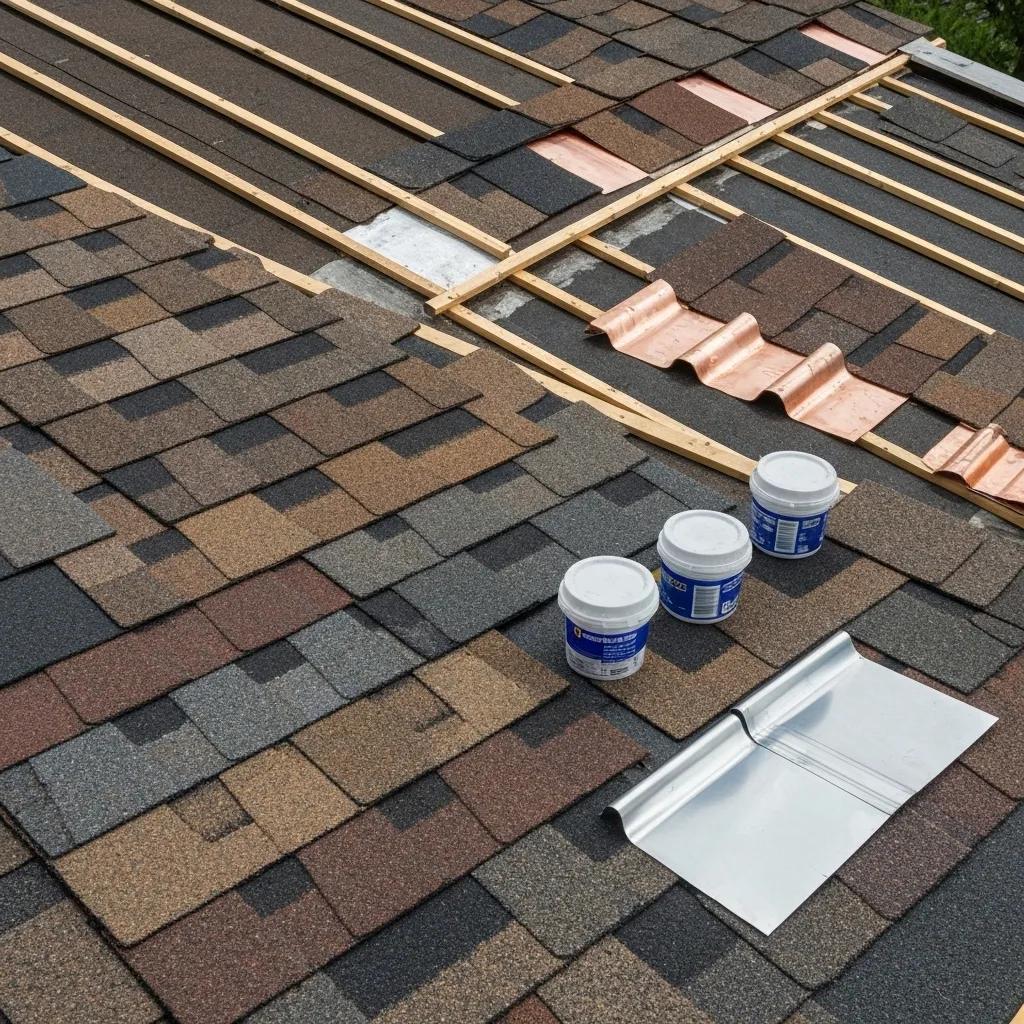
Key roofing materials—such as shingles, sealants, flashing, and underlayment—form protective barriers and seal critical junctions, preventing leaks and structural deterioration. Proper selection and application of these materials guarantee long-lasting repair outcomes.
What Types of Shingles Are Used for Repair and Replacement?
Shingle varieties—namely asphalt, metal, and wood—differ in durability, installation method, and visual style, offering repair options that match existing roof systems and regional weather conditions.
Compare three popular shingle types to choose the best match for your roof:
Selecting the right shingle ensures consistency in weather resistance and roof appearance, avoiding mismatches that can lead to uneven wear.
Which Sealants and Adhesives Are Best for Roof Repairs?
Top roofing sealants—roofing cement, polymer-based caulk, and silicone compounds—fill gaps and bond materials, creating water-tight barriers that prevent leaks around penetrations and fasteners.
Common sealant options include:
- Roofing cement for patching torn underlayment and sealing nail heads.
- Urethane caulk designed for flexible roof joints and flashing interfaces.
- Silicone roofing sealant offering UV resistance and long-term elasticity.
Applying the correct sealant type ensures durable adhesion and accommodates thermal movement without cracking.
How Do Flashing Materials Support Roof Leak Prevention?
Flashing components—metal strips, drip edges, and valley flashing—direct water away from seams and intersections, averting water intrusion at vulnerable junctions such as chimneys and valleys.
Essential flashing supplies encompass:
- Galvanized metal flashing for chimney and wall transitions.
- Drip edge strips along eaves to guide runoff into gutters.
- Pre-fabricated valley flashing kits for internal roof valleys.
Proper flashing installation prevents moisture from entering under shingles, safeguarding structural decking from rot and mold.
What Underlayment and Patching Supplies Are Needed?
Underlayment and patching materials—felt paper, synthetic membranes, patch kits, and tarps—provide immediate leak barriers and temporary coverage until full repairs are completed.
Keep these supplies on hand for quick responses:
- Asphalt-saturated felt or synthetic underlayment for secondary water protection.
- Roof patch kits with adhesive membranes for small tears.
- Heavy-duty tarp and fasteners for emergency cover during storms.
Having these materials ready minimizes interior damage when urgent roof patches are required before professional follow-up.
How Do You Identify and Fix Common Roof Problems with Simple Repairs?
Identifying and repairing frequent roof issues ensures minor damage never escalates into costly leaks or structural failures. Simple fixes often involve patching, replacing individual components, and cleaning growth that degrades roofing surfaces.
How Can You Detect and Patch a Leaky Roof?
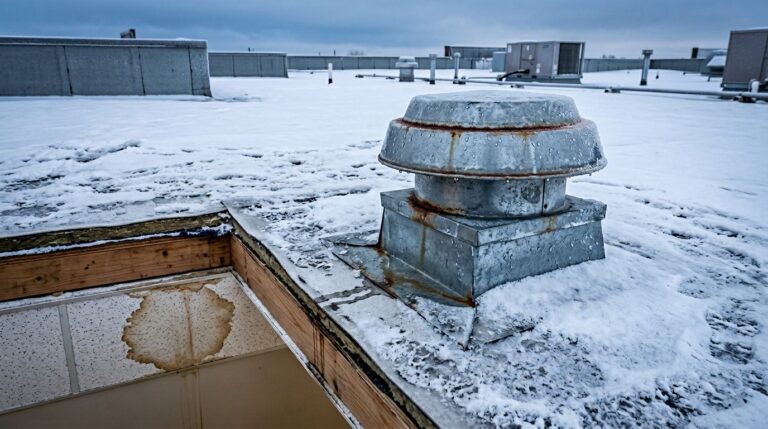
Detecting leaks begins with inspecting interior ceilings for stains and tracing water pathways on the roof surface; patching requires cleaning the area and applying a compatible sealant or patch membrane.
Steps to find and fix small leaks:
- Examine attic ceilings for yellow or brown spots.
- Trace visible drip lines on the roof deck.
- Remove debris and dry the repair zone.
- Apply roofing cement or patch membrane according to manufacturer guidelines.
Completing these steps promptly restores water-tight integrity and prevents secondary damage to insulation and framing.
What Are the Steps to Replace Damaged or Missing Shingles?
Replacing shingles involves removing the faulty piece, preparing the substrate, and securing a matching shingle with the proper fasteners and sealant beneath the tabs.
Follow these numbered instructions for shingle replacement:
- Lift adjacent shingles with a pry bar to expose nails.
- Remove nails and slide out the damaged shingle.
- Position a new shingle, aligning it with existing courses.
- Nail the shingle at the designated nailing line.
- Seal the tabs with roofing cement to prevent wind uplift.
This method restores a uniform protective layer and prevents water infiltration through gaps.
How Do You Repair Minor Flashing Issues Around Roof Components?
Repairing flashing around chimneys, vents, or skylights requires resealing gaps with caulk or replacing short sections of flashing to reestablish a continuous water barrier.
Key repair actions include:
- Removing old sealant and cleaning the metal flashing area.
- Applying high-quality polyurethane or silicone sealant along seams.
- Sliding patch flashing pieces under shingles and securing with roofing nails.
Addressing these minor flashing failures prevents leaks where roof and structure meet, preserving attic dryness.
How Can You Remove Moss, Algae, and Debris to Protect Your Roof?
Removing biological growth and debris protects shingles from moisture retention and surface degradation, extending roof life and preventing rot.
Follow these best practices:
- Gently sweep loose debris and moss with a roof broom.
- Apply a sodium-hypochlorite solution to kill algae and moss spores.
- Rinse with low-pressure water to avoid damaging shingle granules.
Consistent cleaning blocks organic buildup that could compromise the roof’s protective granule layer and lead to premature wear.
What Is the Best Way to Maintain Gutters and Downspouts for Roof Health?
Maintaining gutters and downspouts ensures rapid water evacuation from the roof perimeter, preventing water backup and ice dam formation.
Essential gutter care steps are:
- Remove leaves and twigs from troughs at least twice a year.
- Flush with water to confirm free flow through downspouts.
- Inspect hangers and fasteners for secure attachment.
- Re-seal joint seams with gutter sealant as needed.
A clear drainage system protects fascia boards and prevents water infiltration beneath edge shingles.
What Are the Best Practices for Regular Roof Maintenance and Inspection?
Regular roof care combines scheduled inspections, cleaning techniques, tree management, and seasonal preparations to mitigate common issues before they require major repairs.
How Often Should You Inspect Your Roof and What Should You Look For?
Homeowners should inspect their roofs at least twice a year—after winter’s freeze and summer’s storms—looking for cracked shingles, loose flashings, standing water, and gutter blockages.
Key inspection checklist items include:
- Missing or curling shingles along ridges and eaves.
- Gaps or rust spots in metal flashings.
- Accumulated debris in valleys and gutters.
- Signs of water intrusion inside the attic.
Routine inspections catch minor damage early, preventing small defects from developing into leaks or structural decay.
What Tools and Techniques Help with Effective Roof Cleaning?
Efficient roof cleaning uses debris removal tools and safe water-pressure methods to maintain a clear surface without harming shingles.
Recommended cleaning aids include:
- Telescoping roof rake for overhead debris removal.
- Leaf blower to clear light particulate matter.
- Pressure washer on low setting with a fan nozzle to rinse moss treatments.
Combining these tools achieves a debris-free roof that drains properly and resists organic growth.
How Does Tree Trimming and Ventilation Improve Roof Longevity?
Pruning overhanging branches reduces debris accumulation and shade-promoted moss growth, while proper attic ventilation balances temperature and moisture, safeguarding shingle adhesion and decking health.
- Trim tree limbs at least 6 feet away from roofing surfaces.
- Install ridge and soffit vents to facilitate continuous air exchange.
These practices limit moisture retention, heat buildup, and wind damage—factors that collectively strengthen a roof’s resilience and performance.
What Seasonal Maintenance Steps Prevent Common Roof Issues?
Tailoring maintenance tasks to each season addresses specific risks—like ice dams in winter or debris in fall—to maintain a weather-resistant roof year-round.
- Winter: Remove snow accumulation and install heat cables at eaves.
- Spring: Clear debris, inspect for hail or storm damage.
- Summer: Check for UV-related shingle granule loss.
- Fall: Clean gutters and roof valleys before leaf drop.
By aligning maintenance activities with seasonal challenges, you prevent frequent issues such as water pooling and material degradation.
When Should You Prioritize Safety and Consider Professional Roof Help?
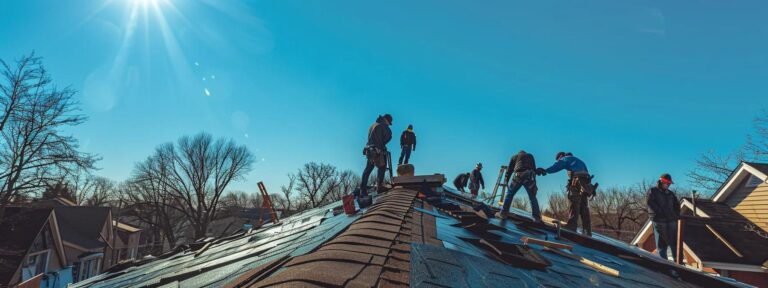
Knowing when to call professional roofers ensures complex problems receive expert attention and safety remains paramount during high-risk tasks beyond DIY scope.
What Safety Gear and Precautions Are Critical for DIY Roof Work?
Safety precautions for DIY roof work start with fall protection, ladder security, and team support to minimize accident risks.
Essential safety protocols include:
- Using a fall-arrest harness anchored to structural rafters.
- Ensuring ladders rest on stable, level ground with a spotter in place.
- Wearing impact-resistant gloves, helmet, and eye protection.
When Is It Safer to Call a Professional Roofer?
Complex damage such as extensive structural rot, large leaks, or roof pitch beyond 45 degrees requires licensed expertise to ensure safe, code-compliant outcomes.
Scenarios to request professional assistance:
- Structural sagging or decking collapse.
- Persistent leaks after multiple DIY attempts.
- Full roof replacements or major flashing overhauls.
Recognizing these limits protects your investment and avoids costly mistakes that may arise from inexperienced repairs.
How Can You Find and Hire a Qualified Roofing Contractor?
A qualified roofing contractor combines proper licensing, proven experience, and insurance coverage, ensuring reliable service and warranty protection.
Steps to select a contractor:
- Verify state or local roofing license and insurance certificates.
- Request references and review portfolios of completed projects.
- Obtain written estimates detailing labor, materials, and warranty terms.
Following this vetting process secures expert workmanship and long-term peace of mind for complex roof repairs.
How Can You Create a Roof Maintenance Checklist for Ongoing Care?
A roof maintenance checklist consolidates inspection, cleaning, and minor repair tasks into a structured plan, boosting consistency and early detection of problems.
What Are the Essential Steps in a Routine Roof Maintenance Checklist?
A comprehensive routine checklist includes:
- Inspect shingles and flashings for damage.
- Clear debris from valleys and gutters.
- Patch small leaks with appropriate sealant.
- Trim overhanging branches.
- Document observations and schedule follow-up tasks.
How Should You Adjust Maintenance Tasks by Season?
Seasonal adjustments tailor maintenance tasks to address the primary risks each quarter presents.
- Spring: Check for winter storm damage and clear spring blooms.
- Summer: Monitor granule loss, inspect vents for obstructions.
- Fall: Remove fallen leaves, tighten gutter fasteners.
- Winter: Monitor ice dams, apply heat tapes along eaves.
Aligning tasks with seasonal needs ensures proactive protection year-round.
What Tools and Materials Should You Keep Handy for Quick Repairs?
Maintaining a compact DIY roof repair kit lets you respond rapidly to minor leaks or storm damage.
Include these items in your quick-repair kit:
- Hammer and roofing nails
- Utility knife and replacement shingles
- Tube of roofing sealant
- Small tarp with bungee cords
- Work gloves and safety glasses
Having this kit on standby minimizes response time and prevents water intrusion from becoming an emergency.
What Roofing Terms Should Homeowners Know for Better Repair Understanding?
Familiarity with roofing terminology—such as shingles, flashing, underlayment, and granule loss—empowers homeowners to communicate precisely and tackle repairs more effectively.
What Are Common Roofing Components and Their Functions?
Key roofing components and their roles include:
- Shingles: Overlapping elements that shed water.
- Flashing: Metal strips that seal roof-to-wall intersections.
- Gutters: Channels that collect and direct water away from eaves.
- Vents: Openings that balance attic moisture and temperature.
Knowing these functions clarifies repair discussions and helps you pinpoint problem areas.
What Do Key Repair Terms Like “Flashing,” “Underlayment,” and “Granule Loss” Mean?
Understanding these terms prevents miscommunication and guides correct DIY interventions:
- Flashing: Metal or plastic strips installed at joints to prevent leaks.
- Underlayment: Secondary waterproof layer beneath shingles.
- Granule Loss: Detachment of surface granules from shingles, indicating wear.
Grasping these concepts allows you to select suitable materials and apply repairs with confidence.
How Does Understanding These Terms Help with DIY Roof Repairs?
Knowing roofing jargon reduces errors in tool and material selection and ensures you apply the right techniques for each repair scenario. This clarity leads to more accurate estimates, smoother procurement of supplies, and better communication with professionals if their services become necessary.
By integrating the terminology covered above, you’re equipped to maintain your roof proactively, troubleshoot issues effectively, and collaborate confidently with roofing experts when required.
Roof upkeep demands the right combination of tools, materials, inspection routines, safety measures, and terminology. Armed with this guide to roof repairs explained, you can handle everyday repairs yourself, extend your roof’s service life, and preserve your home’s value with confidence. Start your maintenance plan today to protect your investment and keep your roof performing at its best.
Need a roof inspection in Saint Paul or the Twin Cities? Call Sellers Roofing Company at +1-651-703-2336 or schedule a free estimate. We are a black-owned, NMSDC-certified MBE roofing contractor with 9+ years experience.