Last updated: 2026-10-23 by Ted Sellers, Owner
Article:
Preventive Roof Inspections for Businesses: How Regular Inspections Boost Business Longevity
A single undetected leak can force a business to close its doors for days and cost tens of thousands in repairs, yet preventive roof inspections avert most emergencies. In this guide, I’ll define what preventive commercial roof inspections are and why they matter, explain how often to schedule them for St. Paul businesses, outline the key benefits, highlight common issues, provide a comprehensive inspection checklist, explore different roof types, show how to choose the right contractor, examine financial and operational impacts, and review local regulations. By the end, you’ll understand exactly how regular inspections boost business longevity and protect your bottom line.
What Are Preventive Commercial Roof Inspections and Why Are They Essential?
Preventive commercial roof inspections are systematic evaluations of a building’s roofing system designed to detect minor issues before they become costly emergencies. By assessing membrane integrity, drainage, flashings, and rooftop equipment, inspections support early problem detection and extend roof lifespan.
What Does a Commercial Roof Inspection Include?
Before performing any repair, an inspection covers multiple components:
- Roof membrane condition and seams
- Flashings around vents, skylights, parapets
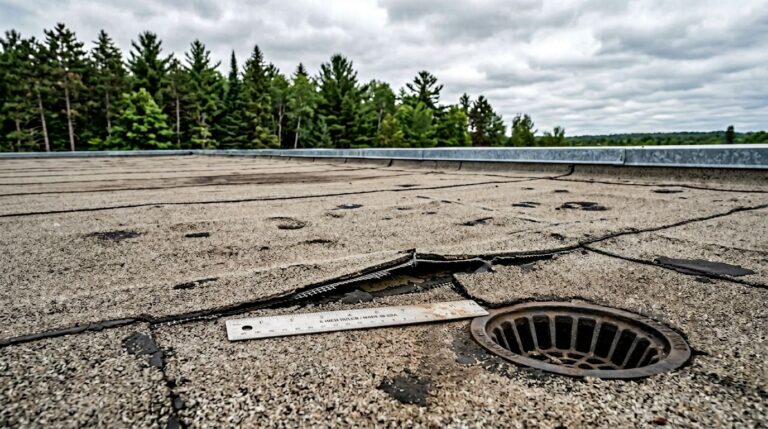
- Drainage systems, gutters, scuppers, and downspouts
- Roof-mounted HVAC units and curb flashings
- Signs of ponding water, blistering, cracks, and UV damage
Each of these checks ensures that small issues are caught quickly and addressed on time.
How Do Preventive Inspections Detect Early Roof Issues?
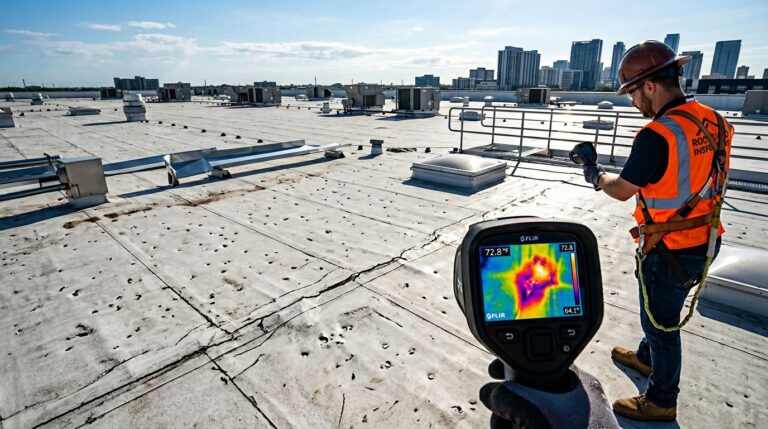
Preventive inspections identify minor membrane cracks, loose flashings, and drainage clogs through visual inspections and non‐invasive tests. I’ve found that infrared thermography highlights trapped moisture, enabling repairs before leaks develop. Early detection prevents water damage, supports safety, and reduces emergency repairs.
Which Commercial Roof Types Require Specialized Inspection?
Different roof systems demand tailored inspection methods:
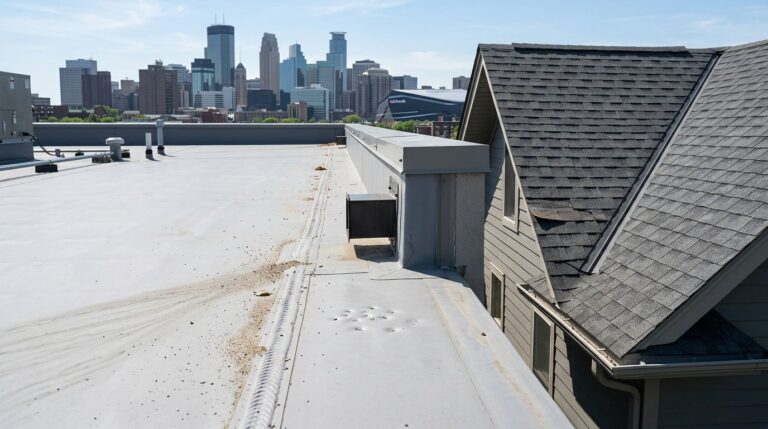
- TPO roofs need seam integrity and weld checks
- EPDM roofs require seam adhesion and membrane thickness tests
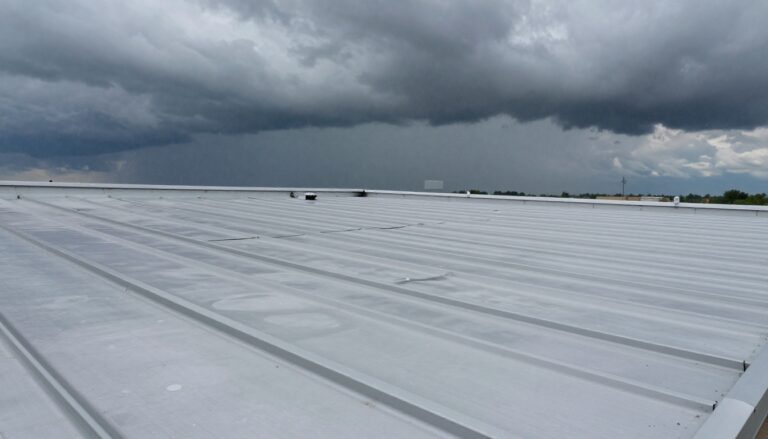
- Metal roofs call for corrosion and fastener inspections
- Modified bitumen roofs are assessed for blistering and adhesive bond
Inspecting each roof type with its specific protocol boosts accuracy and longevity.
How Often Should Commercial Roofs Be Inspected to Maximize Longevity?
Commercial roofs should be inspected at least twice a year—typically in spring and fall—and immediately after severe weather to maximize lifespan and prevent costly surprises.
What Is the Recommended Inspection Schedule for St. Paul Businesses?
In St. Paul’s climate, I recommend a spring inspection to clear winter debris and a fall inspection to prepare for snow and ice. Post-storm checks after hail or high winds help catch storm damage early.
Why Are Post-Storm Inspections Critical for Business Continuity?
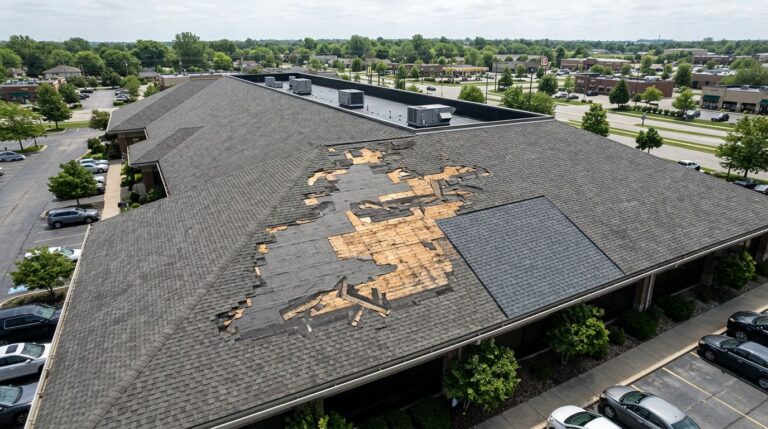
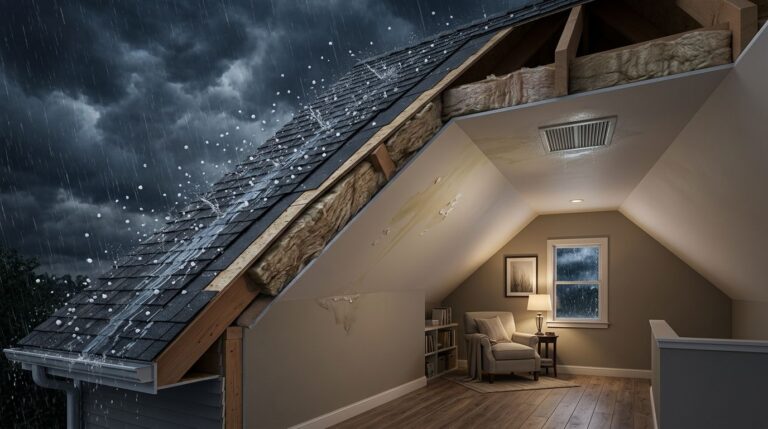
Yes, post-storm inspections are critical because they reveal shifted flashings, punctures, and drainage blockages caused by wind and hail. Addressing these issues quickly prevents leaks that could halt daily operations.
Importance of Post-Storm Inspections
Post-storm inspections are crucial for identifying damage caused by severe weather events like hail and high winds. These inspections help to reveal shifted flashings, punctures, and drainage blockages, which, if left unaddressed, can lead to leaks and operational disruptions. Addressing these issues promptly is essential for maintaining business continuity.
This citation reinforces the article’s emphasis on the importance of timely inspections, especially after severe weather, to prevent costly repairs and business interruptions.
How Does Inspection Timing Affect Roof Lifespan and Cost Savings?
Timely inspections reduce repair costs by up to 60% compared to reactive fixes. Regular timing keeps small repairs manageable, promotes consistent maintenance, and extends roof service life by several years.
What Are the Key Benefits of Preventive Roof Inspections for Businesses?
Preventive inspections deliver measurable benefits that protect assets, support efficiency, and boost business longevity.
Before we list the benefits, here is a structured comparison of how each benefit functions:
This table shows how preventive inspections translate into real operational and financial value.
How Do Inspections Reduce Repair Costs and Save Money?
By identifying membrane cracks and loose flashings early, inspections prevent expensive water damage and structural repairs. I’ve seen clients save thousands by fixing small leaks before they escalate.
Benefits of Preventive Roof Inspections
Regular roof inspections can significantly reduce repair costs by identifying and addressing minor issues before they escalate into major problems. Early detection of issues like membrane cracks and loose flashings can prevent expensive water damage and structural repairs, leading to substantial cost savings for businesses.
This research supports the article’s claims about the financial advantages of preventive roof inspections.
In What Ways Do Inspections Extend Commercial Roof Lifespan?
Consistent inspections ensure timely sealant replacement, drainage cleaning, and membrane patching. This care slows material degradation and delays full roof replacement.
How Do Preventive Inspections Ensure Business Continuity and Safety?
Preventive inspections reduce the risk of sudden leaks that can close warehouse sections or damage inventory, keeping your team safe and operations uninterrupted.
How Do Inspections Support Energy Efficiency and Lower Utility Bills?
Inspections confirm that reflective coatings and insulation remain intact, helping control indoor temperature and improving HVAC performance, which lowers monthly energy costs.
Why Are Inspections Important for Warranty Compliance and Insurance?
Many commercial roof warranties and insurance policies require documented, regular inspections. Failing to comply can void coverage, leaving your business exposed to full repair costs.
What Are the Most Common Commercial Roof Issues Identified During Inspections?
- Leaks and water intrusion under the membrane
- Clogged drains and gutter blockages
- Loose or damaged flashings around rooftop equipment
- Ponding water that accelerates membrane breakdown
These findings guide targeted repairs before small issues become emergencies.
How Do Leaks and Water Damage Impact Business Operations?
Leaks can damage interior finishes, inventory, and electronics, leading to repair costs and lost productivity. Swift leak detection preserves assets and keeps staff on task.
What Role Do Drainage Systems Play in Preventing Roof Failures?
Effective drainage prevents ponding water that stresses membranes and causes premature breakdown. I always inspect scuppers, downspouts, and gutters to maintain clear water flow.
How Are Flashings and Roof Membranes Assessed for Damage?
During inspections, I examine flashing seals, check membrane adhesion, and use moisture meters to detect trapped water under the surface before visible signs appear.
What Signs Indicate the Need for Immediate Roof Repairs?
Visible stains on ceilings, blistering on the membrane, standing water after rain, and soft spots underfoot all signal urgent repair needs to prevent structural damage.
How to Conduct a Comprehensive Commercial Roof Inspection: Checklist and Best Practices
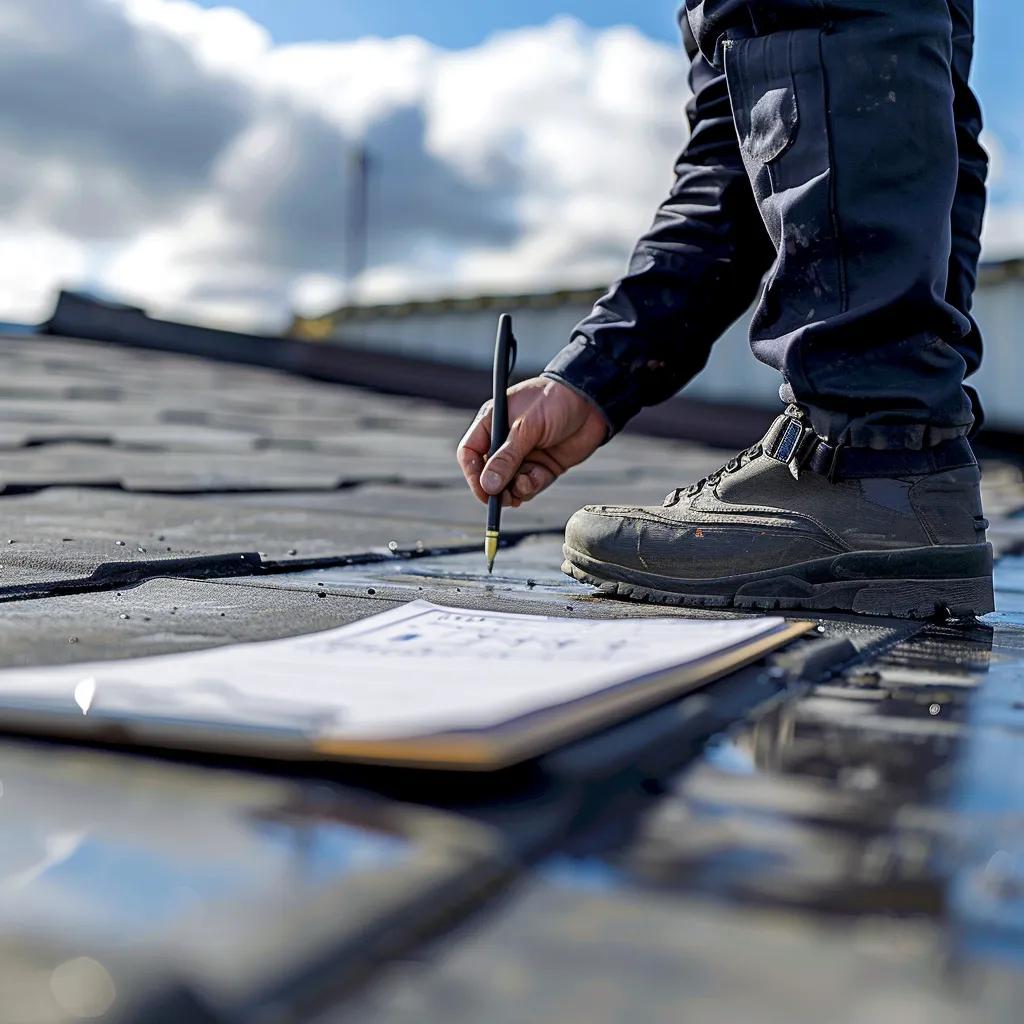
A reliable inspection follows a step-by-step process to cover every critical component.
What Are the Step-by-Step Inspection Procedures for Businesses?
- Clear debris and safely set up perimeter barriers.
- Inspect membrane surface for cracks, blisters, and punctures.
- Check all flashings, seams, and roof penetrations.
- Test drainage paths, clean gutters, and confirm scupper flow.
- Examine rooftop equipment curbs, seals, and fasteners.
- Document findings, including photos of any issues.
Following this sequence ensures thorough, consistent evaluations.
How Should Drainage, Flashings, and HVAC Units Be Inspected?
Inspect drainage by pouring water around scuppers to confirm flow. Verify that flashing edges are sealed and free of rust. Check HVAC curbs for corrosion, loose bolts, and sealant gaps.
What Tools and Technologies Enhance Inspection Accuracy?
Modern inspections use drones for visual scans, infrared thermography to spot moisture, moisture meters for sub-surface checks, and high-resolution cameras for detailed documentation.
How Can Businesses Prepare for Professional Roof Inspections?
Clear rooftop walkways, provide access to safety equipment, share roof plans, and collect past inspection records. Proper preparation speeds up the process and reduces downtime.
How Do Different Commercial Roof Types Affect Inspection and Maintenance Needs?

Roof material dictates inspection focus and maintenance methods.
This table clarifies why each roof type demands its own inspection protocol.
What Are Preventive Inspection Best Practices for TPO Roofs?
I recommend inspecting TPO seams with a non‐destructive seam scanner and applying compatible seam tape at first sign of separation to prevent leaks.
How Should EPDM Roofs Be Maintained to Extend Lifespan?
EPDM roofs benefit from regular seam cleaning, re-coating with UV-resistant products, and checking for membrane thinning to avoid punctures.
What Are Key Inspection Considerations for Metal Roofs?
Metal roofs require bolt torque checks, paint/coating inspections, and rust treatment. I use moisture meters under raised seams to catch hidden corrosion.
How Do Modified Bitumen Roofs Differ in Inspection Requirements?
Modified bitumen roofs need heat gun spot checks for adhesive integrity and careful evaluation of surface blisters to maintain waterproofing layers.
How to Choose the Right Commercial Roofing Contractor for Preventive Inspections?
Selecting an experienced contractor ensures inspections are thorough and reliable.
What Certifications and Expertise Should a Roofing Contractor Have?
Look for NRCA membership, manufacturer certifications for TPO/EPDM, OSHA training credentials, and a proven track record with commercial clients.
Why Is Local Experience Important for St. Paul Commercial Roof Inspections?
Local weather brings freeze‐thaw cycles and heavy snow loads. Our team at Roofing Experts St. Paul understands Minnesota conditions and serves nearby areas like Wayzata—learn about our local services on the Wayzata Roofing Services page.
How Do Professional Inspections Contribute to Business Longevity?
A qualified contractor applies best practices, documents findings, and schedules timely follow-ups. I’ve seen professional care extend roof life by up to five years compared to unscheduled repairs.
What Are the Financial and Operational Impacts of Preventive Roof Inspections on Business Longevity?
Investing in inspections delivers both immediate savings and long‐term stability.
How Do Preventive Inspections Prevent Premature Roof Replacement?
By repairing small punctures and sealing seams, inspections stop minor damage from growing. Statistics show that 80% of premature replacements stem from neglected maintenance.
What Case Studies Demonstrate Cost Savings from Regular Inspections?
One St. Paul warehouse saved $45,000 over five years by scheduling biannual TPO inspections that fixed seam issues early, avoiding a full membrane replacement.
How Does Roof Maintenance Influence Long-Term Business Success?
Consistent roof care protects assets, reduces downtime, and preserves property value. This reliability enhances brand reputation and supports sustained profitability.
What Local Regulations and Compliance Requirements Affect Commercial Roof Inspections in St. Paul?
Understanding local codes and safety rules ensures inspections meet all legal obligations.
How Do Building Codes Influence Roof Inspection Standards?
The International Building Code (IBC) sets minimum inspection intervals and material standards. Compliance ensures structural safety and legal adherence.
What Are OSHA Safety Requirements for Roof Inspections?
OSHA mandates fall protection, proper use of personal protective equipment, and training for rooftop work. Meeting these requirements protects workers and limits liability.
How Do Inspections Help Maintain Warranty Validity and Insurance Coverage?
Regular documented inspections satisfy warranty clauses and insurance policy terms. This proof of maintenance prevents claim denials and keeps coverage intact.
Regular preventive roof inspections form the foundation of a resilient business. I’ve seen firsthand how early detection, timely repairs, and targeted maintenance extend roof life, reduce costs, and keep operations running smoothly.
By choosing a certified local contractor, following a structured inspection schedule, and documenting each visit, you safeguard both your roof and your bottom line.
Let regular inspections boost your business longevity and protect your investment for years to come.
Need a roof inspection in Saint Paul or the Twin Cities? Call Sellers Roofing Company at +1-651-703-2336 or schedule a free estimate. We are a black-owned, NMSDC-certified MBE roofing contractor with 9+ years experience.