Last updated: 2026-05-26 by Ted Sellers, Owner
Table Of Contents:
- How to Layer EPDM Roofs: A Step-by-Step Guide
- What Materials and Tools Are Needed for EPDM Roof Layering?
- Which EPDM Membranes Are Best for Layering?
- What Types of Adhesives and Fasteners Are Required?
- What Tools Are Essential for DIY EPDM Installation?
- How Do You Prepare the Roof Surface Before Layering EPDM?
- What Are the Step-by-Step Instructions to Layer EPDM Roofs?
- How Can You Maintain and Repair Layered EPDM Roofs?
- What Are the Cost Considerations and DIY Tips for EPDM Roof Layering?
- What Are Common Problems When Layering EPDM Roofs and How to Troubleshoot Them?
- What Are the Benefits and Longevity of Layered EPDM Roofs?
- Final Thoughts
- Frequently Asked Questions
How to Layer EPDM Roofs: A Step-by-Step Guide
Layering EPDM roofs is a proven solution offering long-term durability and excellent waterproofing for commercial and residential properties. In today’s market, flat roofs made of synthetic rubber, bitumen, and polyurethane require advanced installation techniques to withstand extreme weather such as hail, ultraviolet exposure, and moisture intrusion.
Homeowners and business owners alike seek ways to improve water resistance and extend roof lifespan—often wondering to achieve optimum performance. This guide covers the essential materials, tools, and installation steps—from surface preparation to final seaming and flashing—and maintenance practices for achieving a flawlessly layered EPDM roof system.
Below, each section provides concise yet comprehensive instructions while emphasizing critical details such as adhesive application, membrane installation, and securing proper fasteners to ensure optimal adherence and performance.
What Materials and Tools Are Needed for EPDM Roof Layering?
Successful EPDM installation begins with selecting the right materials and tools. The key component is the EPDM membrane—a synthetic rubber renowned for durability, weather resistance, and flexibility. For flat and low-slope roofs, its ability to withstand extreme temperatures is vital.
You must pair the membrane with compatible adhesives such as contact, primer, or solvent-based adhesives that are specifically formulated for synthetic rubber. These adhesives secure the bond between EPDM layers and the roof substrate. Additionally, essential fasteners—screws, washers, or mechanical anchors—are used to secure flashing and edge details. Specialized roof coatings and sealants (often polyurethane or silicone based) help manage expansion, UV degradation, and thermal stress.
Critical installation tools include a notched trowel, squeegee, heavy-duty roller or paint roller, and a utility knife or rotary cutter for precise trimming. For safety and efficiency, personal protective gear (gloves, goggles, respirator) is mandatory. Supplementary tools such as a chalk line for alignment and a moisture meter to verify substrate dryness ensure a smooth and long-lasting installation.
Which EPDM Membranes Are Best for Layering?
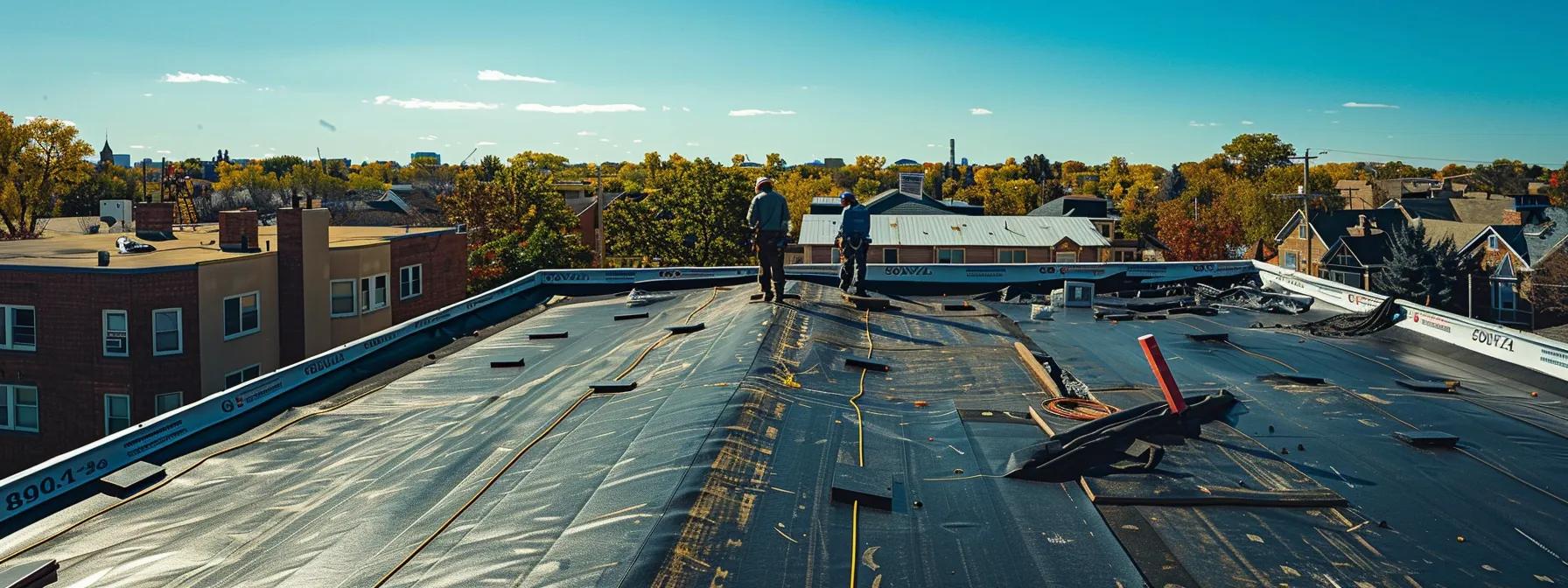
The type and quality of EPDM membrane are crucial to roofing success. Generally, there are three primary options:
• Standard EPDM Membranes: Manufactured in large sheets or rolls, these membranes (typically 45–60 mils thick) offer reliable weather resistance, UV protection, and ease of handling, making them ideal for most flat roof applications.
• Reinforced EPDM Membranes: These include an additional fabric or scrim layer, enhancing tear resistance and durability, which is particularly useful in areas with high foot traffic or heavy debris.
• Dual-Laminate EPDM Membranes: Comprising two bonded layers, these provide superior waterproofing, improved seam performance, and increased resistance to adhesive failures. Although slightly more expensive, their long-term performance is better in severe weather conditions.
When choosing a membrane, consider roof slope, environmental conditions, and maintenance requirements. Commercial roofs may benefit from dual-laminate options, while standard membranes might suffice for budget-oriented residential projects. The selection also must complement the chosen adhesive type and overall roof design.
What Types of Adhesives and Fasteners Are Required?
Adhesives and fasteners are as critical as the membrane itself. The adhesive must bond synthetic rubber to the roof substrate while accommodating natural expansion and contraction. The most common types include:
• Contact Adhesives: Provide a rapid, secure initial bond when applied to both surfaces. • Solvent-Based Adhesives: Penetrate deeply into both the EPDM and substrate to form a chemically resistant bond against moisture and temperature fluctuations. • Water-Based Adhesives: Offer eco-friendly options with lower VOC emissions, albeit with longer drying times.
For fasteners, high-grade corrosion-resistant screws and washers provide a mechanical hold for flashing and edge reinforcements. In delicate areas or overlaps, specialized vinyl or rubberized fasteners offer added security. Proper techniques in applying adhesives (ensuring even application with a heavy-duty roller) and fastener placement (pre-drilling where needed) are essential to prevent issues like bubbling, weak spots, or seam separation.
What Tools Are Essential for DIY EPDM Installation?
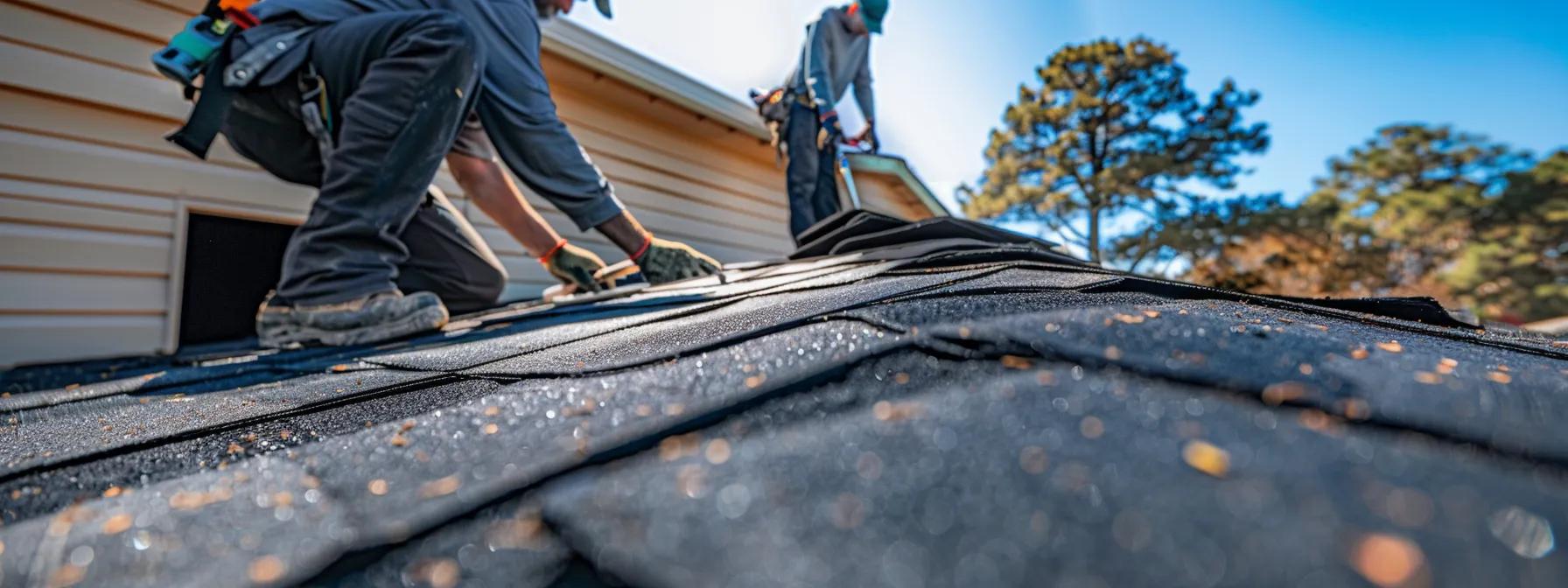
A well-organized toolkit is key for DIY EPDM installation. Essential tools include:
• Notched Trowel: For spreading adhesive uniformly, creating ridges for even application. • Squeegee/Paint Roller: To press the membrane firmly into place and eliminate air pockets. • Utility Knife/Rotary Cutter: For precise trimming to match roof dimensions. • Chalk Line: To mark alignment references on the roof. • Moisture Meter/Infrared Thermometer: To ensure the roof substrate is dry and at the correct adhesive application temperature. • Personal Protective Equipment (PPE): Such as gloves, safety glasses, and respirators to protect against chemicals and physical injuries. • Specialized Tools: Seam rollers secure overlapping sections, and a heat gun may be useful to warm membrane edges in cold settings.
Having the proper equipment and safety gear not only streamlines installation but ensures a professional-quality finish.
How Do You Prepare the Roof Surface Before Layering EPDM?
Proper roof surface preparation is the cornerstone of a successful EPDM installation. Begin by thoroughly inspecting the roof for damage, loose debris, old sealant, or cracks. Repair any issues using roofing cement or by removing compromised sections. Clean the roof meticulously using a high-pressure washer or stiff brush to eliminate dust, debris, and old adhesive residues. If mold or mildew is present, use a mild detergent followed by a thorough rinse. Allow the roof to dry completely; even slight residual moisture can later cause bubbling or adhesion failures.
For roofs with previous coatings that might hinder adhesion, sanding or chemical stripping may be necessary. Applying a primer, as recommended by the adhesive manufacturer, creates a slightly tacky surface that improves the bond. A final inspection using a moisture meter confirms dryness and uniformity, ensuring the substrate is perfectly prepared for the EPDM membrane.
How to Inspect and Assess the Roof for EPDM Installation?
A thorough roof inspection is vital to avoid surprises during installation. Walk the roof with a ladder and flashlight to check for cracks, blisters, or debris in hard-to-see areas such as edges, corners, and around penetrations (vents and skylights). Use an infrared thermometer or moisture meter to check both temperature and moisture levels. Document any signs of previous repairs or imperfect seams to determine if corrective actions are needed before layering a new membrane.
What Are the Best Practices for Cleaning and Repairing the Roof?
To maximize adhesive performance, cleaning and repairs must be systematic:
• Remove all debris with a broom, brush, or suitable high-pressure washer if the roof material permits. • For stubborn residues like old adhesives, use a solvent formulated for rubber roofing. • Patch small cracks or holes with roofing cement or a liquid rubber compound, smoothing out any irregularities with sanding if needed. • For significant damage affecting the roof deck, consult a professional. • After cleaning (and optional priming), perform a final check to ensure the surface is uniform and dry.
Following these practices helps reduce future leaks and extends roof longevity.
How to Ensure the Roof Is Ready for EPDM Membrane Application?
After cleaning and repairs, perform a final detailed check:
• Ensure the roof is free from debris and any residue that might interfere with the adhesive. • Use a moisture meter to confirm complete dryness. • Check that the surface is uniform; any bumps or depressions should be leveled using roof repair compounds. • Apply a primer if recommended to enhance adhesion. • Verify that the roof surface is at the optimal temperature as specified by the adhesive guidelines. • Mark the layout boundaries for the EPDM membrane using a chalk line to maintain proper alignment during installation.
This final preparation phase is critical for ensuring a durable, watertight roof assembly.
What Are the Step-by-Step Instructions to Layer EPDM Roofs?
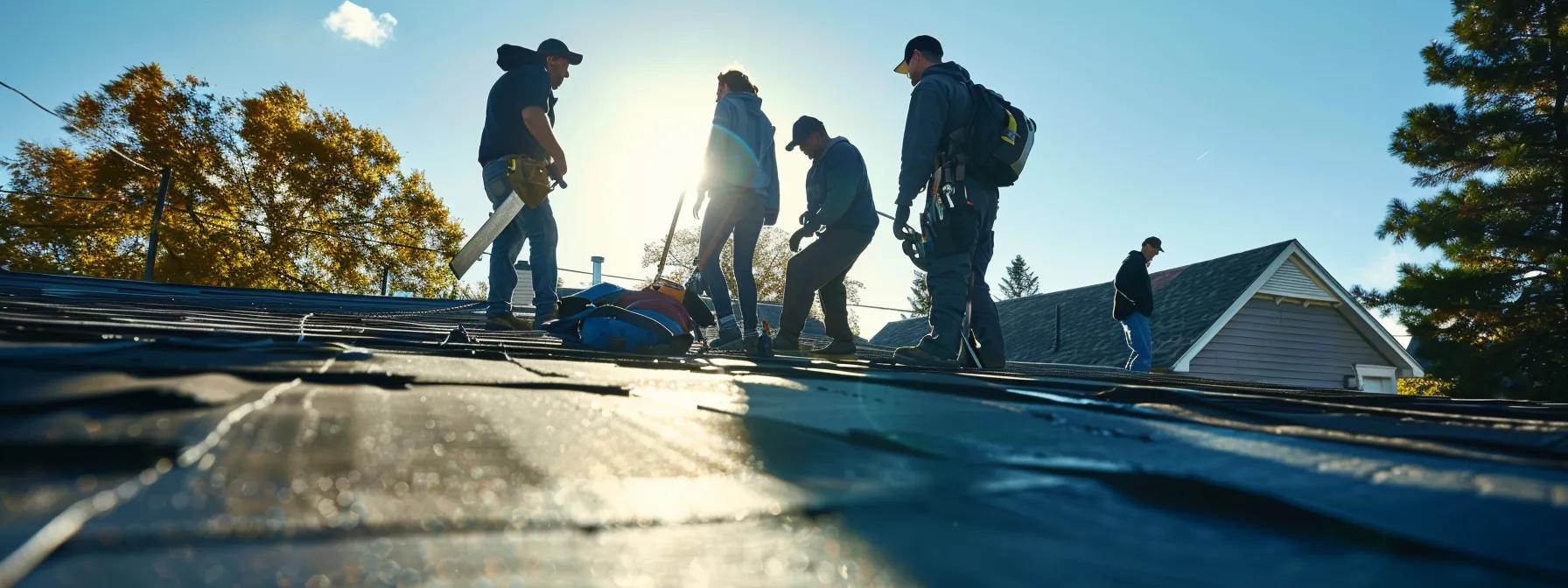
The EPDM roof layering process follows a methodical sequence:
- Adhesive Application:
- Use a notched trowel to evenly spread a uniform layer of adhesive on both the clean, dry roof surface and the underside of the EPDM membrane.
- Allow the adhesive to reach a tacky state (as per manufacturer recommendations) to ensure a strong bond.
- Membrane Placement:
- Carefully roll out the EPDM membrane starting from one end of the roof.
- Use a heavy-duty squeegee or paint roller to press the membrane into the adhesive, eliminating trapped air and ensuring a continuous seal.
- Pay special attention to corners, edges, and areas near roof penetrations, where additional reinforcement or overlapping may be necessary.
- Overlapping Sections:
- For multiple layers, overlap the membranes by approximately 2–3 inches as recommended.
- Ensure the seams align uniformly, and use a seam roller on overlapping sections to secure the bond.
- Seaming and Sealing:
- Apply a high-quality primer or seam sealant along all seams and overlaps to create an extra moisture barrier.
- Install flashing and edge details using additional sealant and fasteners where needed, ensuring proper overlap on vulnerable areas.
- Monitoring:
- Continuously inspect for air pockets or irregularities, reapplying adhesive or re-rolling the membrane as necessary.
By following these step-by-step instructions closely, you create a robust, waterproof EPDM roof that withstands harsh weather conditions over time.
How to Apply Adhesive Correctly for EPDM Membrane Installation?
Select an adhesive that is compatible with both EPDM and the roof substrate. Prepare the adhesive in accordance with manufacturer instructions. Using a notched trowel, apply a thin, even layer over the designated area and allow it to become tacky within a few minutes. Work in small sections to prevent premature drying and continuously check for uniformity. This careful application is vital to achieving a strong bond and reducing the risk of adhesion failures.
How to Position and Install the EPDM Membrane Layers?
After adhesive application, align the first section of the EPDM membrane along pre-marked reference lines. Lay the membrane slowly to avoid wrinkles, ensuring the edges are perfectly aligned. Immediately use a heavy-duty squeegee or roller to press the membrane firmly, starting from the center and moving outward. When adding extra layers, ensure a 2–3 inch overlap and trim slightly to fit flush if needed. A steady hand and constant pressure are key to eliminating air pockets and ensuring a watertight bond.
How to Seam and Seal EPDM Roof Layers Effectively?
Effective seaming and sealing are essential to prevent water leaks:
• After aligning overlapping sections, use a heavy seam roller to press adhesive through the seams, ensuring a continuous bond. • Apply a specialized seam sealant or primer immediately after rolling to reinforce the bond and provide additional moisture protection. • For flashing and edge details, secure additional flashing materials and fasteners, then apply sealant to create a robust barrier against water intrusion. • Conduct a final inspection to ensure all areas are uniformly sealed without trapped air.
What Are the Flashing and Edge Details for EPDM Roofs?
Flashing and edge details safeguard vulnerable perimeter areas:
• Install flashing around penetrations such as vents, skylights, and chimneys using metal or flexible rubberized materials compatible with EPDM. • For edge details, use termination bars or edge strips to secure the membrane’s ends, ensuring a continuous waterproof barrier. • Reinforce transitions between the EPDM and adjacent structures (e.g., walls, parapets) with extra layers of sealant and flashing. • Always secure these components with corrosion-resistant fasteners and apply sealant around fastener heads to prevent leakage.
How Can You Maintain and Repair Layered EPDM Roofs?
Regular maintenance is key to extending the roof’s lifespan. Schedule inspections at least twice a year or after severe weather events. During inspections, check seams, flashing, and edges for wear, peeling, or gaps. Regular cleaning removes debris such as leaves and branches, which can trap moisture and lead to mold growth. Use a broom or non-abrasive brush, and wash with a mild detergent when needed.
For repairs: • Small punctures or tears can be addressed using EPDM patch kits. • Clean and dry the damaged area thoroughly before applying the patch and seam sealant. • If adhesive bond failure is evident, reapply primer and adhesive before adding a new layer or patch. Maintain a detailed maintenance log to track repairs and inspections, which can help prevent minor issues from developing into major problems.
What Is the EPDM Roof Maintenance Checklist?
A robust maintenance checklist includes: • Routine inspections for cracks, lifted seams, or blistering. • Regular removal of debris and checking for water pooling areas. • Verification that all flashing and edge details remain securely fastened. • Periodic cleaning to remove dust, algae, or mold. • Monitoring moisture levels beneath the membrane. Document all maintenance activities to schedule preventive actions and ensure repair work is completed promptly.
How to Identify and Repair Common EPDM Roof Damages?
Common damages include punctures, seam separations, bubbling, and degraded adhesive. To identify problems: • Inspect for air bubbles or visible gaps that indicate moisture penetration or weak adhesion. For repairs: • Clean the damaged section thoroughly and allow it to dry. • Apply an EPDM patch kit; ensure the patch overlaps the existing membrane by at least 2 inches. • For seam separations, reapply a high-quality seam sealant using a caulk gun. • If adhesive issues persist, remove the compromised section, reapply adhesive, and reposition the membrane in accordance with manufacturer guidelines. Timely repair helps maintain roof integrity and prevents increased repair costs later.
How to Extend the Lifespan of Your EPDM Roof?
Regular, proactive maintenance is the best way to extend roof lifespan: • Implement a strict inspection and cleaning schedule. • Address minor issues immediately before they escalate. • Apply UV-protective coatings to reduce the degradation from sun exposure. • Ensure optimal adhesive application during installation and monitor weather conditions closely. Consider periodic professional maintenance reviews to further ensure that your roof remains resilient, energy efficient, and capable of meeting long-term performance expectations.
What Are the Cost Considerations and DIY Tips for EPDM Roof Layering?
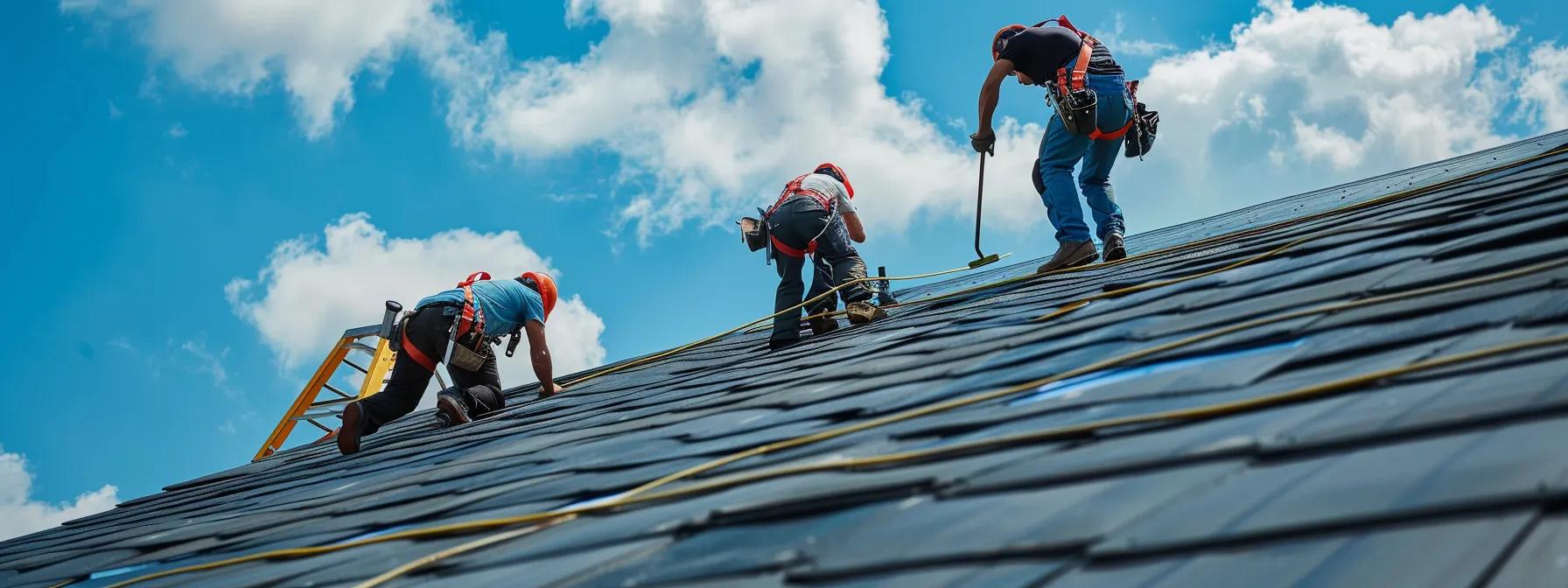
Cost considerations in EPDM roof layering cover materials, tools, labor, and ongoing maintenance. EPDM membranes vary in quality and thickness, which affects cost and durability. While DIY installation can lower labor expenses, it requires an investment in specialized tools and safety equipment. Evaluate suppliers and manufacturers carefully to balance quality and cost, keeping in mind that inferior quality can lead to expensive repairs later.
DIY tips to manage costs include: • Thorough preparation and accurate surface assessments. • Using high-quality adhesives and fasteners. • Planning a detailed budget that accounts for both initial installation and long-term maintenance. A detailed cost-benefit analysis comparing DIY versus professional installation is advisable, as professional work may come with warranties and ensure a higher level of quality, potentially saving money on future repairs.
How Much Does EPDM Roof Layering Cost?
Material costs for EPDM membranes generally range from $1.50 to $3.00 per square foot, with additional supplies (adhesives and sealants) costing about $0.50 to $1.00 per square foot. Professional labor typically brings the overall cost to between $3.50 and $7.00 per square foot. Note that prices vary by project size and location, and larger commercial roofs may incur higher costs due to specialized requirements and safety measures. DIY projects might reduce labor expenses but require careful attention to avoid costly installation errors later.
Should You Choose DIY or Professional EPDM Installation?
Deciding between DIY and professional EPDM installation depends on budget, expertise, and project complexity. DIY may reduce costs if you have the proper skills, tools, and time, but improper installation can lead to leaks and premature failure. Professional contractors offer reliability, warranties, and the experience to handle complex roof geometries and seam sealing effectively, often resulting in long-term savings despite higher upfront costs. Weigh the risks and potential long-term repair costs before making your choice.
What Tools and Safety Precautions Are Needed for DIY Layering?
For DIY EPDM layering, ensure you have: • A comprehensive toolkit including a notched trowel, heavy-duty rollers, utility knife, moisture meter, and chalk line. • Protective gear such as gloves, safety goggles, and respirators. • Safe ladder practices and teamwork protocols to manage large membrane sections. Always review the manufacturer’s safety guidelines and ensure your workspace is clear of hazards before beginning the installation.
What Are Common Problems When Layering EPDM Roofs and How to Troubleshoot Them?
Even with careful planning, issues like adhesive failures, bubbling, seam separation, and flashing problems can arise. Air bubbles often result from uneven adhesive application or residual moisture. To troubleshoot, re-roll the membrane with a heavy seam roller and reapply adhesive in weak spots. For incomplete seams, additional seam sealant may be necessary after re-inspecting the bond. Flashing and edge issues—caused by misalignment or loose fasteners—require removal of flawed sections, cleaning, and reapplication of sealant and proper fasteners. Keeping a log of issues helps track problem areas and informs future maintenance.
How to Fix Adhesive and Membrane Installation Issues?
If you notice bubbling or peeling, re-inspect the affected area immediately. Often, the issue is due to inadequate adhesive application or premature drying. Carefully reapply adhesive to ensure it remains tacky, and use a heavy seam roller to press the membrane firmly into place, eliminating air pockets.
What Are the Solutions for Seaming and Flashing Failures?
For seaming and flashing issues: • Reapply a high-quality seam sealant along weak areas. • If flashing is misaligned, remove the problematic sections, clean and prime the area, and then reapply flashing using the correct fasteners and sealant. These steps reinforce the bond and help prevent future leakage.
How to Prevent and Handle Roof Leaks in EPDM Layers?
Prevention starts with proper installation: ensure every layer, adhesive, and seam is applied meticulously. In case of minor leaks, pinpoint the source quickly and make targeted repairs using EPDM patch kits or additional seam sealants. Following regular preventive maintenance protocols will reduce the likelihood of leaks developing into significant problems over time.
What Are the Benefits and Longevity of Layered EPDM Roofs?
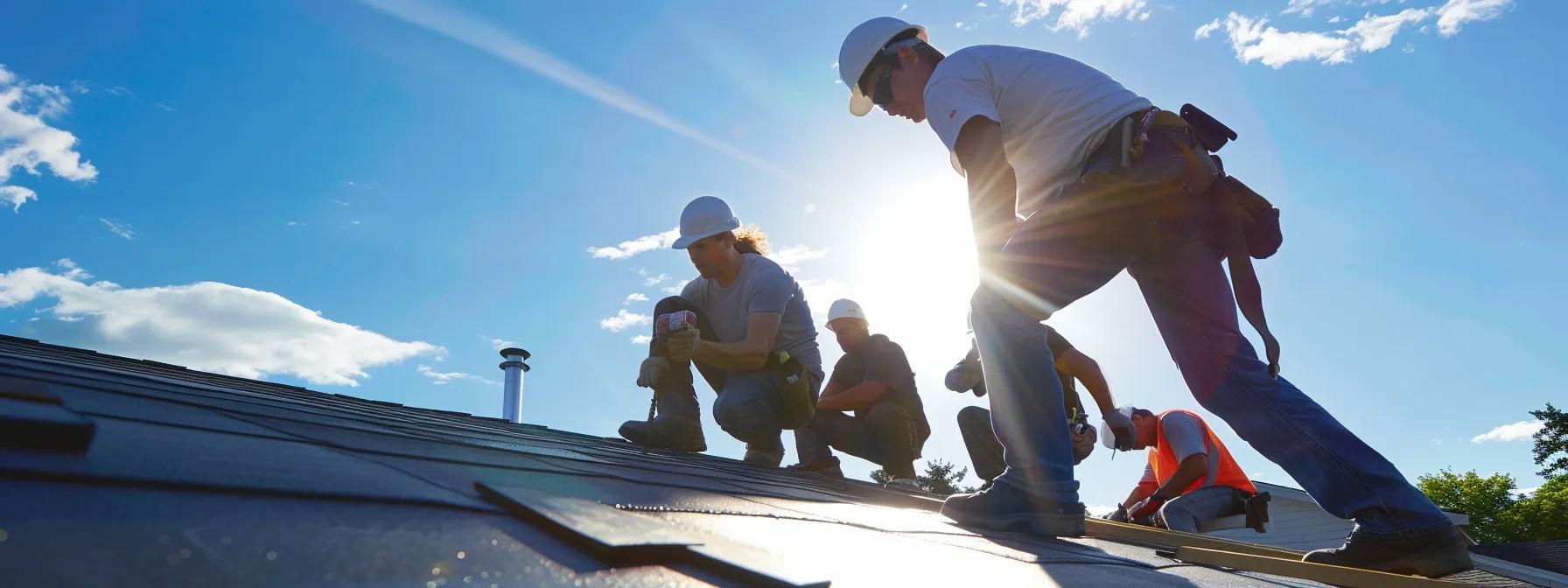
Layered EPDM roofs offer outstanding durability, often lasting over 30 years with proper maintenance. Their energy efficiency arises from effectively reflecting UV radiation and reducing heat absorption, which helps lower cooling costs. The flexible nature of EPDM enables it to withstand extreme temperature variations without cracking. Additionally, EPDM roofs are relatively easy to repair and are environmentally friendly due to their recyclability and minimal installation waste.
When maintained properly, EPDM roofs require fewer repairs over their lifespan, reducing environmental impact and maintenance costs. This combination of durability, energy efficiency, and ease of upkeep makes EPDM an excellent choice for both commercial and residential projects.
How Long Do EPDM Roofs Typically Last?
With proper installation and regular maintenance, EPDM roofs can reliably last 25 to 30 years or more. Factors such as climate, roof usage, and material quality influence longevity. Regular inspections and prompt repairs are essential to ensure the roof remains watertight and durable over the long term.
What Energy Efficiency and Environmental Benefits Do EPDM Roofs Offer?
EPDM roofs improve energy efficiency by reflecting a significant portion of UV rays, reducing heat absorption and lowering cooling costs. Their lightweight structure decreases the load on the building, and their recyclable nature makes them an environmentally friendly option. Minimal maintenance requirements further contribute to energy savings over time.
Why Choose EPDM Roofing for Flat and Low-Slope Roofs?
EPDM roofing’s exceptional flexibility and seamless, watertight barrier make it ideal for flat and low-slope roofs. It is cost-effective, provides long-term protection against water and weather damage, and offers excellent thermal insulation. Furthermore, coatings or additional treatments can customize its energy efficiency, making it a top choice for both commercial and residential roofing applications.
Final Thoughts
Layered EPDM roofs provide an economical, durable, and efficient solution for waterproofing flat and low-slope roofs. Success depends on careful material selection, thorough surface preparation, and precise application techniques that deliver a flawless, watertight finish. Adhering to best practices—from adhesive application to seam sealing and regular maintenance—ensures your roof can withstand extreme weather while offering energy savings and low environmental impact. Whether opting for a DIY project or professional installation, a well-executed EPDM roof guarantees lasting protection and peace of mind.
Frequently Asked Questions
Q: How important is roof surface preparation before EPDM installation? A: Roof surface preparation is vital as it directly impacts adhesive bonding and overall waterproof integrity. Thorough cleaning, repairing cracks or imperfections, and proper priming create a uniform surface essential for a secure membrane application. Neglecting preparation can lead to bubbling, leaks, and premature roof failure.
Q: What are the common signs of adhesion problems in EPDM roofs? A: Look for air bubbles, membrane lifting, or visibly separating seams. These issues often indicate poor adhesive application or an inadequately prepared surface. Regular inspections and prompt repairs using appropriate sealants and additional adhesive can rectify these problems.
Q: How do temperature and humidity affect EPDM roof installation? A: Both factors are crucial; adhesives require an optimal temperature range to form a strong bond, while high humidity can trap moisture under the membrane. Install EPDM under clear, dry conditions within the manufacturer’s recommended temperature guidelines to ensure proper curing and adhesion.
Q: Can I install an EPDM roof layer myself, or should I hire a professional? A: While DIY installation is possible and may cut labor costs, it demands a sound understanding of materials, proper tools, and strict safety practices. For inexperienced individuals, hiring professionals is often safer and can yield a longer-lasting, more reliable installation.
Q: What maintenance practices extend the lifespan of an EPDM roof? A: Regular cleaning to remove debris, scheduled inspections for wear or damage, timely repairs for issues like seam separation or blistering, and applying UV-protective coatings can greatly extend the roof’s lifespan. Keeping a detailed maintenance log and addressing minor flaws promptly are key strategies.
Q: How do flashing and edge details contribute to EPDM roof integrity? A: They protect the vulnerable areas where the membrane meets other structures. Well-installed flashing prevents water intrusion through seams and edges, while secure edge details maintain a continuous waterproof barrier, preventing leaks and reinforcing overall durability.
Q: What cost factors should I consider when planning an EPDM roof installation? A: Consider the cost of EPDM membranes, adhesives, and sealants; professional labor versus DIY expenses; the cost of necessary tools and safety equipment; and long-term maintenance costs. An informed evaluation based on your roof’s specific needs will help ensure you balance quality with budget.
This revised guide condenses the original content while preserving key details, instructions, and SEO-critical keywords.
Need a roof inspection in Saint Paul or the Twin Cities? Call Sellers Roofing Company at +1-651-703-2336 or schedule a free estimate. We are a black-owned, NMSDC-certified MBE roofing contractor with 9+ years experience.