Last updated: 2026-08-01 by Ted Sellers, Owner
Yes. Recessed lights ice dams are a real concern, as these fixtures can cause or worsen ice formation when warm indoor air leaks through the housing and into a cold attic. This specific type of heat loss warms the roof deck directly above the fixture, melting the snow and sending water toward a colder eave where it eventually freezes. Older pot lights are a particularly common source of this problem in many Saint Paul homes.
Key Takeaways
The short version
- Recessed lights ice dams often start with an unsealed attic bypass rather than a failed roof.
- Older non-IC rated can lights frequently leak heat and air directly around the housing.
- While LED bulbs reduce heat output, they do not address the air gaps that require airtight housing to properly seal.
- Proper air sealing and the addition of attic insulation address the root cause long before you need to consider professional ice dam removal.
- A roof leak during a thaw might stem from an ice dam, storm damage roof issues, or flashing failure, all of which require a professional inspection to identify the source.
When This Applies
Homes with recessed lights below an unheated attic
This applies most often to older homes in Saint Paul, Minneapolis, Roseville, Maplewood, and the rest of the Twin Cities. Kitchens, living rooms, hallways, and additions often have recessed lights installed directly below attic space. For newer home projects or renovations, contractors now favor canless wafer downlights as a much safer alternative that reduces these risks.
A recessed fixture cuts through the ceiling air barrier and the vapor barrier. If the can, trim, wiring holes, or drywall opening are not sealed, warm indoor air rises around the fixture. That air carries heat and moisture into the attic.
The snow directly above those lights melts first. Water runs down the roof under the snow cover and refreezes at the cold overhang. Repeat that cycle long enough, and an ice ridge forms at the eave.
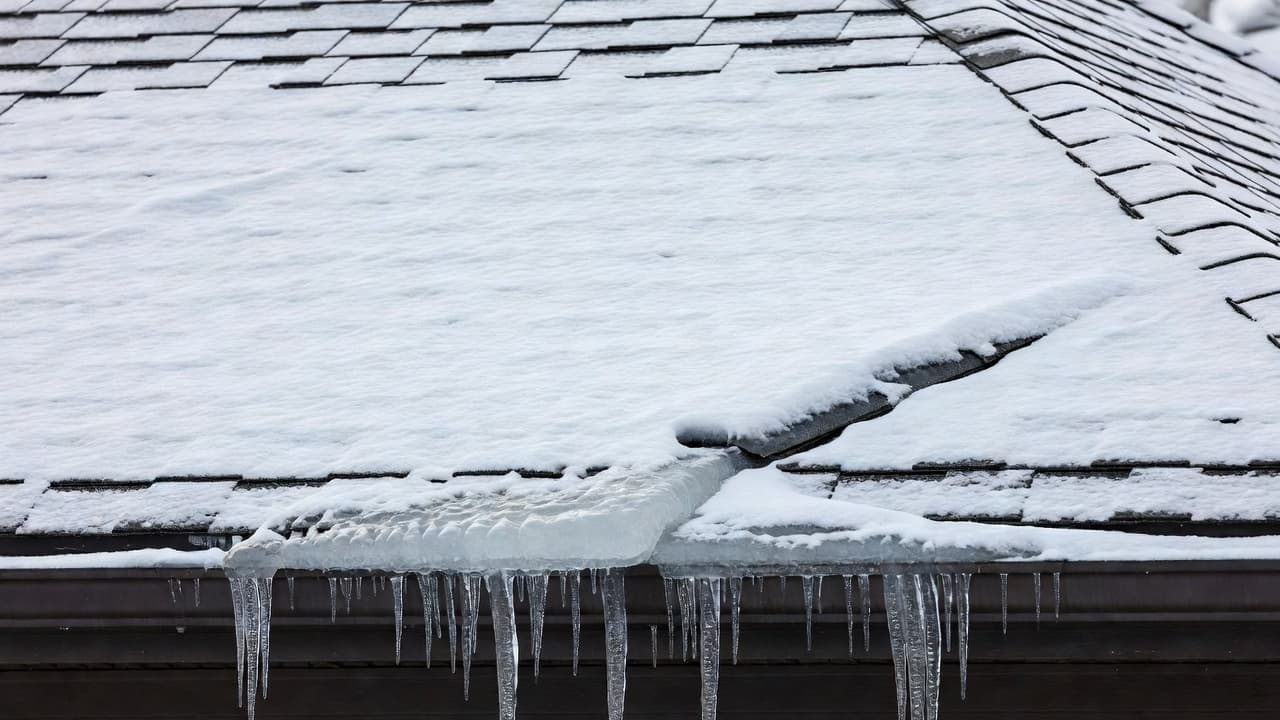
A dam above a kitchen or living room is a strong clue. So is attic frost around light fixtures, dark staining on roof sheathing, or insulation pulled back from the cans.
Cases where recessed lights are not the main cause
Not every ice dam comes from lighting. A dam that runs evenly along the entire eave may point to thin insulation, poor ventilation, heat loss through a chimney chase, or warm ductwork in the attic.
Lights also are not usually the issue when they sit below a finished second floor rather than an unheated attic. Cathedral ceilings are different too. They may have little room for insulation or ventilation, so the full roof assembly needs review.
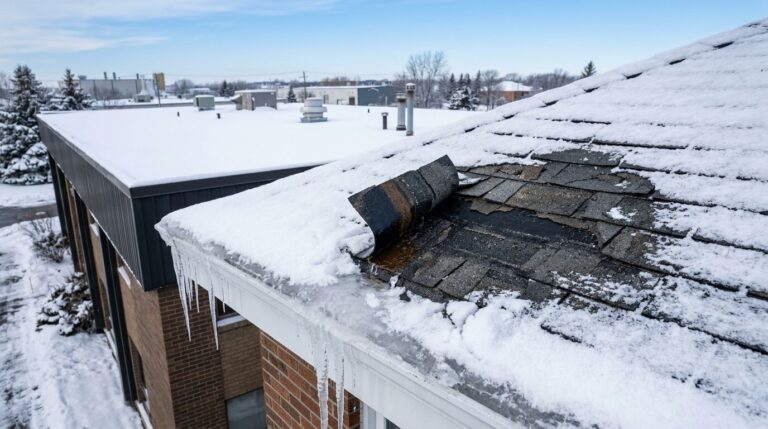
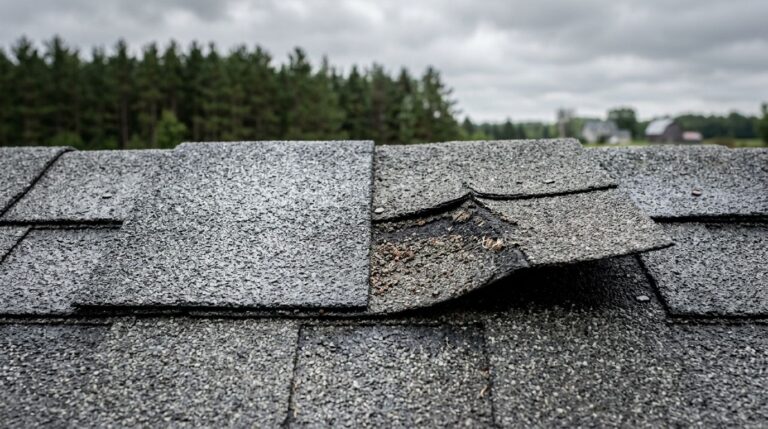
A roof can also leak during winter with no ice dam. Damaged flashing, failed asphalt shingles, loose metal roofing, or a prior storm opening can admit water during wind driven snow. A recessed-light ice dam investigation should look at the attic and roof, not only the fixture trim. Using an infrared camera is the most effective way to detect hidden attic heat and identify specific heat loss patterns that contribute to melting snow.
Icicles are a warning sign, not proof of the leak source. Water can travel a long distance below shingles before it reaches a ceiling stain.
How Recessed Lights Create Ice Dams
The fixture becomes one of many attic bypasses
An attic bypass is any opening that allows conditioned indoor air to escape into the attic space. Recessed lights are common culprits because the fixture penetrates the ceiling plane. Older can lights often lack an airtight housing, featuring vent holes, loose joints, open electrical knockouts, and a significant gap between the drywall and the trim. Warm air moves through these gaps with ease, and it does not take a large opening to impact your home during a Minnesota cold snap.
Non-IC fixtures pose the highest risk because they are not designed for direct insulation contact. Installers must leave a clearance around these units, creating an uninsulated pocket in the ceiling that compromises your home energy efficiency.
Heat, moisture, and roof damage
Warm air does more than just melt snow on the roof surface. It carries indoor moisture into the attic, which leads to condensation and frost when it hits cold sheathing. Over time, this frost melts and saturates your insulation or wood framing.
Many homeowners turn to LED bulbs to solve the problem, as they produce significantly less heat than traditional incandescent bulbs. However, swapping the light source is not a full repair. If you install an LED bulb inside a leaky, outdated fixture, the air leak remains. Homeowners who notice cold air flowing around a recessed trim ring should take the issue seriously. These drafts are a clear indicator of air movement through your ceiling, signaling that gaps are allowing conditioned air to escape and contributing to the cycle of ice dam formation.
Step-by-Step
Fix the attic bypass before repairing the roof
- Identify the ice pattern. Look for bare roof patches above recessed lights, thick frost in the attic, or dams concentrated above a kitchen or living room. Photograph roof edges, ceiling stains, and attic conditions before snow removal or repairs change the evidence.
- Confirm the fixture type safely. Check the label inside the housing when possible. IC-rated fixtures can contact insulation, while non-IC rated cans require specific clearance. It is critical to avoid covering a non-IC rated can with insulation or spray foam directly against the housing, as this can create dangerous fire hazards.
- Air-seal the ceiling plane. A qualified professional should perform proper air sealing by installing recessed light covers or a custom airtight box over fixtures. You can effectively seal gaps around wiring penetrations, plumbing stacks, and duct openings using spray foam or rigid foam insulation rated for the application. This work must always preserve the required clearances and maintain electrical access.
- Restore consistent insulation. Minnesota attics commonly require deep, continuous attic insulation after the air sealing process is complete. Your insulation should cover the attic floor evenly without burying unsafe fixtures or blocking vital soffit ventilation. Remember that thin spots directly above recessed lights often defeat the efficiency of the entire insulation layer.
- Address the roof only after the heat loss is controlled. Steam-based ice dam removal can reduce immediate water backup. Avoid using chisels, salt, hammers, or other sharp tools, as these can easily break shingles, bend gutters, or damage flashing.
- Inspect for damage after the thaw. Ice can lift asphalt shingles, open flashing laps, and force water beneath the underlayment. If water entered the building, document the timing, damaged finishes, and temporary dry-in work before authorizing broad permanent repairs.
Why Roof Type Still Matters
Steep-slope homes and low-slope commercial buildings fail differently
On a residential property, recessed lights typically impact a sloped roof featuring asphalt shingles or metal roofing. When heat escapes into the attic, the snow melts unevenly, which often leads to water freezing at the eaves.
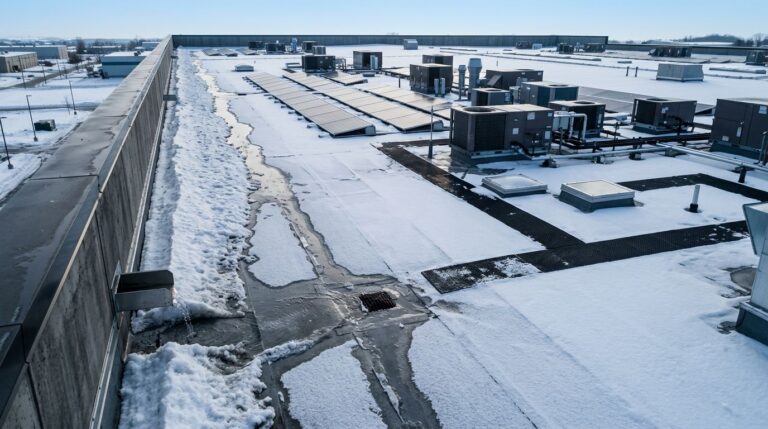
A commercial flat roof does not form the same classic eave dam, but heat loss remains a significant issue. When heat escapes through recessed fixtures, skylights, or rooftop penetrations, it can compromise the integrity of the building vapour barrier. This thermal escape contributes to thawing, refreezing, ponding, and interior condensation concerns that property owners must address.
TPO roofing, EPDM, modified bitumen, and BUR systems require a different diagnostic approach. Water can migrate under membrane laps, cover boards, insulation, or deck flutes long before it drips into the suite below, meaning a ceiling stain rarely identifies the actual entry point of the leak.
Property managers should not assume a winter leak calls for immediate commercial roof replacement. Localized seam damage may simply require commercial roof repair. A dry, well-attached membrane could be a candidate for commercial roof restoration or commercial roof coatings. However, wet insulation, widespread seam failure, and repeated leaks often point toward a larger scope of work.
For a business facing a winter leak, Get a Free Commercial Roof Inspection before treating a visible stain as the whole problem.
When Ice Dam Damage Becomes an Insurance Issue
Document the cause before permanent work starts
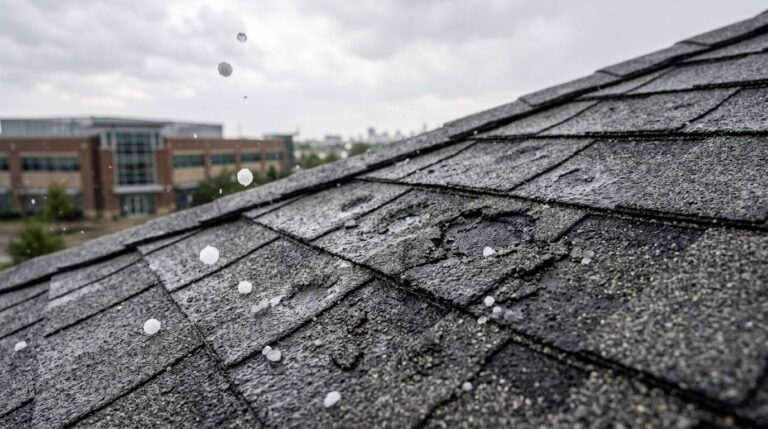
A roof insurance claim may cover damage from a sudden storm-created opening, but policies often exclude wear, neglect, or long-term seepage. An ice dam caused by chronic attic heat loss can create a harder coverage discussion than a hail damage roof or a wind-torn shingle.
Protect the interior first. Move belongings, use catch containers, and document active drips. Temporary dry-in work is reasonable when water is entering, but permanent repairs can erase proof of the original condition.
A commercial roof inspection or residential roof repair assessment should separate old wear from fresh damage. This process helps determine whether the roof needs a focused repair, a complete residential roof replacement, or a broader storm-related scope. In many cases, a replacement project provides the perfect opportunity to improve attic insulation. Addressing these defects during a repair not only prevents future ice dams but also boosts the overall energy efficiency of your home.
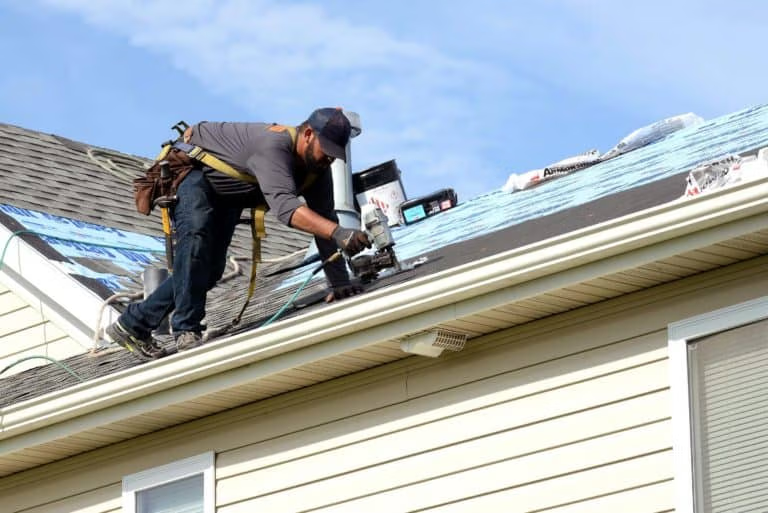
Sellers Roofing Company, at 801 Transfer Road in Saint Paul, provides Saint Paul roofing, Minneapolis roofing, Twin Cities roofing, and Minnesota roofing work with MN License 803862. Its union-built roofing crews include IUPAT Local 96 roofers, and its GAF certified installation experience matters when a winter problem has turned into roof damage.
Conclusion
Stop the heat leak, then repair the roof
Recessed lights, often called pot lights, can contribute to ice dams because they interrupt the ceiling’s air and insulation barrier. While the roof is where the visible damage appears, the cycle actually begins with attic heat escaping through these bypasses.
Ultimately, recessed lights ice dams are fundamentally a result of a broken vapour barrier that allows warm, moist air to reach the roof deck. A repaired shingle will not stop recurring ice if that heat source remains. To solve the problem permanently, seal the fixture area correctly, restore your attic insulation, and inspect the roof after the thaw for any structural damage that requires professional repair.
FAQ
Can I fix recessed-light ice dams by switching to LED bulbs?
While switching to LED bulbs reduces the heat generated at the fixture, it is only a partial solution. LED bulbs lower the temperature at the lens, but they do not prevent warm indoor air from leaking through the gaps in the fixture housing. To effectively stop ice dams, you must address air leakage by installing airtight housing and ensuring proper insulation around the fixture.
Are IC-rated recessed lights safe to cover with insulation?
IC-rated fixtures are specifically designed for direct contact with insulation, but you should always verify the label before proceeding. Non-IC rated fixtures must never be covered, as they pose a fire hazard. For the best results below an attic, use airtight IC-rated fixtures, as they limit both attic heat loss and the movement of warm air into the roof assembly.
Why is there frost around my recessed lights in the attic?
The presence of condensation and frost around your recessed lights indicates that warm, moist air from your living space is reaching the cold environment of your attic. This buildup is a classic sign of air leakage occurring around the fixture housing, wiring penetrations, or ceiling trims. If left unaddressed, this moisture contributes to ice dams and potential water damage.
Can an ice dam damage a newer roof?
Yes. Even a newer roof can sustain damage if water backs up beneath the shingles, enters flashing laps, or reaches vulnerable roof transitions. A new roof installation does not correct significant attic heat loss or improper ventilation, both of which are the primary drivers of ice dam formation.
Should I remove an ice dam myself?
Avoid striking the ice or applying rock salt directly to the roof surface. Both methods can cause significant damage to your roofing material and gutters. If active water is entering your home, Call 651-703-2336 for 24/7 Emergency Roofing for professional, safe temporary protection and a full roof evaluation.
Need a roof inspection in Saint Paul or the Twin Cities? Call Sellers Roofing Company at +1-651-703-2336 or schedule a free estimate. We are a black-owned, NMSDC-certified MBE roofing contractor with 9+ years experience.