Last updated: 2026-07-15 by Ted Sellers, Owner
Short answer: Safe ice dam removal in St. Paul involves clearing loose snow from the perimeter, protecting your interior from leaks, and hiring a trained professional for steam ice dam removal when ice has bonded to your roof. Never attempt to chop ice with an axe, hammer, shovel, or pick. These heavy tools can easily tear asphalt shingles, puncture waterproof membranes, bend metal flashing, and cause serious injury to the person working on the roof.
Ice at the eaves is merely a symptom of a larger issue. When heat escapes into the attic, it melts the snow on your roof; this runoff then freezes again at the colder overhang, creating a dam.
The proper approach follows a simple order: stop the active water leak, remove snow carefully, use steam to melt channels through the thick ice, and finally, correct the attic heat and ventilation conditions that allowed the dam to form in the first place.
Key Takeaways
The practical answer
- Use a roof rake from the ground to pull loose snow down, but avoid scraping or damaging your roofing materials with the roof rake.
- Call for professional ice dam removal St. Paul services when ice is thick, water is entering your home, or the roof is too steep for safe access.
- Don’t use salt, a pressure washer, open flame, hammers, or sharp tools on a roof.
- Protect ceilings, insulation, electrical equipment, and household contents from water damage before the next thaw.
- A recurring dam indicates a need for attic air-sealing, insulation, ventilation, or roof-detail work once the winter season ends.
When This Applies
Know when ice removal is the right response
This applies to homes, duplexes, apartment buildings, churches, and commercial properties throughout St. Paul, Minneapolis, and the broader Twin Cities area that have ice built up along eaves, valleys, gutters, drains, or low-slope roof edges. It also applies when you see water stains, dripping soffits, bowed gutters, wet insulation, or ice pushing beneath shingles.
A roof can have significant accumulation without an ice dam. If the snow is dry, the roof edge is clear, and no water is backing up, removal may not be urgent. General roof snow removal needs are a separate concern and may require a different plan.
Ice dams are common across many residential and commercial projects because roofs repeatedly move through cycles of melting snow, sun exposure, mid-day thaws, and overnight freezes. South-facing slopes may melt first, while north-facing eaves can stay frozen for days.
Water behind an ice dam does not drain downhill. It can move under shingles, flashings, siding, and interior finishes.
Don’t climb onto a steep, icy roof. Don’t work near overhead electrical lines. Don’t send maintenance staff onto a commercial flat roof with unknown snow load, slippery membrane seams, or ponded water hidden beneath snow.
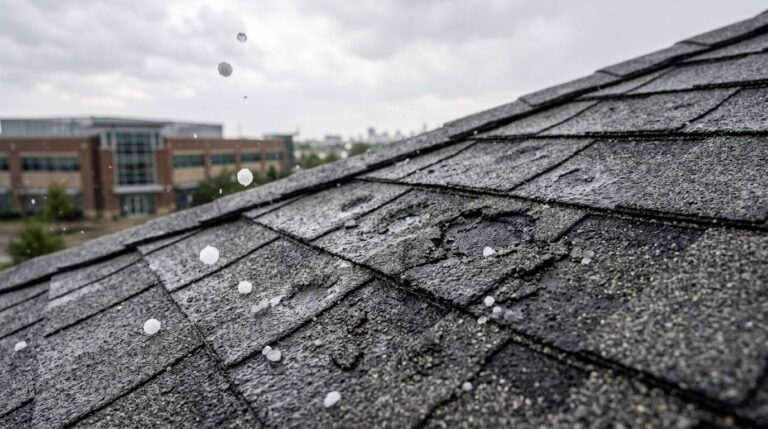
A fresh storm damage roof or hail damage roof also needs a separate inspection. Ice may expose existing roof damage, but it does not automatically prove the underlying cause of the leak.
Step-by-Step
Follow the safe order of work
- Protect the building interior first. Move furniture, inventory, and electronics away from active roof leaks. Place containers under drips to collect water. If water is near a ceiling fixture, circuit, or electrical panel, shut off power to that area only if it is safe to do so. Photograph stains, wet insulation, ceiling tiles, and damaged contents before cleanup begins.
- Remove loose snow from the ground. Utilize a roof rake with a non-metal edge and pull snow down in small sections. Leave a thin layer of snow above asphalt shingles or membrane roofing during this snow removal process. The goal is to reduce meltwater, not scrape the roof bare. Pulling upward can lift shingle tabs, disturb flashing, or snag a gutter.
- Keep people out of the fall zone. Snow and ice can slide without warning. Mark off sidewalks, driveways, loading areas, and entrances below the work. On multifamily or commercial buildings, redirect pedestrians before work starts. A falling sheet of roof ice can injure someone fast.
- Use steam for bonded ice. Professional crews use low-pressure steam equipment to cut channels through ice and free trapped water. This steam ice dam removal method is highly effective because it melts the ice without striking the roof surface. When hiring professionals, expect them to use a specialized ice dam steamer to navigate around gutters, valleys, skylights, chimneys, and eaves. Note that companies typically charge by the cost per hour for this service, which covers the specialized equipment and the skill required to perform low-pressure steam work safely.
- Inspect after the water path is open. Once ice is removed, check for lifted shingles, split flashing, damaged gutters, wet sheathing, saturated insulation, or interior staining. A dam often exposes a weak chimney cricket, wall transition, vent boot, or roof edge detail that was already close to failing.
Why chopping ice creates expensive damage
A metal shovel can shave granules off shingles, leading to accelerated wear. Using an axe can split roofing materials, crack decking, and bend drip edge. A hammer can puncture a TPO roofing membrane or bruise EPDM rubber without leaving an obvious hole, eventually causing significant roof damage and water intrusion.
Salt is not a clean answer either. Rock salt can stain siding, kill landscaping, corrode gutters, and leave residue behind. Calcium chloride-filled fabric tubes are sometimes used as a short-term measure, but they still need careful placement and do not serve as a replacement for professional removal.
Never use a torch or open flame. Roof assemblies contain wood, insulation, adhesives, underlayment, and dry debris. Melting an ice dam should not create a fire loss.

Different Roofs Need Different Ice-Dam Methods
Commercial ice dam removal for low-slope roofs
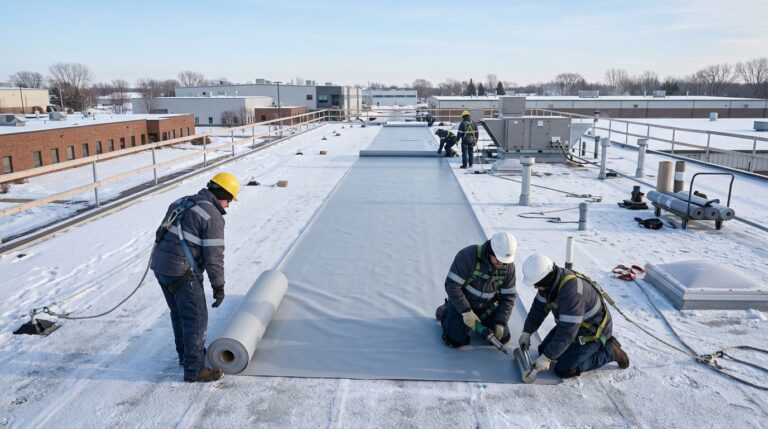
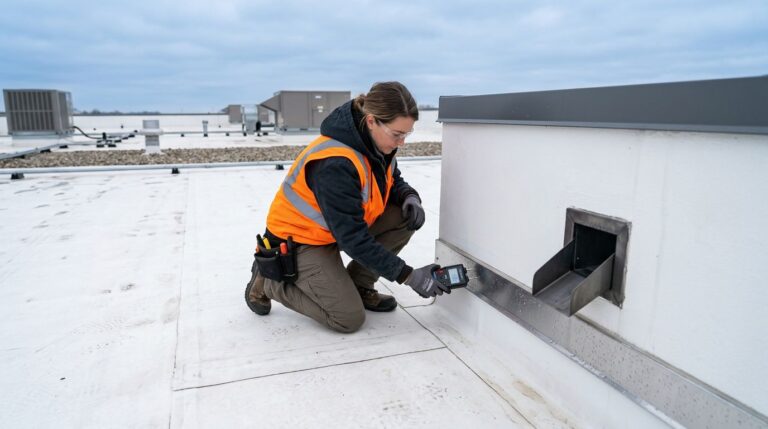
A commercial flat roof can hide standing water beneath heavy snow and ice. TPO roofing, EPDM, modified bitumen, and BUR roofs react differently than shingle roofs. Their primary weak points include seams, parapet flashings, drains, scuppers, curbs, and edge metal. When these areas freeze, it can lead to roof leaks and significant water damage inside your building.
For these systems, steam ice dam removal is the safest approach. Never allow a contractor to cut, chip, or plow down to the membrane. A small puncture can become a major breach once the thaw begins. On a low-slope roof, ice near a drain is often caused by blocked drainage, crushed insulation, poor slope, or a failed drain detail.
A commercial roof inspection can identify moisture spread before a minor winter leak evolves into saturated insulation and a compromised roof deck. If water is appearing far from the roof edge, commercial roof leak detection services can trace the actual entry point rather than simply patching the ceiling stain.
Metal and shingle roofs have different risks
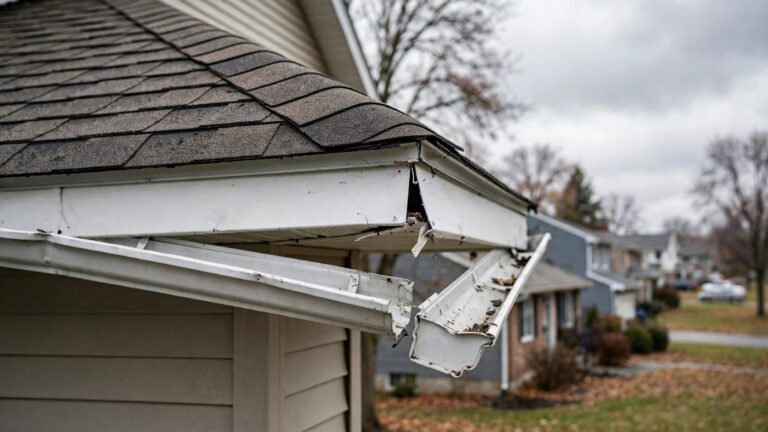
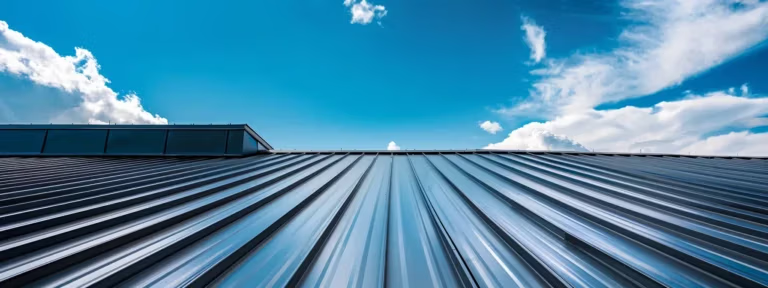
Metal roofing sheds snow faster than asphalt shingles, which can create a sudden slide hazard near entries and sidewalks. Ice can also build up behind snow guards, at panel seams, and around roof penetrations. When addressing these areas, avoid prying on standing-seam panels or pulling ice against exposed fasteners, as this can damage the weatherproofing.
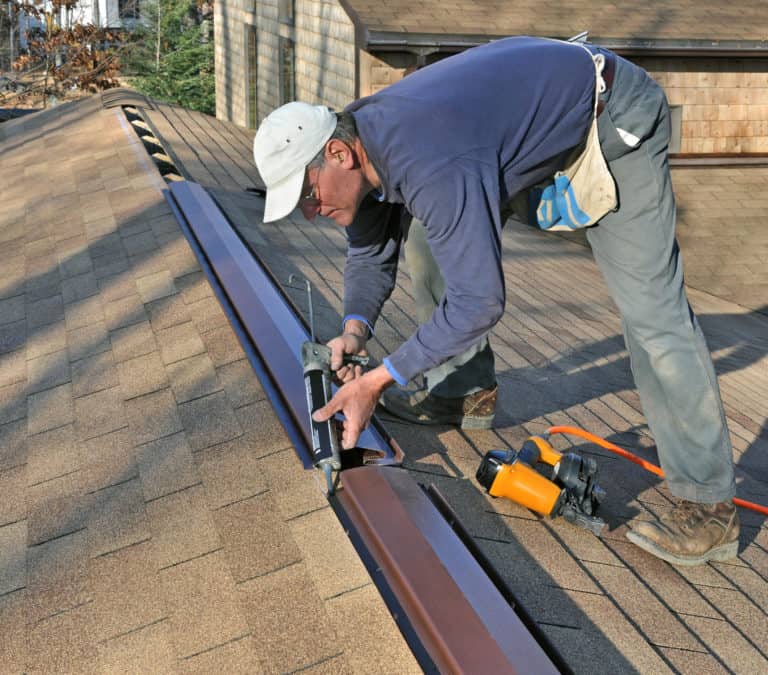
On shingle roofs, ice dams commonly form near unheated eaves and clogged gutters. A homeowner may need residential roof repair for damaged flashing or isolated shingle failure. However, widespread brittle shingles, wet decking, or repeat leaks may indicate that a residential roof replacement is a more reliable long-term solution.
Commercial properties often face a similar decision. A localized seam repair may support commercial roof repair, but widespread saturation, recurring leaks, and failing attachment points often make commercial roof replacement the more honest and cost-effective scope. While commercial roof restoration and commercial roof coatings can extend the life of a structurally sound system, they will not fix underlying wet insulation or an active ice dam leak.
Document the Damage Before Permanent Repairs
Keep the roof insurance claim clear
Temporary mitigation is a smart move, but performing permanent work before documenting the issues can create questions about the cause, extent, and timing of the damage. Take dated photos of the ice, the roof edge, interior staining, any emergency protection installed, and any visible roof damage.
Keep detailed invoices for steam removal, emergency dry-in services, interior cleanup, and temporary protection. If ice forced water under your roofing system following a covered wind or hail event, those records are essential to support a roof insurance claim. If the insurance carrier attempts to classify the issue as long-term wear or poor maintenance, photos and a professional written inspection help clearly separate old conditions from fresh damage.
Ask your contractor to explicitly state what they found, where the damage is located, and whether the issue is limited or widespread. A vague note stating only ice damage is rarely sufficient for a successful claim.
When hiring a professional for roofing work in Minnesota, always verify that they are properly licensed and insured. As a premier ice dam company serving the Twin Cities and Minneapolis area, Sellers Roofing Company holds MN License 803862 and has completed more than 1,100 residential and commercial roofs since 2017. Ask whether crews are GAF certified, trained in union-built roofing, and connected with IUPAT Local 96 when those specific qualifications matter to your project.
Keep Ice Dams From Returning
Prioritize ice dam prevention by fixing heat loss
Steam removal stops the immediate water backup, but it does not cool your roof deck. Once the melting snow is gone, it is essential to inspect your attic insulation, check for air leaks around plumbing stacks and light fixtures, clear blocked soffit vents, and examine your bath fan discharge and overall roof ventilation.
Warm attic air is often the engine behind an ice dam. Proper air sealing should be your first priority because high quality attic insulation alone will not stop warm air from reaching the roof deck. Once the attic is sealed, effective ventilation helps carry out the moisture and heat that remain.
A roof with complex valleys, dormers, skylights, or additions may need structural changes as well. The primary goal of effective ice dam prevention is to maintain an even roof temperature, ensure clear drainage, and keep your roof assembly dry.
Conclusion
Keep the roof cold and the water moving
Professional ice dam removal St. Paul homeowners trust starts with restraint. When you need safe ice dam removal, it is best to pull loose snow from the ground, protect the building, and use steam rather than force when ice is bonded to the roof.
The lasting repair is not a sharper shovel. It is a cold, dry roof assembly with correct air-sealing, insulation, ventilation, drainage, and sound roof details. If you are struggling with recurring issues, reach out to a professional ice dam company for an inspection. Should the winter weather become overwhelming, prioritize your property’s integrity by seeking an emergency service to prevent structural water damage.
Frequently Asked Questions
Can I remove an ice dam myself?
You can use a roof rake from the ground if conditions are safe. Avoid climbing onto an icy roof or using sharp tools, as these present significant safety risks. If you are struggling with heavy buildup, professional ice dam removal St. Paul services are the safest choice. Thick ice, active leaks, steep slopes, and commercial roofs always call for professional equipment and expertise.
Will ice dam removal damage my shingles?
Professional ice dam steamer equipment should not damage sound shingles when handled by a trained technician. The damage typically occurs when homeowners attempt to chip, scrape, or pry the ice away, which can easily tear shingles, bend flashing, and ruin gutters. When you hire a professional ice dam company, they use low-pressure steam to melt the ice without compromising the integrity of your roof materials.
Does homeowners insurance cover ice dam damage?
Coverage depends on your specific policy and the primary cause of loss. Interior water damage may be covered when a sudden, unexpected event created the opening. However, insurers may deny claims if the damage is linked to long-term heat loss, lack of routine maintenance, or aging roof materials that were already in poor condition.
How much does ice dam removal cost and is same-day service available?
Costs typically depend on the complexity of the roof, the thickness of the ice, and the duration of the labor involved. Most companies charge an hourly rate for steam removal services. Regarding scheduling, many professional teams across the Twin Cities, including Minneapolis and the surrounding suburbs, prioritize active leaks. While same-day service is not guaranteed, reputable contractors strive to address emergency situations as quickly as possible during the peak of winter.
Should I remove gutters full of ice?
Do not strike or pull on frozen gutters. They can easily separate from the fascia or bend under the heavy load of the ice. A trained crew can safely remove the ice while inspecting whether the gutter, drip edge, and roof edge have already sustained structural damage.
Why does my house get ice dams every winter?
Recurring dams usually mean that warm air is escaping from your home and reaching the roof deck. Attic bypasses, weak insulation, blocked ventilation, and complicated roof geometry can all create uneven melting and refreezing cycles at the eaves. Addressing these root causes is the best way to prevent future accumulation.
Need a roof inspection in Saint Paul or the Twin Cities? Call Sellers Roofing Company at +1-651-703-2336 or schedule a free estimate. We are a black-owned, NMSDC-certified MBE roofing contractor with 9+ years experience.