Last updated: 2026-08-25 by Ted Sellers, Owner
Ridge vents are not necessary on every roof, but a ridge vent can be an effective exhaust component when it is part of a balanced, code-compliant attic ventilation design. The right approach depends on the attic layout, intake ventilation, roof geometry, insulation, air sealing, and the specific vent product.
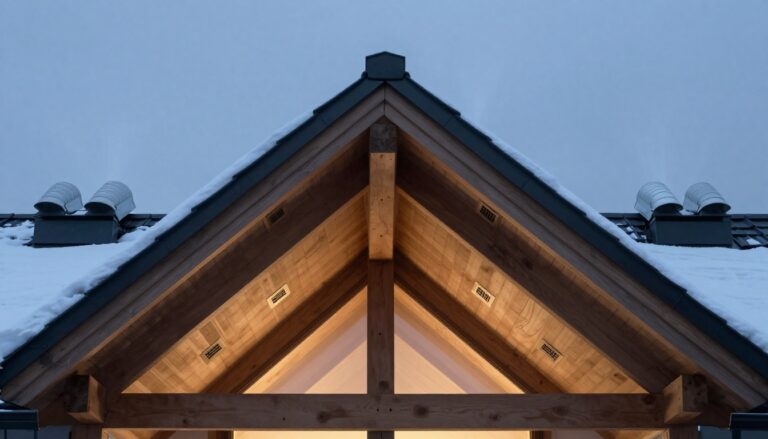
A ridge vent is installed along the roof peak and allows warm air to escape from the attic. It works best when the attic has a clear airflow path from low intake vents—often at the soffits—to high exhaust. Adding a ridge vent without addressing intake or blocked airflow does not automatically solve a moisture or heat problem.
Are roof ridge vents necessary?
No—ridge vents are one possible exhaust strategy, not a universal requirement. A roof may use ridge vents, other approved exhaust vents, or a different assembly based on its design and applicable code. A qualified review should consider the whole attic, not only the visible vent at the peak.
| Situation | What to evaluate |
|---|---|
| Hot or stuffy attic | Intake openings, insulation coverage, air leaks from the home, and the exhaust path. |
| Condensation or frost | Air sealing, bathroom/kitchen exhaust routing, moisture sources, and ventilation balance. |
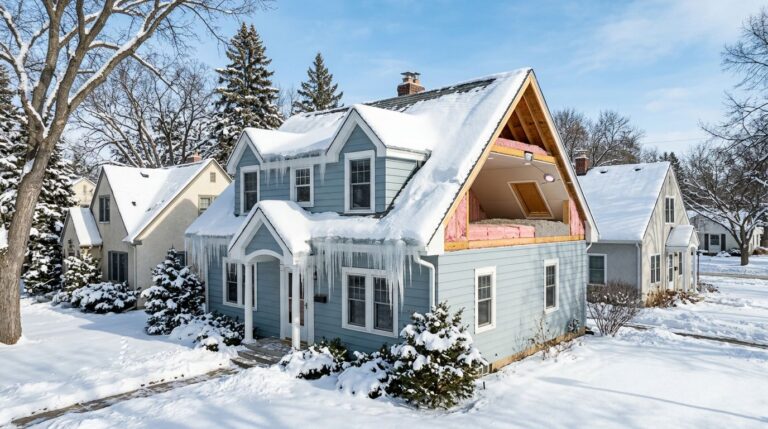
| Ice dams | Heat loss, insulation, air sealing, roof drainage, and ventilation as part of the whole assembly. |
| Reroofing project | Whether the existing attic has usable intake, a continuous ridge, and a product-compatible vent layout. |
How do ridge vents work with soffit vents?
A ridge vent is intended to exhaust air while low roof-edge intake vents supply replacement air. If insulation blocks the soffit openings or the attic has no continuous path to the ridge, the system may not perform as intended.
- Intake needs to remain open after insulation is installed.
- Air chutes or baffles may be needed to preserve a path near the eaves.
- Bath fans and kitchen exhausts should not discharge into the attic.
- Different exhaust vents should not be mixed casually; the layout should be reviewed as a system.
What does Minnesota code require for attic ventilation?
Attic ventilation requirements are based on the roof and attic assembly, not a mandate to install one particular ridge vent. The applicable residential code and the installed products’ current instructions determine the details, including where exceptions or alternate designs may apply.
Minnesota Residential Code roofing provisions are a useful starting point. Local permitting and product documentation should be checked before modifying ventilation or reroofing.
When a ridge vent may not be the best answer
A ridge vent may be impractical when the roof has little usable ridge, the attic is compartmentalized, intake cannot be established, or the roof design needs a different engineered approach. The goal is controlled moisture and heat management for the actual building—not a single product installed by default.
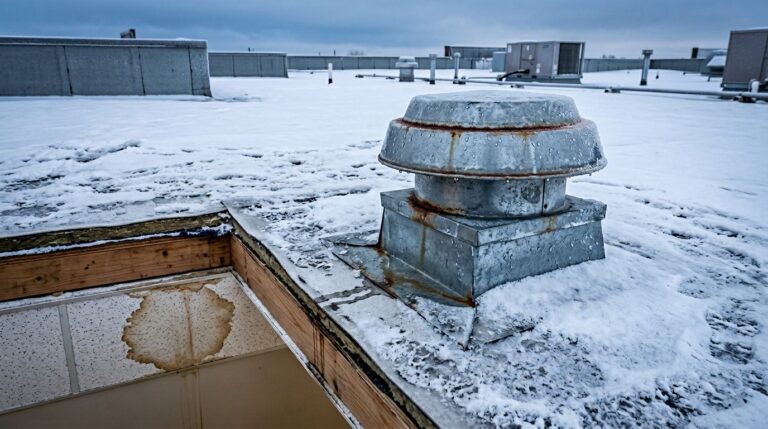
Before adding vents, it is also important to rule out roof leaks. Wet insulation, stains, or deteriorated decking can point to a water-entry issue rather than a ventilation-only issue. Learn how to trace the source of a roof leak before treating a stain as a ventilation diagnosis.
Questions to ask before adding ridge ventilation
- What type and amount of intake ventilation is present at the roof edge?
- Is insulation blocking any intake openings?
- Is there a clear airflow path through the attic to the ridge?
- Are bath fans, dryers, or other exhausts terminating outdoors?
- Does the proposed vent system match the roofing manufacturer’s instructions and local requirements?
For a St. Paul reroof or a roof concern that may involve ventilation, Sellers Roofing Company can assess visible roofing conditions and explain the next steps. Request a roofing estimate to start the conversation.
Frequently asked questions
Do ridge vents help with ice dams?
They can be one part of a balanced roof-and-attic strategy, but ridge vents alone do not fix ice dams. Heat loss, air leaks, insulation, drainage, and ventilation should be evaluated together.
Can a ridge vent be installed without soffit vents?
It may not perform as intended without sufficient intake air. The attic’s airflow path and the product instructions should be reviewed before making changes.
Should every new roof get a ridge vent?
No. The correct ventilation approach depends on the roof design, attic configuration, applicable requirements, and the specific roofing system.
Need a roof inspection in Saint Paul or the Twin Cities? Call Sellers Roofing Company at +1-651-703-2336 or schedule a free estimate. We are a black-owned, NMSDC-certified MBE roofing contractor with 9+ years experience.