Last updated: 2026-05-26 by Ted Sellers, Owner
Rubber Roofing Systems: Key Benefits for Commercial Buildings and How They Improve Durability, Efficiency, and Cost Savings
Commercial property owners face rising maintenance costs and unpredictable weather damage. I’ve guided countless facility managers through selecting rubber roofing systems for buildings to solve these challenges with long-lasting, energy-efficient membranes. In this article, I’ll define rubber roofing systems and their ideal applications, explore EPDM and TPO options, outline installation and maintenance steps, compare costs, and highlight sustainability benefits. You’ll learn:
- What makes rubber roofing ideal for flat or low-slope commercial roofs
- How EPDM delivers unmatched durability and TPO maximizes energy savings
- The installation process, maintenance best practices, and cost versus ROI
- Environmental advantages and how to choose a trusted contractor
Benefits of Rubber Roofing for Commercial Buildings
Rubber roofing systems, particularly EPDM and TPO, are favored for commercial buildings due to their durability and ability to withstand various weather conditions. These systems are designed to be resistant to extreme weather, provide continuous waterproofing, and reduce long-term costs. They are suitable for flat or low-slope roofs, preventing leaks and structural damage in various commercial settings.
This citation supports the article’s introduction of rubber roofing systems and their advantages for commercial properties.
What Are Rubber Roofing Systems and Why Are They Ideal for Commercial Buildings?
Rubber roofing systems are synthetic membranes, typically EPDM or TPO, designed for flat or low-slope commercial roofs. These single-ply systems resist weather extremes, provide continuous waterproofing, and reduce long-term cost of ownership. By distributing thermal stress and repelling moisture, they prevent leaks and structural damage in warehouses, office complexes, and retail centers. Their adaptability to large surface areas and low maintenance needs make them a top choice where durability and energy performance matter most.
What Types of Rubber Roofing Materials Are Commonly Used in Commercial Roofing?
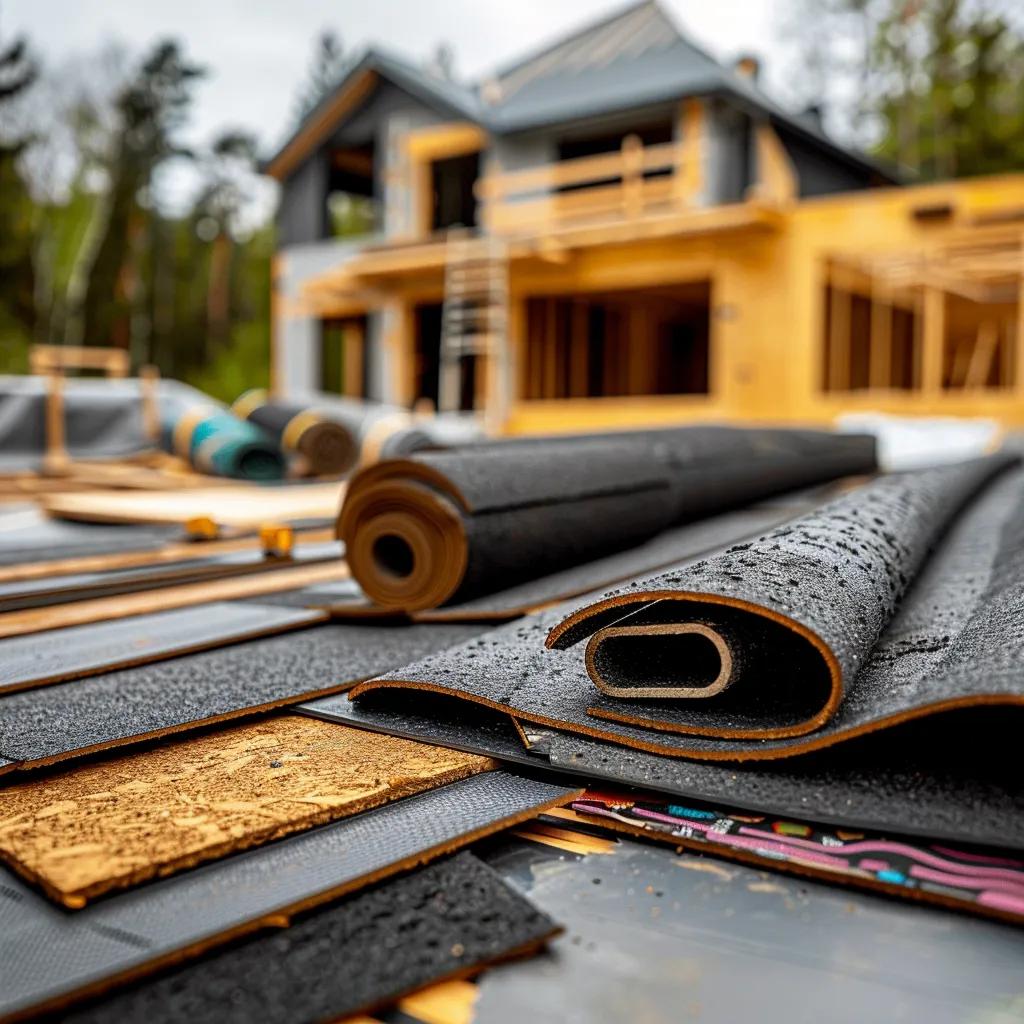
Two primary materials dominate commercial rubber roofing: EPDM (Ethylene Propylene Diene Monomer) and TPO (Thermoplastic Polyolefin). EPDM offers a black or white membrane known for UV resistance, while TPO features heat-welded seams and high reflectivity. Both are available in various thicknesses (45 to 90 mils) and installation methods—fully adhered, mechanically fastened, or ballasted—ensuring compatibility with diverse building designs and budgets.
EPDM and TPO Roofing Materials
EPDM and TPO are the two primary materials used in commercial rubber roofing. EPDM is known for its UV resistance, while TPO is known for its heat-welded seams and high reflectivity. Both materials are available in various thicknesses and installation methods, making them adaptable to different building designs and budgets.
This citation supports the article’s discussion of the different types of rubber roofing materials used in commercial roofing.
How Do Rubber Roofing Systems Suit Low-Slope and Flat Commercial Roofs?
Rubber roofs excel on low-slope (1:12 to 3:12) and flat (<1:12) roofs where water pooling and thermal expansion can cause leaks. Their flexible membranes conform to roof decks, accommodating building movement without cracking. EPDM’s elasticity maintains seal integrity, and TPO’s welded seams create continuous waterproof barriers. This adaptability prevents ponding water damage and reduces stress on roof decks, supporting long-term structural health.
What Are the Core Benefits of Rubber Roofing Systems for Businesses?
- Durability – Resist UV, ozone, hail, and temperature swings
- Longevity – Last 20–50 years with proper upkeep
- Energy Efficiency – Reflect solar heat and lower cooling loads
- Cost-Effectiveness – Reduce maintenance and replacement expenses
- Sustainability – Offer recyclability and cool-roof compliance
These outcomes translate into predictable budgets, fewer service calls, and enhanced building value, helping businesses focus resources on growth rather than emergency repairs.
How Does EPDM Rubber Roofing Provide Durability and Longevity for Commercial Buildings?
EPDM roofing provides unmatched durability by combining synthetic rubber’s flexibility with high resistance to environmental stresses. Its seamless installation options minimize leak points, and its proven performance over decades demonstrates why it remains the industry benchmark for long-term roof protection.
What Makes EPDM Membranes Resistant to UV, Weather, and Temperature Extremes?
EPDM’s chemical composition—carbon black–reinforced ethylene propylene—creates a membrane highly resistant to UV radiation, ozone degradation, and thermal cycling. This resilience prevents surface cracking or embrittlement in temperatures from –40°F to 250°F, ensuring stable waterproofing under Minnesota’s harsh seasonal swings.
How Long Can EPDM Commercial Roofs Last with Proper Installation and Maintenance?
Properly installed EPDM roofs often last 30 to 50 years. Annual inspections and routine cleaning to remove debris preserve membrane integrity. Seam adhesion checks and minor seam repairs extend service life, keeping performance high well beyond typical single-ply lifespans.
What Installation Methods Enhance EPDM Roof Performance on Commercial Buildings?
- Fully Adhered – Membrane glued to insulation for wind uplift resistance
- Mechanically Fastened – Plates and screws secure membrane for secure anchoring
- Ballasted – Loose-laid membrane held by stone ballast for cost efficiency
Why Is TPO Roofing a Cost-Effective and Energy-Efficient Choice for Commercial Properties?
TPO roofing combines thermoplastic performance with reflective capabilities to deliver energy savings and strong seam integrity. Its white membrane reflects up to 80% of solar radiation, cutting cooling loads and utility bills while providing a robust waterproof layer.
How Does TPO Reflectivity Reduce Energy Costs in Commercial Buildings?
TPO’s light-colored surface reflects solar heat, keeping rooftop decks cooler and lowering air-conditioning demands. Buildings with TPO roofs can see energy cost reductions up to 15%, translating into significant annual savings and faster return on investment.
What Are the Advantages of Heat-Welded Seams in TPO Roofing Systems?
Heat-welded seams fuse membrane panels into a monolithic surface without adhesives. This continuous bond resists wind uplift and leak infiltration better than taped or glued seams, offering stronger waterproofing and minimal seam failures over time.
How Does TPO Compare to EPDM in Terms of Cost and Performance?
Below is a comparison of EPDM versus TPO attributes:
What Is the Step-by-Step Installation Process for Commercial Rubber Roofing Systems?
A structured installation ensures membrane integrity and long-term performance. From surface prep to final inspection, following a verified process minimizes defects and accelerates project timelines.
What Are the Key Preparation Steps Before Installing Rubber Roofing on Commercial Buildings?
- Deck Inspection – Verify structural soundness and slope
- Insulation Layout – Install rigid board insulation for thermal performance
- Substrate Cleaning – Remove dust, debris, and moisture
- Primer Application – Promote membrane adhesion on fully adhered systems
How Are EPDM and TPO Membranes Applied and Secured During Installation?
- EPDM: Roll out membrane, align seam edges, apply adhesive or fasteners, roll membrane down, and seal seams with primer and tape or seam cement.
- TPO: Position panels, heat-weld seams using automatic welding tools, inspect weld quality with hand-held probes, and finish flashing details around penetrations.
What Are Best Practices to Ensure Waterproofing and Longevity During Installation?
- Use manufacturer-approved adhesives and seam tapes
- Maintain proper tension to avoid membrane wrinkles
- Inspect seams with electronic leak detection tools
- Protect membrane edges with metal termination bars
How Can Commercial Property Managers Maintain and Repair Rubber Roofing Systems for Maximum Lifespan?
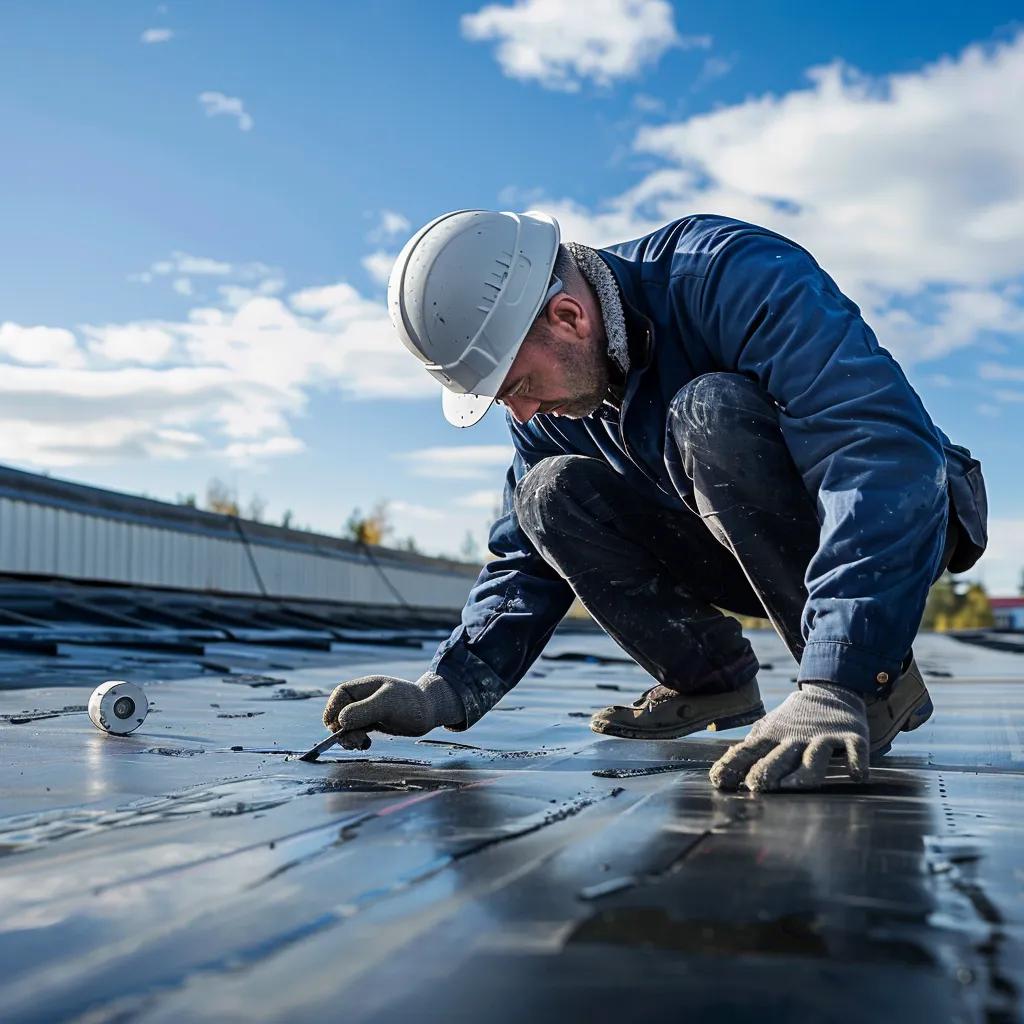
Routine care and timely repairs sustain performance, prevent costly water damage, and preserve warranty coverage. A simple maintenance plan reduces emergency service calls and extends roof life.
What Routine Maintenance Tasks Are Essential for EPDM and TPO Roofs?
- Biannual inspections for seam integrity and membrane punctures
- Debris removal from drains and roof surfaces
- Clearing vegetation growth near flashings
- Checking and resealing penetrations, curbs, and drains
How Are Common Rubber Roof Issues Diagnosed and Repaired?
Common issues—punctures, seam failures, membrane lifting—are diagnosed via visual inspection or infrared leak detection. Repairs use patch kits or specialized seam tape to restore continuity. Quick spotting and repair prevent water ingress and structural damage.
What Maintenance Tips Help Extend the Lifespan of Commercial Rubber Roofs?
- Schedule professional inspections every spring and fall
- Keep roof traffic to designated walkways
- Apply reflective coatings on EPDM to enhance UV resistance
- Track maintenance history and repair records
What Are the Environmental and Sustainability Benefits of Rubber Roofing Systems for Commercial Buildings?
Rubber membranes align with green building goals by improving energy efficiency, enabling material reuse, and supporting cool-roof standards. These features contribute to lower carbon footprints and potential LEED credits.
How Do Rubber Roofing Systems Contribute to Energy Efficiency and Reduced Carbon Footprint?
Reflective TPO and light-colored EPDM coatings reduce solar heat gain, cutting HVAC energy use. Lower energy demands translate into reduced greenhouse gas emissions, aligning with sustainability targets for commercial facilities.
What Are the Recycling and Cool Roof Properties of EPDM and TPO Membranes?
Both EPDM and TPO membranes are recyclable at end-of-life, with factories reclaiming scrap for new roofing products. Cool-roof variants carry Energy Star ratings, further demonstrating their ability to minimize urban heat island effects and lower building operating costs.
How Does Rubber Roofing Align with Commercial Green Building Standards?
- LEED credits in Energy & Atmosphere and Materials & Resources
- Local cool-roof mandates for urban environments
- Building code requirements for thermal performance
How Does the Cost of Commercial Rubber Roofing Systems Compare to Other Roofing Materials?
Evaluating total cost of ownership reveals rubber roofing’s value over asphalt, metal, or built-up roofs. Upfront expenses balance against energy savings and low maintenance to inform investment decisions.
What Are the Upfront Installation Costs for EPDM and TPO Roofing Systems?
- EPDM: $4.00–$7.00 per sq. ft.
- TPO: $4.50–$8.50 per sq. ft.
How Do Long-Term Energy Savings and Maintenance Costs Affect ROI?
Over a 20-year span, TPO’s energy savings can offset 25–40% of installation costs. EPDM’s minimal maintenance needs reduce service calls by 50% compared to asphalt roofs. Together, these factors accelerate payback and improve net present value.
What Local Factors Influence Commercial Rubber Roofing Costs in St. Paul?
St. Paul’s climate demands thicker membranes and robust attachment to withstand wind and temperature extremes. Local labor rates, permit fees, and insulation requirements also influence project budgets. Partnering with experienced contractors ensures accurate cost estimates tailored to regional conditions.
What Are the Common Questions About Rubber Roofing Systems for Commercial Buildings?
This section addresses frequent inquiries to guide decision-making and set realistic expectations for rubber roofing investments.
What Are the Disadvantages or Limitations of Rubber Roofing?
Rubber roofing can be punctured by sharp objects if not properly protected, and white membranes may show dirt accumulation. Initial expenses exceed modified bitumen systems, but long-term savings often offset the difference.
How Do EPDM and TPO Roofing Systems Differ in Performance and Application?
EPDM offers superior longevity and chemical resistance, making it ideal for heavy traffic roofs. TPO provides higher reflectivity and weld strength, suited for energy-sensitive facilities. EPDM seams rely on adhesives, while TPO uses fused welding for seam integrity.
Is Rubber Roofing Suitable for All Types of Commercial Buildings?
Rubber membranes excel on low-slope and flat roofs found in warehouses, retail centers, and office parks. Steeper pitches or complex roof geometries may favor metal or shingle systems, but custom detailing can adapt rubber membranes to most commercial structures.
How Can You Choose the Right Commercial Rubber Roofing Contractor in St. Paul?
Selecting a qualified contractor ensures proper installation, compliance with local codes, and warranty adherence. Look for proven expertise and local reputation to protect your investment.
What Qualifications and Experience Should a Commercial Rubber Roofing Contractor Have?
Contractors should hold manufacturer certifications for EPDM and TPO installation, carry adequate liability insurance, and demonstrate a portfolio of successful commercial projects. Technical training in seam welding and substrate preparation is essential for quality workmanship.
How Do Local Climate and Building Codes Affect Rubber Roof Installation?
St. Paul’s freeze-thaw cycles and wind load requirements mandate specific membrane attachment methods and insulation R-values. Contractors must adhere to city codes, coordinate with inspectors, and select materials rated for regional weather patterns.
Where Can You Find Trusted Commercial Roofing Services in Wayzata and St. Paul?
Our team at Roofing Experts St. Paul offers commercial roofing services in Wayzata and across St. Paul, specializing in EPDM and TPO membrane installations, maintenance, and repairs. Contact us to schedule a consultation and secure a durable, energy-efficient roof investment.
Need a roof inspection in Saint Paul or the Twin Cities? Call Sellers Roofing Company at +1-651-703-2336 or schedule a free estimate. We are a black-owned, NMSDC-certified MBE roofing contractor with 9+ years experience.