Last updated: 2026-10-23 by Ted Sellers, Owner
Article:
Seasonal Roof Maintenance Checklist for Peak Protection: Complete Guide for St. Paul Homeowners
Maintaining a sturdy roof throughout the year is critical for safeguarding your home against Minnesota’s extreme weather. In this comprehensive guide, I outline an actionable seasonal roof maintenance checklist that extends roof lifespan, prevents costly damage, and prepares your home for every season. We’ll explore why regular upkeep matters, step-by-step tasks for spring, summer, fall, and winter, common problems to watch year-round, and when to enlist Roofing Experts St. Paul’s professional services. Let’s dive into the four seasonal checklists, understand local climate challenges, and reinforce your roof’s peak protection.
Why Is Seasonal Roof Maintenance Essential for Peak Protection?
Regular seasonal maintenance preserves your roof’s integrity, prevents minor issues from escalating, and saves money over time. By addressing damage and wear four times a year, you reduce the risk of leaks, ice dam formation, and structural deterioration. This approach strengthens your home’s weather resistance and aligns with best practices for building longevity.
The Importance of Regular Roof Maintenance
Regular roof maintenance extends a roof’s lifespan and prevents costly damage by addressing issues before they escalate. This proactive approach reduces the risk of leaks, ice dam formation, and structural deterioration, ultimately protecting the home’s integrity and improving energy efficiency.
This supports the article’s emphasis on the benefits of seasonal roof maintenance.
What Are the Benefits of Regular Roof Maintenance?
Performing a seasonal inspection and maintenance routine extends your roof’s lifespan by up to 15 years, reduces repair costs by identifying minor issues early, and prevents water damage that can compromise attic insulation and decking. These benefits combine to protect your home’s structural integrity and improve energy efficiency.
How Does St. Paul’s Climate Affect Roof Maintenance Needs?
St. Paul experiences heavy snow loads, ice dam risks, spring thaws, summer storms, and severe temperature swings. Freeze-thaw cycles stress shingles and flashing, while summer UV exposure degrades asphalt. Understanding this climate profile informs targeted tasks like ice dam prevention, gutter clearing, and heat-damage inspections.
St. Paul’s Climate and Roof Maintenance
St. Paul’s climate, with its heavy snow, ice dam risks, and temperature swings, significantly impacts roof maintenance needs. Freeze-thaw cycles stress shingles, and summer UV exposure degrades asphalt, necessitating targeted maintenance tasks like ice dam prevention and heat-damage inspections.
This citation reinforces the article’s discussion of how local climate conditions influence the specific roof maintenance requirements for St. Paul homeowners.
When Should Homeowners Schedule Roof Inspections and Maintenance?
- Early April: Check for winter damage.
- Mid-July: Assess heat and storm impacts.
- Late September: Prepare for falling leaves and cold.
- December: Monitor snow load and ice dams.
By spacing these quarterly check-ups, you stay ahead of seasonal stressors and ensure peak protection year-round.
What Are the Key Tasks in the Spring Roof Maintenance Checklist?
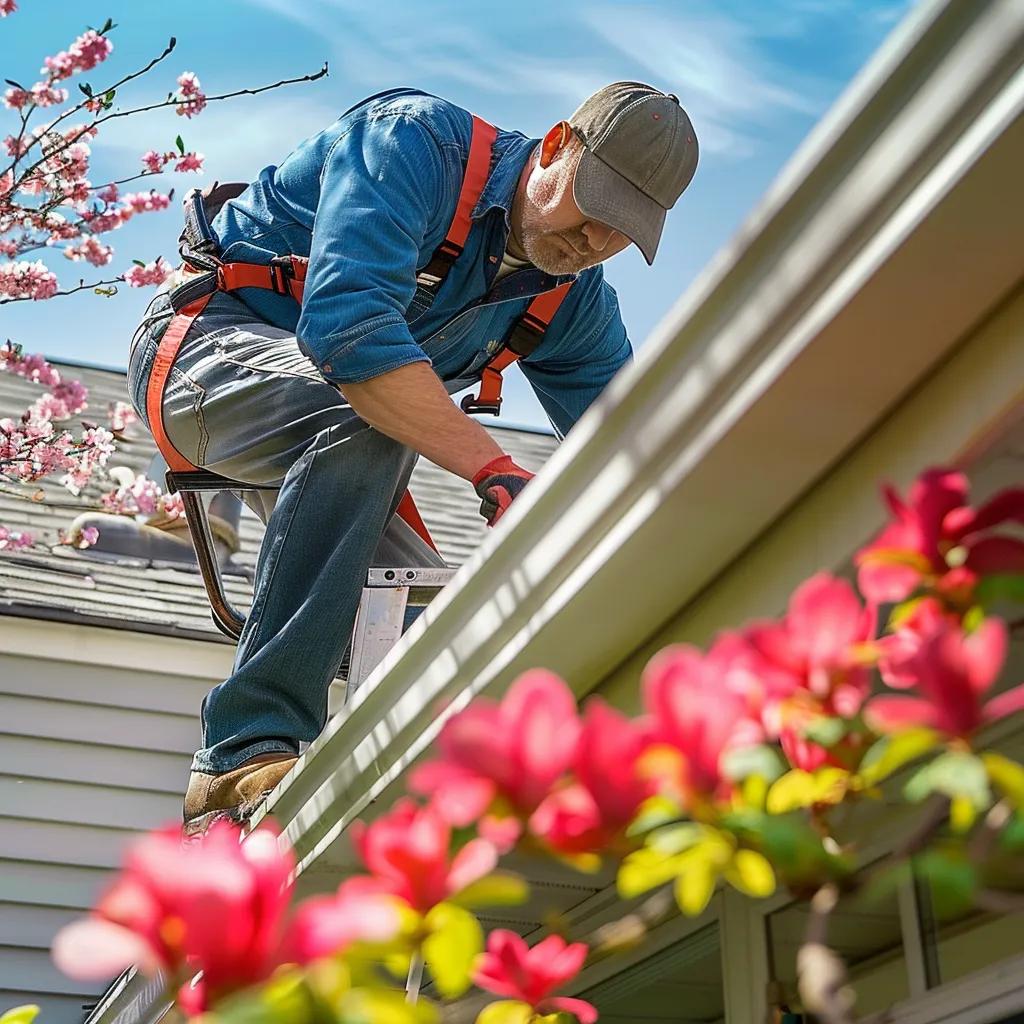
Spring maintenance focuses on repairing winter damage, clearing debris, and restoring proper ventilation. Addressing these items prevents clogged gutters, moisture buildup, and weakened shingles.
How to Inspect and Repair Winter Damage on Shingles and Flashing?
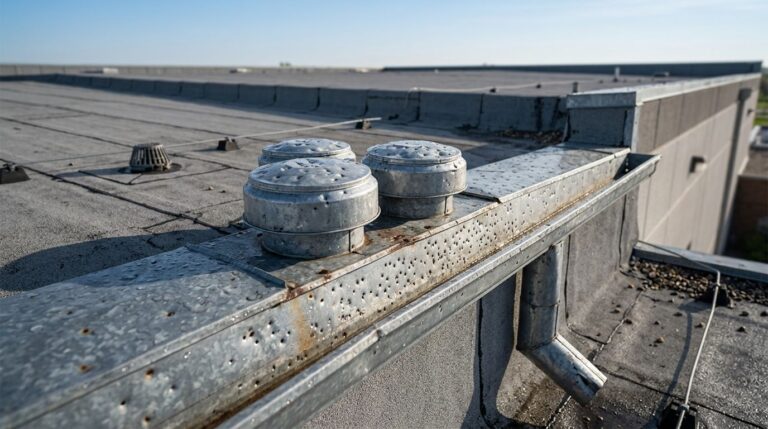
Begin by walking your perimeter for cracked, curled, or missing shingles. Examine flashing around chimneys and vents for gaps or rust. Replace damaged shingles and reseal flashing to restore a watertight barrier before spring rains.
Why Is Gutter Cleaning Critical in Spring?
Gutters and downspouts clogged with winter debris cause water to pool on the roof, undermining shingles and fascia. Clean gutters thoroughly, flush downspouts, and check for loose hangers to ensure proper drainage.
How to Check Attic Ventilation and Insulation After Winter?
Inspect the attic for condensation stains, mold growth, or ice melt signs. Confirm soffit and ridge vents are clear and insulation remains evenly distributed. Proper ventilation prevents moisture buildup that leads to rot.
When Should You Trim Overhanging Tree Branches?
Trim branches at least 6 feet from the roof edge by early spring. This prevents leaf and twig accumulation, reduces insect access, and minimizes damage from falling limbs as temperatures warm.
When to Call a Professional for Spring Roof Repairs?
If you notice extensive shingle cracking, persistent leaks, or compromised flashing after DIY checks, it’s time to call our team. Our Wayzata Roofing Services offer expert spring inspections and repairs that restore roof integrity efficiently.
What Are the Essential Summer Roof Care Tips for Protection?
Summer care emphasizes protecting against heat stress, UV degradation, and storm damage. Proactive steps maintain shingle flexibility and prevent algae growth.
How to Inspect for Heat and UV Damage on Asphalt Shingles?
Heat-beaten shingles may appear blistered or faded. From the ground or ladder, look for granule loss and chalking. Replace severely UV-degraded shingles to maintain waterproofing.
Why Is Regular Gutter and Downspout Maintenance Important in Summer?
Summer storms can overwhelm weakened gutters. Check for rust spots, seal leaks around joints, and ensure downspouts direct water away from your foundation to prevent erosion and basement flooding.
How to Monitor and Remove Moss and Algae Growth?
Moss and algae hold moisture against shingles, accelerating decay. Gently brush off growth with a soft-bristled brush and apply a zinc- or copper-based moss inhibitor. Repeat treatment every two to three years.
What Are the Signs of Storm Damage to Look For?
Inspect for missing or dented shingles, granule deposits in gutters, and punctures from hail. Look inside for new water stains or drips after heavy winds. Early detection prevents leaks from worsening.
When Should You Schedule a Professional Roof Tune-Up in Summer?
Schedule a tune-up when you’ve identified damage beyond patching, such as multiple damaged shingles or suspected flashing gaps. Roofing Experts St. Paul’s summer tune-up includes a full roof walk-through and targeted repairs to weatherproof your home.
How to Prepare Your Roof for Fall: Comprehensive Roof Preparation Guide
Fall preparation aims to remove debris, reinforce flashing, and optimize insulation to prevent ice dams and leaks in winter. A thorough fall maintenance session ensures a dry, energy-efficient attic.
What Are the Steps to Clear Leaves and Debris from Gutters?
Begin with gloves and a ladder, remove leaf buildup, flush the troughs with water, and verify that downspouts are free-flowing. Installing gutter guards can reduce debris accumulation and maintenance frequency.
How to Inspect Chimneys, Skylights, and Flashing Before Winter?
Examine chimney mortar joints and skylight seals for cracks. Repoint mortar where needed, reseal skylight flashing with roof‐rated caulk, and confirm all roof penetrations are watertight to block snowmelt entry.
Why Is Checking Attic Insulation and Ventilation Critical in Fall?
Sufficient insulation and unobstructed vents balance attic temperature and prevent warm air from melting rooftop snow. This reduces ice dam formation, which can lead to leaks under shingles.
How to Identify and Repair Missing or Damaged Shingles?
Walk your roof or inspect from the ground for exposed nail heads, shingle tabs, or curled edges. Replace missing or compromised shingles immediately to avoid water intrusion when winter arrives.
When to Schedule a Professional Pre-Winter Roof Inspection?
If your DIY fall tasks reveal extensive wear—such as multiple cracked shingles, deteriorated flashing, or sagging roof sections—book a professional inspection to address hidden damage before heavy snow.
What Are the Best Practices for Winter Roof Inspection and Ice Dam Prevention?
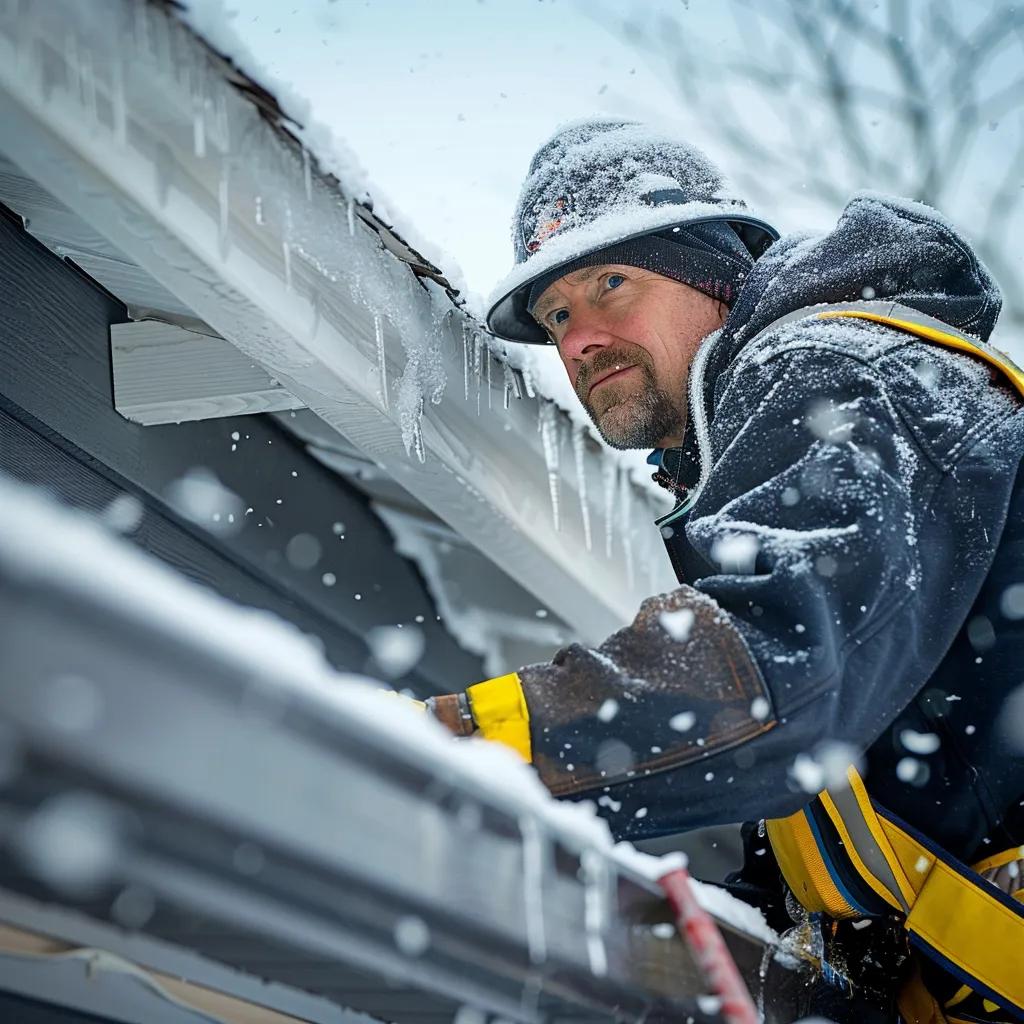
Winter maintenance centers on safety, monitoring snow loads, and mitigating ice dams that threaten ceilings and structural components.
How Do Ice Dams Form and Why Are They Dangerous?
Ice dams form when rooftop snow melts on warm zones, flows to eaves, and refreezes. These ice ridges block drainage, causing meltwater to back up under shingles and leak into your attic and walls.
What Are Effective Methods to Prevent Ice Dams?
Maintain even roof temperature through ample insulation and ventilation. Remove snow with a roof rake immediately after storms, and install heated cables along eaves if ice dams recur frequently.
How to Safely Inspect Roof and Gutters During Winter?
Use binoculars or ground-level vantage points to spot icicles, sagging gutters, and ice dams without climbing ladders. If roof access is essential, employ proper fall-protection gear or hire professionals to avoid injuries.
What Are the Signs of Snow Load Damage and Roof Leaks?
Watch for sagging roof lines, creaking sounds during heavy snow, and water stains on ceilings. Even small drips can signal compromised decking or hidden ice dam leaks demanding immediate attention.
When Should You Contact Professionals for Winter Roof Issues?
Contact our emergency team when you observe structural sagging, persistent leaks despite snow removal, or unsafe ice buildup. Our certified crew handles emergency ice dam removal and roof repairs to restore safety and dryness.
What Common Roof Problems Should Homeowners Watch for Year-Round?
A proactive year-round maintenance mindset catches recurring issues early, reducing long-term repair costs and preserving roof performance.
How to Detect Early Signs of Roof Leaks and Water Damage?
Inspect attics monthly for new water stains, mold, or damp insulation. On ceilings, look for yellowish spots or peeling paint. Early leak detection prevents widespread wood rot and mold growth.
What Are the Indicators of Missing or Damaged Shingles?
Regularly scan your driveway and yard for granule fragments in gutters and downspouts. On the roof, lifted or chipped shingles expose the underlayment, compromising your roof’s waterproofing.
How Does Poor Attic Ventilation Affect Roof Health?
Inadequate airflow traps moisture and heat, leading to warped sheathing, mold, and accelerated shingle aging. Balanced soffit and ridge venting maintains a cool attic and stable roof deck.
Why Is Regular Gutter Maintenance Vital to Prevent Roof Damage?
Clean, leak-free gutters divert water away from fascia and foundations. Clogged or sagging troughs lead to water pooling that undermines shingles and trims, inviting rot and pest entry.
When Is Moss and Algae Removal Necessary?
If you spot green streaks, fuzzy patches, or black stains, it’s time for cleaning. Moss holds moisture, while algae discolors shingles; both shorten roof life without timely removal.
When and Why Should You Hire a Professional Roofing Contractor in St. Paul?
While many maintenance steps can be DIY, professional expertise ensures safety, accuracy, and lasting results when tasks exceed homeowner capacity.
What Services Do Professional Roofers Provide for Seasonal Maintenance?
Skilled roofers perform detailed inspections, flash seal repairs, shingle replacements, gutter realignment, snow removal, and ice dam mitigation. Their training and equipment allow efficient, long-lasting fixes.
How Can Professional Inspections Identify Hidden Roof Damage?
Experts use infrared scanners and moisture meters to detect trapped water under shingles and in attic decking. This early detection exposes weak spots before visible leaks develop.
What Are the Signs That Require Immediate Professional Roof Repair?
Extensive shingle loss, persistent interior drips, structural sagging, and recurring ice dams warrant prompt intervention. Addressing these signs quickly safeguards attic insulation and structural rafters.
How Does Professional Maintenance Extend Roof Lifespan?
Regular contractor-led tune-ups remove debris, reseal vulnerable areas, and replace worn components using industry-grade materials. This proactive care can add up to 15 years to roof service life.
How to Choose a Trusted Roofing Contractor in St. Paul?
Look for licensed, insured professionals with local certifications (e.g., Owens Corning Platinum Preferred). Check reviews for reliability, demand transparent quotes, and confirm warranties on labor and materials.
What Are the Long-Term Benefits of Following a Seasonal Roof Maintenance Checklist?
Committing to a year-round maintenance routine pays dividends in cost savings, energy efficiency, and environmental sustainability.
How Does Seasonal Maintenance Save Money on Repairs?
Proactive upkeep reduces emergency repair costs by up to 50% and minimizes large-scale replacement needs. Minor flashing reseals cost a fraction of full re-roofing expenses when addressed promptly.
In What Ways Does Maintenance Improve Energy Efficiency?
Clean vents and intact insulation prevent heat loss in winter and heat gain in summer, lowering HVAC energy use. A well-maintained roof reflects sunlight better and preserves attic thermal balance.
How Does Regular Maintenance Protect Your Home’s Structural Integrity?
By preventing leaks and ice damage, seasonal care stops wood rot, mold growth, and foundation water intrusion. This safeguards framing, drywall, and interior finishes from costly deterioration.
What Are the Environmental Benefits of Proper Roof Care?
Extending roof life reduces material waste and landfill impact. Regular cleaning discourages biological growth that compromises roofing materials and local air quality, promoting sustainable homeownership.
How to Download and Use Our Printable Seasonal Roof Maintenance Checklist?
Download our free, printable checklist at Roofing Experts St. Paul’s website, fill it out during each seasonal review, and keep it with your home records. Staying organized ensures no task goes unnoticed and your roof remains in peak condition.
Maintaining a roof in St. Paul’s demanding climate requires diligence, knowledge, and the right partnerships. By following this seasonal roof maintenance checklist and involving Roofing Experts St. Paul when needed, you ensure your home stays dry, energy-efficient, and protected through every season. Trust our professional services and proactive guidance for roof performance that exceeds expectations.
Need a roof inspection in Saint Paul or the Twin Cities? Call Sellers Roofing Company at +1-651-703-2336 or schedule a free estimate. We are a black-owned, NMSDC-certified MBE roofing contractor with 9+ years experience.