Last updated: 2026-08-01 by Ted Sellers, Owner
Article:
Signs of Roof Damage Every Business Should Know: How to Detect and Prevent Commercial Roof Problems
Commercial roofs often conceal critical deterioration that can lead to costly leaks, structural risks, and operational downtime if left unaddressed. Recognizing the signs of roof damage in commercial buildings early empowers business owners to act before minor defects escalate into major repairs. In this guide, we define visible exterior damage, interior indicators, underlying causes, detection methods, immediate response steps, prevention strategies, storm‐related signs, and the impact of roof damage on safety and operations. By mapping these themes, we promise a no‐nonsense, professional roadmap for commercial roof integrity.
What Are the Most Common Visible Signs of Commercial Roof Damage?
Visible exterior damage refers to any observable defect on a roof’s surface that compromises waterproofing and durability. Identifying these signs early prevents leaks and preserves the roof’s lifespan.
How Does Ponding Water Indicate Drainage Problems on Commercial Roofs?
Ponding water is standing liquid on a flat or low‐slope roof that indicates inadequate drainage, which leads to accelerated membrane deterioration and structural stress.
Common causes include blocked drains, improper slope, or undersized scuppers.
- Clogged Drains: Debris in scuppers or gutters prevents water flow.
- Flat Surface Defects: Insufficient roof pitch creates low spots where water collects.
- Damaged Drain Covers: Cracked strainers allow sediment buildup.
Persistent ponding water leads to membrane softening, leaks, and increased load on the structure. Addressing drainage failures reduces roof deterioration and downtime, which sets the stage for spotting blistering and bubbling.
The Impact of Ponding Water on Roofs
Standing water on flat or low-slope roofs can significantly accelerate the deterioration of roofing membranes, leading to leaks and structural stress. This is often caused by blocked drains or inadequate roof pitch, which prevents proper water runoff. Addressing these drainage issues promptly is crucial to prevent further damage and extend the roof’s lifespan.
This source supports the article’s claims about the detrimental effects of ponding water and the importance of proper drainage.
What Causes Blistering and Bubbling on Commercial Roof Membranes?
Blistering refers to dome-shaped pockets under the membrane caused by trapped moisture or air, while bubbling results from vapor pressure building beneath the surface. Trapped moisture during installation or moisture intrusion through pinholes triggers this damage.
- Poor Adhesion: Incomplete bonding allows air pockets to form.
- Trapped Solvents: Asphalt or adhesive solvents evaporate unevenly.
- Temperature Fluctuations: Rapid heating expands air pockets.
Blistering weakens the membrane’s tensile strength and often precedes punctures, highlighting the need for timely membrane repair and preventive inspection to avoid cracks and tears.
How to Identify Cracks, Tears, and Punctures on Commercial Roofing Materials?
Cracks, tears, and punctures are linear or point ruptures in roofing materials that allow water entry and insulation loss. They result from foot traffic, hail impact, or debris abrasion.
- Thermal Cycling Cracks: Expansion and contraction open fissures in rigid materials.
- Mechanical Tears: Roof traffic or falling objects slice membranes.
- Punctures: Sharp debris like metal flashing or tree limbs pierce the surface.
Mapping these failures through regular visual surveys prevents minor splits from evolving into significant leaks, guiding businesses toward professional leak detection and patching services.
What Are the Signs of Damaged or Loose Flashing on Commercial Roofs?
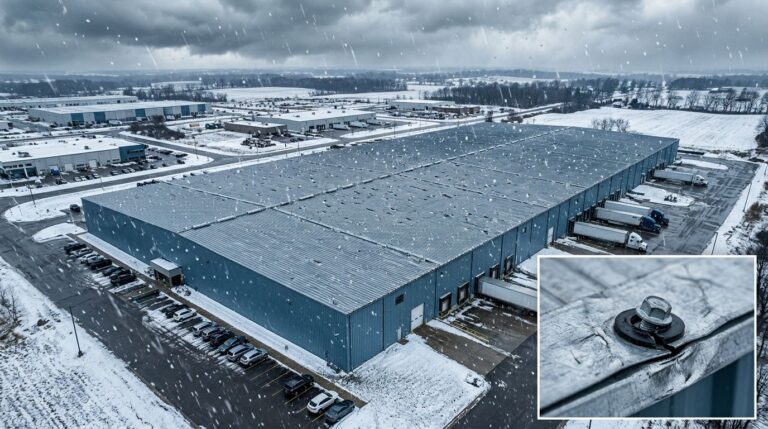
Flashing is the metal sealing around roof penetrations—vents, chimneys, HVAC curbs—that prevents water intrusion at joints. Loose, corroded, or missing flashing indicates vulnerability to leaks.
- Rusted Edges: Corrosion breaks the seal at seams.
- Lifting Seams: Wind or thermal movement loosens metal laps.
- Missing Fasteners: Loose screws or nails allow flashing to pull away.
Flashing defects lead directly to interior water damage, emphasizing the importance of maintaining secure flashing for a watertight roof system.
How Do Loose or Missing Roofing Materials Affect Roof Integrity?
Loose or missing materials—shingles, granules, fasteners—expose underlying membranes and insulation to UV, moisture, and wind uplift.
- Granule Loss: Bare spots on BUR or shingle roofs accelerate asphalt oxidation.
- Exposed Membrane Edges: UV radiation degrades polymer membranes.
- Missing Fasteners: Raised sheets catch wind, risking blow‐offs.
Preventing material displacement through periodic maintenance reduces erosion and alligatoring, ensuring long-term membrane resilience.
What Is Surface Erosion and Alligatoring, and How Do They Affect Roof Lifespan?
Surface erosion is the wearing away of protective granules or coating, while alligatoring is a network of fine cracks resembling reptile scales. Both result from UV exposure and aging materials.
- UV Breakdown: Sunlight breaks down asphalt binders, exposing granules.
- Thermal Fatigue: Repeated heating and cooling create stress cracks.
- Chemical Exposure: Pollutants accelerate binder degradation.
Erosion and alligatoring compromise waterproofing and signal that a roof is nearing the end of its service life, prompting proactive replacement planning rather than emergency repairs.
What Interior Indicators Reveal Hidden Commercial Roof Damage?
Interior indicators are clues inside the building that point to roof system failures, often revealing hidden leaks and moisture intrusion.
How Can Water Stains and Leaks Inside a Building Signal Roof Problems?
Water stains—brown or discolored patches on ceilings or walls—indicate active or prior roof leaks where water migrates from the membrane into the structure.
- Stain Patterns: Circular or irregular shapes show drip paths.
- Drip Sounds: Intermittent dripping suggests ongoing leakage.
- Peeling Paint: Moisture lifts coatings, exposing drywall.
Documenting stain locations and correlating them with roof layout enables targeted repairs, reducing repair scope and preventing widespread interior damage.
What Are the Health Risks of Mold, Mildew, and Musty Odors from Roof Leaks?
Moisture from leaks fosters mold and mildew growth behind walls and above ceilings, creating musty odors and airborne spores that pose respiratory hazards and building code violations.
- Allergic Reactions: Mold spores trigger asthma and allergies.
- Structural Decay: Fungal growth weakens wood framing and insulation.
- Indoor Air Quality Decline: Persistent odors reduce occupant comfort and productivity.
The Risks of Mold and Mildew from Roof Leaks
Moisture intrusion from roof leaks creates environments conducive to mold and mildew growth, which can pose significant health risks to building occupants. These microorganisms release spores that can trigger allergic reactions and respiratory issues, while also potentially causing structural damage to the building itself. Addressing the source of the leaks is essential to mitigate these health hazards.
This citation reinforces the article’s discussion on the health risks associated with mold and mildew growth resulting from roof leaks.
Why Do Rising Energy Bills Suggest Commercial Roof Insulation Issues?
An unexpected spike in heating or cooling costs often indicates insulation compression or material gaps from roof damage, increasing heat transfer and HVAC load.
Below is a comparison of energy impacts when insulation integrity is compromised:
Damage to insulation reduces energy efficiency and cuts into operating budgets, reinforcing the need for roof system assessments that include thermal imaging and roof-to-attic inspections.
What Underlying Causes Lead to Commercial Roof Damage?
Understanding root causes allows businesses to remedy systemic issues and bolster roof resilience.
How Does Roof Age and Material Wear Affect Commercial Roof Condition?
Roof age correlates with natural material degradation, where older membranes lose flexibility and protective coatings thin, exposing substrates to weathering.
- Typical Lifespan: 15–30 years for EPDM/TPO, 20–40 years for BUR/Modified Bitumen.
- Aging Effects: Membrane embrittlement, sealant failure, and seam separation.
- Historical Repairs: Multiple patch jobs create weak points susceptible to further stress.
Anticipating material life expectancies and scheduling replacement before end-of-life failures ensures continuous waterproofing and operational continuity.
What Are the Common Poor Installation Flaws That Cause Roof Damage?
Installation errors create predisposed failure points that manifest as early leaks and membrane breakdown.
- Inadequate Slope: Poor taper creates ponding zones.
- Under- or Over-Application of Adhesive: Weak bonds or excessive solvent retention cause blisters.
- Improper Flashing Integration: Mismatched flashing and membrane joints leak under wind uplift.
Rectifying installation flaws through qualified professional inspections prevents recurring damage and secures long-term performance.
How Does Storm Damage Impact Commercial Roofs and What Should You Inspect?
Hail, wind, rain, and snow each inflict distinct roof damage patterns. Post-storm evaluations detect immediate risks and inform emergency repairs.
- Hail Dents and Cracks: Impact spots on metal and membrane surfaces.
- Wind Uplift: Lifted edges or torn membrane laps at seams.
- Snow Loading: Excessive weight strains roof deck and fasteners.
Conducting a systematic post-storm inspection checklist helps prioritize urgent repairs and avoid interior water intrusion.
How Do Clogged Drains and Gutters Contribute to Roof Damage and Ponding Water?
Debris‐filled drains and gutters prevent drainage, causing extended water exposure that erodes membranes and promotes corrosion around metal decks.
- Leaf and Debris Accumulation: Organic matter blocks scuppers.
- Sediment Buildup: Mud and sediment settle in drain outlets.
- Neglected Maintenance: Lack of seasonal cleaning accelerates ponding.
Clearing drains before and after storms avoids ponding water, preserving membrane integrity and preventing structural damage from water weight.
How Can Businesses Detect Commercial Roof Damage Early?
Early detection relies on systematic inspection methods and emerging diagnostic technologies that identify issues before they escalate.
What Are the Best Commercial Roof Inspection Practices and Frequency?
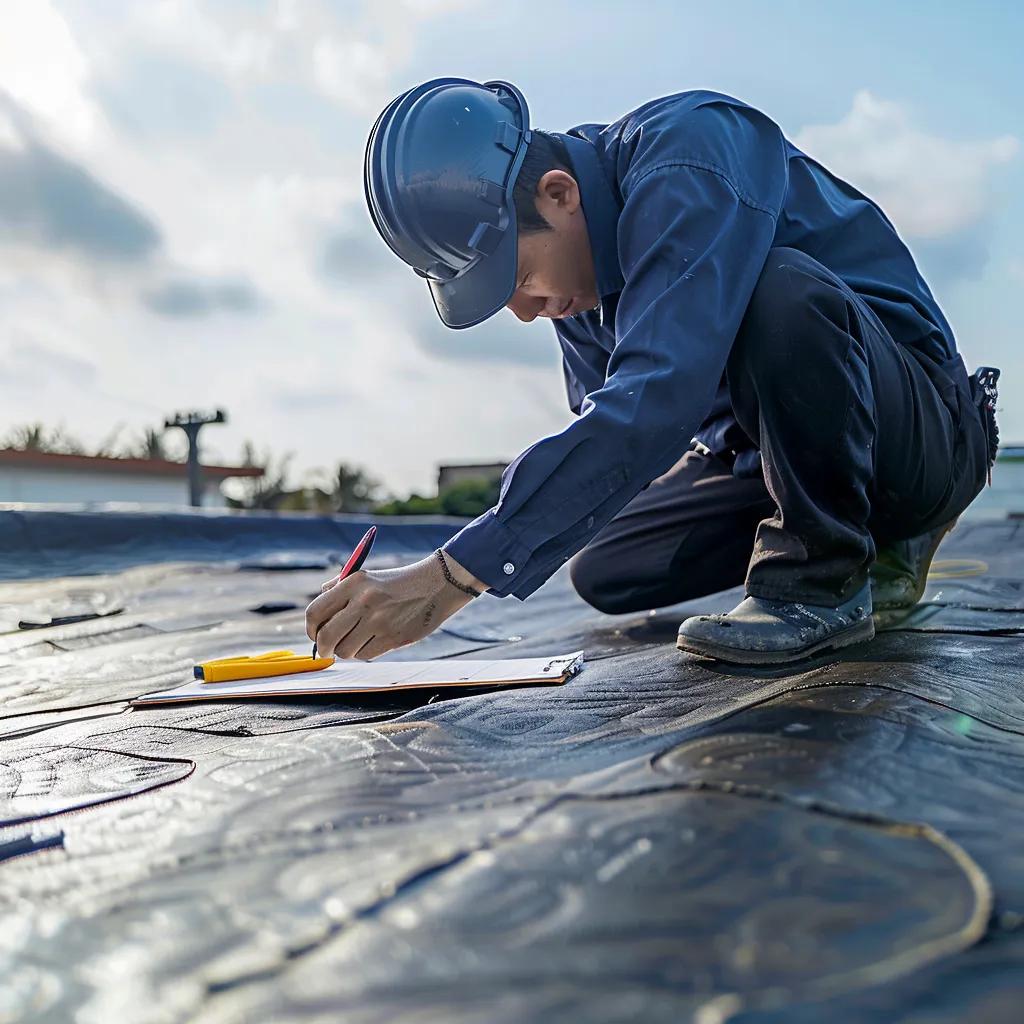
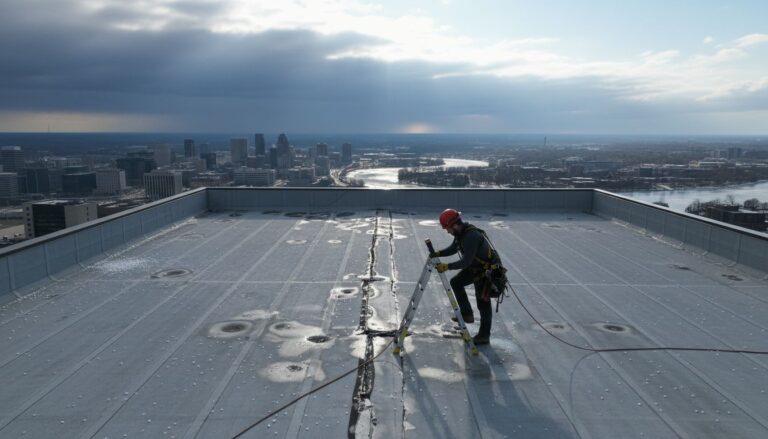
Regular inspections uncover developing defects and inform maintenance schedules. Best practices include biannual visual reviews and post-storm assessments.
- Inspection Frequency: At least twice yearly—in spring and fall—and after severe weather.
- Visual Walkthroughs: Document cracks, blisters, ponding, and flashing conditions.
- Photographic Records: Compare images over time to track deterioration.
The Importance of Regular Roof Inspections
Regular roof inspections are a cornerstone of proactive roof management, enabling the early detection of defects and the implementation of timely maintenance. Biannual inspections, along with post-storm assessments, are recommended to identify and address issues before they escalate into costly repairs or replacements. These practices help extend the roof’s lifespan and prevent unexpected failures.
This citation supports the article’s emphasis on the benefits of regular roof inspections and maintenance for preventing damage and extending roof life.
Consistent inspection practices prevent surprise failures and support budgeting for repairs, leading naturally into advanced leak detection techniques.
How Do Advanced Leak Detection Methods Like Infrared Scanning Work?
Infrared scanning, also known as thermal imaging, detects temperature differentials on roof surfaces that identify wet insulation and hidden leaks.
- Mechanism: Thermal cameras capture heat signatures where moisture holds thermal energy longer than dry areas.
- Benefit: Non‐intrusive, covers large areas quickly, and reveals sub-membrane moisture.
- Application: Conduct scans during cooler evenings for greater thermal contrast.
Leveraging infrared scanning complements visual inspections, offering a comprehensive view of moisture intrusion before stains or structural damage appear.
What Should a Professional Roof Inspection Include to Identify Damage?
A professional roof inspection integrates multiple assessment methods to ensure a thorough evaluation of all roof components and conditions.
- Seam and Flashing Evaluation: Check welds, laps, and fasteners.
- Drain and Gutter Assessment: Test flow capacity and clear blockages.
- Membrane Integrity Testing: Perform moisture meter checks and flood tests.
Bringing in a roofing contractor with specialized tools ensures precise diagnosis, paving the way for immediate action when damage is confirmed.
What Immediate Actions Should Businesses Take When They Spot Roof Damage?
Prompt response minimizes water intrusion, structural risks, and business disruption until permanent repairs can be scheduled.
What Are the First Steps to Document and Temporarily Fix Roof Damage?
Documenting damage and applying temporary fixes contain leaks and support insurance claims.
- Photograph the damaged area from multiple angles.
- Note date, weather conditions, and precise location.
- Apply temporary sealants or patched membranes to stop active leaks.
Documenting and stabilizing the roof prevents further water entry and establishes a record for insurers and contractors.
Why Is Professional Roof Inspection Crucial After Noticing Damage?
Professional inspections provide an expert diagnosis and recommend durable solutions based on manufacturer specifications and building codes.
- Expertise: Certified inspectors identify root‐cause issues beyond surface symptoms.
- Warranty Compliance: Ensures repairs meet material warranty requirements.
- Safety: Qualified teams follow safety protocols for roof access and work.
An expert inspection confirms the full extent of damage and prevents repeated patching that fails to address underlying causes.
How to Decide Between Commercial Roof Repair and Replacement?
Choosing repair versus replacement depends on damage severity, roof age, and long-term cost implications.
Repairs suit localized or minor issues, while replacement becomes cost-effective for roofs past half their expected lifespan or with widespread membrane failure.
Delaying repairs increases risk of interior damage, insurance disputes, and higher restoration costs, making timely decisions essential for budget control.
How Can Businesses Prevent Commercial Roof Damage and Extend Roof Lifespan?
Proactive maintenance and strategic upgrades bolster roof longevity, reduce downtime, and optimize return on investment.
What Are the Benefits of Regular Commercial Roof Maintenance?
Regular maintenance programs catch minor defects early, reduce repair costs, and extend roof warranties.
- Cost Savings: Preventive work costs 25–75% less than emergency repairs.
- Warranty Protection: Maintains manufacturer requirements for inspections.
- Asset Longevity: Scheduled maintenance can add 5–10 years of service life.
Routine maintenance fosters a proactive culture that mitigates the most common damage signs before they escalate.
How Often Should Commercial Roofs Be Inspected and Maintained?
A structured maintenance schedule protects roof health and aligns with building occupancy and weather cycles.
- Standard Schedule: Twice yearly (spring/fall) plus after severe storms.
- Critical Checks: Drain clearing, membrane wash, sealant reapplication.
- Recordkeeping: Log all findings and maintenance actions in a roof asset management system.
Adhering to inspection intervals reduces the likelihood of unexpected leaks and supports long-term budgeting.
What Storm Damage Prevention Measures Can Protect Commercial Roofs?
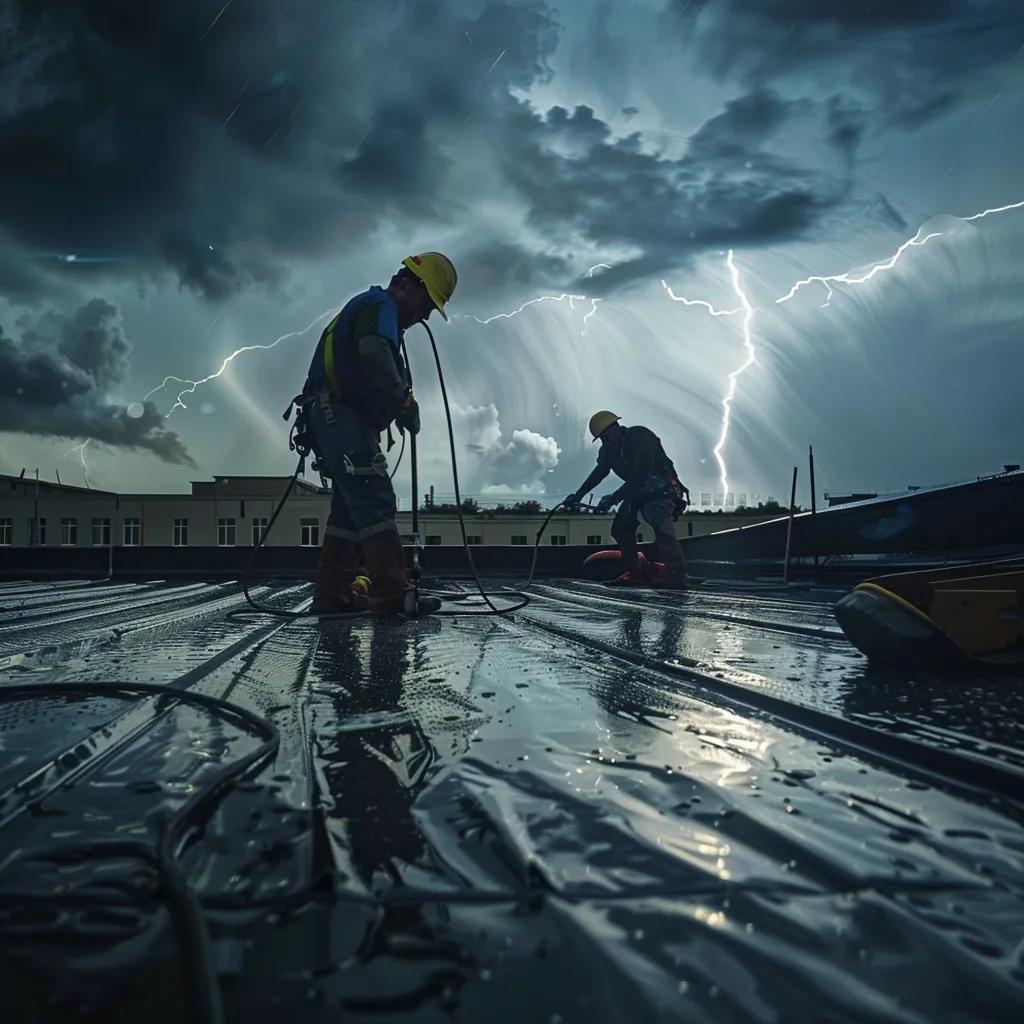
Implementing protective measures before storms minimizes impact from hail, wind, and rain.
- Impact-Resistant Membranes: UL-rated systems reduce hail punctures.
- Reinforced Flashing: Stainless steel and heavy-gauge metals resist wind uplift.
- Temporary Covers: Deploy Tarp systems over vulnerable sections during prolonged storms.
Integrating storm prevention strategies with regular maintenance fortifies roof systems against extreme weather events.
How Do Green and Energy-Efficient Roofing Materials Help Prevent Damage?
Green roofs and reflective coatings protect membranes and reduce thermal stress, prolonging roof durability.
- Cool Roof Coatings: Reflect up to 80% of solar radiation, reducing UV degradation.
- Vegetative Systems: Plant layers shield membranes from temperature extremes and UV.
- Insulated Metal Panels: Combine structural strength with high R-values.
Adopting energy-efficient materials aligns with sustainability goals and yields long-term asset resilience.
What Are the Signs of Storm Damage on Commercial Roofs Every Business Should Know?
Storm damage signs often appear immediately after events and require swift assessment to prevent leaks.
How to Identify Hail Damage on Commercial Roofing Systems?
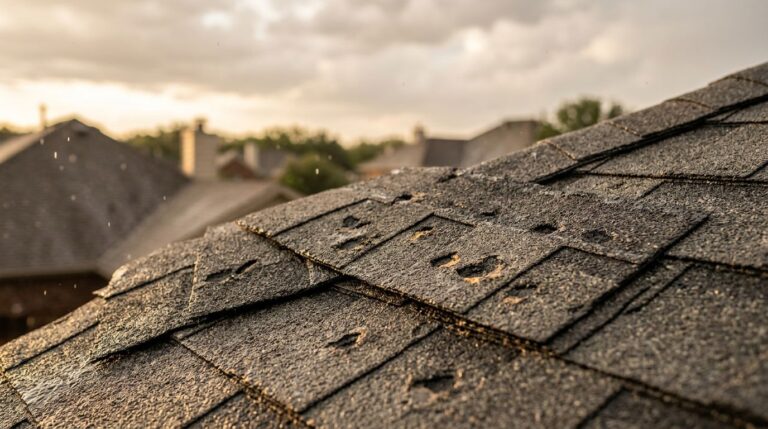
Hail damage manifests as dents, splits, or punctures in membranes and metal components where impact energy exceeded material resistance.
- Circular Indentations: Dimples on metal panels or membrane surfaces.
- Granule Loss: Puncture holes surrounded by missing granules on BUR or shingles.
- Torn Membrane Layers: Visible rips or embedded hail fragments.
Spotting hail damage early ensures timely replacement of impacted sections before leaks develop.
What Are the Effects of Wind and Rain Damage on Commercial Roofs?
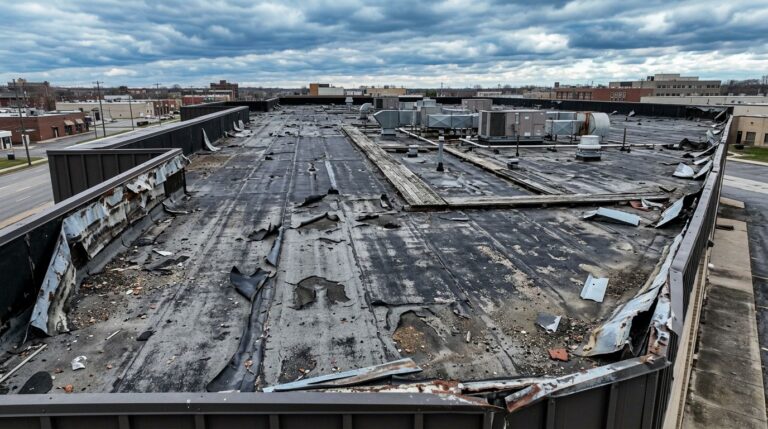
Wind can lift seams and blow off loose materials, while driving rain exploits open laps and flashing gaps, leading to leaks and water pooling.
- Lifted Seams: Raised membrane edges at panel overlaps.
- Fastener Back-Out: Nails or screws working loose from deck penetration.
- Rain Driving Under Flashing: Water infiltration at wall intersections.
Assessing wind and rain impact guides targeted repairs that restore membrane continuity and flashing seals.
When Should You Schedule a Post-Storm Roof Assessment?
Schedule a professional assessment within 72 hours after significant hail, wind gusts over 50 mph, or heavy snow loads exceeding design capacity.
- Urgency Window: 24–72 hours to prevent progressive leaks.
- Inspection Scope: Full roof survey plus interior ceiling checks.
- Emergency Tarping: Immediate temporary covers for open penetrations.
Timely evaluations protect interior spaces and support swift insurance documentation.
How Does Commercial Roof Damage Affect Building Safety and Business Operations?
Roof damage can compromise structural integrity, occupant health, and energy efficiency, disrupting daily operations.
What Are the Structural Risks of Sagging or Uneven Roof Surfaces?
Sagging or ponding zones signal weakened decks or joists under excessive water weight, risking collapse or progressive deformation.
- Deck Deflection: Water weight causes downward bowing.
- Joist Overstress: Repeated loading exceeds design limits.
- Membrane Stress: Uneven surfaces accelerate seam separation.
Addressing structural risks safeguards occupants and preserves core building components, bridging to moisture-related hazards.
How Can Roof Damage Lead to Mold Growth and Health Hazards?
Water intrusion from roof breaches creates damp environments ideal for mold colonization in insulation and interior assemblies, presenting health and safety concerns.
- Hidden Colonies: Mold grows behind ceilings and inside wall cavities.
- Airborne Spores: Dispersed through HVAC systems, impacting indoor air quality.
- Regulatory Noncompliance: Failure to remediate mold can violate building codes.
Eliminating roof leaks is the first step in controlling indoor mold, improving health outcomes and facility compliance.
Why Does Roof Damage Cause Increased Energy Costs and Reduced Efficiency?
Breaches in insulation and membrane continuity allow heat transfer, forcing HVAC systems to work harder to maintain setpoints and increasing utility expenses.
- Thermal Bridging: Gaps in insulation create cold or hot spots.
- Air Leakage: Roof openings permit conditioned air escape.
- Reflectivity Loss: Worn coatings absorb more solar heat.
Ensuring roof integrity directly supports energy management goals and reduces operational expenditures.
Recognizing and responding to these signs of roof damage secures building safety, operational efficiency, and long-term asset value. For specialized inspection, maintenance, and repair expertise in the St. Paul and Wayzata areas, explore our comprehensive Wayzata Commercial and Residential Roofing Services (https://roofingexpertsstpaul.com/areas-we-serve-in-minnesota/) to protect your investment and ensure peace of mind.
Regularly monitoring visible defects, interior clues, systemic causes, and post-storm impacts equips businesses to prevent failures and maintain continuous operations. Partnering with roofing experts ensures advanced detection methods and durable solutions tailored to your building’s needs. Whether addressing minor membrane blisters or planning full roof replacement, proactive roof management translates into cost savings, enhanced safety, and sustained business performance.
Need a roof inspection in Saint Paul or the Twin Cities? Call Sellers Roofing Company at +1-651-703-2336 or schedule a free estimate. We are a black-owned, NMSDC-certified MBE roofing contractor with 9+ years experience.