Last updated: 2026-08-01 by Ted Sellers, Owner
Signs Your Commercial Roof Needs Repair Today: How to Identify and Act on Critical Roof Damage
Commercial roofs protect businesses from the elements, yet hidden damage can escalate into major expenses. Early detection of “signs your commercial roof needs repair” preserves structural integrity, limits operational downtime and prevents costly energy losses. In this guide, we’ll cover water-related damage indicators, physical membrane failures, performance and age-related red flags, root causes, consequences of neglect, the value of professional inspections, preventative maintenance strategies, material-specific warning signs and clear next steps to secure expert help.
What Are the Most Common Signs Your Commercial Roof Needs Repair?
Commercial roof repair signs are visual or performance-based indicators that membrane or structural components are failing. Recognizing these signals early can improve building protection and extend service life. Below are the three high-priority categories of damage you should monitor.
How Can Ponding Water Indicate Serious Commercial Roof Damage?
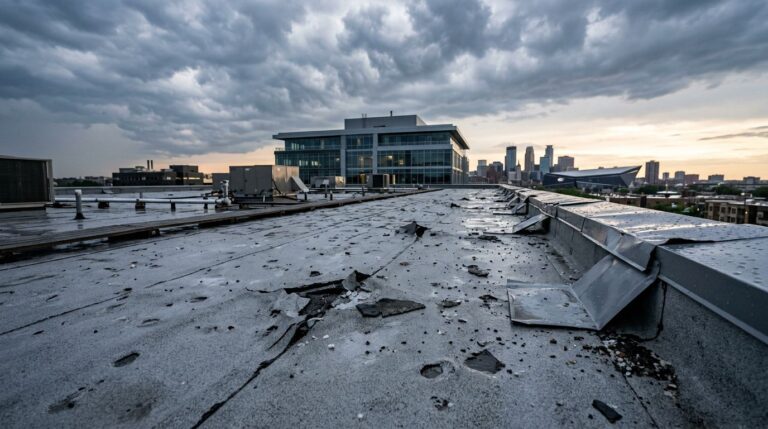
Ponding water IS_A_SIGN_OF compromised drainage and membrane deterioration on flat or low-slope roofs. When water pools for more than 48 hours, weight stresses membranes and fasteners, promoting cracks and seam separation.
- Standing water accelerates membrane aging through ultraviolet (UV)-softening.
- Hydrostatic pressure forces water under seams and flashing.
- Algae and vegetation can take root in stagnant pools.
Prolonged ponding often leads directly to leaks and substrate rot, so addressing drainage issues is critical before membrane failure spreads.
Ponding Water and Roof Damage
Ponding water on flat or low-slope roofs can lead to significant damage, including membrane deterioration and leaks. Water pooling for extended periods stresses the roof’s materials and fasteners, potentially causing cracks and seam separation. This can result in leaks and substrate rot, highlighting the importance of addressing drainage issues promptly.
Jones, A., Roofing Maintenance and Repair Guide (2022)
This research supports the article’s claims about the detrimental effects of ponding water on commercial roofs.
What Are the Visible Signs of Commercial Roof Leaks and Water Stains?
Commercial roof leaks manifest as interior water stains on ceilings, walls or around light fixtures. On the roof deck, look for dark patches of saturated insulation or dripping near penetrations.
- Discolored ceiling tiles or paint peeling.
- Musty odors indicating mold growth.
- Damp insulation exposed at roof seams.
These visible leak signals reveal underlying breaches in waterproofing that require immediate patching or membrane replacement to prevent structural wood rot.
How Do Clogged Drains and Gutters Affect Commercial Roof Health?
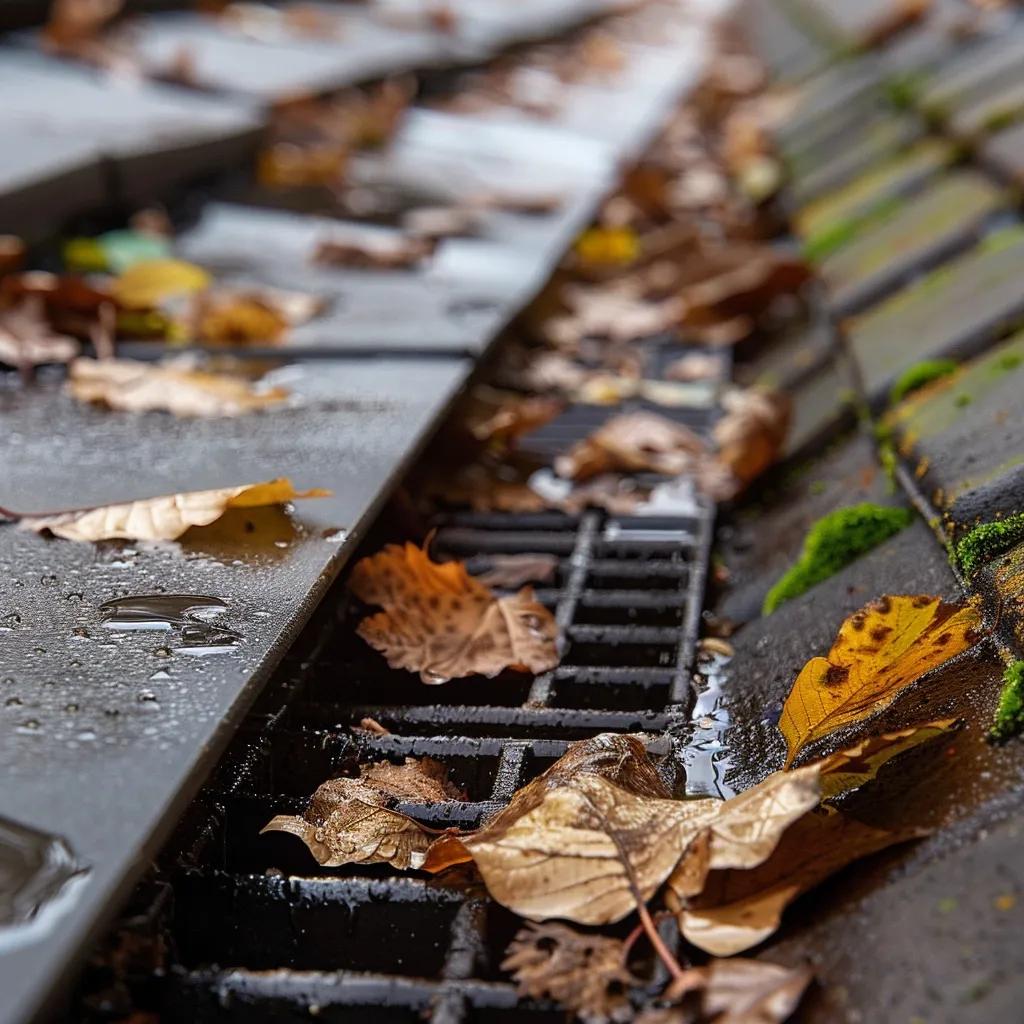
Blocked drains and gutters trap water on the deck, leading to ponding-related membrane stress and increased leak risk. Debris-filled scuppers and downspouts raise hydrostatic pressure against seams and flashing.
- Overflowing gutters corrode metal components.
- Debris buildup impedes water flow off the roof.
- Blocked outlets increase weight load on the deck.
Clearing drainage pathways promptly prevents water accumulation that accelerates deterioration and dovetails into both ponding and leak damage.
How Do Physical Damages Like Blistering and Cracking Signal Roof Problems?
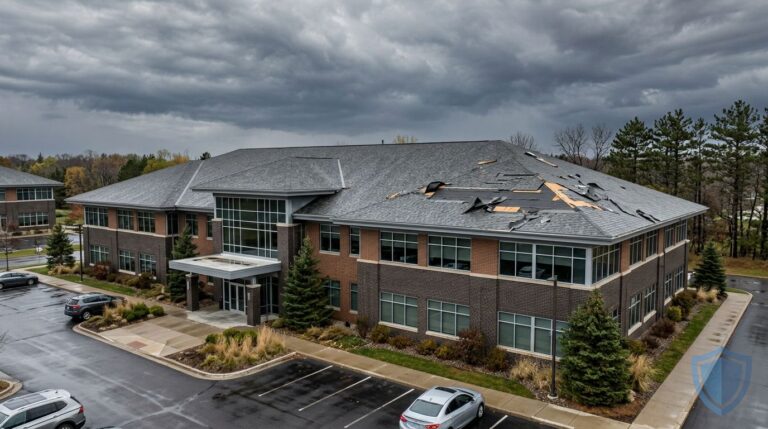
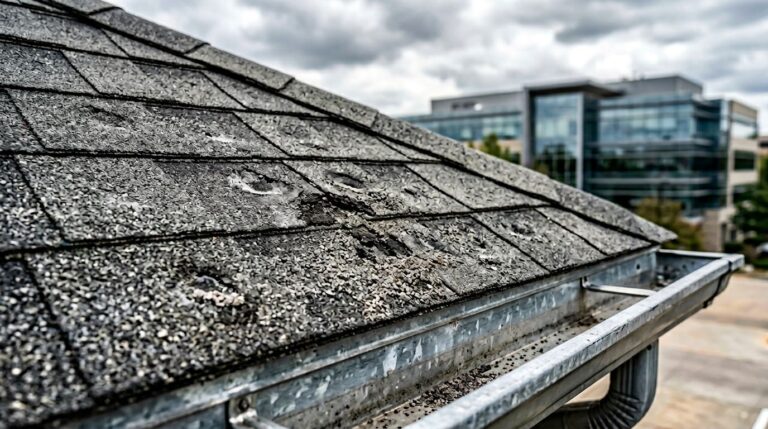
Physical damage on commercial membranes indicates material failure or installation defects that expose the roof system to moisture. These signs often precede hidden leaks and require a trained eye to assess severity.
What Causes Blistering, Cracking, and Alligatoring on Commercial Roof Membranes?
Membrane distress such as blistering, cracking or alligatoring arises from trapped moisture, UV exposure and thermal cycling.
Entrapped moisture expands under heat to form blisters; repeated swelling and contraction create cracks that resemble alligator skin. Addressing these defects prevents seam failures and water intrusion.
Why Is Damaged or Missing Flashing a Critical Repair Sign?
Roof flashing seals joints around vents, pipes and parapets. Damaged or absent flashing LEADS_TO open channels for water to migrate under the membrane and into the building envelope. Even small gaps at flashing points can produce concentrated leaks that undermine deck structure.
How Do Punctures, Tears, and Abrasions Impact Commercial Roof Integrity?
Punctures, tears and abrasions puncture the waterproof barrier, exposing insulation and substrate to moisture. Foot traffic, falling debris or sharp tools can cause these physical breaches. Immediate patching prevents moisture wicking through the tear, which otherwise would expand under freeze-thaw cycles.
What Performance and Age-Related Signs Show Your Commercial Roof Needs Repair?
Performance and age-related indicators reveal declining insulation efficiency and structural fatigue. Monitoring these signs helps you optimize energy costs and plan end-of-life repairs.
How Do Increased Energy Bills Indicate Roof Insulation Failure?
Rising heating and cooling costs often signal degraded insulation performance. When roof membrane or insulation layers break down, heat transfer increases, forcing HVAC systems to run longer.
- Spikes in seasonal energy usage compared to historical data.
- Difficulty maintaining interior temperature setpoints.
- Uneven heating and cooling across different zones.
Tracking energy bills against roof age can pinpoint insulation loss before you see visible membrane distress.
What Does Sagging or Spongy Roof Areas Reveal About Structural Health?
Sagging or spongy spots on the roof deck indicate water-logged insulation or compromised deck support. These soft areas RAISE the risk of deck collapse under added loads. Identifying and drying saturated zones early prevents structural failures.
How Can Mold, Mildew, and Vegetation Growth Signal Roof Damage?
Mold, mildew and vegetation establish in moisture-retentive pockets on the roof. Their presence INDICATES trapped water beneath the membrane or decaying organic debris, both of which accelerate membrane degradation and health hazards if spores enter the building.
What Are the Primary Causes of Commercial Roof Damage You Should Know?
Understanding root causes—weather, installation errors and foot traffic—helps you target preventive measures. These factors weaken roof components over time.
Causes of Commercial Roof Damage
Commercial roof damage can stem from various factors, including weather conditions, installation errors, and foot traffic. Ultraviolet radiation, temperature fluctuations, and moisture cycles weaken roof materials over time. Poor installation practices, such as improper seam welding or incorrect flashing, can lead to early membrane failure. Regular foot traffic and debris can also cause physical damage to the roof.
Smith, B., Commercial Roofing Systems: A Comprehensive Guide (2023)
This citation provides additional context to the article’s discussion of the primary causes of commercial roof damage.
How Do Weather Conditions and Age Contribute to Roof Deterioration?
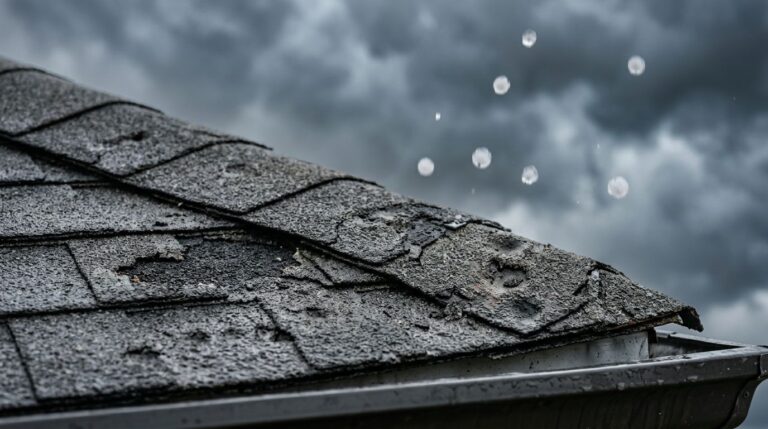
Ultraviolet radiation, temperature extremes and moisture cycles gradually weaken membrane polymers and fasteners. Older roofs exposed to decades of weathering become brittle, making cracks and leaks more likely.
What Role Does Poor Installation Play in Commercial Roof Problems?
Subpar installation—such as improper seam welding, poorly fastened substrate or incorrect flashing—sets the stage for early membrane failure. Professional installation standards ensure consistent adhesion, overlap and drainage.
How Does Foot Traffic and Debris Cause Physical Roof Damage?
Regular roof access for maintenance or equipment servicing causes scuffs and punctures, while wind-blown branches or tools left on the deck can tear membranes. Designating traffic paths and removing debris prevents localized abrasion damage.
What Are the Consequences of Ignoring Commercial Roof Repair Signs?
Neglecting repair signs leads to escalating structural and operational risks that far exceed early repair costs.
How Can Delayed Repairs Lead to Costly Structural Damage?
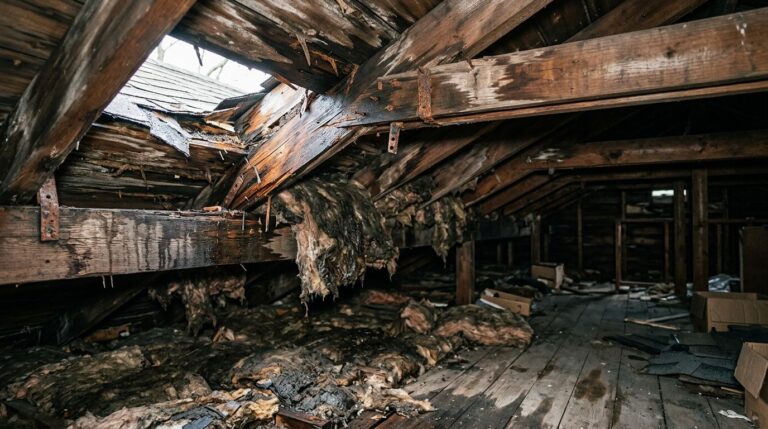
Postponed patching allows water to penetrate deeper, rotting deck supports and degrading load-bearing beams. Repair costs can grow by 300% once structural elements require replacement rather than surface patching.
What Operational and Safety Risks Arise from Neglected Roof Issues?
Compromised roofs risk interior flooding, slip hazards, mold-related illness and fire suppression system failure if water damages overhead sprinklers. These safety concerns disrupt business continuity and expose liability.
How Does Roof Damage Affect Building Energy Efficiency and Costs?
Damaged membranes and failing insulation boost energy consumption by up to 25%. Higher utility bills and equipment wear amplify operational expenses, eroding profit margins and delaying capital improvement plans.
Why Is Professional Commercial Roof Inspection Essential for Early Damage Detection?
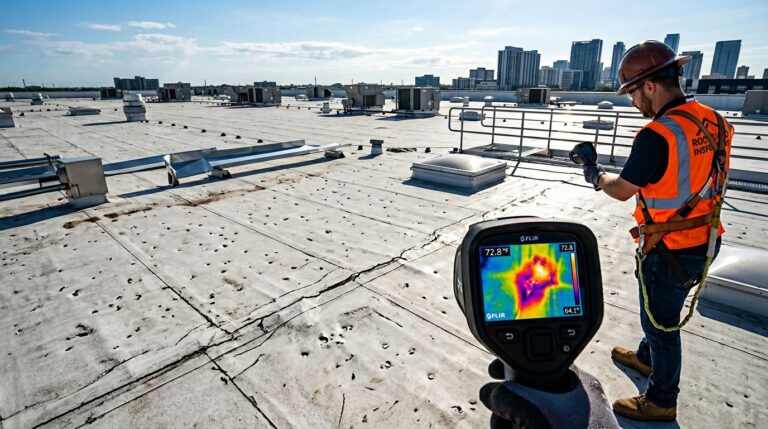
Professional inspections employ specialized techniques—thermal imaging, moisture scanning and drone surveys—to uncover hidden damage that visual checks miss. Their expertise improves repair timing and accuracy.
What Expertise Do Roofing Professionals Bring to Commercial Roof Assessments?
Certified roofing contractors combine material knowledge, safety procedures and diagnostic tools to evaluate membrane integrity, flashing condition, drainage performance and substrate health. Their assessments guide targeted repairs rather than broad replacements.
How Does a Professional Inspection Prevent Costly Repairs?
Timely professional evaluations IDENTIFY minor defects—pinholes, seam gaps, ponding zones—before they escalate. Catching issues early reduces labor and material costs by up to 50%, extending the roof’s service life.
When and How Often Should Commercial Roofs Be Inspected?
Commercial roofs should undergo a thorough inspection at least twice per year—ideally in spring and fall—and after major storms. Regular assessments ensure prompt detection of new damage and validation of previous repairs.
How Can Preventative Maintenance Extend Your Commercial Roof’s Lifespan?
A structured maintenance plan combines inspections, cleaning and timely repairs to support roof health and warranty compliance. Preventative maintenance ATTENUATES damage accumulation and promotes predictable lifecycle planning.
What Are the Benefits of a Structured Commercial Roof Maintenance Plan?
A maintenance plan improves long-term performance, reduces emergency call-outs and preserves warranty coverage. Scheduled cleaning of drains, resealing of flashings and minor membrane patches prevent small issues from becoming major repairs.
How Does Timely Repair Prevent Recurring Roof Damage?
Promptly addressing isolated membrane breaches or flashing gaps prevents water migration under adjacent areas. This approach breaks the cycle of repeated leaks and preserves the roof’s waterproof continuity.
What Maintenance Practices Are Recommended for Different Commercial Roof Materials?
How Do Signs of Damage Vary by Commercial Roof Material Type?
Different membranes exhibit distinct failure modes; understanding material-specific signs guides accurate diagnosis and repair planning.
What Are the Common Signs of TPO Roof Damage?
TPO roofs often blister or wrinkle when weld seams fail. Look for white membrane stains, seam separations and edge shrinkage, which indicate thermoplastic breakdown.
How to Identify EPDM Roof Blistering and Tears?
EPDM may develop small air pockets that create round blisters. Black rubber tears reveal the underlying scrim layer; inspect all penetrations and lap joints for separation.
What Physical Damage Is Typical for Metal and Modified Bitumen Roofs?
Metal roofs show rust spots and loose fasteners, while modified bitumen exhibits splitting at seams and torn granule surface. Both require prompt resealing to prevent leaks.
What Are the Next Steps After Identifying Signs Your Commercial Roof Needs Repair?
Once you spot critical damage, acting swiftly preserves your roof’s condition and prevents secondary problems.
How to Schedule a Professional Commercial Roof Inspection with Roofing Experts St. Paul?
Contact Roofing Experts St. Paul for a no-obligation inspection using our online form or by calling our Wayzata office. Explore our “Wayzata commercial roofing services” to arrange a site visit: Wayzata Roofing Company – Roofing Experts St. Paul
What Should You Expect During a Commercial Roof Repair Process?
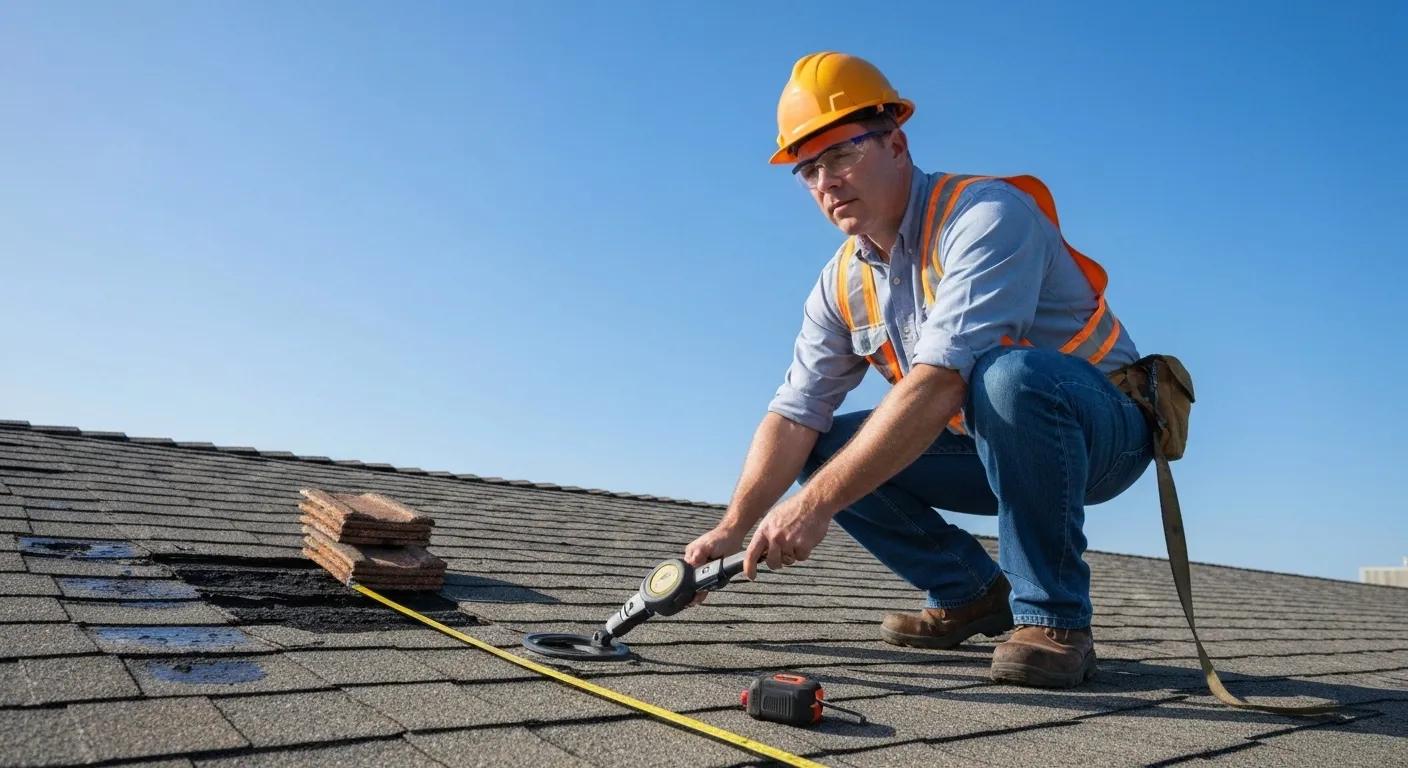
A comprehensive repair process begins with safety setup and device calibration. Technicians perform membrane cleaning, defect marking, targeted patching or seam welding and post-repair quality checks to confirm watertight performance.
How Can You Access Emergency Commercial Roof Repair Services in St. Paul?
For urgent leaks or storm damage, Roofing Experts St. Paul offers 24/7 emergency response. Our rapid-deployment teams secure tarps, clear drains and perform temporary patches until permanent repairs can be completed.
Commercial roof repair hinges on recognizing early warning signs and partnering with experienced professionals. Acting on ponding water, membrane distress or performance red flags now will protect your asset, control costs and ensure uninterrupted operations. Trust Roofing Experts St. Paul to identify critical damage, deliver precise repairs and guide you toward a long-lasting, energy-efficient roof system.
Need a roof inspection in Saint Paul or the Twin Cities? Call Sellers Roofing Company at +1-651-703-2336 or schedule a free estimate. We are a black-owned, NMSDC-certified MBE roofing contractor with 9+ years experience.