Last updated: 2026-08-01 by Ted Sellers, Owner
Snow Damage Repair for Commercial Roofs Explained: Comprehensive Guide to Prevention, Inspection, and Restoration
Commercial roofs in St. Paul face relentless winter challenges as heavy snow, ice dams, and freeze-thaw cycles threaten structural integrity and cause leaks. I wrote this guide to help facility managers, property owners, and maintenance teams understand snow damage repair for commercial roofs, offering actionable steps to identify issues early, prevent costly repairs, navigate insurance, and choose the right contractor. We’ll cover:
- Common snow damage types and their mechanics
- Early detection techniques and signs
- Proven prevention strategies and a method comparison table
- Safe snow and ice removal methods with a tools breakdown
- Repair procedures for leaks, membrane and structural fixes
- Insurance claim guidance, required documentation, and adjuster collaboration
- Contractor selection criteria for the St. Paul region, including local expertise
- Minnesota building codes for snow loads and design best practices
- Cutting-edge materials, removal technologies, and winter maintenance trends
As a roofing expert with Roofing Experts St. Paul, I’ll blend technical depth with practical advice so you can protect commercial properties from winter’s heaviest loads.
What Are the Common Types of Snow Damage on Commercial Roofs?
Commercial roof snow damage encompasses several hazards that originate from accumulation and temperature shifts. Each type introduces unique stress on roofing membranes, structural supports, and drainage systems, leading to leaks, fatigue, or even collapse. Recognizing these categories establishes a foundation for targeted prevention and repair.
How Do Ice Dams Form and Affect Commercial Roofs?
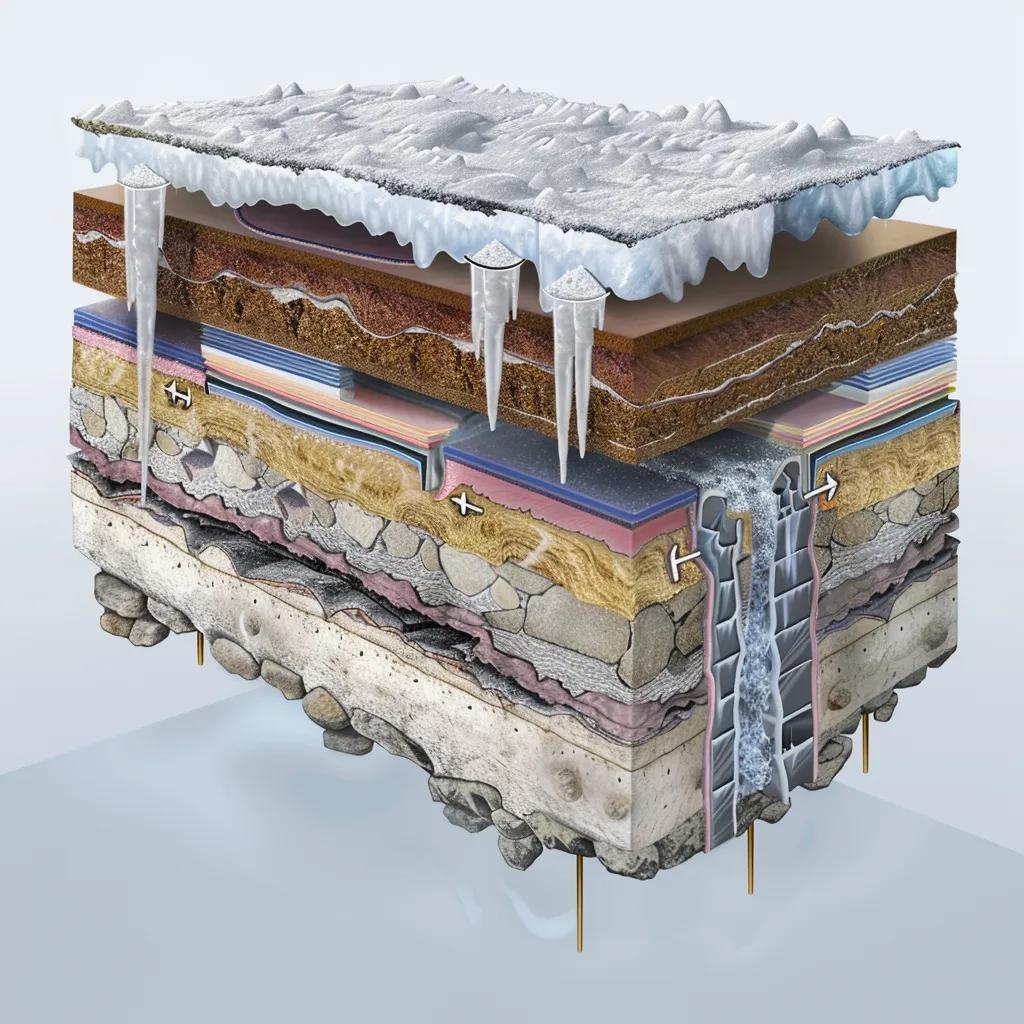
Ice dams form when heat rising through a poorly insulated roof melts snow at higher elevations, allowing meltwater to refreeze along colder eaves. This ridge of ice prevents drainage, causing water backup under roofing membranes and into interior spaces. Ice dams can degrade insulation, corrode metal flashings, and accelerate membrane failure, ultimately leading to interior water damage and mold growth.
Ice Dam Formation and Prevention
Ice dams form when heat loss through a poorly insulated roof melts snow, which then refreezes at the eaves, preventing proper drainage. Effective insulation and ventilation are key strategies to minimize heat loss and prevent ice dam formation, protecting the roof from water damage.
What Is Snow Load and How Does It Impact Roof Structure?
Snow load describes the weight of accumulated snow pressing on roofing components, typically measured in pounds per square foot (psf). Fresh snow can weigh 3–7 psf, while compacted or wet snow may exceed 12 psf. Commercial roofs designed for 20–40 psf can experience deflection, beam bending, or beam joint stress when loads approach capacity, risking structural fatigue and, in extreme cases, roof collapse.
How Do Freeze-Thaw Cycles Cause Roof Damage?
Freeze-thaw cycles occur when daytime meltwater refreezes overnight within cracks or seams. Water expansion exerts pressure on roof joints, fasteners, and seams, gradually prying membranes apart and creating pathways for moisture intrusion. Repeated freeze-thaw action accelerates material degradation and can undermine roof deck attachments.
What Are the Signs of Roof Leaks and Structural Fatigue from Snow?
Roof leaks and fatigue often present as water stains on ceilings, peeling paint, or rusted metal components. On the exterior, look for sagging areas, membrane wrinkles, or joint separations. Early detection of these visual and structural cues prevents extensive interior damage and ensures timely intervention.
Transitioning from damage types, the next step is learning how to spot these issues before they worsen.
How Can You Identify Snow Damage on Commercial Roofs Early?
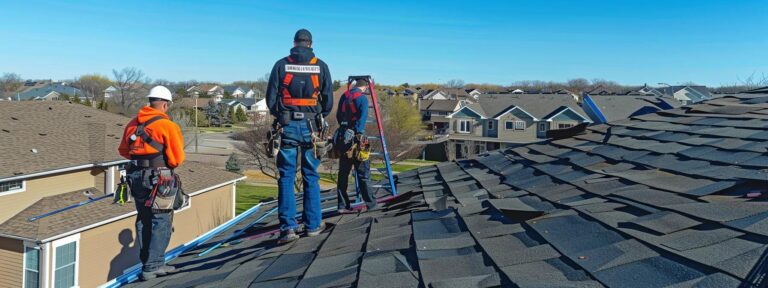
Early identification minimizes repair costs and extends roof lifespan. I recommend a systematic approach combining exterior inspections, interior monitoring, and professional assessments immediately after heavy snowfall or thaw.
What Visual Cues Indicate Snow Damage on Commercial Roofs?
Visible indicators of snow damage include membrane blisters, lifted seams, ice bulges along eaves, pooled meltwater, and rooftop equipment shifts. Sagging panels or uneven snow distribution signal structural stress. Document these cues with photographs during routine walkthroughs.
What Interior Signs Reveal Snow-Related Roof Problems?
Interior signs such as water spots, mold growth near HVAC units or lighting fixtures, peeling wall paint, or a musty odor point to active leaks. Ceiling tiles may buckle or discolor. Tracking these symptoms in maintenance logs guides targeted repairs.
Why Is Professional Roof Inspection Essential After Winter?
A professional roof inspection delivers a comprehensive assessment of hidden vulnerabilities. Certified inspectors use infrared imaging to detect moisture beneath membranes and evaluate insulation performance. Leveraging expert inspections ensures no defect goes unnoticed and informs a prioritized repair plan.
With early detection methods in place, preventive strategies become more effective in mitigating snow damage risks.
What Are the Best Prevention Strategies for Snow Damage on Commercial Roofs?
Preventing snow damage combines structural readiness, thermal control, and drainage upkeep. Implementing these tactics before winter ensures your commercial roof sheds snow properly and withstands freeze cycles.
Each prevention method addresses a specific snow damage cause, and combining all five maximizes roof resilience. Next, we’ll explore how to safely remove accumulated snow and ice when prevention alone isn’t enough.
What Are the Safe and Effective Methods for Commercial Roof Snow and Ice Removal?
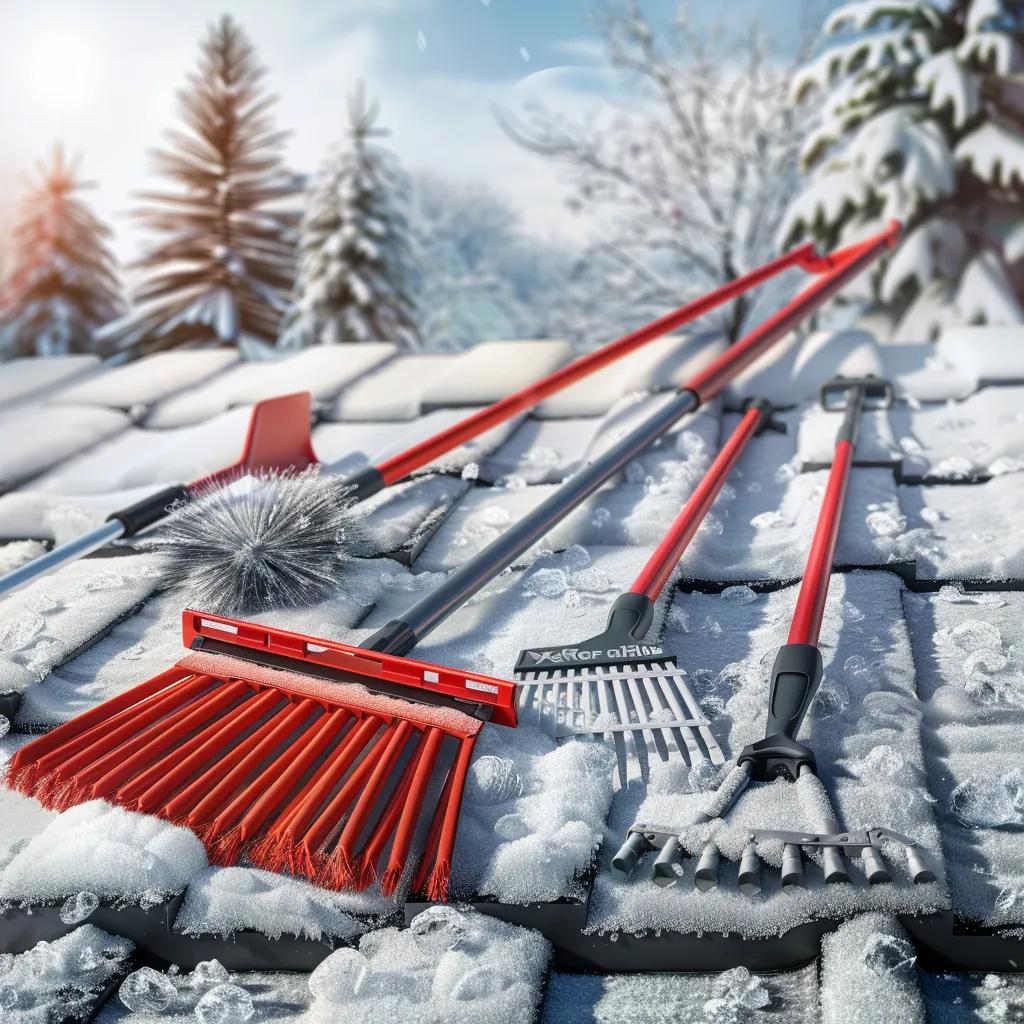
Safe removal of snow and ice preserves roof integrity and protects maintenance personnel. Timing, choice of tools, and whether to DIY or hire professionals dictate both safety and effectiveness.
When Should You Remove Snow from a Commercial Roof?
Remove snow when accumulation exceeds 4 inches or when weight approaches design capacity (20–40 psf). Prompt removal after heavy storms prevents excessive loads and ice dam development. Avoid removal during refreeze periods when surfaces become dangerously slick.
What Are the Pros and Cons of DIY vs. Professional Snow Removal?
Ineffective DIY methods using improper tools can puncture membranes or overload sections. Professionals offer specialized equipment like low-impact roof rakes, roof-mounted snow pushers, and steam systems that remove ice without damage. Hiring experts minimizes liability risks and ensures full coverage, though it carries service fees.
Which Tools and Techniques Are Recommended for Flat Roof Snow Removal?
Selecting the right combination prevents membrane damage and maintains safety. Professional teams also use fall-protection systems and harnesses to safeguard workers during removal.
How Do Professionals Ensure Safety During Snow and Ice Removal?
Certified roofing crews secure harness anchors, use roof anchors, and deploy guard rails around edges. They monitor weather forecasts to schedule removals during favorable conditions and follow OSHA guidelines for winter roof operations. Their training ensures both worker safety and roof preservation.
Safe Snow Removal Techniques
Safe and effective snow removal from commercial roofs involves choosing the right tools and techniques, such as roof rakes, telescoping brooms, and hot-water steam. Professionals also use fall-protection systems and follow OSHA guidelines to ensure worker safety during snow and ice removal operations.
After safe removal, the focus returns to repairing damage that still occurred under heavy snow loads.
How Is Snow Damage Repaired on Commercial Roofs?
Snow-related repairs range from simple leak sealing to structural reinforcement. A phased repair approach restores water tightness and load capacity.
What Are the Common Repairs for Snow-Induced Roof Leaks?
Repairing snow-induced leaks typically involves cleaning and drying the affected area, applying compatible sealants or patch membranes, and reinforcing seams with specialty tapes. For metal roofs, technicians replace rusted panels and reseal fastener points.
How Are Membrane and Structural Repairs Performed After Snow Damage?
Technicians lift damaged membrane sections, inspect the substrate for rot or corrosion, and install new insulation boards or wood blocking as needed. They then weld or adhere replacement membrane patches, ensuring proper overlaps and flashing integration. Structural repairs may include reinforcing joists or adding support plates under deflected areas.
When Should You Call a Professional for Snow Damage Repair?
Call a professional if leaks persist after temporary patches, if you observe significant deck sagging, or if roofing materials crack or puncture under snow stress. Professionals assess hidden damage, secure building permits, and ensure repairs meet code requirements.
How Do Roofing Materials Affect Repair Choices and Durability?
Roofing materials dictate repair methods: EPDM membranes require adhesive-based patches, TPO and PVC use heat-welded seams, and metal roofs need mechanical fastener replacement. Choosing materials with proven cold-weather resilience enhances repair longevity.
With structural integrity restored, managing insurance claims becomes the next essential step to recover repair costs.
How Do You Navigate Insurance Claims for Commercial Roof Snow Damage?
Navigating insurance for snow damage requires clear process steps, thorough documentation, and effective communication with adjusters to secure full coverage.
What Is the Process for Filing Snow Damage Insurance Claims?
Begin by notifying your insurer promptly after damage discovery. Schedule an independent roof inspection to produce a detailed report. Submit a signed proof-of-loss statement, including photos, damage descriptions, and repair estimates. Cooperate with adjuster site visits and provide invoices to finalize settlement.
Which Documentation Is Required for Snow Damage Claims?
- Weather reports showing heavy snowfall dates
- Pre-winter inspection reports and maintenance logs
- Photographic evidence of damage
- Repair estimates from licensed roofing contractors
- Invoices and receipts for completed work
Comprehensive documentation accelerates claim approval by substantiating damage cause and repair necessity.
How Can You Work Effectively with Insurance Adjusters?
Provide adjusters with clear, organized dossiers of all records. Highlight professional roof inspection findings that link damage to snow loads. Offer safe site access and engage contractors to explain technical details onsite. Transparent collaboration fosters trust and expedites claim resolution.
Having addressed claims, selecting the right contractor ensures quality repairs and lasting protection.
How to Choose the Right Commercial Roofing Contractor for Snow Damage Services in St. Paul?
Selecting a qualified local contractor guarantees timely, code-compliant repairs tailored to Minnesota winters.
What Qualifications and Experience Should a Winter Roofing Contractor Have?
- State licenses and prevailing-wage certificates
- Specialty training in cold-weather membrane installation
- Proven track record of winter emergency repairs
- Comprehensive insurance and bonding
These qualifications demonstrate capability in harsh winter conditions.
Why Is Local Expertise Important for Minnesota Winter Roof Repairs?
Minnesota’s freeze-thaw extremes and specific building codes demand contractors familiar with snow load requirements and de-icing techniques. Local experts understand ice dam prevention strategies and have established relationships with suppliers of cold-rated membranes.
What Services Should You Expect from a Commercial Roofing Contractor?
- Free pre-winter inspections and winter preparedness plans
- Emergency 24/7 snow damage response teams
- Comprehensive repair, re-insulation, and reinforcement services
- Follow-up maintenance agreements for ongoing protection
When you’re in the greater St. Paul area or nearby Wayzata, consider our Commercial Roofing Services in Wayzata, MN for tailored snow damage solutions from Roofing Experts St. Paul.
Meeting code and design standards underpins any contractor’s work, so let’s review local regulations next.
What Are the Key Building Codes and Standards for Snow Load on Commercial Roofs in Minnesota?
Minnesota building codes establish minimum snow load requirements to ensure structural safety under heavy winter precipitation.
How Do Minnesota Building Codes Address Snow Load Requirements?
Minnesota Building Codes and Snow Load Requirements
Minnesota’s building codes mandate specific design snow loads based on geographical location, typically ranging from 30 to 50 pounds per square foot (psf). These codes, along with the ASCE 7-10 standards, are crucial for ensuring structural safety and minimizing the risk of roof collapse due to heavy snow accumulation.
What Are the Recommended Roof Design Practices for Harsh Winters?
Recommended practices include:
- Sloped roof sections to promote snow shedding
- Uniform insulation and ventilation to avoid thermal bridges
- Structural reinforcement around roof penetrations and edges
- Oversized gutters and downspouts designed for increased meltwater
How Can Compliance Reduce Snow Damage Risks?
Compliance with codes and ASCE guidelines ensures calculated safety margins, minimizes deformation under load, and reduces liability exposure. Properly engineered roofs shed snow more effectively, decreasing ice dam potential and extending service life.
Staying current with innovations further reinforces roof resilience, so let’s explore the latest industry trends.
What Are the Latest Trends and Technologies in Commercial Roof Snow Damage Prevention and Repair?
Advances in materials and techniques accelerate snow damage prevention and streamline repairs with improved safety and performance.
What Advances Exist in Roofing Materials Resistant to Snow and Ice?
New membrane formulations incorporate enhanced polymers and UV stabilizers, providing greater tensile strength and flexibility at sub-zero temperatures. Insulated panel systems with integrated thermal breaks reduce heat loss and ice dam formation. Lightweight composite panels offer higher load capacities without extra structural support.
How Are New Snow Removal Technologies Improving Safety and Efficiency?
Automated roof-mounted cable systems and self-regulating heat cables maintain constant de-icing along eaves. Remote-controlled snow pushers clear large flat surfaces quickly. Solar-powered de-icing mats leverage renewable energy for sustainable meltwater management.
What Emerging Best Practices Are Recommended for Winter Roof Maintenance?
Data-driven maintenance platforms now use drone inspections and thermal imaging to pinpoint vulnerabilities. Predictive analytics based on local weather patterns schedule proactive snow removal and inspections. Integrated gutter-heating controls activate only when temperatures and moisture trigger potential ice dams, optimizing energy use.
Adopting these trends ensures your commercial roof remains protected year after year against Minnesota’s toughest winters.
Commercial roofs endure constant winter stress from snow loads, ice dams, and thermal cycling. By understanding damage mechanisms, detecting issues early, implementing comprehensive prevention, and applying safe removal, you can avoid costly repairs. Coordinated insurance claims and collaboration with a qualified local contractor ensure full recovery when damage occurs. Finally, compliance with Minnesota codes and leveraging new materials and technologies future-proofs roof performance.
Contact Roofing Experts St. Paul today to schedule your pre-winter inspection or emergency snow damage repair and secure your commercial building against winter’s heaviest loads.
Need a roof inspection in Saint Paul or the Twin Cities? Call Sellers Roofing Company at +1-651-703-2336 or schedule a free estimate. We are a black-owned, NMSDC-certified MBE roofing contractor with 9+ years experience.