Last updated: 2026-09-15 by Ted Sellers, Owner
Short answer: Yes. Wind-driven snow can enter attic vents in St. Paul during cold, gusty storms, especially through exposed soffit, gable, or poorly baffled ridge vents. A light dusting may dry without harm. Repeated snow in attic vents, wet insulation, roof-deck frost, or ceiling stains needs a closer inspection.
Minnesota winters combine powdery snow, sustained wind, and long freeze-thaw periods. The problem isn’t that an attic has ventilation. The problem is a vent design, installation, or attic condition that lets snow stay wet inside the assembly.
When Snow in Attic Vents Is a Real Problem
The homes most exposed to wind-driven snow
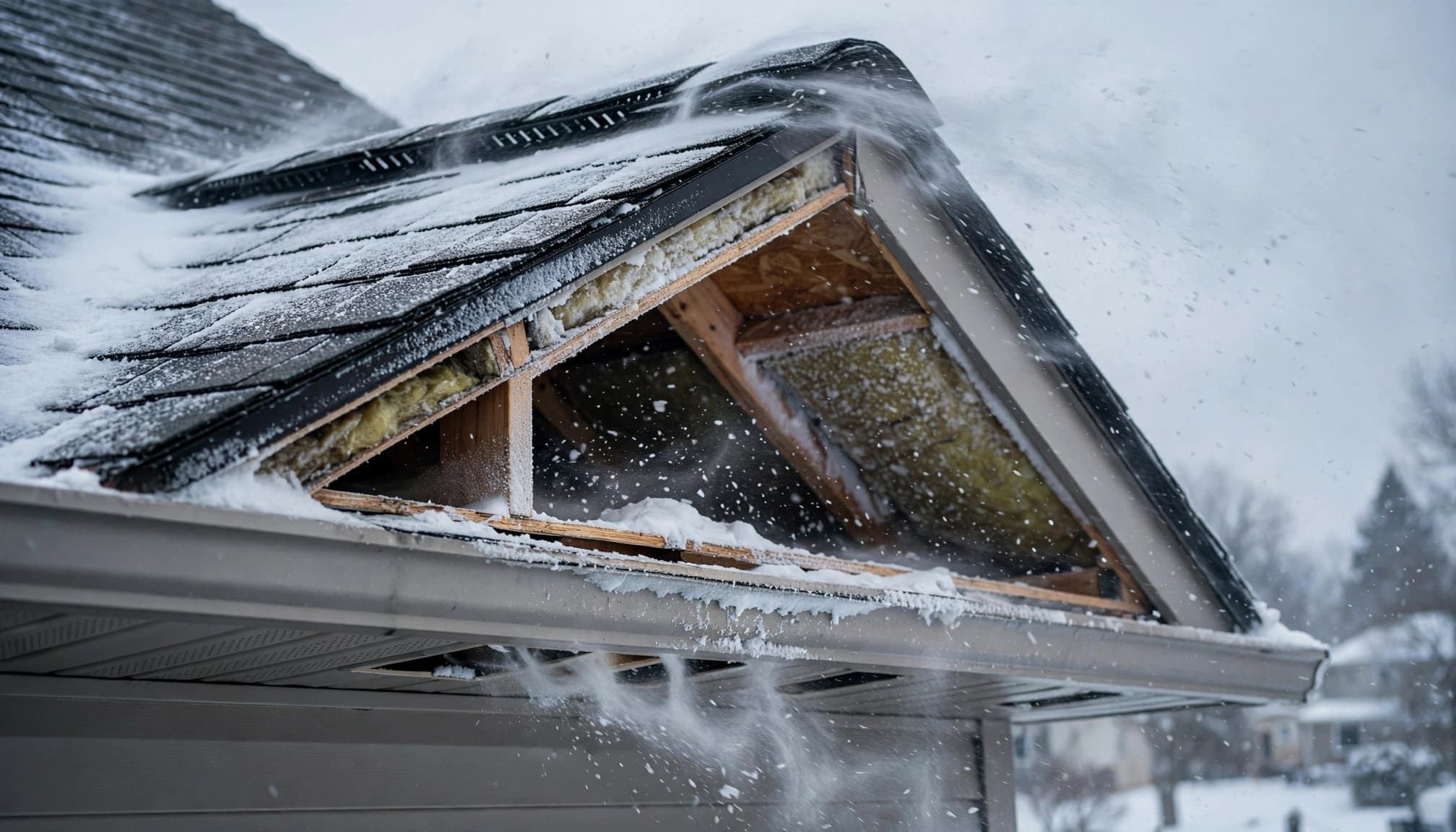
This applies to homes with continuous soffit vents, ridge vents, gable vents, or roof louvers facing an open street, field, lake, or prevailing winter wind. Steep roofs with asphalt shingles and exposed ridge lines can collect windblown snow around vent openings.
Snow can also enter through a soffit vent near a rake edge. The Asphalt Roofing Manufacturers Association notes that wind-driven rain and snow can reach vulnerable soffit locations. Proper vent baffles reduce that risk without blocking needed airflow.
When it is not an emergency
A few dry snow crystals near an intake vent don’t automatically mean the roof is failing. Check again after the weather clears. If the snow is gone and materials are dry, the vent may have performed as intended under extreme conditions.
Wet insulation, persistent frost on roof sheathing, and dripping are different. They point to moisture that can damage the attic, not harmless snow dust.
Do not close soffit vents for winter. Cold outdoor air helps keep the roof deck cold, which can reduce ice-dam conditions. ENERGY STAR’s attic ventilation guidance makes the same point.
Step-by-Step: What to Do About Snow in Attic Vents
Inspect safely and document what you find
- Check the attic during daylight without stepping on insulation. Look for snow accumulation, wet framing, frost, damp insulation, and rusty nail tips.
- Photograph the vent area, roof deck, and any interior stain. If a storm-damage roof claim becomes necessary, photos taken before permanent work help establish the condition.
- Look outside from the ground. Note blocked soffits, missing vent covers, lifted ridge caps, bent flashing, and ice buildup at eaves.
Correct the source, not the symptom
- Keep soffit channels open with attic baffles. Insulation packed against the eaves blocks intake air and can trap moisture.
- Have a roofer check ridge-vent baffles, gable vents, and roof penetrations. Well-designed ridge vents exhaust air while resisting wind-driven precipitation. The Canadian Roofing Contractors Association explains the soffit-to-ridge airflow path.
- Air-seal attic bypasses around hatches, recessed lights, plumbing stacks, and chimneys. Adding a powered fan or random roof vents doesn’t fix heat leakage and can make attic pressure problems worse.
Commercial Roofs Need a Different Diagnosis
Most low-slope buildings do not have attic vents
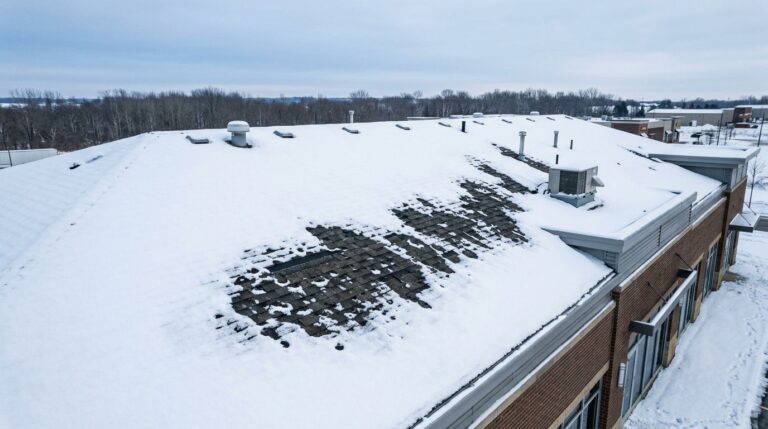
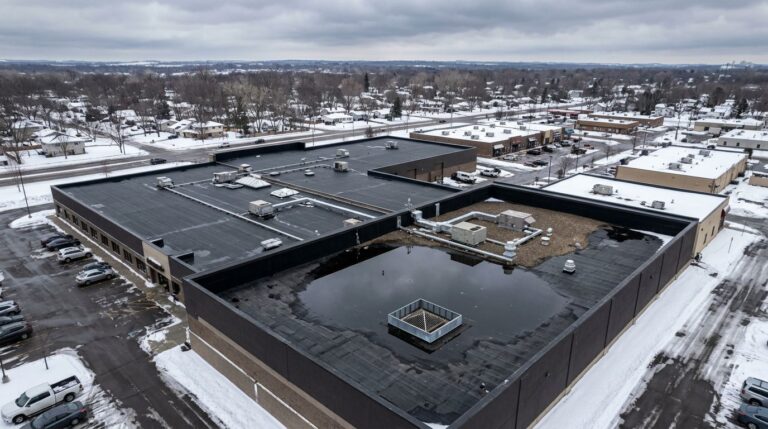
A commercial flat roof usually needs a membrane, flashing, drain, and insulation review, not an attic-vent diagnosis. TPO roofing, EPDM, modified bitumen, and BUR systems can let water travel beneath the surface before it appears indoors.
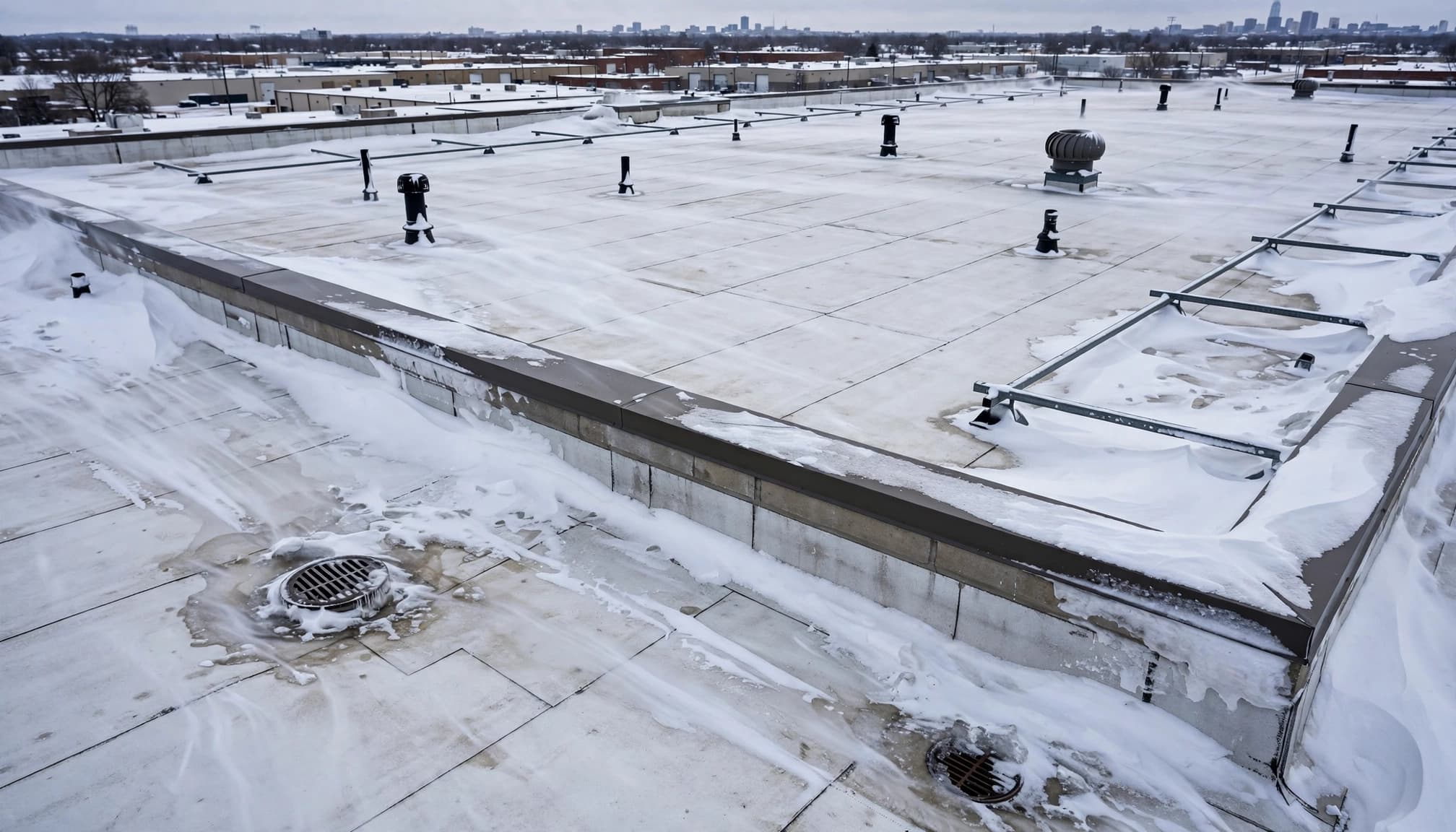
A commercial roof inspection should check seams, parapet flashings, drains, rooftop units, and snow-packed penetrations. If the water path is unclear, use commercial roof leak detection in Saint Paul before authorizing a patch.
Repair, restoration, or replacement
Localized damage may only require commercial roof repair. Wet insulation, failed seams in several areas, or recurring leaks may justify commercial roof replacement instead.
Commercial roof restoration and commercial roof coatings can extend a sound roof’s service life. They won’t correct saturated insulation, failed drainage, or a storm-created opening. A Free Commercial Roof Inspection helps separate a repairable defect from a larger assembly failure.
Decide Whether Snow, Ice, or Storm Damage Caused the Leak
Ice dams point to heat loss first
Ice dam removal can stop immediate backup at the eaves, but it doesn’t correct the attic conditions that formed the dam. Warm air escaping into the attic melts snow higher on the roof. That meltwater refreezes at cold eaves and soffits.
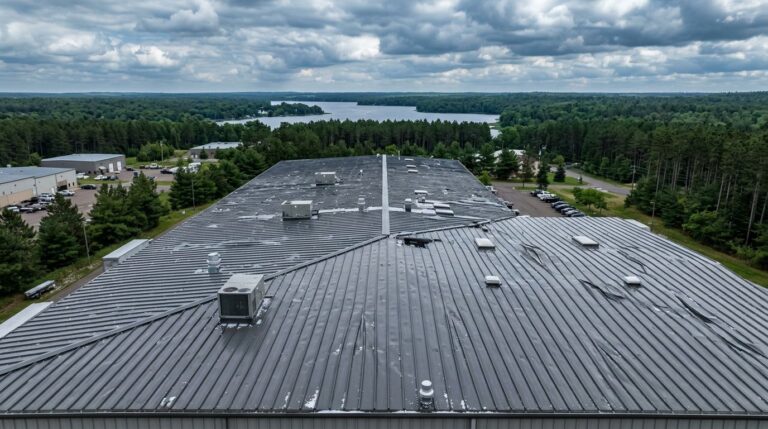
Metal roofing sheds snow differently than shingles, but it can still develop ice at edges, valleys, and penetrations. The diagnosis must include insulation, air sealing, ventilation, flashing, and the roof’s drainage path.
Keep insurance evidence intact
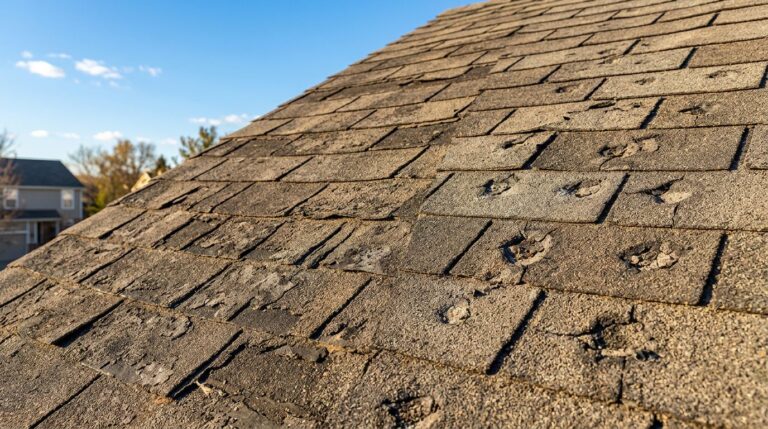
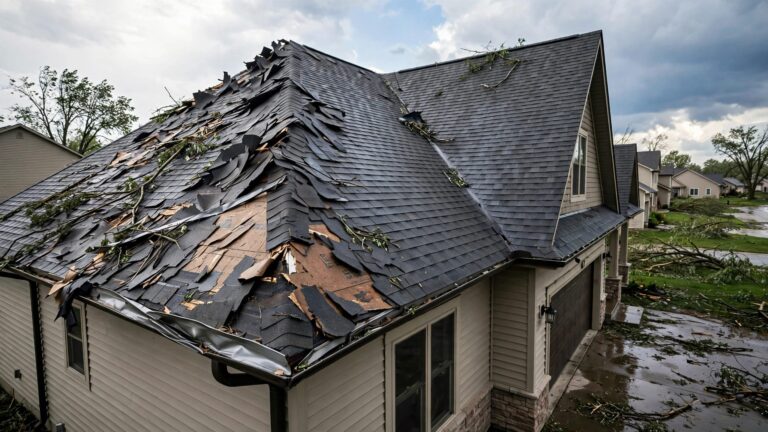
A hail damage roof inspection or storm damage roof inspection should separate fresh impact or wind damage from old wear. For a roof insurance claim, use temporary dry-in work to stop active water, then preserve photos, receipts, and damaged materials.
Avoid broad permanent work before the condition is documented. If tear-off reveals wet insulation, damaged cover board, or failed flashing beyond the original scope, the insurer may need a supplement supported by photos, measurements, and moisture findings.
Sellers Roofing Company provides Saint Paul roofing, Minneapolis roofing, and Twin Cities roofing work under MN License 803862. Its union-built roofing crews include IUPAT Local 96, with GAF certified installation options for Minnesota roofing projects. Homeowners dealing with damaged shingles can Get a Free Residential Roof Estimate.
The Practical Takeaway
Don’t treat attic snow as a vent problem alone
Snow in attic vents can be normal after a severe wind event. Persistent moisture is not. Check vent design, clear soffit airflow, ridge protection, insulation, and air leaks before changing the ventilation layout.
The goal is a cold, dry attic with controlled airflow, not a sealed attic full of trapped moisture.
Frequently Asked Questions
Can I cover attic vents during a snowstorm?
No. Covering vents can trap moisture and warm the roof deck. Fix exposed or damaged vent components instead.
Does a ridge vent always stop wind-driven snow?
No. Ridge vents reduce intrusion when they are correctly installed and baffled. Severe wind can still push fine snow toward vulnerable openings.
Will snow in the attic cause mold?
It can if it melts and keeps wood or insulation wet. Dry snow that disappears without dampness is less concerning.
Do powered attic fans prevent ice dams?
No. Air sealing and insulation address the heat loss that feeds most ice dams. Powered fans are not a reliable ice-dam fix.
Should I repair wet attic insulation after a storm?
Yes. Wet insulation loses performance and can hold moisture against framing. Document the condition first if a storm or roof insurance claim may be involved.
Need a roof inspection in Saint Paul or the Twin Cities? Call Sellers Roofing Company at +1-651-703-2336 or schedule a free estimate. We are a black-owned, NMSDC-certified MBE roofing contractor with 9+ years experience.